Commercial Exhaust Fans Bexar County

Commercial Exhaust Fans

When your exhaust system fails, your business stops. We install and repair commercial exhaust fans that remove smoke, heat, and grease while keeping you code-compliant and your team comfortable.

Veteran-Owned and Operated

Over 20 Years Experience

24/7 Emergency Service Available

Certified Licensed Technicians

Commercial Kitchen Exhaust Fan Services

Ventilation Systems Built for Your Operation

Your commercial exhaust fan does more than move air. It protects your staff from heat and smoke, removes dangerous carbon monoxide and grease particles, and keeps your operation compliant with fire codes. Whether you’re running a busy restaurant kitchen, industrial facility, or commercial building, the right exhaust system makes the difference between a safe, comfortable workspace and a liability. We handle everything from initial installation to emergency repairs. We size systems correctly for your equipment, install ductwork that meets code, and ensure your makeup air balances properly. No shortcuts, no guesswork.
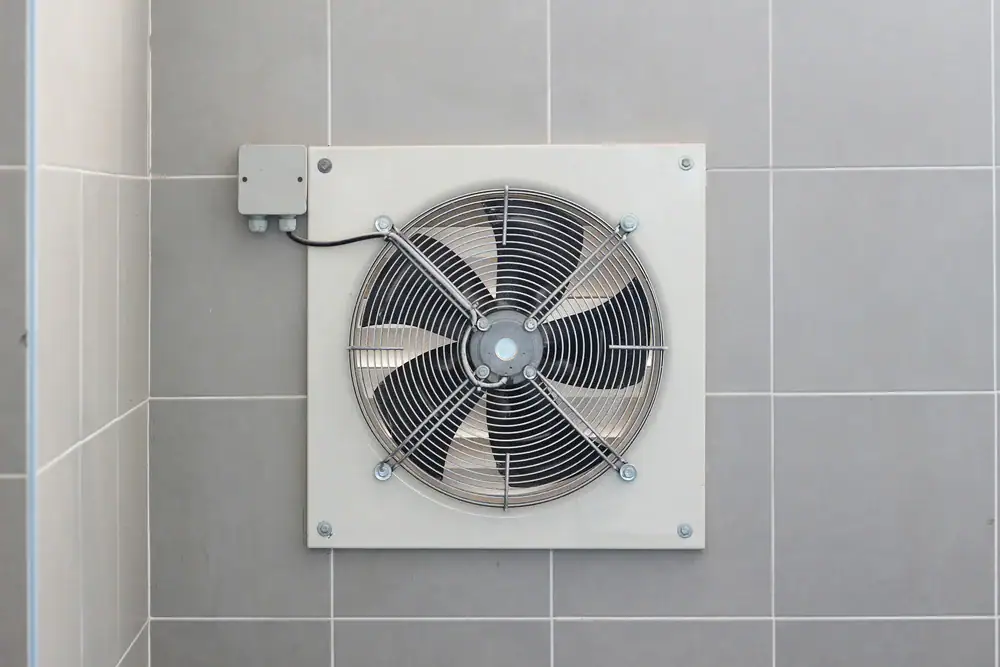
A wall-mounted exhaust fan with a protective grille is installed on a tiled wall, helping with ventilation in the room.
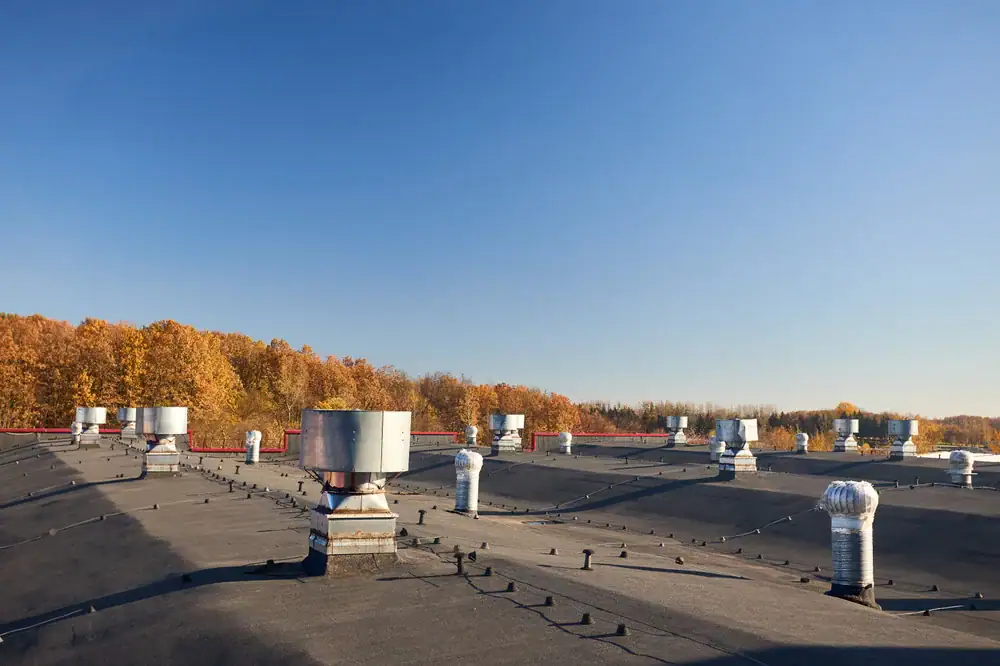
A flat industrial roof with multiple metal air vents under a clear blue sky. Autumn trees with golden leaves border the background.

Kitchen Ventilation System Installation

Installation Done Right the First Time

Most exhaust fan problems start with poor installation. Undersized fans that can’t handle your cooking volume. Ductwork with too many bends that kills airflow. Makeup air systems that create negative pressure and slam doors. Grease traps positioned wrong and creating fire hazards. We’ve seen it all, and we fix it before it becomes your problem. We size your exhaust system based on your actual equipment and cooking style. We calculate CFM requirements for your specific hood type, whether you need Type I hoods over fryers and ranges or Type II for steam equipment. Our installations include proper ductwork runs, makeup air integration, and fire suppression compatibility. You get a system designed for Bexar County’s climate and built to Texas codes. More importantly, you get a kitchen that actually stays comfortable and passes inspections without issues. We handle permits, coordinate with inspectors, and make sure everything meets NFPA 96 standards before we consider the job complete.

Benefits of Professional Exhaust Fan Installation

What Proper Ventilation Actually Does

The right commercial exhaust system doesn’t just check a box for inspections. It changes how your kitchen operates daily and protects your investment long-term.

Exhaust Fan Repair and Maintenance

Fast Repairs When You Can't Afford Downtime

A failing exhaust fan doesn’t give you much warning. Maybe you hear rattling or grinding noises. The kitchen feels hotter than usual. Smoke lingers instead of clearing. By the time you notice, you’re already looking at a breakdown that could shut down service. We respond fast because we know what’s at stake. Our technicians diagnose the real problem whether it’s bearing failure, motor issues, blocked ductwork, or electrical faults. We carry common parts and can source specialty components quickly. Regular maintenance prevents most emergencies. We inspect fan motors and bearings, clean accumulated grease, check electrical connections, verify proper airflow, and catch problems before they become failures. For restaurants and high-volume kitchens, quarterly maintenance keeps your system running reliably. Industrial facilities with lighter use might need service twice yearly. Either way, scheduled maintenance costs far less than emergency repairs during your busiest shift.
Keep Your Home Comfortable & Your Air Flowing Right

Breathe Easier, Stay Comfortable, Live Better

Common questions about Commercial Exhaust Fans

Several factors determine whether repair or replacement makes more sense. If your fan is approaching 15-20 years old, replacement often costs less long-term than repeated repairs on aging equipment. Excessive noise like grinding or rattling usually indicates bearing or motor failure that might be repairable if caught early. Reduced airflow that leaves your kitchen hot and smoky could mean anything from a simple blockage to a failing motor. If you’re experiencing frequent breakdowns, rising energy bills, or your system no longer meets current code requirements, replacement typically makes better financial sense. Our technicians assess the actual condition and give you honest recommendations based on repair costs versus replacement value. We’re not interested in selling you equipment you don’t need, but we also won’t patch a system that’s going to fail again in three months.
Type I hoods are required for any cooking equipment that produces grease or smoke. This includes fryers, ranges, griddles, charbroilers, and similar appliances. These hoods have grease filters and are built to handle grease-laden vapors, and they must connect to fire suppression systems. Type II hoods handle heat and steam only, used over equipment like dishwashers, steamers, and ovens that don’t produce grease. They’re simpler systems without grease filters or fire suppression requirements. Using the wrong hood type is a serious code violation. You can’t put a Type II hood over a fryer, and installing a Type I hood where you only need Type II wastes money on unnecessary features. During our assessment, we identify which equipment needs which hood type and size the system accordingly. Texas codes and NFPA 96 standards are specific about these requirements, and inspectors check carefully.
Cleaning frequency depends entirely on your cooking volume and what you’re cooking. High-volume restaurants cooking lots of fried foods and burgers might need monthly hood cleaning to prevent dangerous grease buildup. Most commercial kitchens benefit from quarterly professional cleaning and maintenance. Lower-volume operations like sandwich shops or facilities doing minimal cooking might get by with annual service. NFPA 96 doesn’t specify exact intervals but requires cleaning when grease accumulation is visible or measurable. Beyond professional cleaning, your staff should clean accessible filters and surfaces regularly, ideally daily for busy kitchens. Maintenance goes beyond cleaning and includes inspecting fan motors and bearings, checking electrical connections, verifying proper airflow and CFM output, lubricating moving parts, and testing safety systems. Neglecting maintenance doesn’t just risk fire hazards. It leads to expensive emergency repairs, failed inspections, and systems that die during your busiest service.
The most common causes of exhaust fan failure are bearing wear from continuous operation, motor burnout from overheating or electrical issues, grease buildup that blocks airflow and creates fire risks, and electrical problems including tripped breakers or damaged wiring. Vibration from unbalanced fans or loose mounting can damage components over time. Condensation buildup in systems handling lots of steam can corrode motors and electrical components. Prevention starts with proper installation sized correctly for your needs. Regular maintenance catches problems before they become failures. This means scheduled inspections, cleaning grease before it accumulates dangerously, lubricating bearings and moving parts, and checking electrical connections for signs of wear. Listen for changes in how your fan sounds. Rattling, grinding, or unusual noises signal problems developing. Don’t ignore reduced airflow or kitchens that suddenly feel hotter. These warning signs mean something’s wrong, and addressing issues early prevents complete failure during service.
Yes, commercial exhaust fan installation in Bexar County typically requires both mechanical and possibly electrical permits. Any new installation, major repairs, or system modifications that affect ventilation capacity or ductwork routing need permits. The permitting process ensures your system meets Texas building codes, local fire codes, and NFPA 96 standards for commercial kitchen ventilation. Inspectors verify proper hood sizing, adequate CFM for your equipment, correct ductwork installation, proper fire suppression integration, and appropriate makeup air systems. Skipping permits might seem like it saves time and money, but it creates serious problems. You risk failed inspections, fines, insurance issues if there’s ever a fire, and having to tear out and redo work that doesn’t meet code. We handle all permit applications and coordinate inspections as part of our installation service. We know exactly what Bexar County inspectors look for and ensure everything passes the first time.
Commercial exhaust fan installation costs vary significantly based on system size, complexity, and your specific requirements. Basic installations for smaller operations might start around $500-1,000 for the fan unit itself, but complete systems including ductwork, makeup air, and fire suppression integration typically run several thousand dollars. Factors affecting cost include the CFM capacity you need, whether you’re installing new ductwork or using existing runs, roof-mounted versus wall-mounted installation, electrical work required, permit and inspection fees, and fire suppression system integration. Larger restaurant kitchens with multiple hoods and high-volume cooking equipment require more substantial investments. The real question isn’t just installation cost but long-term value. A properly sized, professionally installed system lasts 15-20 years, prevents costly breakdowns, keeps you code-compliant, and often reduces energy costs compared to undersized or inefficient systems. We provide detailed estimates after assessing your specific needs. We explain exactly what you’re getting and why each component matters for your operation.
Need more information?
Call Now