
Summary:
Why AC Maintenance Matters in Bexar County
The climate here doesn’t give your system any mercy. When temperatures push past 100 degrees and humidity makes the air feel even hotter, your AC runs longer cycles and works harder to remove both heat and moisture. That extended cooling season—often seven to eight months straight—puts stress on every component.
Without maintenance, dirt builds up on coils. Refrigerant levels drop. Electrical connections loosen from constant vibration and heat. Air filters clog faster because of high pollen and dust. Each of these issues makes your system less efficient, which drives up your energy bill and increases the chance of a breakdown.
Regular service catches these problems early. Our technicians can clean what’s dirty, tighten what’s loose, and spot parts that are starting to wear out—all before they cause your system to fail on the hottest day of the year.

What happens during a professional AC tune-up
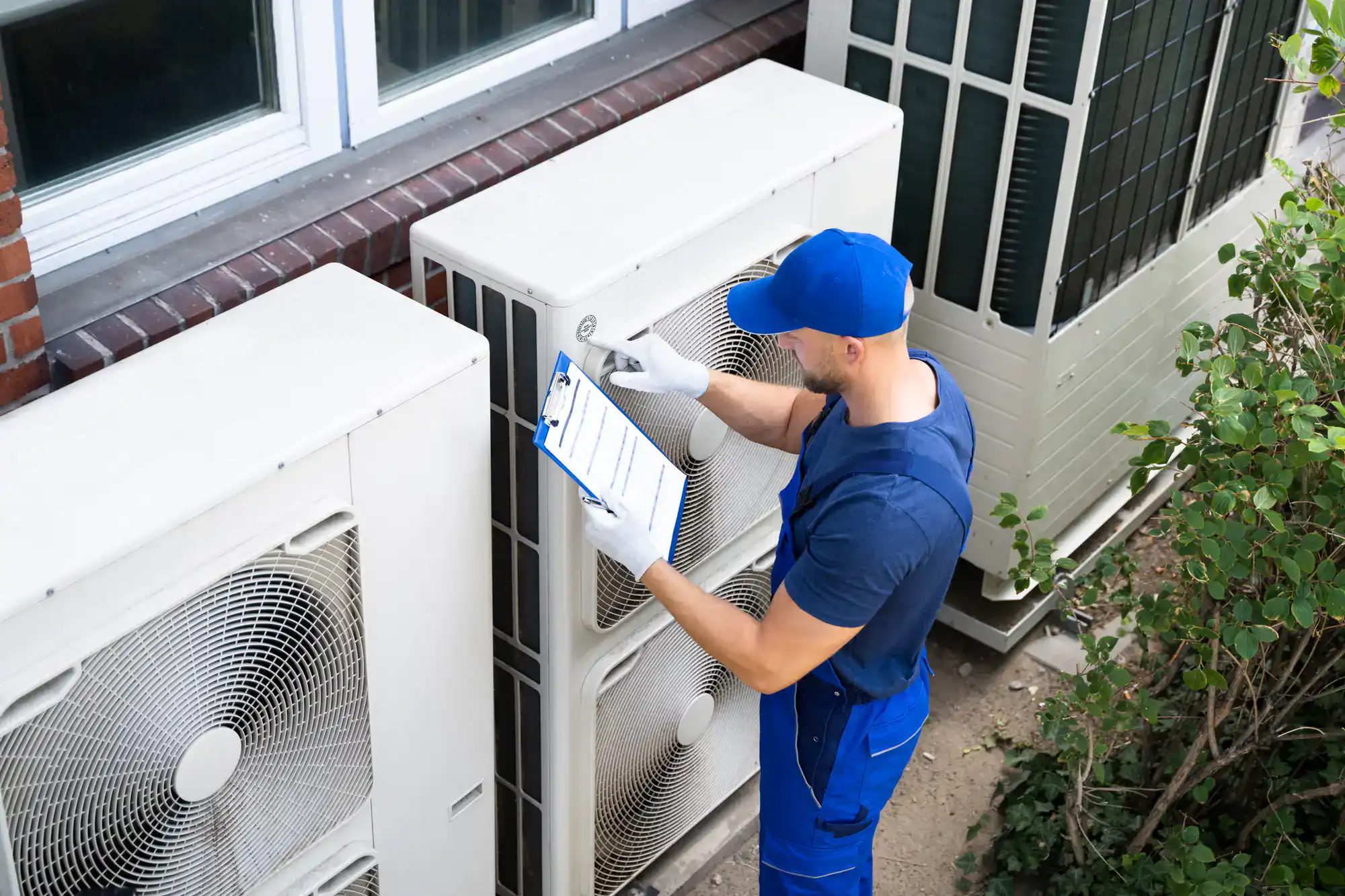
A real tune-up goes beyond changing the filter. Our technicians start by inspecting your entire system—indoor and outdoor units—to identify anything that’s not operating the way it should. We’re looking for early warning signs that most homeowners wouldn’t notice until something stops working.
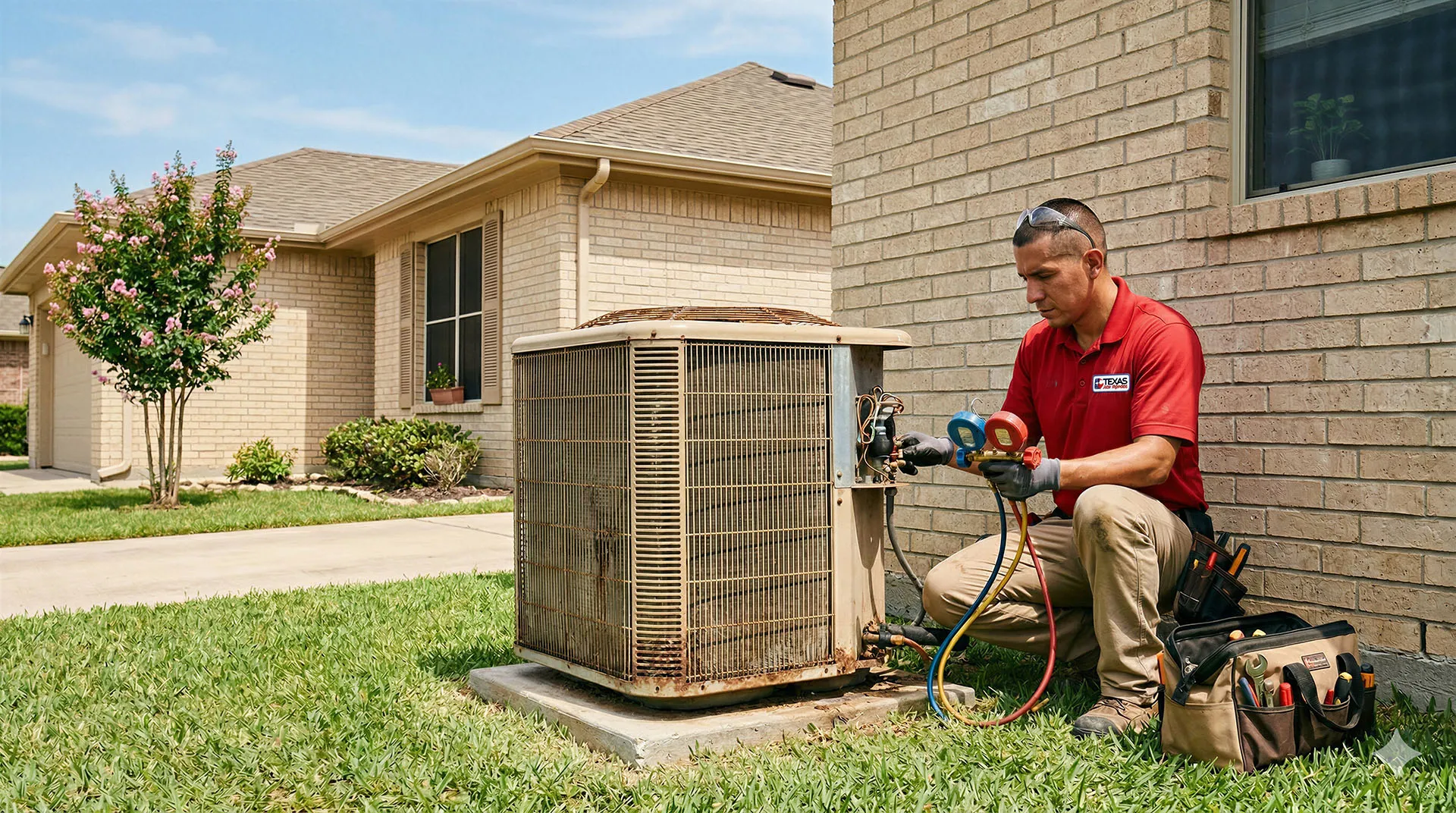
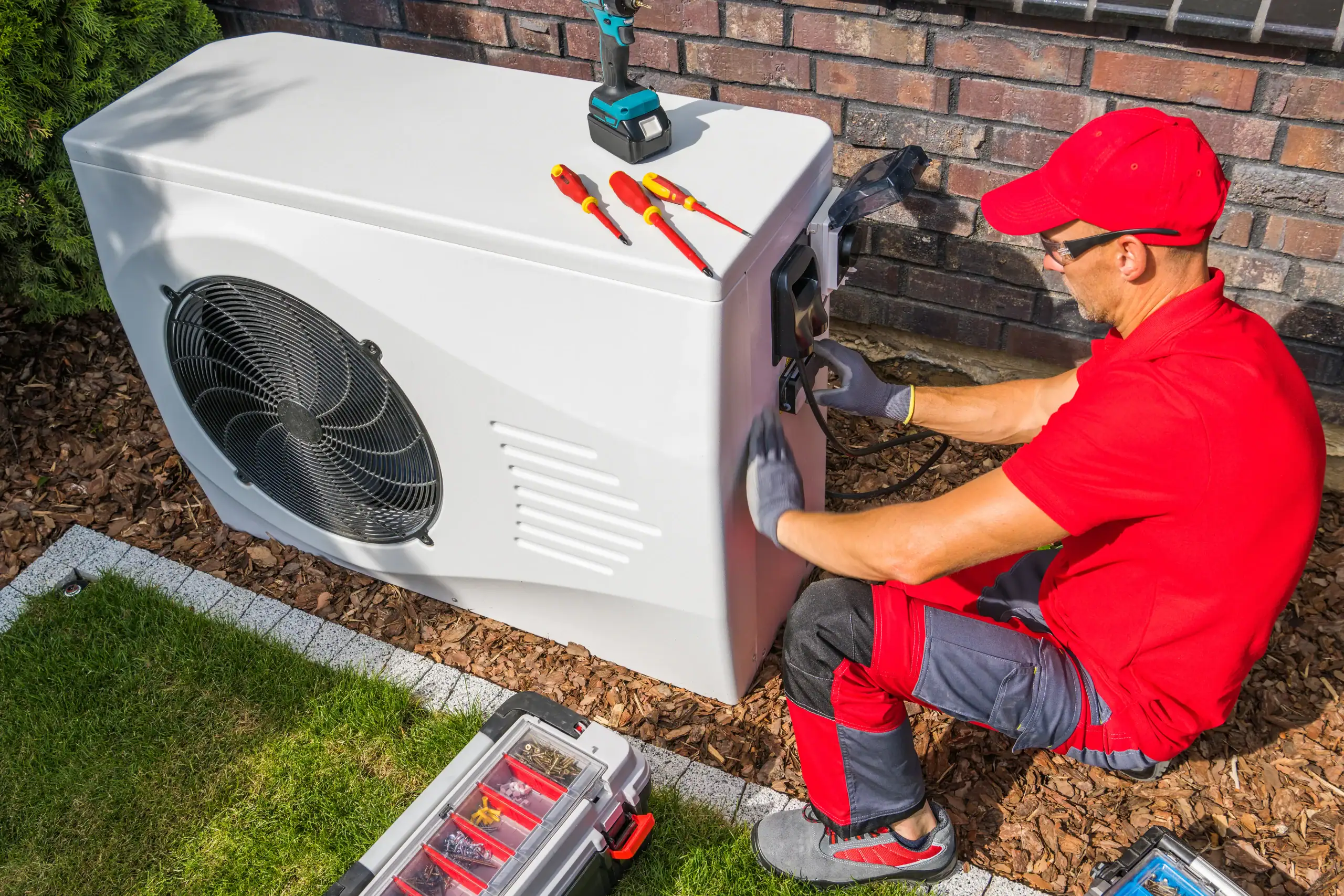
The outdoor condenser coils get cleaned because dirt and debris block airflow and make heat transfer less efficient. Refrigerant levels are checked and adjusted if needed, since low refrigerant forces your system to run longer without cooling properly. Electrical connections are inspected and tightened to prevent shorts or failures that could damage expensive components.
Inside, the evaporator coil is checked for buildup. The blower motor and fan are inspected, cleaned, and lubricated so they operate smoothly. The condensate drain line gets cleared to prevent water backups that can cause leaks or mold growth. Your thermostat is tested to make sure it’s reading temperatures accurately and communicating correctly with the system.
All moving parts are lubricated to reduce friction and wear. Safety controls are tested. Airflow is measured. Amp draw on the motors is checked to see if anything is pulling more power than it should. By the time we finish, we’ve touched every part of your system that affects performance, efficiency, and reliability.
This level of inspection takes time, but it’s what separates a real tune-up from a quick visual check. You’re not just getting a clean filter—you’re getting a full health assessment that identifies problems before they leave you sweating through a weekend while you wait for an emergency repair.
How maintenance prevents emergency breakdowns
Most AC failures don’t happen out of nowhere. Systems give warning signs—rising energy bills, uneven cooling, longer run times, strange noises—that get ignored until something critical fails. Maintenance catches those signs early, when fixes are still simple and affordable.
A worn capacitor can be replaced during a tune-up for a fraction of what you’d pay during an emergency call. A refrigerant leak can be found and sealed before it damages your compressor. Loose electrical connections can be tightened before they cause a short that takes out your control board. Dirty coils can be cleaned before they make your system overheat and shut down.
The timing matters too. Scheduling maintenance in spring means your system gets checked before it faces the heaviest workload of the year. If something needs attention, you have time to handle it on your schedule instead of waiting in line behind everyone else whose system just failed during the first heat wave.
Emergency repairs cost more—sometimes double or triple the normal rate—and they happen when demand is highest and availability is lowest. You might wait days for a technician to arrive, which means days without AC when temperatures are at their worst. Preventive maintenance flips that equation. You pay less, you schedule on your terms, and you avoid the breakdown entirely.
Insurance companies and warranty providers know this, which is why many require proof of regular maintenance. If your system fails and you can’t show service records, you might end up paying out of pocket for repairs that would have been covered. Annual maintenance protects both your equipment and your warranty.
When to Schedule Your AC Maintenance
Spring is the sweet spot for AC maintenance in Bexar County. Schedule your tune-up in March or April, before temperatures climb into the 90s and before HVAC companies get slammed with service calls. You’ll have better availability, more flexible scheduling, and enough time to address any issues before you actually need your system running full-time.
Waiting until summer is a gamble. If we find a problem, you’re already dealing with heat while you wait for parts or repairs. And if everyone else waited too, you might not get an appointment for weeks. Early scheduling means you’re ready when the heat arrives, not scrambling to catch up.
Some systems benefit from twice-yearly service—once before cooling season and once before heating season. If your system is older, runs constantly, or has had issues in the past, that extra checkup can catch problems before they turn into failures.

Signs your AC needs immediate attention
Even with regular maintenance, systems can develop problems between service visits. Knowing what to watch for helps you catch issues before they cause a breakdown. Weak airflow from your vents usually means a clogged filter, failing blower motor, or ductwork problem. Your system has to work harder to move air, which increases wear and reduces cooling.
Uneven temperatures between rooms can point to duct leaks, low refrigerant, or a system that’s struggling to keep up with demand. If some areas stay warm no matter how long the AC runs, something’s wrong. Strange noises—grinding, squealing, banging, rattling—are never normal. They usually indicate loose parts, worn bearings, or components that are about to fail.
Rising energy bills without a change in usage often mean your system is losing efficiency. It’s running longer to achieve the same results, which costs more and puts extra strain on parts. If your bill spikes suddenly, your AC is likely working much harder than it should.
Ice forming on your indoor or outdoor unit is a red flag. It usually indicates restricted airflow, low refrigerant, or a failing component. Don’t ignore it—ice means your system isn’t operating correctly and continuing to run it can cause more damage. Water leaking inside your home from the indoor unit typically means a clogged condensate drain or a problem with the drain pan. Left unchecked, it can cause water damage, mold growth, and system failure.
If you notice any of these issues, don’t wait for your next scheduled maintenance. Getting them checked early prevents bigger problems and keeps your system running when you need it most.
What you can do between professional service visits
Professional maintenance handles the technical work, but there are simple tasks you can do to keep your system running smoothly between tune-ups. Checking your air filter monthly is the single most important thing you can do. A dirty filter restricts airflow, makes your system work harder, and can cause components to overheat or fail. Replace it when you can’t see light through it.
Keep the area around your outdoor unit clear. Grass clippings, leaves, branches, and debris block airflow and reduce efficiency. Trim back any plants or shrubs to maintain at least two feet of clearance on all sides. After storms, check for damage or debris that might have blown into the unit.
Make sure all your indoor vents are open and unblocked. Closing vents or blocking them with furniture disrupts the airflow your system was designed to handle, which can cause pressure imbalances and reduce performance. Listen to your system. If you hear new or unusual sounds, notice changes in how it runs, or see your energy bill climb without explanation, don’t wait—get it checked.
Set your thermostat to a reasonable temperature. Your AC is designed to cool your home about 20 degrees below the outdoor temperature. When it’s 100 degrees outside, setting your thermostat to 68 forces your system to work at maximum capacity nonstop, which increases wear and energy costs. Aim for 78 degrees when you’re home and adjust a few degrees higher when you’re away.
These simple steps don’t replace professional maintenance, but they help your system run more efficiently and reduce the chance of problems between service visits. Think of it as preventive care that extends the benefits of your annual tune-up.
Protect Your System Before Summer Heat Arrives
Your AC system is one of the hardest-working pieces of equipment in your home, especially in Bexar County. The heat, humidity, and extended cooling season demand a lot from your equipment. Regular maintenance keeps it running efficiently, catches problems early, and prevents the kind of breakdowns that leave you without cooling when you need it most.
Scheduling your tune-up in spring gives you the best chance of avoiding emergency repairs, keeping your energy bills in check, and extending the life of your system. It’s a small investment that protects a much larger one and gives you peace of mind when temperatures climb.
If it’s been more than a year since your last service—or if you can’t remember when you last had one—now’s the time to schedule. We serve Bexar County with experienced, certified technicians who understand what South Texas heat does to HVAC systems. Get your system checked before summer arrives in full force.