
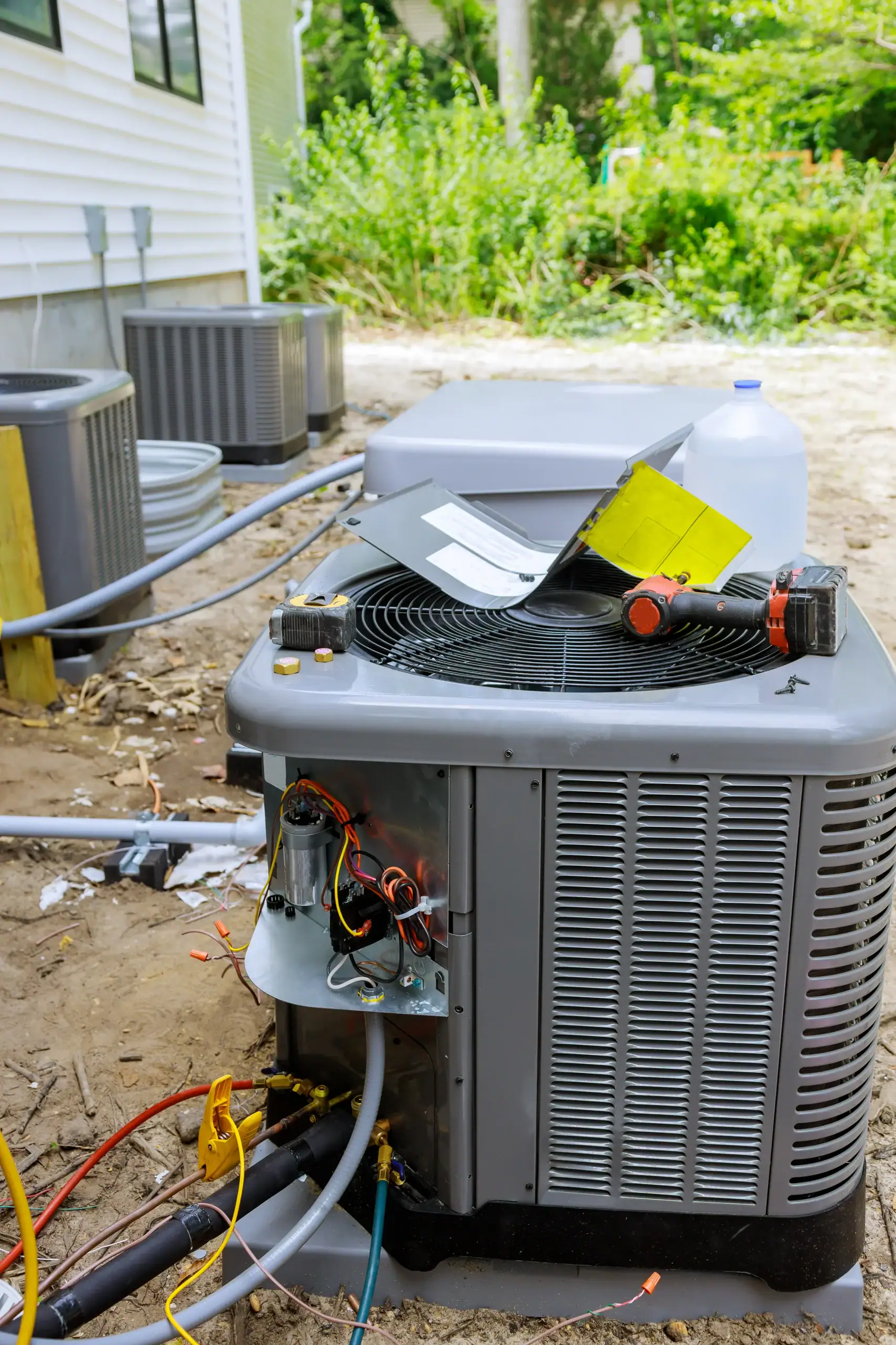
Your energy bills don’t need to eat up 60% of your operating budget. Commercial heat pumps transfer heat instead of generating it, which means you’re using significantly less energy to keep your Alamo Heights business comfortable.
One system handles both heating and cooling. That means one installation, one maintenance schedule, and one point of contact when something needs attention. You’re not juggling separate contractors for your furnace and AC anymore.
When temperatures in Alamo Heights hit triple digits in August or dip below freezing on a January night, your employees and customers shouldn’t notice. A properly sized heat pump maintains consistent temperatures without the hot spots, cold corners, or constant thermostat battles that come with aging systems. You get reliable climate control that doesn’t quit during the busy season.
We’ve been handling commercial heating and cooling across San Antonio, Houston, and Austin for over 20 years. We’re a -owned company, which means we show up when we say we will and we don’t waste your time.
Our certified technicians have seen every type of commercial building in Alamo Heights—from the historic properties along Broadway to newer office spaces. We know how these buildings respond to Texas heat and what it takes to keep them comfortable without burning through your budget.
We’re available 24/7 because commercial HVAC problems don’t wait for business hours. When your system goes down on a Saturday or at midnight, you need someone who answers the phone and actually shows up. That’s what we do.
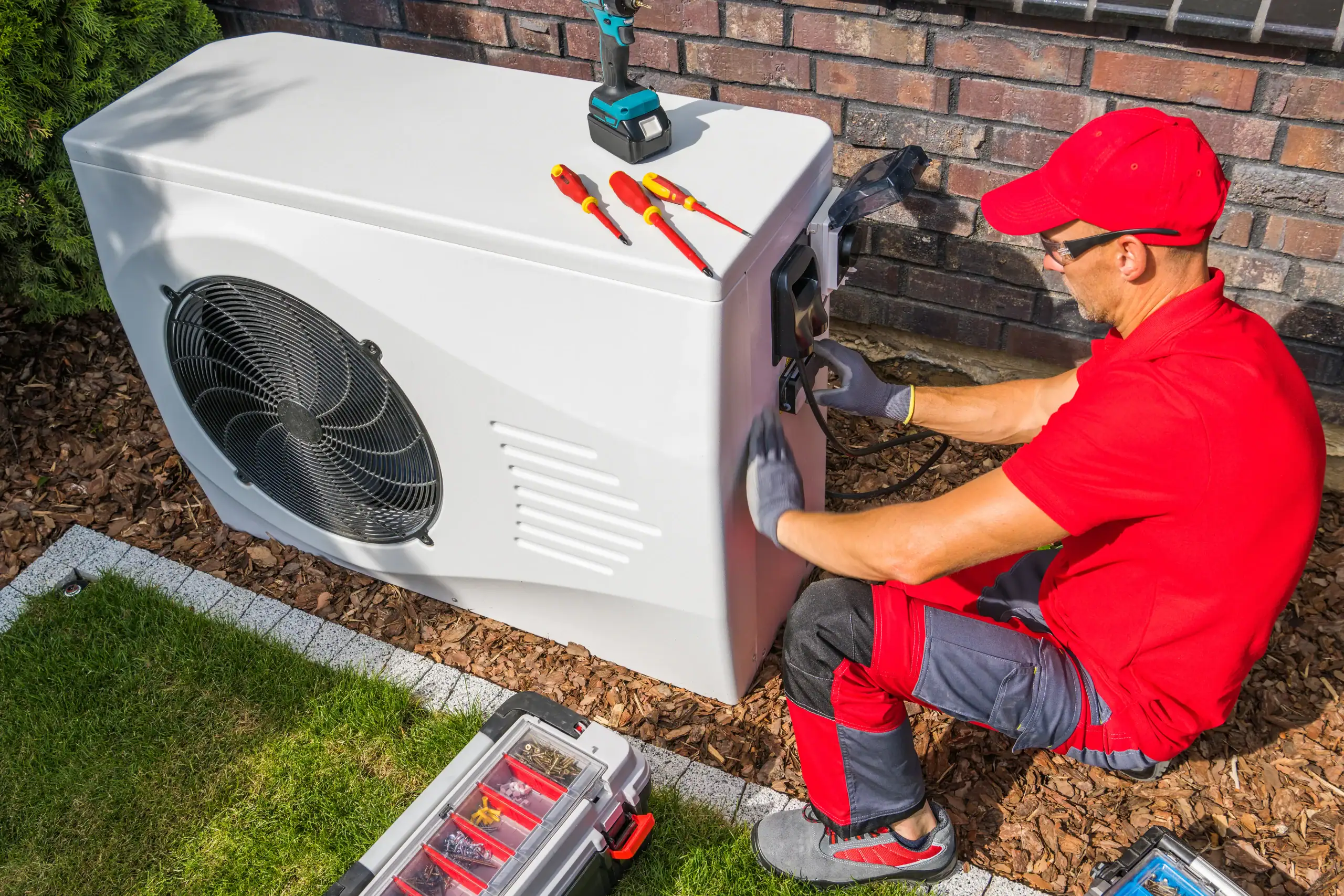
First, we assess your building. Not every commercial space needs the same system, and oversizing or undersizing equipment costs you money. We measure your square footage, evaluate your insulation, look at your existing ductwork, and figure out what your business actually needs based on how you use the space.
Then we recommend a system that fits your building and your budget. We’ll walk you through the options, explain what you’re paying for, and tell you what makes sense for your situation. No pressure, no upselling equipment you don’t need.
Installation is scheduled around your business hours whenever possible. Our team works efficiently to minimize disruption, and we handle everything from equipment placement to electrical connections to final testing. Before we leave, we make sure the system is running correctly and show you what to expect.
After installation, we set up a maintenance schedule that keeps your heat pump running efficiently. Regular service catches small issues before they become expensive problems, and it keeps your energy bills where they should be. You’ll know exactly when we’re coming and what we’re checking.
Ready to get started?
Commercial heat pump maintenance isn’t optional if you want the system to last its full 15-year lifespan. Without regular service, you’re looking at 10-25% higher energy costs and a lot more emergency repair calls.
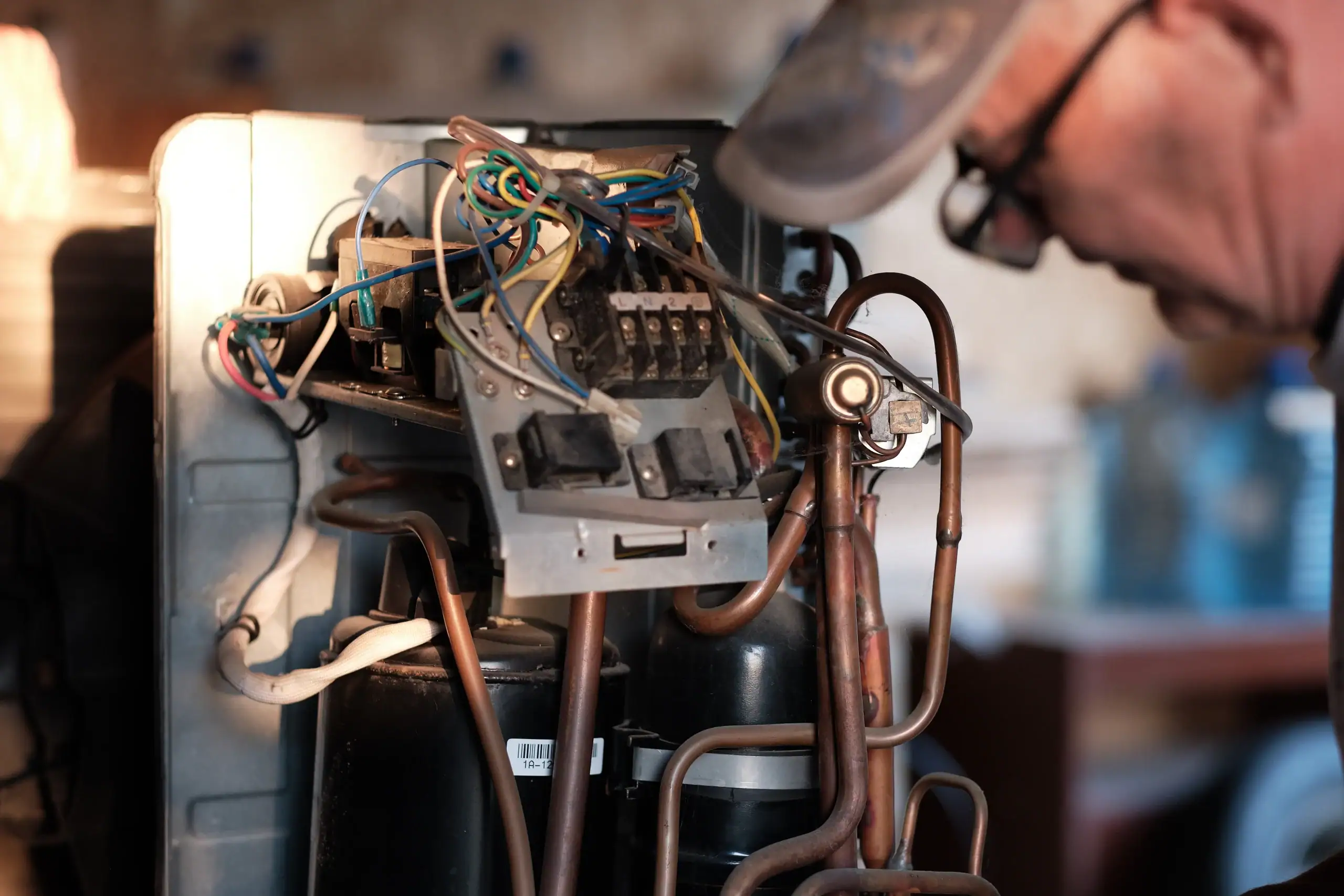
During maintenance visits, we inspect and clean the outdoor coils, check refrigerant levels for leaks, verify airflow throughout your ductwork, and test all electrical connections. We clean or replace filters, lubricate moving parts, and make sure your thermostat is communicating properly with the system. These aren’t quick visual checks—we’re actually testing and measuring to catch problems early.
For Alamo Heights businesses, we pay special attention to how your system handles the temperature swings between day and night. We also check that your heat pump isn’t sitting under a leaking gutter or surrounded by debris, both common issues in older commercial properties around here. Proper drainage and airflow matter more than most people realize.
If something needs repair, we tell you what’s wrong, why it matters, and what it’ll cost before we do the work. Sometimes a repair makes sense. Sometimes replacement is the smarter move. We’ll give you the honest answer either way, because we’d rather keep your business long-term than make a quick sale today.
Commercial HVAC typically accounts for 40-60% of your building’s total energy use, so even modest efficiency improvements add up fast. Heat pumps transfer heat rather than generating it, which makes them significantly more efficient than traditional heating systems.
The exact savings depend on your current system, building size, and how well-maintained your new heat pump stays. Most Alamo Heights businesses see noticeable drops in their monthly utility bills within the first few months. If your current system is more than 10 years old, you’re probably spending 25% more on energy than you need to.
One thing that kills efficiency is skipping maintenance. An unmaintained heat pump loses 10-25% of its efficiency, which wipes out most of your savings. Regular service visits keep the system running the way it’s supposed to and prevent those efficiency losses from creeping up on you.
Most commercial heat pump installations in Alamo Heights take one to three days, depending on your building size and whether we’re working around your business hours. Smaller office spaces or retail locations usually wrap up in a day. Larger buildings with multiple zones or complex ductwork modifications take longer.
We schedule the work to minimize disruption to your operations. If you need us to work evenings or weekends to avoid interrupting your business, we can do that. The installation process includes removing old equipment if you’re replacing an existing system, positioning and connecting the new heat pump, running or modifying ductwork if needed, handling all electrical connections, and testing the entire system to make sure it’s working correctly.
You’ll have climate control throughout the process. We don’t leave you without heating or cooling while we’re working. And before we consider the job finished, we run the system through multiple cycles to verify everything is operating at the right temperatures and efficiency levels.
Age is the biggest factor. If your heat pump is under 10 years old and the repair cost is less than half the price of a new system, repair usually makes sense. If it’s over 15 years old or you’re facing a major component failure like a compressor replacement, you’re probably better off replacing it.
Frequent repairs are another sign. If you’re calling for service more than twice a year, or if your energy bills keep climbing even after repairs, the system is telling you it’s done. At that point, you’re throwing money at a dying system instead of investing in equipment that’ll actually last.
We’ll give you honest numbers for both options. Sometimes a repair buys you another few years, which might be all you need if you’re planning to renovate or move locations. Other times, replacement is the only move that makes financial sense. We’re not going to sell you a new system if a repair will actually solve the problem, because we’d rather you trust us with the next job too.
Yes, modern commercial heat pumps handle cold weather much better than older models. They’re designed to work efficiently even when outdoor temperatures drop below freezing, which is exactly what happens during those occasional January and February cold fronts that hit Alamo Heights.
Heat pumps do have a defrost cycle that kicks in when frost accumulates on the outdoor unit. You might notice steam or hear the system sound different for a few minutes—that’s normal and necessary. The system briefly reverses operation to melt ice buildup and maintain proper airflow. This doesn’t mean anything is wrong.
If temperatures stay below freezing for extended periods, which is rare here, the heat pump uses backup heating to maintain your set temperature. That backup system is less efficient, so it costs more to run, but it ensures your building stays comfortable no matter what. For the typical Alamo Heights winter where we see occasional cold nights but mild days, heat pumps are actually more efficient than traditional heating systems.
At minimum, once a year. Twice a year is better—once before summer and once before winter—because you’re asking the system to work hard in both seasons. Regular maintenance catches small problems before they turn into expensive failures, and it keeps your efficiency where it should be.
Between professional visits, your team should check and replace air filters every one to three months depending on your building’s air quality and traffic. Keep the outdoor unit clear of debris, leaves, and vegetation. Make sure nothing is blocking airflow around the unit, and watch for ice or water accumulation during winter.
Most Alamo Heights businesses find that scheduled maintenance costs far less than emergency repairs. When you skip maintenance, small issues like dirty coils or low refrigerant levels get worse. Efficiency drops, your energy bills climb, and eventually something fails completely. Then you’re paying for emergency service rates plus the repair itself, and you’ve lost business while your system is down.
It depends on your building’s square footage, insulation quality, ceiling height, window placement, and how you use the space. A 2,000-square-foot office with good insulation needs a different system than a 2,000-square-foot retail space with large windows and constant door traffic.
Oversized systems cost more upfront and cycle on and off too frequently, which wastes energy and wears out components faster. Undersized systems run constantly trying to keep up, which also wastes energy and leaves your space uncomfortable. Getting the size right matters more than most people realize.
We do a proper load calculation before recommending equipment. That means we actually measure and assess your building instead of guessing based on square footage alone. We look at your existing ductwork, evaluate your insulation, consider your local climate conditions here in Alamo Heights, and factor in your specific heating and cooling needs. Then we recommend a system that’s sized correctly for your building and your budget, not the system that makes us the most money.
Other Services we provide in Alamo Heights
 Call Now