
You’re not dealing with uncomfortable employees or customers walking out because it’s too hot inside. Your energy bills drop by 40-60% compared to what you’ve been paying with traditional systems. One unit handles both heating and cooling, so you’re not juggling two separate systems that both need maintenance and repairs.
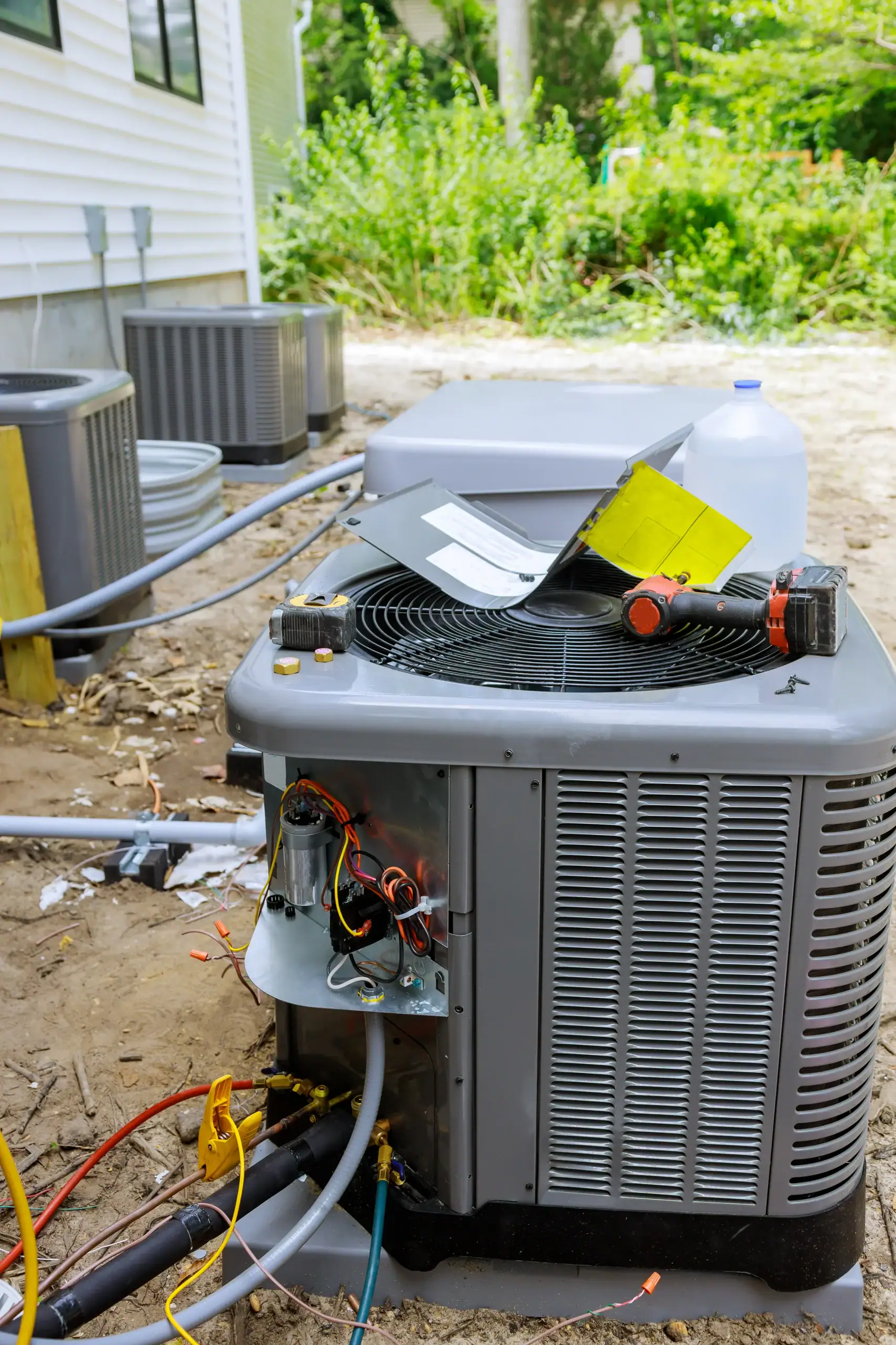
Your commercial heat pump pulls heat from outside air and moves it where it needs to go—inside during winter, outside during summer. It’s not generating heat from scratch like a furnace, which means you’re using a fraction of the energy. That efficiency translates directly to lower operating costs, month after month.
When Atascosa temperatures swing from freezing winter nights to 100-degree summer days, your system adjusts without breaking a sweat. Modern commercial heat pumps are built for Texas climate demands, maintaining consistent indoor temperatures even when outdoor conditions get extreme.
We’ve been serving commercial clients in Atascosa and throughout southern Bexar County for over two decades. As a -owned company, we understand what it means to show up on time, do the work right, and stand behind every installation and repair.
Our certified technicians know commercial systems inside and out—not residential techs trying to figure out your equipment on the job. From small retail spaces to large office buildings, we’ve handled commercial HVAC in every type of Atascosa business you can think of. We’re not here to sell you equipment you don’t need or push expensive replacements when a repair will do.
When local businesses need commercial heat pump installation, maintenance, or emergency repairs, they call Texas Air Repair because the work gets done right the first time. No surprises, no hidden fees, just straightforward service from people who understand that your HVAC downtime means lost revenue.
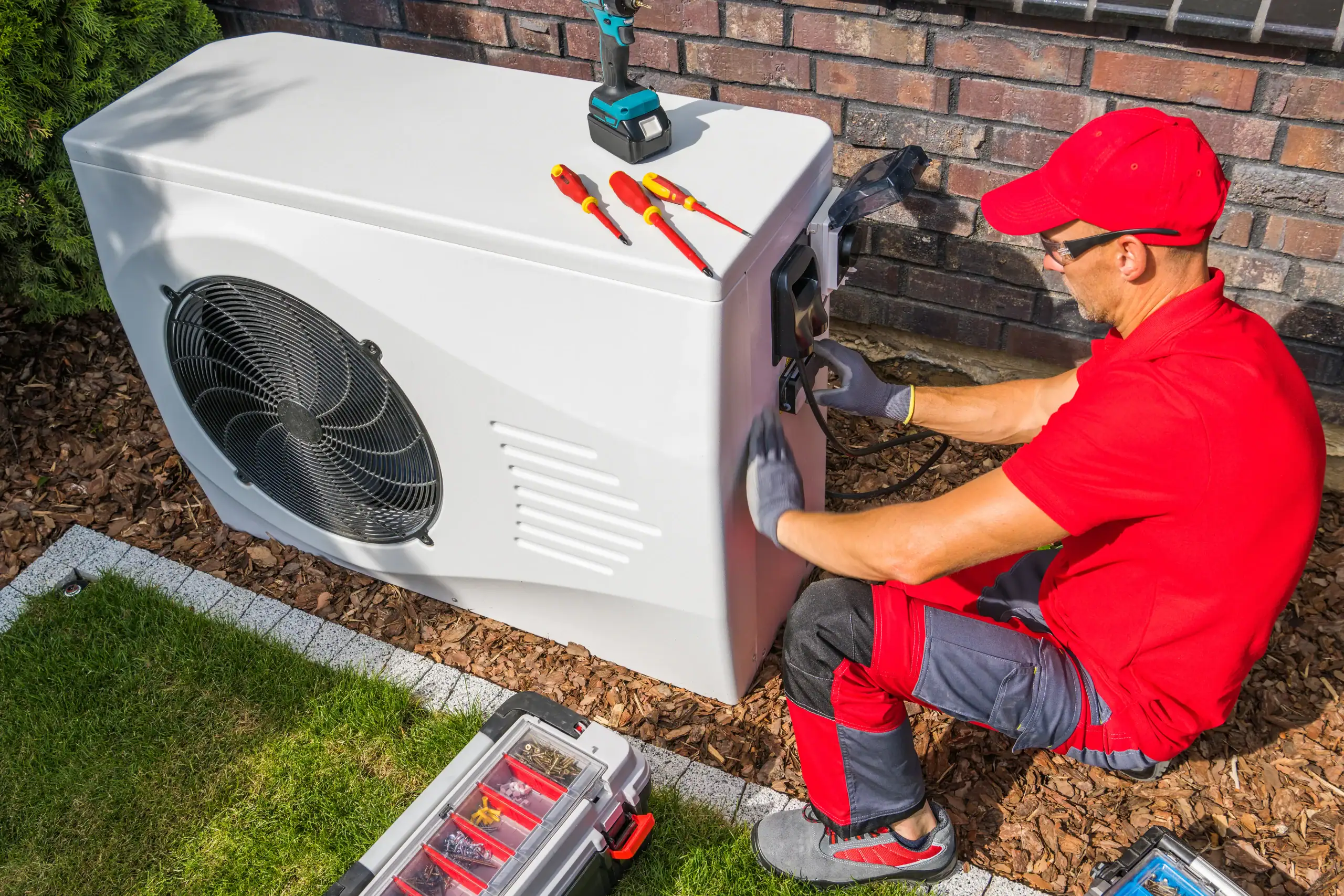
First, a technician comes to your property to assess your building size, insulation, current system, and specific heating and cooling needs. This isn’t a quick walkthrough—we’re measuring spaces, checking ductwork, evaluating electrical capacity, and calculating the right system size for your commercial demands. Get this step wrong and you’ll either have an undersized unit that can’t keep up or an oversized one that short-cycles and wastes energy.
Once we’ve determined the right commercial heat pump system for your building, you’ll get upfront pricing. No vague estimates or surprise charges later. You’ll know exactly what the installation costs before any work begins.
Installation typically takes one to three days depending on your building’s complexity and whether ductwork modifications are needed. Our team handles everything—removing old equipment if you’re replacing an existing system, installing the new heat pump, connecting it to your electrical and ductwork, and testing every component to ensure it’s operating at peak efficiency.
After installation, we walk you through how the system works, what settings to use for different seasons, and what maintenance you’ll need. You’re not left guessing how to operate a major piece of equipment. Then we’re available 24/7 if something goes wrong, because we know HVAC emergencies don’t wait for business hours.
Ready to get started?
Commercial heat pump maintenance happens twice a year—spring preparation before cooling season hits and fall preparation before heating season arrives. Atascosa’s climate demands this schedule because your system works harder here than it would in moderate climates. Those sweltering Texas summers and unpredictable winter freezes put stress on equipment that needs to be addressed before small issues become expensive failures.
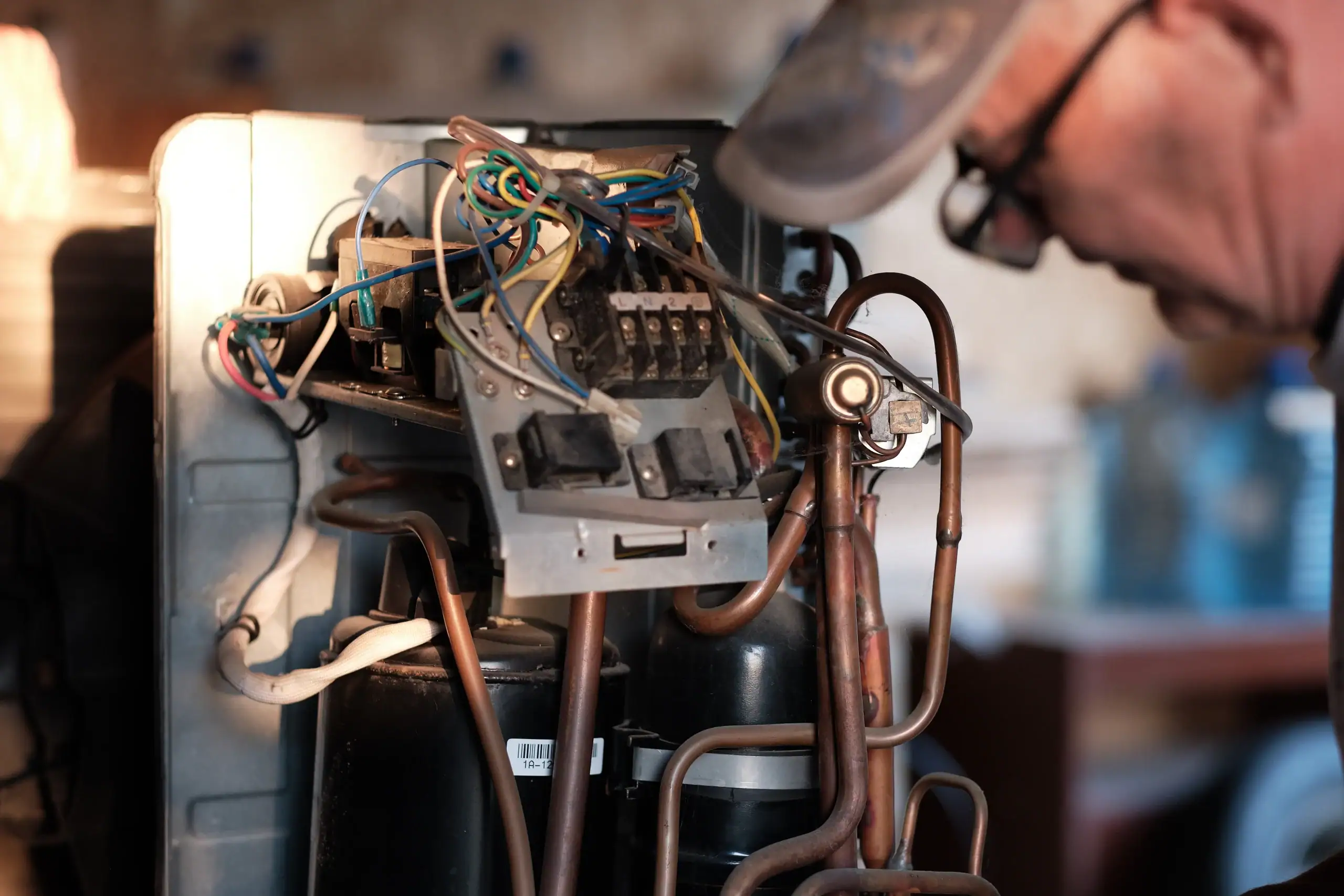
During maintenance visits, our technicians inspect refrigerant levels, clean coils, check electrical connections, test airflow, verify thermostat accuracy, and examine all components for wear. We’re catching problems while they’re still small and inexpensive to fix. Smart business owners know that spending a few hundred dollars on maintenance beats paying thousands for emergency replacements or dealing with business downtime during peak hours.
Between professional maintenance, your team should change filters every one to three months, keep debris away from outdoor units, and watch for any unusual noises or performance changes. But the heavy lifting—checking refrigerant, testing electrical systems, cleaning internal components—that requires certified technicians with the right tools and training.
Atascosa businesses also benefit from our 24/7 emergency service, because heat pump failures don’t care about your schedule. When your system goes down during a busy Saturday or in the middle of a summer heat wave, you need technicians who can respond fast and fix it right. Every hour of downtime affects your bottom line, whether it’s customers leaving because it’s uncomfortable or employees who can’t work productively in extreme temperatures.
Commercial heat pumps typically reduce energy consumption by 40-60% compared to traditional heating and cooling systems. That’s not marketing hype—it’s based on how the technology works. Instead of generating heat by burning fuel or using electric resistance, heat pumps transfer existing heat from one place to another, which requires significantly less energy.
For an Atascosa business, those savings add up fast. If you’re currently spending 30% per month on heating and cooling during peak seasons, a 50% reduction means more back in your pocket every month. Over a year, that’s in savings. Most commercial heat pump installations pay for themselves within 5-10 years just from energy savings alone, and that’s before factoring in reduced maintenance costs and available tax credits.
The exact savings depend on your building size, insulation quality, operating hours, and current system efficiency. Buildings with poor insulation or very old HVAC systems see the biggest improvements. A professional assessment gives you specific numbers based on your actual situation, not generic estimates.
Commercial heat pump systems are built for higher capacity, longer run times, and more demanding conditions than residential units. Your business likely operates 10-12 hours per day or more, with constant door openings, higher occupancy, and greater heating and cooling demands. Commercial systems are engineered to handle that workload without breaking down.
The components are heavier-duty, the refrigerant capacity is larger, and the controls are more sophisticated to manage complex multi-zone requirements. Commercial installations also require different electrical service, more robust ductwork, and professional sizing calculations that account for business-specific factors like equipment heat load, customer traffic patterns, and occupancy schedules.
This is why you need technicians who specialize in commercial systems, not residential HVAC techs trying to figure things out. Commercial heat pumps operate differently, require different maintenance protocols, and need technicians who understand the stakes when a business system fails. Your customers and employees can’t wait days for repairs while a residential tech troubleshoots commercial equipment they’re not trained on.
Commercial heat pumps typically last 10-15 years with proper maintenance, though this varies based on usage intensity, system type, and how well you keep up with preventive service. Air-to-air commercial heat pumps average about 15 years, while water-to-air systems can reach 19 years. Geothermal systems last even longer, with underground components lasting 25+ years.
Texas climate does put extra stress on equipment compared to moderate climates. Atascosa’s extreme summer heat and winter temperature swings mean your heat pump works harder and runs longer than it would in milder regions. That’s why the twice-yearly maintenance schedule is critical here—spring preparation before cooling season and fall preparation before heating season.
Skip maintenance and you’ll see that lifespan drop significantly. Dirty coils reduce efficiency and make the compressor work harder. Low refrigerant levels cause the system to strain. Worn electrical connections create failure points. These problems compound over time until you’re facing expensive repairs or premature replacement. Regular maintenance catches these issues early when they’re still cheap and easy to fix, protecting your investment and maximizing system longevity.
Yes, modern commercial heat pumps are specifically engineered to perform in hot climates like South Texas. When outdoor temperatures hit 100+ degrees, your heat pump works by removing heat from inside your building and transferring it outside, just like a traditional air conditioner. The cooling function operates efficiently even in extreme heat.
Where older heat pump technology sometimes struggled was in cold weather heating, but that’s been solved with modern cold-climate heat pumps that maintain efficiency even in subfreezing temperatures. For Atascosa businesses, this means reliable performance year-round—cooling during brutal summers and heating during those unpredictable winter cold snaps Texas experiences.
The key is proper system sizing and installation. An undersized unit will struggle to keep up during peak heat, while an oversized unit will short-cycle and waste energy. Professional assessment ensures you get a commercial heat pump with adequate capacity for your building’s specific demands, including factors like insulation quality, window exposure, occupancy levels, and equipment heat load. When sized and installed correctly, commercial heat pumps handle Texas climate conditions without issue.
Our 24/7 emergency service means a certified technician can respond to your Atascosa location quickly, typically within a few hours for urgent situations. HVAC emergencies during business hours mean immediate revenue impact—customers leave if it’s too hot, employees can’t work productively, and your business operations grind to a halt.
Emergency response prioritizes getting your system operational as fast as possible. Our technicians arrive with common parts and diagnostic equipment to identify the problem and implement repairs on the spot when possible. If a specialized part is needed, we can often provide temporary solutions to keep you running until permanent repairs are completed.
This is why working with a commercial HVAC company that understands business needs matters. We know you can’t wait days for service or schedule repairs only during our convenient hours. Your business operates on your schedule, and our emergency service matches that reality. The cost of emergency service is almost always less than the revenue you lose from extended downtime, especially during peak business seasons.
Yes, commercial heat pump installations can qualify for federal tax credits up to 30%, though this credit is currently set to expire for systems installed after December 31, 2025. Beyond federal incentives, many Texas utility companies offer rebates for commercial customers who install energy-efficient HVAC systems, and these local incentives often continue even after federal programs change.
The specific rebates available depend on your utility provider, system efficiency ratings, and installation details. Some programs require pre-approval before installation, so it’s important to research available incentives before making your purchase decision. We’re familiar with current incentive programs and can help you navigate the application process.
These incentives exist because heat pumps significantly reduce energy consumption, which benefits both your business and the electrical grid during peak demand periods. When you combine federal tax credits, utility rebates, and ongoing energy savings, the effective cost of commercial heat pump installation drops substantially. Many businesses find that incentives reduce their upfront investment by 20-30% or more, shortening the payback period and improving return on investment.
Other Services we provide in Atascosa
 Call Now