Summary:
What Air Duct Cleaning Actually Does for Your Home
Air duct cleaning isn’t about making your vents look pretty. It’s about removing the pounds of dust, debris, and contaminants that accumulate in your HVAC system over years of use. The average six-room house collects around 40 pounds of dust annually in its ductwork alone.
When we clean your ducts, we’re addressing the entire air delivery system—from the main trunk lines to the smallest branches, plus the registers, grilles, and air handler components. This process removes the buildup that restricts airflow, harbors allergens, and makes your system strain to do its job.
Clean ducts mean your HVAC system can actually deliver the air it’s supposed to deliver, at the temperature it’s supposed to be, without fighting through layers of accumulated grime. That translates to better airflow, more consistent temperatures, and a system that doesn’t have to run as long or as hard to keep you comfortable.
How Dirty Ducts Impact Indoor Air Quality in San Antonio
Indoor air quality isn’t just a buzzword. It’s a real concern, especially in San Antonio and Bexar County, TX, where high pollen counts and extended air conditioning use create a perfect storm for air quality issues.
The EPA has ranked indoor air quality as one of the top five environmental risks to public health. And here’s the kicker: indoor air is typically two to five times dirtier than outdoor air. When your ducts are clogged with dust, mold spores, pollen, and other contaminants, every time your HVAC system kicks on, it’s circulating those particles throughout your home.
Texas heat means your AC runs almost year-round, creating tightly sealed environments where pollutants have nowhere to go. Cedar pollen, construction dust from ongoing development, and everyday household debris all get pulled into your system. If you or your family members are experiencing allergy-like symptoms that seem worse indoors, your ductwork could be the culprit.
According to research, one out of four people who suffer from allergies do so because of fungi and bacteria living in their air duct system. That’s not a small number. And for people with asthma, respiratory conditions, or autoimmune disorders, dirty ducts can harbor contaminants that cause serious problems.
The good news? Professional duct cleaning addresses this head-on. By removing the accumulated allergens, dust mites, pet dander, and mold spores from your ductwork, you’re not just cleaning your ducts—you’re cleaning the air your family breathes every single day.
Energy Efficiency and What Clean Ducts Mean for Your Bills
Here’s something most homeowners don’t realize: between 25% and 40% of the energy used to heat or cool your home gets wasted. Not because your system is broken, but because contaminants in your ductwork force it to work harder than it should.
When dust and debris clog your ducts, airflow gets restricted. Your furnace or air conditioner has to run longer to push conditioned air through those blocked passages. That means higher energy consumption, higher utility bills, and more wear and tear on your equipment.
Recent studies have shown some impressive numbers. Homes with professionally cleaned HVAC systems saw fan and blower energy consumption drop by 41% to 60%. Supply airflow improved by 10% to 46% compared to systems that hadn’t been cleaned. Those aren’t small improvements—they’re the kind of changes that show up on your monthly energy bill.
Homeowners can cut their energy costs by 20% to 30% simply by maintaining their HVAC system properly, including regular air duct cleaning. If you’re spending $200 a month on heating and cooling, that’s $40 to $60 back in your pocket every month. Over a year, that adds up to real money.
But it’s not just about the bills. When your system doesn’t have to work as hard, it lasts longer. Well-maintained HVAC systems with clean ductwork can last 30% to 50% longer than neglected ones. That means if your system would normally last 15 years, proper maintenance could stretch that to 20 years or more. Delaying a $5,000 to $10,000 replacement by even a few years is a significant financial benefit.
Clean ducts also mean fewer repair calls. When your system isn’t straining against restricted airflow, components don’t wear out as quickly. Blower motors, heat exchangers, and compressors all benefit from the reduced workload.
Signs Your Air Ducts Need Professional Cleaning
Your ductwork doesn’t send you a notification when it needs attention. But it does send signals—you just have to know what to look for.
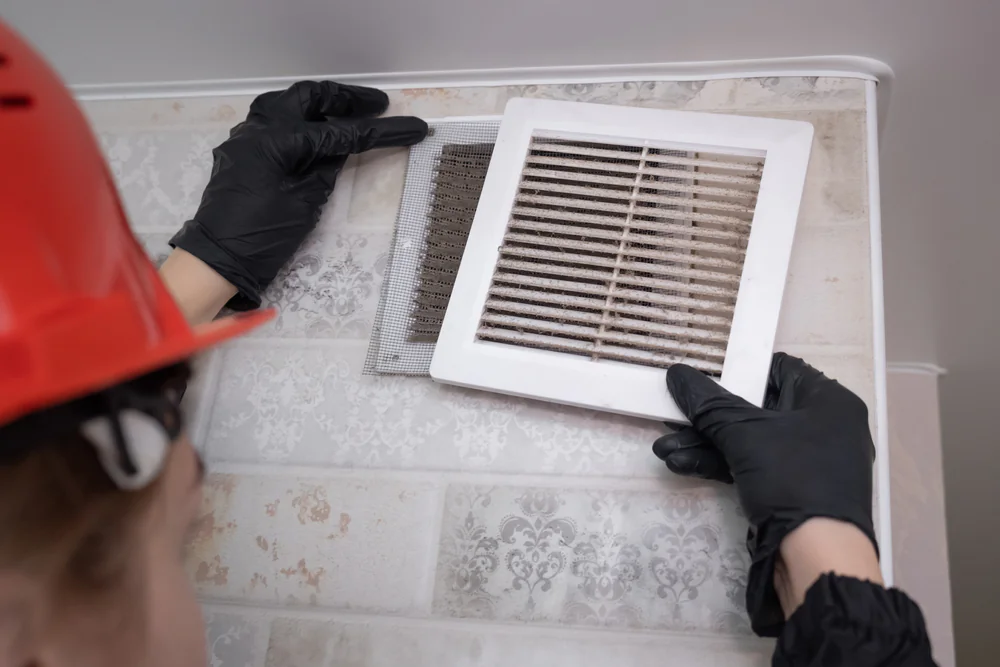
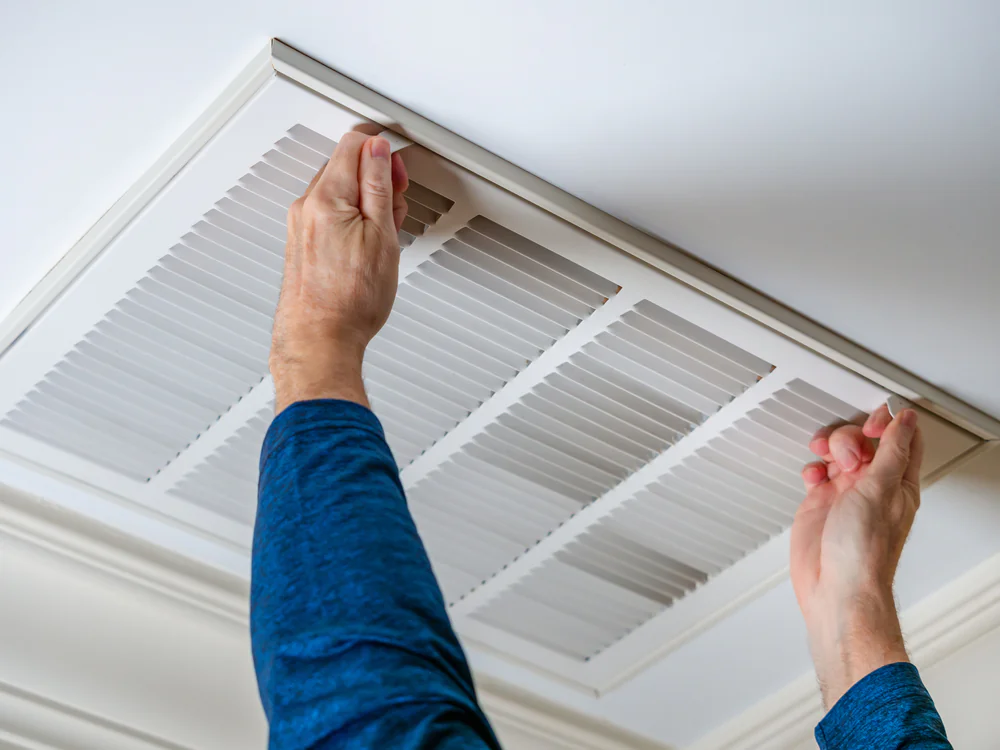
Visible dust around your vents is one of the most obvious signs. If you see a puff of dust when your system starts up, or if your vent covers are coated in a layer of grime, that’s dust coming directly from inside your ducts. Clean systems don’t blow visible dust into your living spaces.
Another telltale sign is how often you’re dusting your home. If you’re wiping down surfaces every few days and they’re still covered in dust, your ducts are likely redistributing that dust faster than you can clean it up. It’s a frustrating cycle that professional duct cleaning can break.
Uneven temperatures throughout your home can also point to duct issues. When some rooms are too hot or too cold no matter what you do with the thermostat, blocked or leaky ductwork is often the reason. Restricted airflow means certain areas aren’t getting the conditioned air they need.
When Mold, Odors, or Pests Indicate Serious Duct Problems
Some signs of dirty ducts go beyond dust and point to more serious issues that need immediate attention.
Musty odors that appear when your system runs often indicate mold growth somewhere in your ductwork. In humid climates like San Antonio, TX, HVAC systems can develop condensation, creating the perfect environment for mold to thrive. You might not be able to see it—mold often grows in areas that aren’t easily accessible—but you can usually smell it.
Mold in your ductwork isn’t just unpleasant. It’s a health concern. Every time your system runs, it can spread mold spores throughout your home, triggering allergies, exacerbating asthma, and causing respiratory problems. If you spot visible mold around vent covers or notice a persistent musty smell, professional cleaning and remediation should be a priority.
Pest infestations are another serious red flag. Rodents and insects love the warm, dark environment that ductwork provides. If you’re seeing droppings near vents, hearing scratching noises, or noticing unpleasant smells that could indicate vermin, your ducts need more than just cleaning—they need a thorough inspection and potentially repairs.
Pest infestations bring their own set of problems. Droppings, dander, bacteria, and viruses from rodents can cause serious health issues. Even after the pests are gone, their remnants stay in your ductwork, circulating through your home until they’re professionally removed.
Unusual odors in general—whether from pets, cooking, paint fumes, or tobacco smoke—can settle into ductwork and linger for months. These smells get trapped in the accumulated dust and debris, then released back into your home every time the system runs. Professional duct cleaning can eliminate these odors at the source rather than just masking them with air fresheners.
If you’ve recently completed any construction or remodeling work, duct cleaning should be on your to-do list. Even when contractors are careful about containing dust, construction debris has a way of finding its way into ductwork. Drywall dust, sawdust, and other fine particles get sucked into the system and coat the inside of your ducts. Unless your HVAC system was completely covered and turned off during the entire project—which is rarely practical—professional cleaning afterward is essential.
Understanding the Professional Air Duct Cleaning Process
Not all duct cleaning is created equal. Understanding what a proper cleaning involves helps you know what to expect and what questions to ask.
Professional duct cleaning starts with a thorough inspection. Our technicians assess your entire system to identify areas of heavy buildup, potential leaks, and any damage that might need repair. We use cameras to inspect deep into the ductwork where visual checks can’t reach.
The actual cleaning process uses specialized equipment designed specifically for HVAC systems. High-powered HEPA-filtered vacuums create negative pressure in your ductwork, preventing dust and debris from escaping into your home during the cleaning. These aren’t household vacuums—they’re truck-mounted or commercial-grade units with the suction power needed to pull contaminants from deep within your system.
We then use agitation tools—compressed air whips, rotating brushes, and other devices—to dislodge the buildup stuck to your duct walls. This loosened material gets pulled into the containment system by the powerful vacuum. The process covers all accessible components: supply ducts, return ducts, registers, grilles, diffusers, heat exchangers, cooling coils, drip pans, fan motors, and the air handling unit.
Proper duct cleaning also includes sealing any access points created during the process and ensuring your system is functioning correctly before the job is complete. We follow standards set by the National Air Duct Cleaners Association (NADCA), which provides guidelines for thorough, safe cleaning practices.
What you shouldn’t see during a legitimate duct cleaning: aggressive upselling, incomplete system cleaning (like only cleaning the main trunk lines and ignoring branches), or the use of harsh chemicals without proper explanation and your consent. If a company offers a price that seems too good to be true—like $99 for whole-house cleaning—it probably is. Those low-ball offers often lead to incomplete work or surprise charges once they’re in your home.
The entire process for a typical home usually takes three to five hours, depending on the size of your system and how much buildup has accumulated. Commercial systems take longer due to their size and complexity.
After cleaning, you should notice immediate improvements: better airflow from your vents, less dust settling on surfaces, reduced odors, and more consistent temperatures throughout your home. The long-term benefits—lower energy bills, extended HVAC lifespan, and improved indoor air quality—develop over the weeks and months following the service.
Maintaining Clean Ducts and Healthy Indoor Air Quality
Clean air ducts aren’t a one-and-done fix. They’re part of an ongoing approach to maintaining your home’s comfort, efficiency, and air quality.
Most experts recommend professional duct cleaning every three to five years for typical homes. If you have pets, live in an area with high pollen counts like San Antonio, TX, or have family members with allergies or respiratory conditions, more frequent cleaning might make sense. After major renovations, following pest infestations, or if you’ve recently moved into a home with no cleaning history, don’t wait—schedule an inspection.
Between professional cleanings, you can support your ductwork by changing your HVAC filters regularly, keeping vents and registers clear of furniture and debris, and addressing any moisture issues that could lead to mold growth. These simple steps help minimize the buildup that accumulates between cleanings.
If you’re dealing with rising energy bills, persistent dust, allergy symptoms that seem worse at home, or any of the other warning signs we’ve covered, it’s time to have your ductwork evaluated. We bring over 20 years of HVAC experience to San Antonio, Bexar County, and the surrounding areas, with certified technicians who understand both the technical and practical sides of keeping your system running efficiently. Our veteran-owned, customer-focused approach means you get honest answers and solutions tailored to what your home actually needs—not what someone’s trying to sell you.
Your ductwork is working every day, whether you’re thinking about it or not. Making sure it’s clean and functioning properly isn’t just about comfort—it’s about protecting your investment, your health, and your peace of mind.