Summary:
Understanding Heating Services in Bexar County
Heating services cover more than just fixing broken furnaces. They include everything from preventive maintenance to emergency repairs, new installations, and system replacements. The goal is keeping your home comfortable while your equipment runs efficiently and safely.
Most homes in Bexar County, TX rely on furnaces or heat pumps. Both need regular attention to perform well and last their full lifespan. Complete heating service means inspecting all components, cleaning critical parts, testing for proper operation, and catching potential problems before they turn into expensive emergencies.
This isn’t about keeping a system limping along. It’s about making sure your home stays comfortable, your energy bills stay reasonable, and your equipment doesn’t nickel-and-dime you with constant repairs.
Emergency heating repair when your system fails
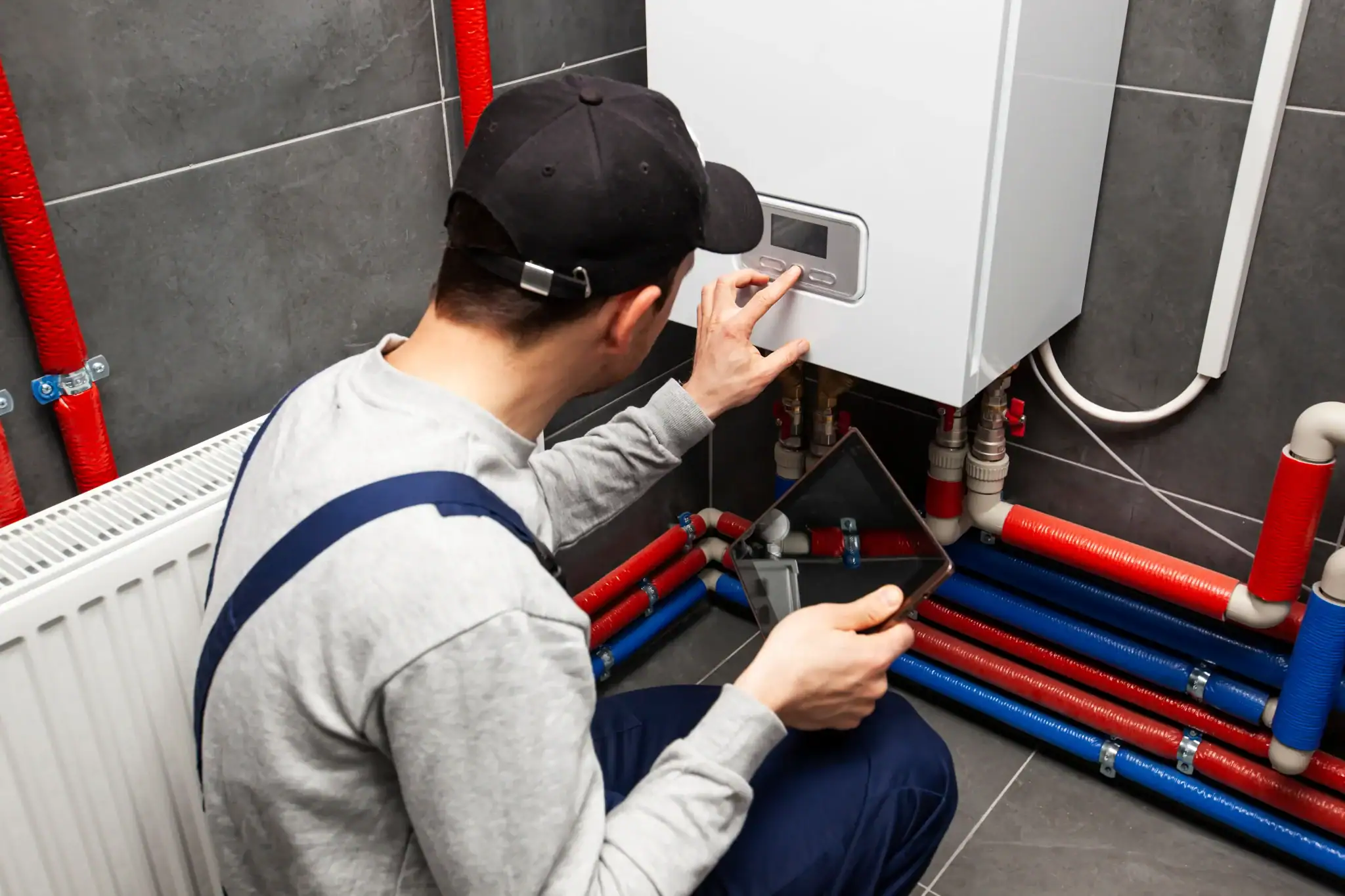
Your furnace doesn’t care that it’s 2 AM when it decides to quit. Emergency heating repair exists because system failures ignore business hours. When temperatures drop into the 30s or below, going without heat risks your home and your family’s safety.
Furnace problems usually show warning signs before complete failure. Uneven heating—where some rooms stay warm while others feel like ice boxes—often points to airflow issues or failing components. Strange noises like banging, rattling, or grinding mean something inside isn’t working right. Short cycling, when your system turns on and off repeatedly without reaching the set temperature, wears out parts fast and wastes energy.
Burning smells beyond the normal dusty odor when you first fire up heat for the season need immediate attention. Gas odors signal danger requiring professional help right away. Your energy bill jumping significantly without changes in usage often means your furnace is working harder than it should to produce the same heat.
Emergency heating repair searches spike during cold snaps for good reason. When your heat stops working overnight or on weekends during freezing weather, that’s an emergency. If you notice declining performance but still have some heat, scheduling regular service makes more sense than waiting for complete failure.
Professional furnace service providers address both immediate problems and underlying causes. A furnace that won’t start might have failed ignition, a tripped safety switch, or electrical problems. Blowing cold air instead of heat could stem from thermostat issues, pilot light problems, or more complex internal failures. Quick fixes might restore heat temporarily, but thorough diagnostics and proper repairs keep your system running reliably through the entire season.
Our 24/7 emergency response means you’re never left in the cold. With over 20 years of experience serving Bexar County, we diagnose problems accurately and carry the parts needed to fix most issues on the first visit.
Heat pump maintenance and repair services
Heat pumps work differently than furnaces but need just as much attention. Instead of generating heat by burning fuel, they transfer heat from outside air into your home. This makes them incredibly efficient in moderate temperatures—which describes most of Bexar County’s winter weather.
That efficiency disappears when heat pumps aren’t maintained. Dirty coils, low refrigerant, or failing components force the system to work harder and use more energy. Regular heat pump maintenance keeps systems operating at peak efficiency, directly impacting your monthly utility costs.
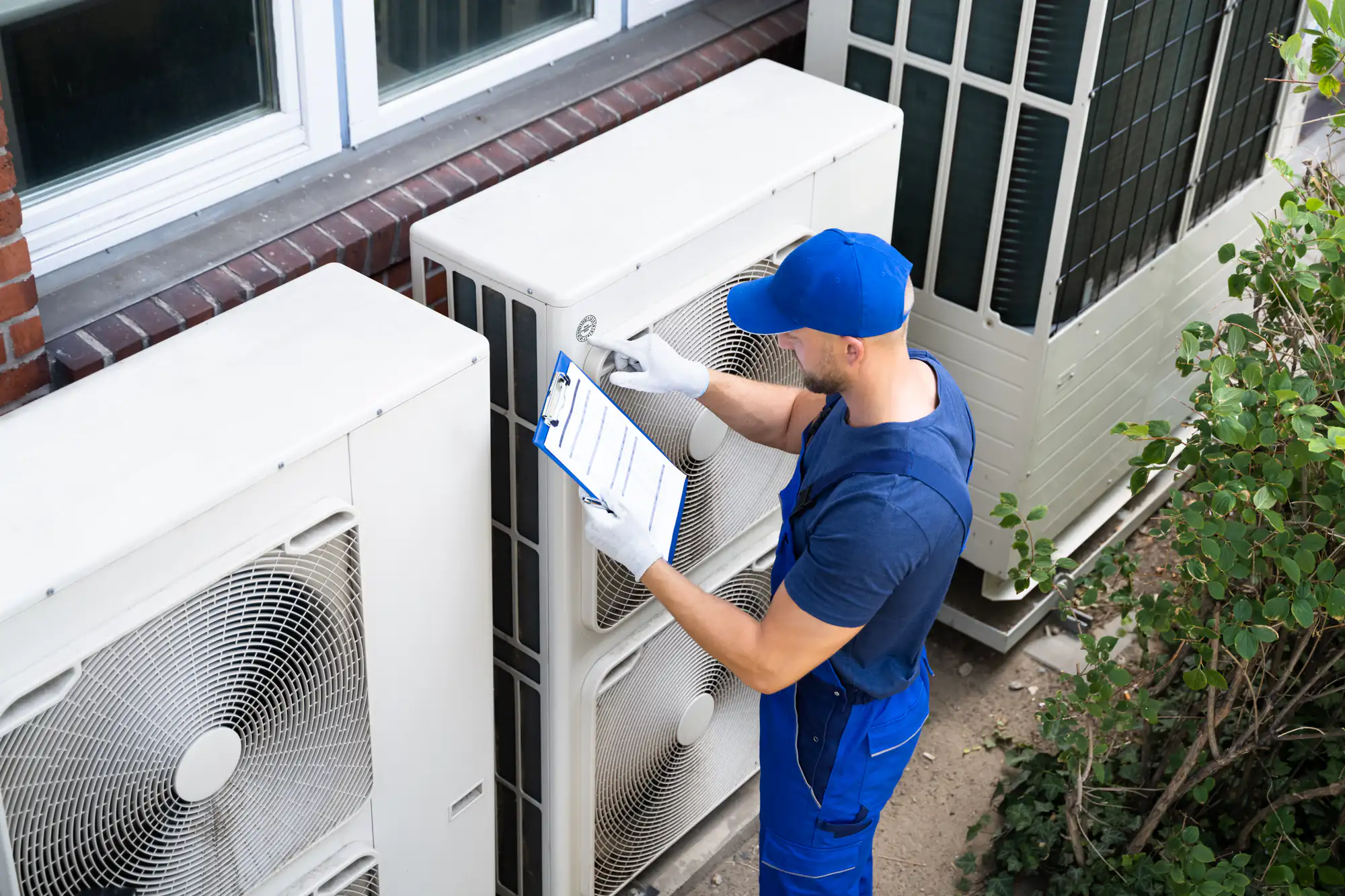
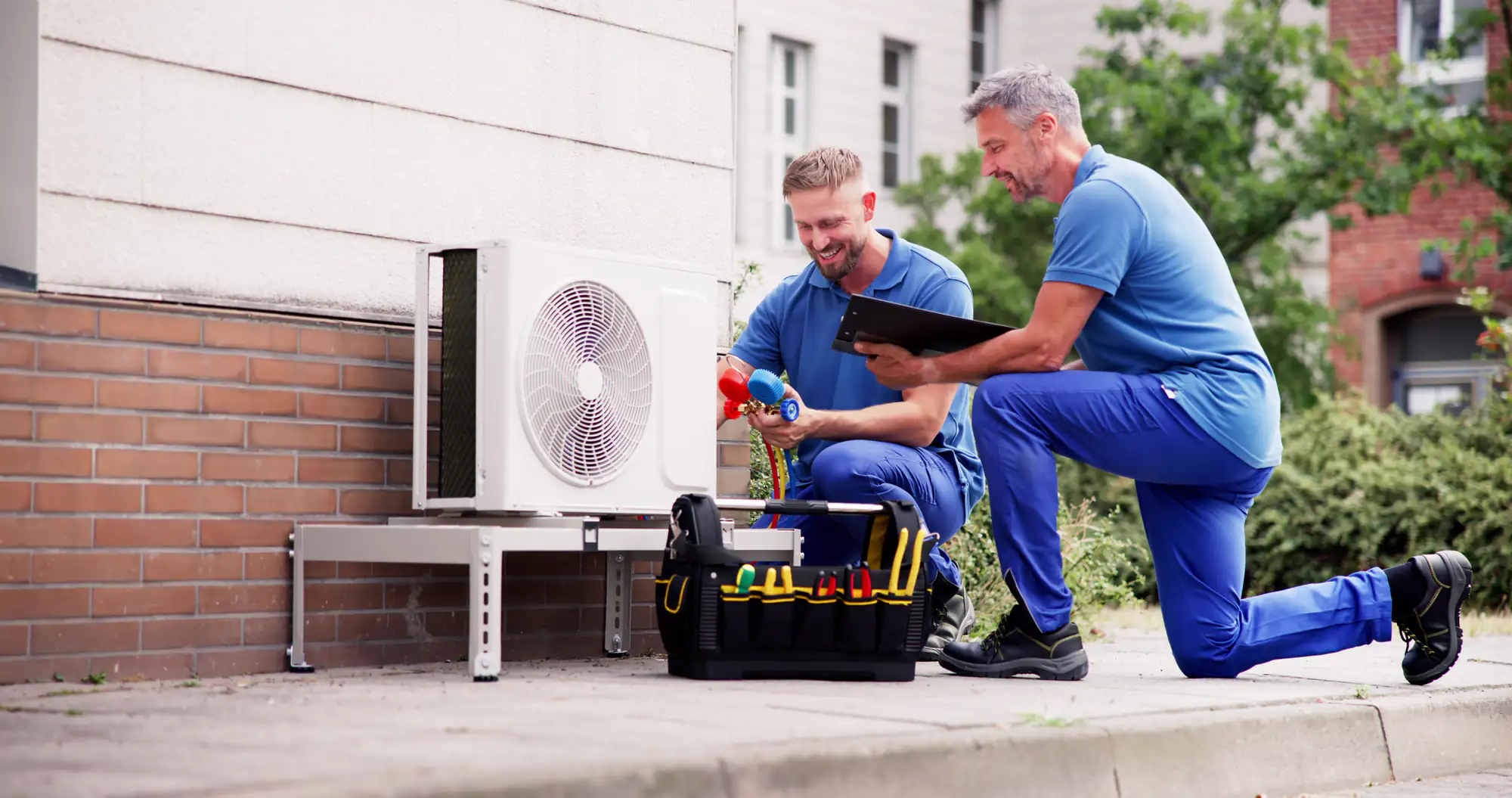
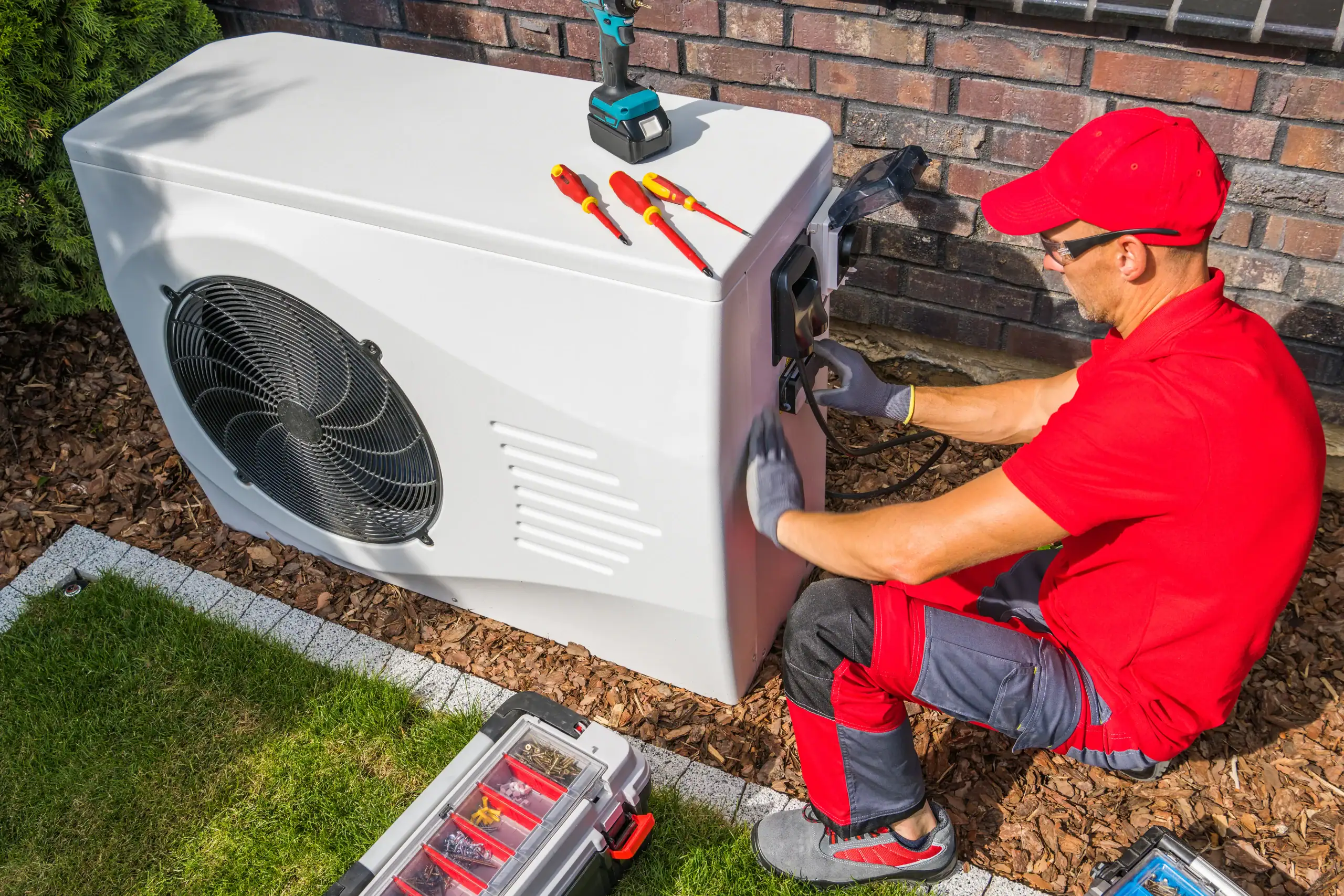
Professional maintenance includes checking refrigerant levels and looking for leaks, cleaning indoor and outdoor coils, inspecting and tightening electrical connections, testing the reversing valve that switches between heating and cooling, and verifying proper airflow. The outdoor unit needs special attention since it sits exposed to weather, debris, and temperature extremes year-round.
One advantage in Texas: heat pumps provide both heating and cooling. You’re maintaining one system instead of separate equipment. Problems with your heat pump affect comfort regardless of season, making reliable service even more important.
Heat pumps perform best with twice-yearly service—before summer and before winter. This catches small issues before they become major problems and ensures your system is ready when you need it most. Strange noises, reduced airflow, ice buildup on the outdoor unit, or the system running constantly without reaching your set temperature all signal issues needing professional attention.
Texas’s mild winters create ideal conditions for heat pumps. Temperatures rarely drop low enough to significantly impact efficiency. When occasional cold snaps hit, modern heat pumps handle them better than older models. Some systems include backup heating elements for extreme cold, ensuring comfort even when temperatures dip into the teens.
Heating System Installation and Replacement
Installing or replacing a heating system represents a significant investment in your home’s comfort and efficiency. The decision involves understanding your home’s specific needs, your budget, and how different systems perform in Bexar County’s climate.
Furnaces typically last 15 to 20 years with proper maintenance. Heat pumps run 10 to 15 years. As systems age, they lose efficiency and need more frequent repairs. When repair costs approach half the replacement price, or your system needs its third or fourth repair in a year, replacement usually makes better financial sense.
Proper sizing is critical for heating system installation. Oversized systems cycle on and off too frequently, wasting energy and wearing out faster. Undersized systems run constantly, struggling to maintain temperature and driving up utility bills. Professional load calculations based on your home’s square footage, insulation, windows, and other factors determine the right size for your situation.
Choosing between furnaces and heat pumps in Texas
The furnace versus heat pump decision depends on your specific situation. Both work well in Bexar County, TX, but they have different strengths.
Furnaces generate heat by burning natural gas or propane. They produce consistent, powerful heat regardless of outdoor temperature. When temperatures drop into the 20s—which happens occasionally in San Antonio—furnaces maintain efficiency and heating capacity. They heat homes quickly, which some prefer on cold mornings. Gas furnaces typically cost less to operate than electric heat pumps when natural gas prices are reasonable.
Heat pumps transfer heat rather than generating it, making them extremely efficient in moderate temperatures. For most of Bexar County’s winter, when temperatures stay between 30 and 50 degrees, heat pumps use significantly less energy. They also provide cooling in summer, eliminating the need for separate air conditioning. This dual functionality means installing and maintaining one system instead of two.
Heat pump efficiency decreases as outdoor temperatures drop. Below 40 degrees, they work harder to extract heat from cold air. However, since Bexar County rarely experiences extended freezing weather, this doesn’t significantly impact annual operating costs for most homes.
Installation costs differ. Basic furnace installations typically start around $4,500, while heat pump installations start around $6,500. Heat pump prices include both heating and cooling capability, while furnace prices don’t include air conditioning. When comparing total system costs, the difference narrows.
Your home’s existing infrastructure matters. If you have natural gas service and ductwork, furnace installation might be straightforward. Adding gas lines to homes without service can cost $1,500 or more. Heat pumps run on electricity, making them practical for homes without gas service.
Energy efficiency ratings help compare systems. Furnaces use AFUE ratings, with modern units ranging from 80% to 98% efficient. Heat pumps use HSPF for heating and SEER for cooling. Higher numbers mean better efficiency and lower operating costs, though more efficient units cost more upfront.
Some homeowners choose dual-fuel systems combining a heat pump with gas furnace backup. The system automatically switches based on outdoor temperature and efficiency calculations. This maximizes efficiency during mild weather while ensuring reliable heat during rare extreme cold. Dual-fuel systems cost more initially but offer the best of both technologies for Texas’s variable climate.
What professional heating installation includes
Professional heating system installation involves more than swapping equipment. The process starts with thorough assessment of your home’s heating needs, existing infrastructure, and any modifications required for optimal performance.
Load calculations determine the right size equipment for your home. These consider square footage, insulation levels, windows, ceiling height, and local climate. Proper sizing ensures your new system operates efficiently without short cycling or struggling to maintain temperature.
Installation typically requires four to eight hours for most residential systems, depending on home size and complexity. Larger homes or installations requiring ductwork modifications may take longer. We remove old equipment, make necessary modifications, install the new system, connect all electrical and fuel lines, test thoroughly, and verify proper operation.
Quality installation matters as much as quality equipment. Improper installation can reduce system efficiency by 30% or more, even with high-efficiency equipment. Ductwork that’s poorly sealed or sized incorrectly wastes energy and reduces comfort. Professional installation ensures your system performs as designed and lasts as long as it should.
After installation, we walk you through system operation, explain thermostat settings, discuss maintenance requirements, and answer questions. We provide warranty information and contact details for future service needs.
Most quality installations include warranties covering parts and labor. Manufacturer warranties typically cover parts for 5 to 10 years, while installation warranties cover labor for 1 to 5 years. Understanding warranty terms helps you know what’s covered if problems arise.
New heating systems often qualify for rebates or tax credits. Federal tax credits, local utility rebates, and manufacturer promotions can offset installation costs. We stay current on available incentives and help you take advantage of programs you qualify for, significantly reducing your net investment.
Maintaining Your Heating System for Reliable Performance
Reliable heating doesn’t happen by accident. It comes from consistent maintenance, addressing problems early, and working with technicians who prioritize your comfort over their commission. When your system receives proper care, it runs efficiently, costs less to operate, and lasts longer without constant repairs.
Fall maintenance before winter catches potential problems while you still have time to address them on your schedule instead of during an emergency. Professional service includes inspecting all components, cleaning critical parts, testing safety systems, and verifying proper operation. This preventive approach costs far less than emergency repairs.
Your heating system works hard to keep your home comfortable during unpredictable Texas winters. Whether you need routine maintenance, emergency repairs, or complete system replacement, choosing the right service provider makes all the difference. We bring -owned reliability, over 20 years of experience, honest pricing, and 24/7 availability to every service call in San Antonio, Houston, and Austin. When your heating system needs attention, our certified technicians show up prepared, diagnose problems accurately, and fix them right the first time.