Summary:
Why Proper AC Sizing Matters More Than You Think
Most people assume bigger is better when it comes to air conditioning. It’s not. An oversized system cools your home too fast, shuts off before it can remove humidity, and cycles on and off all day—which wears it out faster and leaves your house feeling clammy. An undersized system runs constantly, never quite catches up, and sends your energy bill through the roof.
The right size AC is based on way more than square footage. Your home’s insulation, ceiling height, window placement, and how much sun hits your house all play a role. A proper load calculation takes all of that into account and tells you exactly what size system your home needs to stay comfortable without wasting energy.
What Happens When Your AC Is Oversized
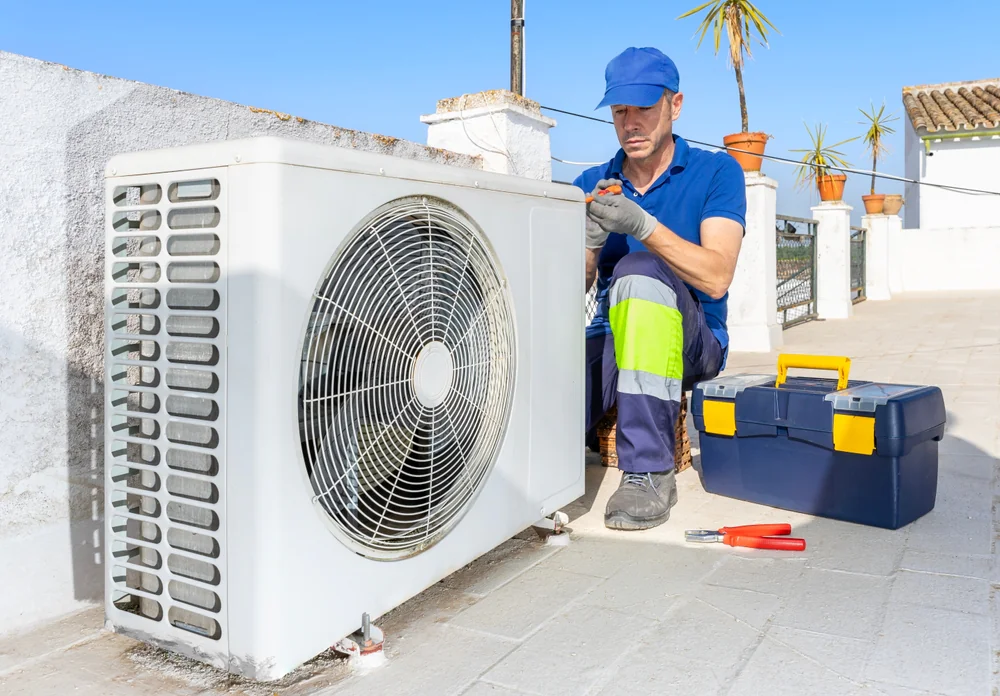
An oversized AC sounds like it would keep you cooler, but it actually creates more problems than it solves. Because it’s too powerful for your space, it cools the air quickly—then shuts off before it’s had time to pull moisture out of the air. That’s a problem in Texas, where humidity makes the heat feel even worse.
When your system short-cycles like this, it never runs long enough to do its full job. You end up with a house that feels cold but sticky. The constant on-and-off also puts serious wear on the compressor and other components, which means more repairs and a shorter lifespan for the system overall.
And here’s the kicker: all that starting and stopping uses more energy than a properly sized system that runs steady cycles. The startup phase is the most power-hungry part of the process. So even though the AC isn’t running as long, it’s costing you more every month. You’re paying more for worse performance.
On top of that, an oversized system won’t cool evenly. The rooms closest to the unit get blasted with cold air, while the farther rooms barely get anything. You end up with hot spots, cold spots, and no real comfort anywhere. It’s not a solution—it’s a headache.
What Happens When Your AC Is Undersized
An undersized AC has the opposite problem, but it’s just as frustrating. It runs nonstop trying to cool your home, but it never quite gets there—especially on the hottest days when you need it most. Your thermostat says 72, but your living room feels like 78, and the back bedrooms are even worse.
Because the system is constantly running, it’s working harder than it was designed to. That means more strain on every component, more frequent breakdowns, and a unit that wears out years before it should. You’ll be calling for repairs more often, and eventually, you’ll be replacing the whole system sooner than you planned.
The energy waste is brutal, too. A system that never shuts off is a system that’s always pulling power. Your electricity bill climbs month after month, and you’re still not comfortable. It’s the worst of both worlds—high costs and poor performance.
And if your home has any insulation issues, leaky windows, or poor airflow, an undersized system will struggle even more. It’s fighting a losing battle from day one, and you’re the one paying for it. The only real fix is replacing it with a properly sized unit that can actually handle the load.
Understanding SEER Ratings and Energy Efficiency
SEER stands for Seasonal Energy Efficiency Ratio, and it’s one of the most important numbers to look at when you’re choosing a new AC. The higher the SEER rating, the more efficient the system is—which means lower energy bills and better performance over time. In Texas, new systems are required to meet a minimum SEER2 rating of 15, but you can go higher if you want even more savings.
A higher SEER rating costs more upfront, but it pays you back over the life of the system. If you’re planning to stay in your home for more than a few years, the energy savings add up fast. And in a climate like Bexar County, where your AC runs hard for months at a time, efficiency isn’t optional—it’s essential.
How SEER2 Ratings Impact Your Monthly Bills
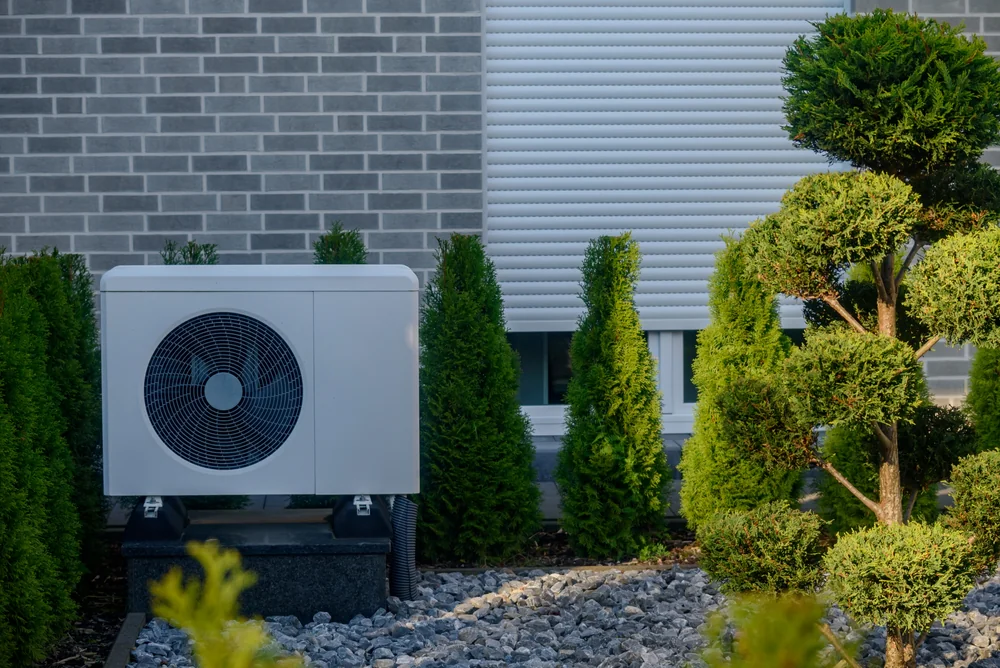
The difference between a 15 SEER2 system and a 20 SEER2 system might not sound like much, but it shows up in your utility bill every single month. A more efficient system uses less electricity to produce the same amount of cooling, which means lower costs without sacrificing comfort.
For Texas homeowners, where AC units run nearly year-round, those savings compound quickly. Over the lifespan of the system—typically 15 to 20 years—the difference in energy costs can more than cover the higher upfront price of a more efficient unit. It’s not just about saving a few bucks here and there. It’s about reducing the long-term cost of keeping your home comfortable.
Higher SEER ratings also mean the system is better equipped to handle extreme heat without overworking itself. That translates to fewer repairs, better reliability, and a longer lifespan overall. You’re not just buying efficiency—you’re buying peace of mind.
And if you’re considering rebates or financing, a higher-efficiency system may qualify you for additional incentives. Federal programs and local utility companies often offer rebates for energy-efficient installations, which can offset some of the upfront cost. It’s worth asking about before you make a final decision.
Best AC Types for Hot Texas Climates
Not all AC systems are built the same, and some handle Texas heat better than others. Central air conditioning is the most common choice for homes in Bexar County because it cools the entire house evenly and works well with existing ductwork. If your ducts are in good shape, a high-efficiency central AC is usually the most reliable option.
Heat pumps are another solid choice, especially if you want a system that can handle both heating and cooling. They’re more efficient than traditional systems because they move heat instead of generating it, and they work well in moderate climates like San Antonio. If you’re looking for year-round comfort and lower energy bills, a heat pump is worth considering.
Ductless mini-split systems are ideal if you don’t have ductwork or if you want to cool specific areas without running the whole system. They’re efficient, quiet, and give you more control over which rooms get cooled. They’re also a good option for additions, garages, or older homes where installing ducts isn’t practical.
No matter which type you choose, the key is making sure it’s properly sized and professionally installed. The best system in the world won’t perform well if it’s the wrong size for your home or if it’s installed incorrectly. That’s where working with an experienced HVAC company makes all the difference.
Why Professional Installation Matters
You can buy the most efficient, perfectly sized AC on the market, but if it’s not installed correctly, none of that matters. Professional installation ensures your system is set up to perform the way it’s supposed to—efficiently, reliably, and safely. That means proper electrical connections, correct refrigerant levels, sealed ductwork, and thorough testing before the job is done.
A professional installer also makes sure your system meets local building codes and manufacturer requirements, which protects your warranty and keeps you covered if something goes wrong. DIY installations or hiring an unlicensed contractor might save you money upfront, but it almost always costs you more in the long run through poor performance, voided warranties, and expensive repairs. When it comes to AC installation in Bexar County, TX, working with certified technicians is the only way to ensure you’re getting what you paid for. We have the experience and expertise to get it done right the first time, so you can count on your system to keep you comfortable when it matters most.