Summary:
Why Winter HVAC Prep Matters in Bexar County, TX
You might think winter prep is overkill for a place like San Antonio. After all, we’re not exactly Minnesota. But here’s the thing—Texas winters are unpredictable, and that’s exactly why preparation matters.
When temperatures drop fast, heating systems that haven’t been touched in months suddenly have to work overtime. If there’s a problem lurking—a cracked heat exchanger, a clogged filter, a faulty thermostat—you won’t know until you’re sitting in a cold house at 2 a.m. And emergency service calls in the middle of winter? They’re expensive and inconvenient.
Professional heating prep catches those issues before they become emergencies. It keeps your system running efficiently, lowers your energy bills, and gives you peace of mind knowing your family won’t be left in the cold. That’s the real value of a residential heating tune-up done right.
What Professional Furnace Maintenance Near Me Includes
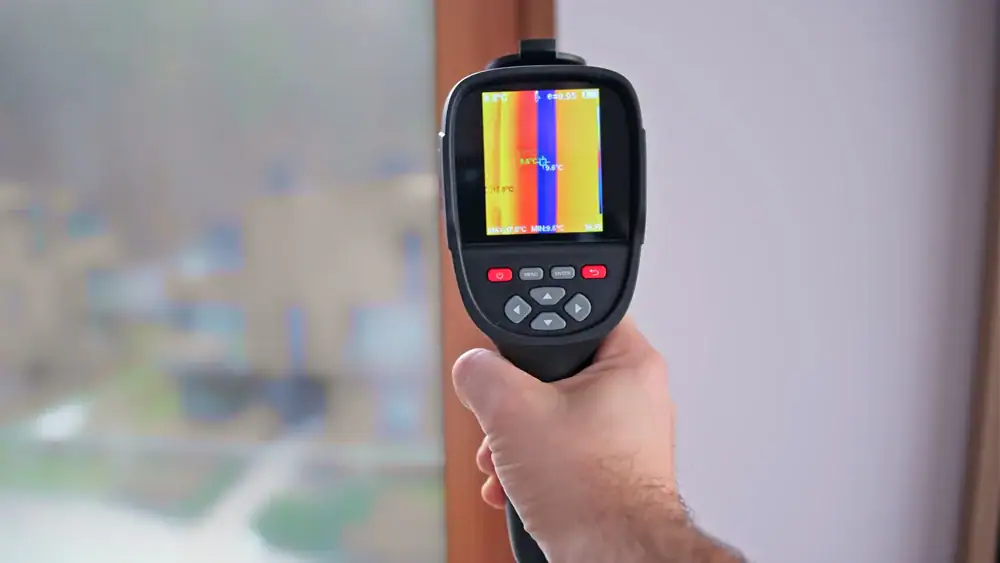
A professional heating inspection isn’t just someone glancing at your furnace and calling it good. It’s a thorough safety and performance check that covers the parts you can’t see and the risks you might not know about.
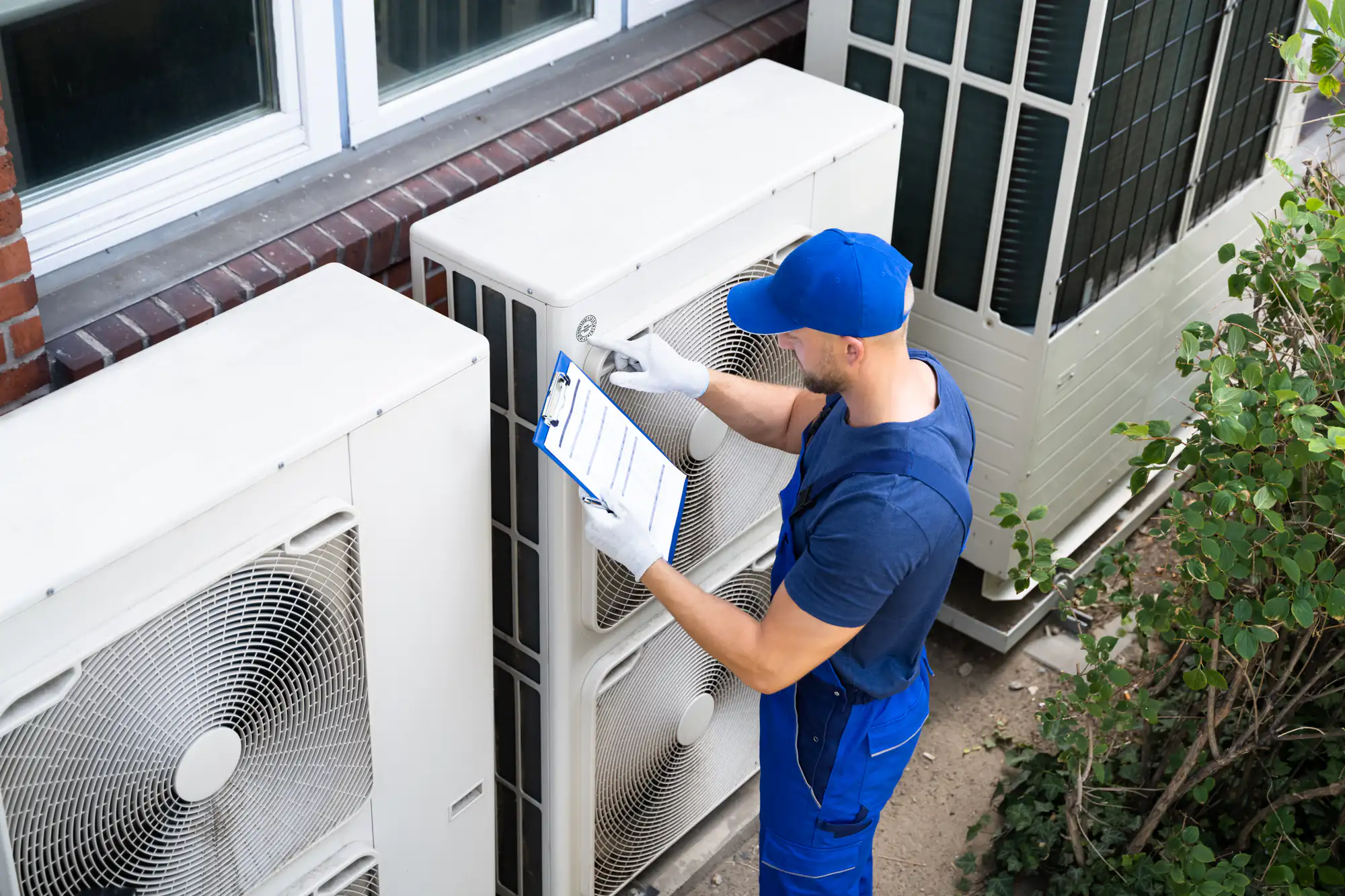
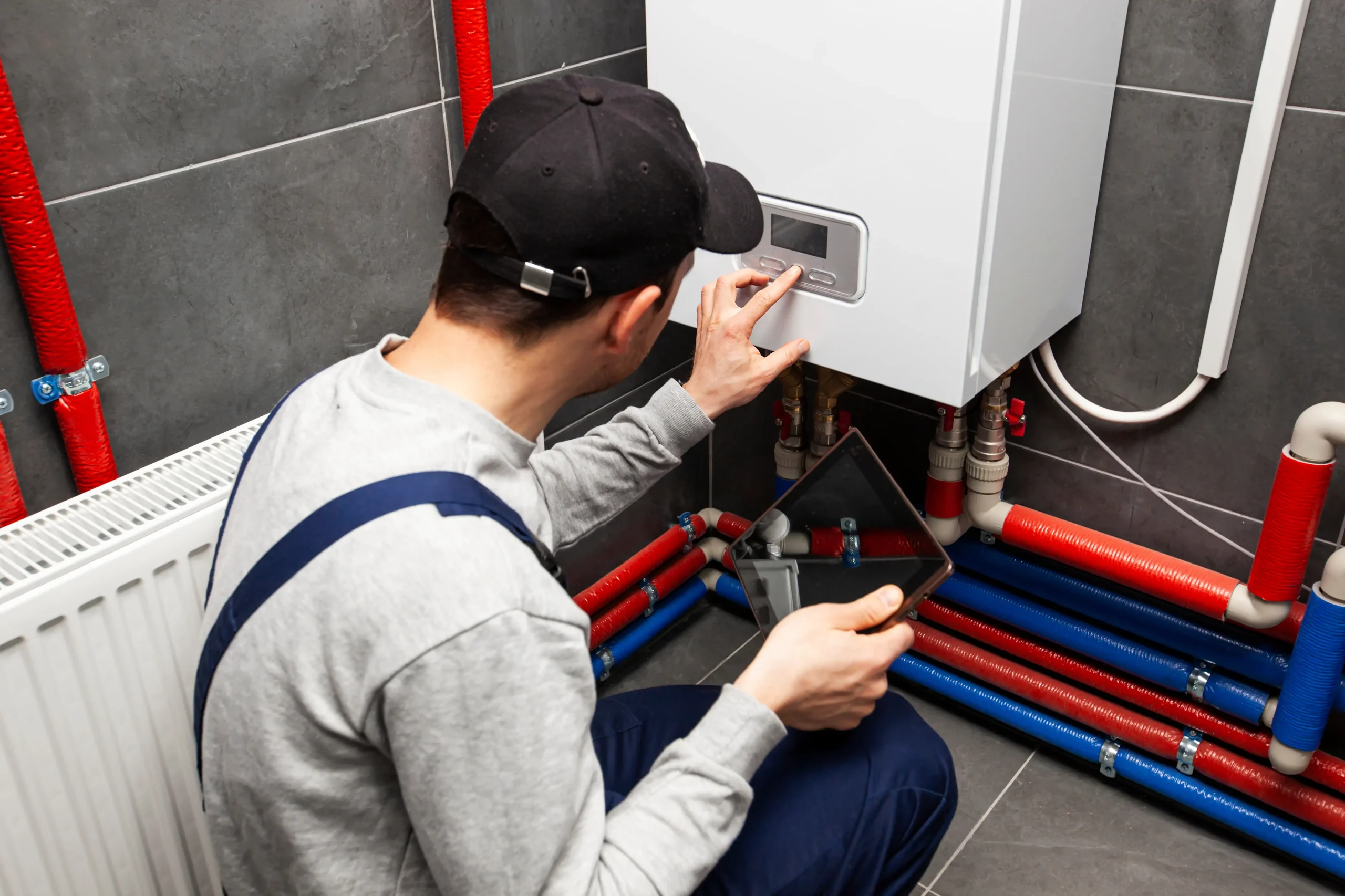
We start by examining your furnace or heat pump’s major components. We’re looking for wear and tear, checking electrical connections, and making sure everything’s firing correctly. For gas furnaces, that means inspecting the burners, heat exchanger, and ignition system. For heat pumps, it includes checking refrigerant levels and ensuring the outdoor unit is clear of debris.
One of the most critical parts? Carbon monoxide testing. A cracked heat exchanger or blocked flue can allow this colorless, odorless gas to seep into your home. It’s called the silent killer for a reason—you won’t know it’s there until someone gets sick. Professional inspections catch those cracks and blockages before they become life-threatening.
Your thermostat gets tested too. If it’s reading temperatures incorrectly or not communicating properly with your system, you’ll end up with uneven heating and wasted energy. We calibrate it, check the wiring, and make sure it’s doing its job.
Air filters get inspected and replaced if needed. A clogged filter doesn’t just hurt your air quality—it makes your system work harder, drives up your energy bills, and can cause the whole unit to overheat and shut down. This simple step is a cornerstone of heating system efficiency.
Ductwork gets checked for leaks too. If warm air is escaping into your attic or crawl space instead of heating your rooms, you’re literally paying to heat spaces you don’t use. Sealing those leaks can improve efficiency by up to 20%.
At the end of the inspection, you’ll get a clear picture of your system’s condition. If something needs attention, you’ll know about it before it turns into a bigger problem. And if everything checks out? You can relax knowing your heating system is ready for whatever winter brings.
How Often You Need a Residential Heating Tune-Up
Once a year. That’s the baseline. Fall is the ideal time—before you actually need your heat—but late summer works too if you want to beat the rush.
Here’s why annual maintenance matters. Every year your system goes without professional attention, it loses efficiency. We’re talking about 5% or more. That inefficiency shows up on your energy bill, and it puts extra strain on components that are already working hard. Over time, that strain leads to breakdowns.
Annual tune-ups catch the small stuff before it becomes expensive. A worn belt, a dirty blower motor, a thermostat that’s slightly off—these are easy fixes when you catch them early. Wait until something fails in the middle of January, and you’re looking at emergency service fees, longer wait times, and a much bigger repair bill.
There’s another reason to stay on schedule: your warranty. Most manufacturers require proof of regular maintenance to honor warranty claims. Skip your annual service, and you might be on the hook for a repair that should have been covered. Many homeowners find that furnace service plans make it easier to stay on track with yearly maintenance while protecting their investment.
If your system is older—say, 10 years or more—or if you’ve noticed any performance issues like strange noises, uneven heating, or higher-than-usual energy bills, don’t wait for your annual checkup. Get it looked at now. Older systems need more attention, and catching problems early can add years to their lifespan.
And if you’ve recently had a power outage or a storm, it’s worth having us take a look. Electrical surges can damage components in ways that aren’t immediately obvious. Better to catch that damage now than deal with a full system failure later.
Bottom line: one inspection a year keeps your heating system reliable, efficient, and safe. It’s a small investment that pays off in lower energy bills, fewer repairs, and the confidence that your system will work when you need it most.
Preparing Furnaces and Heat Pumps for Cold Weather
Furnaces and heat pumps handle winter differently, but both need attention before the cold hits. Skipping prep work means you’re gambling on equipment that’s been sitting idle for months—and that’s a gamble you don’t want to lose.
For furnaces, the focus is on combustion safety and airflow. Gas furnaces burn fuel to create heat, which means there’s always a risk if something’s not working right. Heat pumps, on the other hand, transfer heat rather than generate it, so the concerns are more about efficiency and refrigerant levels.
No matter which system you have, the goal is the same: make sure it’s clean, safe, and ready to run efficiently all winter long. These winter HVAC prep tips will help you avoid the most common problems homeowners face.
Furnace Safety Inspection and Maintenance Steps
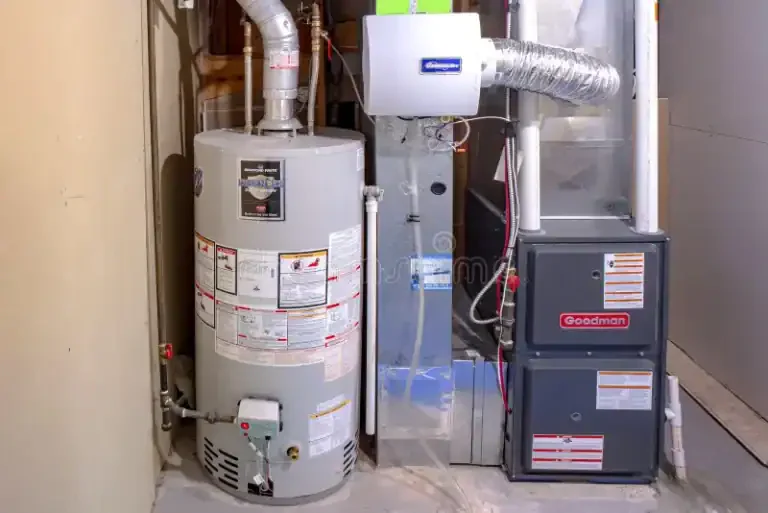
Your furnace has been off all summer. Dust has settled. Components have sat idle. And now you’re asking it to fire up and keep your home warm for the next few months. Here’s what needs to happen to make sure it’s up to the task.
Start with the air filter. If it’s dirty, replace it. A clogged filter restricts airflow, which makes your furnace work harder and can cause it to overheat. During heating season, check your filter every month. If you have pets or live in a dusty area, you might need to change it even more often.
Next, check your thermostat. Make sure it’s set to “heat” mode—sounds obvious, but it’s easy to forget. Test it by turning up the temperature a few degrees and listening for the furnace to kick on. If it doesn’t respond, you might have a wiring issue or dead batteries.
Inspect the area around your furnace. Make sure there’s nothing blocking airflow—no boxes, no storage, no clutter. Your furnace needs space to breathe, and anything too close is a fire hazard.
Look at your vents and registers throughout the house. Are they open and unobstructed? Closing vents in unused rooms might seem like a good way to save energy, but it actually throws off your system’s balance and makes it work harder. Keep at least 80% of your vents open.
If you have a gas furnace, listen for unusual sounds when it starts up. A little noise is normal—especially that initial “whoosh” when the burners ignite. But banging, rattling, or squealing? That’s a sign something’s wrong. Same goes for smells. A dusty smell the first time you turn on your heat is normal. A burning smell that doesn’t go away, or anything that smells like gas? Shut it down and call us immediately.
Check your pilot light if you have one. It should burn blue. If it’s yellow or flickering, that could indicate incomplete combustion, which means carbon monoxide could be getting into your home. Don’t mess with it yourself—call us right away.
Finally, test your carbon monoxide detectors. These should be on every level of your home, especially near bedrooms. Press the test button and make sure they’re working. Replace the batteries if you haven’t in the past year. Carbon monoxide poisoning is preventable, but only if your detectors are actually functioning.
Heat Pump Installation Near Me and Winter Efficiency Tips
Heat pumps are popular in Texas because they do double duty—heating in winter, cooling in summer. But they need a different kind of prep than furnaces, and understanding how they work helps you keep them running efficiently. If you’re considering heat pump installation for your Bexar County, TX home, knowing how to maintain one properly will help you make an informed decision.
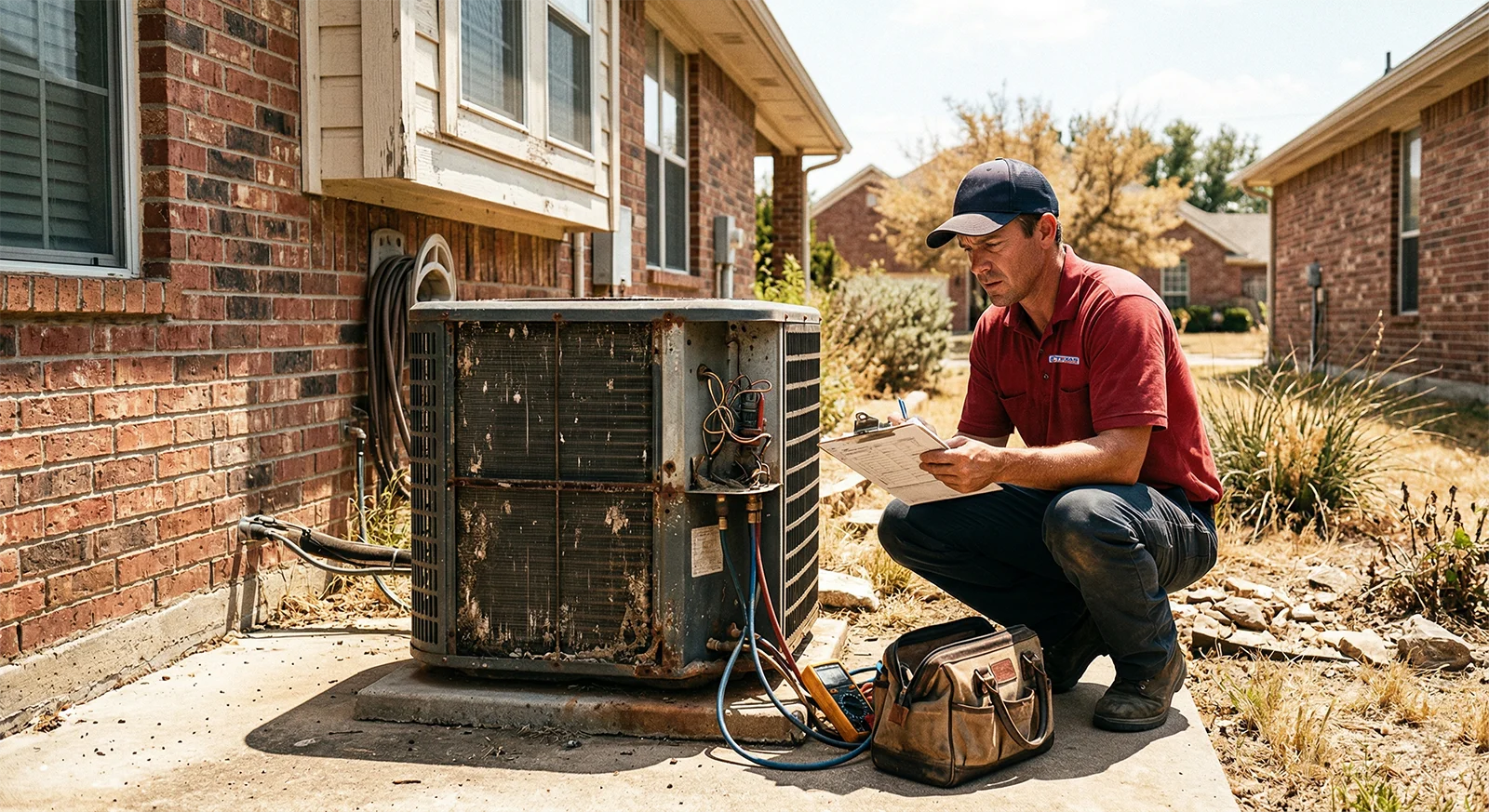
Start with the outdoor unit. Walk outside and take a look. Is it covered in leaves, grass clippings, or dirt? Clear all that away. The fins on the unit are delicate, so be gentle, but make sure airflow isn’t blocked. Even a thin layer of debris can reduce efficiency.
Trim back any bushes or plants within two feet of the unit. You need clearance for proper airflow. If you’ve got snow or ice buildup in winter—rare in San Antonio, but it happens—gently clear it away from the top and sides. Don’t worry about a little accumulation; heat pumps are designed to defrost themselves.
Check your indoor air filter just like you would with a furnace. Heat pumps rely on good airflow to transfer heat efficiently. A dirty filter makes the system work harder and costs you money.
Test your thermostat settings. Heat pumps work best when you set them and leave them alone. Unlike furnaces, constantly adjusting the temperature makes them less efficient. Find a comfortable setting—most experts recommend around 68°F when you’re home—and resist the urge to crank it up when it feels chilly. Heat pumps warm your home gradually, not with a blast of hot air like a furnace.
Listen for unusual sounds. A heat pump will make some noise—especially when it goes into defrost mode—but grinding, squealing, or banging isn’t normal. Same with performance issues. If your heat pump is running constantly but your house isn’t warming up, or if you’re seeing ice buildup that doesn’t melt, something’s wrong.
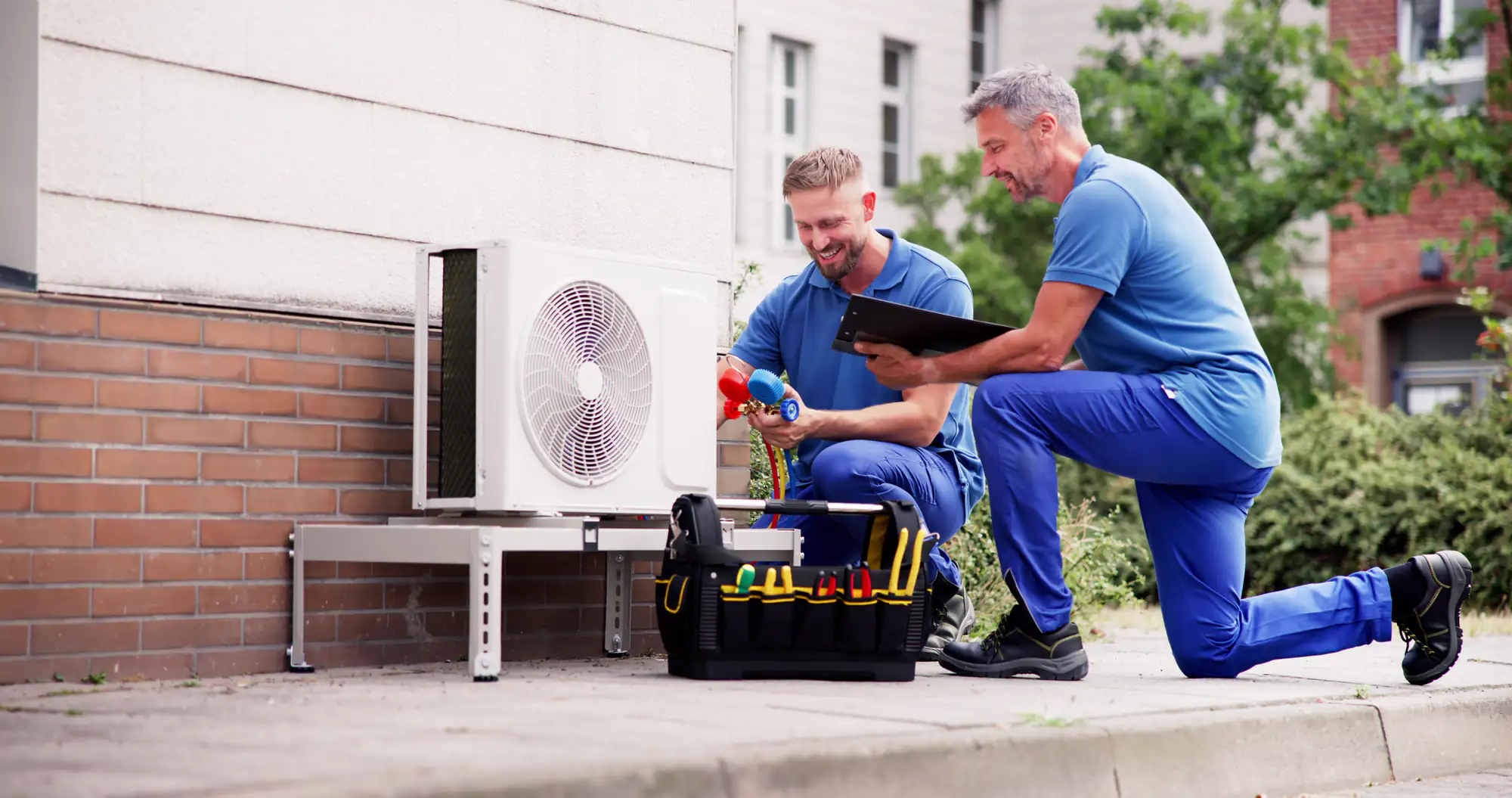
Schedule a professional tune-up if you haven’t already. We’ll check refrigerant levels, inspect electrical connections, clean the coils, and make sure the reversing valve (the part that switches between heating and cooling) is working correctly. Low refrigerant or a faulty valve can kill your heat pump’s efficiency and leave you with a system that struggles to keep up on cold days.
One more thing: if you have a backup heating source—like electric resistance coils—make sure you understand when it kicks in. Backup heat is expensive to run, so you want your heat pump doing most of the work. A properly maintained heat pump should handle most Texas winter days without needing backup.
Get Your Heating System Winter-Ready in Bexar County, TX
Texas winters might not be long, but they’re unpredictable enough to catch you off guard. Preparing your heating system before the cold hits isn’t just smart—it’s the difference between staying comfortable and scrambling for emergency repairs when you can least afford it.
Professional inspections catch problems early, keep your system running efficiently, and protect your family from safety hazards like carbon monoxide leaks. They also save you money by preventing breakdowns and lowering your energy bills through improved heating system efficiency. A little preparation now means fewer headaches later.
If your heating system hasn’t been serviced in the past year, don’t wait. Get it checked before the next cold front rolls through. We’ve been helping homeowners in Bexar County, TX stay comfortable for over 20 years, and we’re here to make sure your system is ready for whatever winter brings.