Summary:
Clogged Air Filters and Poor Airflow Issues
San Antonio’s high pollen counts and dust levels necessitate more frequent filter changes and coil cleaning than national averages. When filters get packed with debris, your system can’t breathe properly.
The result? Your AC works overtime trying to push air through the blockage. Dirty or clogged filters restrict airflow, reducing the system’s cooling capacity, making regular cleaning or replacement crucial for optimal performance. This extra strain leads to higher energy bills, frozen coils, and premature system failure.
Most San Antonio homes need filter changes monthly during heavy use seasons. Don’t wait for the recommended 90 days when your system runs constantly through our extended summers.
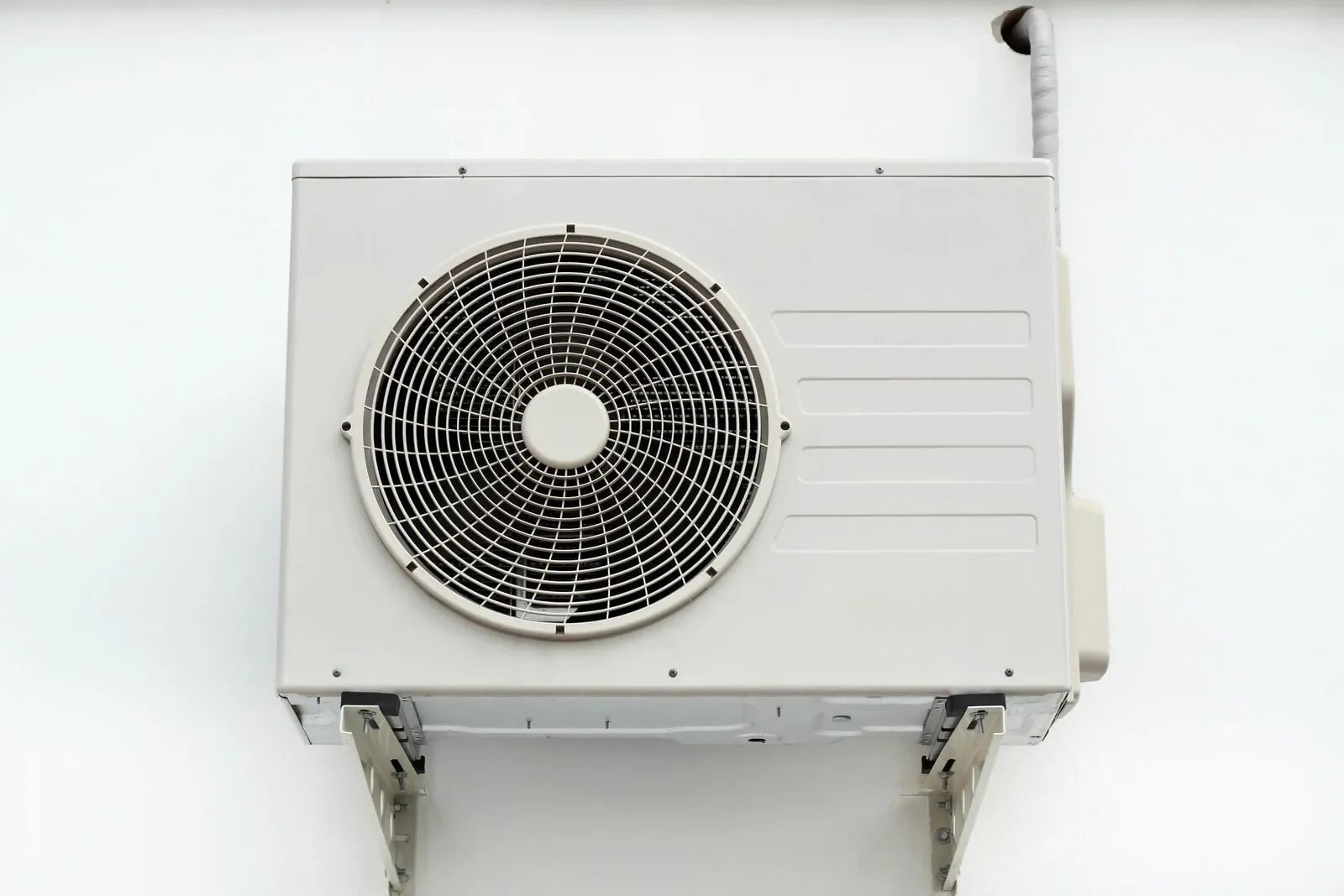
How Blocked Airflow Damages Your AC System
Poor airflow doesn’t just make you uncomfortable—it creates a cascade of expensive problems. When air can’t move freely through your system, several things happen simultaneously.
First, your evaporator coil gets too cold and starts freezing. In addition to insufficient airflow, your evaporator coil could freeze, requiring regular system cleaning at least a couple of times a year. Ice buildup blocks even more airflow, making the problem worse.
Second, your compressor has to work harder to maintain temperatures. This extra strain shortens its lifespan significantly. Constant operation puts overload on the unit, and over time, this increases the risk of overheating or complete failure, leading to expensive repairs or even complete compressor replacement.
Third, your energy bills skyrocket. Higher-than-normal energy bills often indicate dirty filters, duct leaks, or an aging system driving up costs. A clogged filter can increase your cooling costs by 15% or more during San Antonio’s peak summer months.
The fix is straightforward but critical: replace filters monthly during heavy use periods, keep vents open throughout your home, and schedule professional duct cleaning if you notice weak airflow even with clean filters. Your system will run more efficiently, last longer, and keep you more comfortable.
Signs Your AC Has Airflow Problems
Spotting airflow issues early can save you from major repairs. Here’s what to watch for in your San Antonio home.
Weak air coming from vents is the most obvious sign. Weak airflow from vents could indicate clogged filters or a malfunctioning fan. Hold your hand near each vent—you should feel strong, consistent airflow. If some rooms feel stuffy while others are comfortable, you likely have airflow restrictions.
Listen to your system. Your unit may be “breathing hard” or making extra noise, running slower or taking longer than normal to cool down your home to a comfortable temperature. Unusual sounds often indicate your system is struggling against restricted airflow.
Check for hot and cold spots throughout your home. Many Texas homeowners have trouble with inconsistent cooling, which may indicate a leak in your duct system or other airflow issues. If your thermostat reads 75°F but your bedroom feels like 80°F, airflow problems are likely the culprit.
Watch your energy bills closely. A sudden spike in cooling costs, especially when your usage patterns haven’t changed, often points to airflow restrictions forcing your system to work harder. A sudden spike in energy costs can signal that your HVAC system is working harder than usual due to inefficiency, often caused by clogged filters or mechanical issues.
Don’t ignore these warning signs. The sooner you address airflow problems, the less likely you are to face expensive compressor repairs or complete system replacement during San Antonio’s brutal summer heat.
Refrigerant Leaks and Low Refrigerant Levels
AC units in San Antonio are required to run for longer hours and more frequently to maintain cold temperatures, and this constant operation puts overload on the unit. This heavy usage makes refrigerant leaks one of our most common service calls.
Refrigerant essentially acts as the lifeblood that allows an air conditioner to function, cycling between condenser and evaporator coils, constantly heating and cooling to transfer heat and effectively cool your home. When refrigerant levels drop, your system can’t remove heat effectively, leading to poor cooling performance and potential compressor damage.
Unlike a car that you can simply “top off” with fluids, AC refrigerant operates in a closed system. If levels are low, there’s always a leak that needs professional repair.
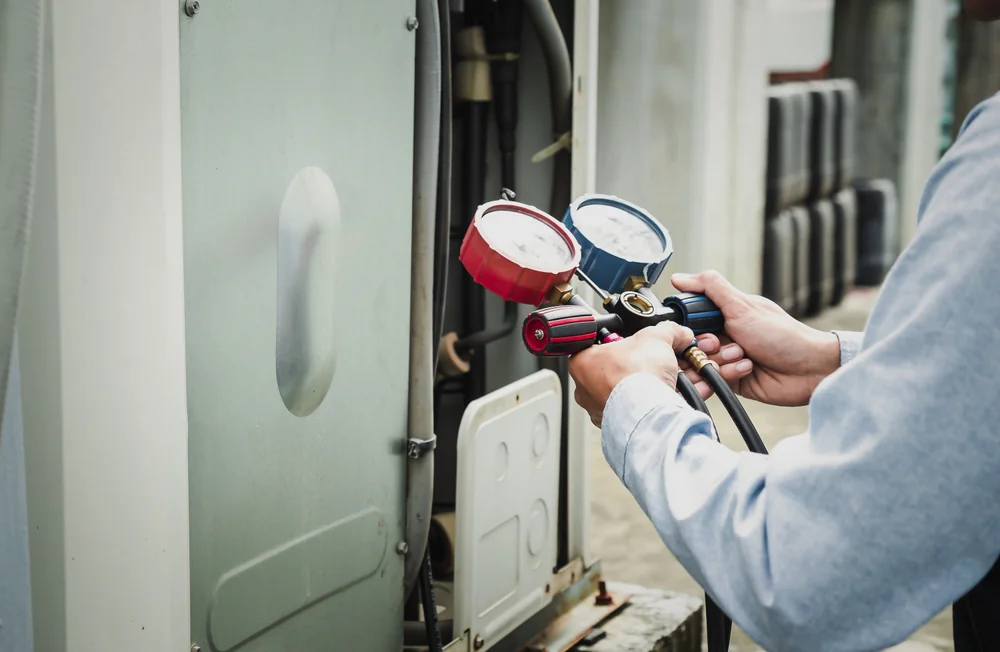
Why Refrigerant Problems Are Serious in San Antonio
Low refrigerant doesn’t just mean poor cooling—it threatens your entire system’s survival in our climate. Here’s why this problem demands immediate attention.
Your compressor is designed to compress refrigerant vapor, not air. When refrigerant levels drop, the compressor starts working with air instead, which doesn’t compress the same way. This causes the compressor to overheat and potentially seize up completely. Refrigerant leaks affect cooling capacity and can damage your system if not repaired promptly.
In San Antonio’s heat, a system with low refrigerant will run constantly trying to reach your set temperature. Even though electricity bills go higher during summers as your AC works all day, if costs spike higher than expected, this may indicate refrigerant leakage which overloads your unit. This non-stop operation puts tremendous stress on every component.
Ice formation is another serious concern. Low refrigerant causes your evaporator coil to get too cold, leading to ice buildup. If you notice water marks around your AC or if your AC starts spraying water, this may indicate frozen evaporator coils. Once ice forms, it blocks airflow and makes the cooling problem even worse.
The environmental factor matters too. The EPA continues phasing out R-22 refrigerant due to environmental concerns, with most AC systems installed before 2010 utilizing R-22 which is no longer produced as of 2020, requiring homeowners to switch to alternative refrigerants like R-410a. If your older system needs refrigerant, replacement might be more cost-effective than repair.
Professional diagnosis is essential because refrigerant leaks can occur anywhere in the system—indoor coils, outdoor coils, or the connecting lines. A trained technician can locate the leak, repair it properly, and recharge the system to manufacturer specifications.
Preventing Refrigerant Loss Before It Happens
While some refrigerant leaks develop from normal wear and tear, many are preventable with proper maintenance and awareness. Here’s how to protect your system.
Annual professional inspections catch small leaks before they become major problems. Experts recommend a professional inspection at least twice a year—once before the summer season and once before winter. During these visits, technicians check refrigerant levels, test for leaks, and inspect all connections.
Keep your outdoor unit clean and protected. Condenser and evaporator coils accumulate dust and debris quickly in San Antonio’s environment and require regular cleaning to maintain efficient heat transfer and prevent system strain. Debris buildup can cause vibrations that loosen refrigerant connections over time.
Watch for warning signs of refrigerant loss. Your system running constantly without reaching the set temperature is often the first indicator. High energy bills with apparently normal operation often indicate efficiency problems like refrigerant issues, making your system work harder to achieve the same cooling. Ice on your indoor unit, warm air from vents, or hissing sounds near refrigerant lines all warrant immediate professional attention.
Consider your system’s age when making repair decisions. If your unit is over 10 years old and develops refrigerant leaks, replacement might be more economical than repair, especially if it uses the discontinued R-22 refrigerant. Newer systems are more efficient and use environmentally friendly refrigerants that will be available for years to come.
The key is catching problems early through regular maintenance and prompt attention to warning signs. This approach saves money and prevents the discomfort of complete system failure during San Antonio’s hottest days.
Protecting Your San Antonio Home From AC Problems
These five AC problems don’t have to catch you off guard. Regular maintenance improves efficiency, extends system lifespan, and catches problems early, often meaning simpler, cheaper fixes. Monthly filter changes, annual professional tune-ups, and attention to warning signs keep your system running when you need it most.
Regular maintenance prevents most common problems and catches developing issues before they become expensive failures, with annual professional maintenance combined with regular filter changes significantly extending system life. The small investment in preventive care pays dividends in comfort, reliability, and avoided emergency repair costs.
When you do need professional help, we bring over 20 years of experience handling San Antonio’s unique HVAC challenges. Our -owned team understands what it takes to keep systems running reliably in our demanding climate.