
Summary:
When Do You Actually Need AC Repair
Most homeowners wait until their AC completely stops working before calling for help. That’s understandable—you’re busy, and as long as some cool air is coming through the vents, it feels manageable. But that approach usually turns a $300 repair into a $2,000 problem.
Your AC will tell you when something’s wrong. The question is whether you’re paying attention. Some issues are obvious—no cold air, strange smells, water pooling around the unit. Others are subtle. Your energy bill creeps up month after month. Some rooms stay warmer than others. The system cycles on and off more frequently than it used to.
These aren’t minor annoyances you should ignore. They’re your system asking for help before it gives out completely. And in San Antonio, where we regularly see 100-degree days through July and August, you don’t want to find out your AC is failing when you need it most.

Signs Your AC Needs Immediate Attention
Some AC problems can wait a few days. Others can’t. Knowing the difference can save you from a miserable night sweating through your sheets or, worse, a dangerous situation for anyone in your home who’s vulnerable to heat.
If your AC is blowing warm air instead of cold, that’s a clear signal something’s broken. Could be low refrigerant, a failed compressor, or restricted airflow. None of those fix themselves. Running the system while it’s struggling just makes the damage worse and drives up your energy bill while you’re getting zero benefit.
Strange noises are another red flag. Air conditioners aren’t silent, but they shouldn’t sound like they’re grinding metal or banging around loose parts. Those sounds usually mean something inside is damaged or coming apart. Ignoring them doesn’t make them go away—it just gives the problem time to spread to other components.
Water leaking around your indoor unit means your condensate drain is clogged, or worse, your evaporator coil froze and is now thawing. Either way, water damage to your home can add up fast. And if you see ice forming on the unit itself, turn it off immediately. Frozen coils mean your system can’t cool your home, and continuing to run it will only cause more damage.
Then there are the smells. A musty odor usually means mold in your ductwork—not great for anyone’s health. But if you smell something burning, that’s an electrical issue, and those can be dangerous. Shut the system down and call for help.
Your energy bills can also tell you something’s wrong, even if the AC seems to be working fine. If your bill jumped $100 or more compared to the same time last year, and your usage hasn’t changed, your system is working harder than it should. That inefficiency costs you money every single day you wait to fix it.
Common AC Problems San Antonio Homeowners Face
Living in San Antonio means your AC works harder than systems in most other parts of the country. The heat here isn’t just hot—it’s relentless. Combine that with humidity, and you’re asking your air conditioner to perform at its limit for months at a time. That kind of demand exposes weak points fast.
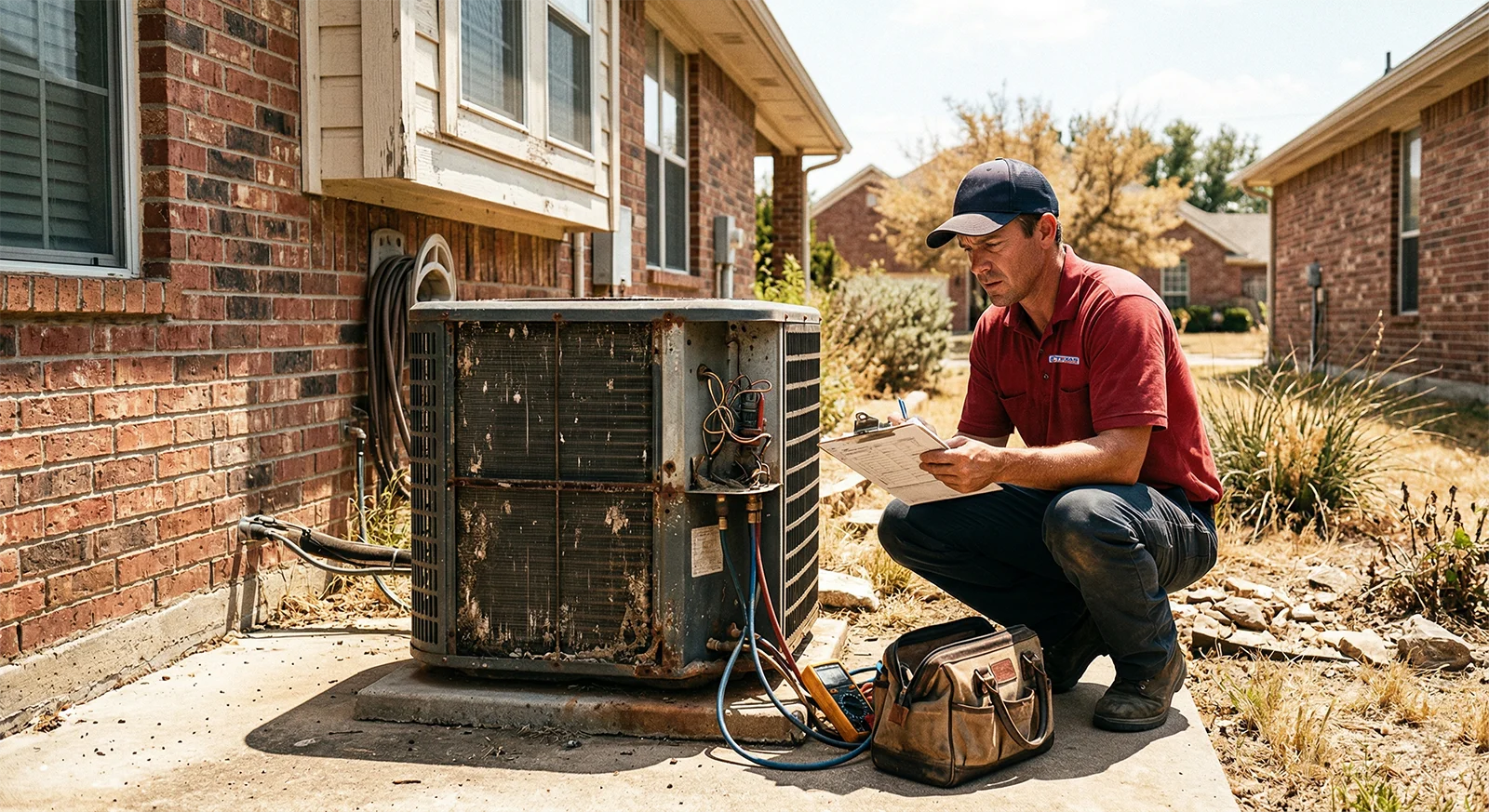
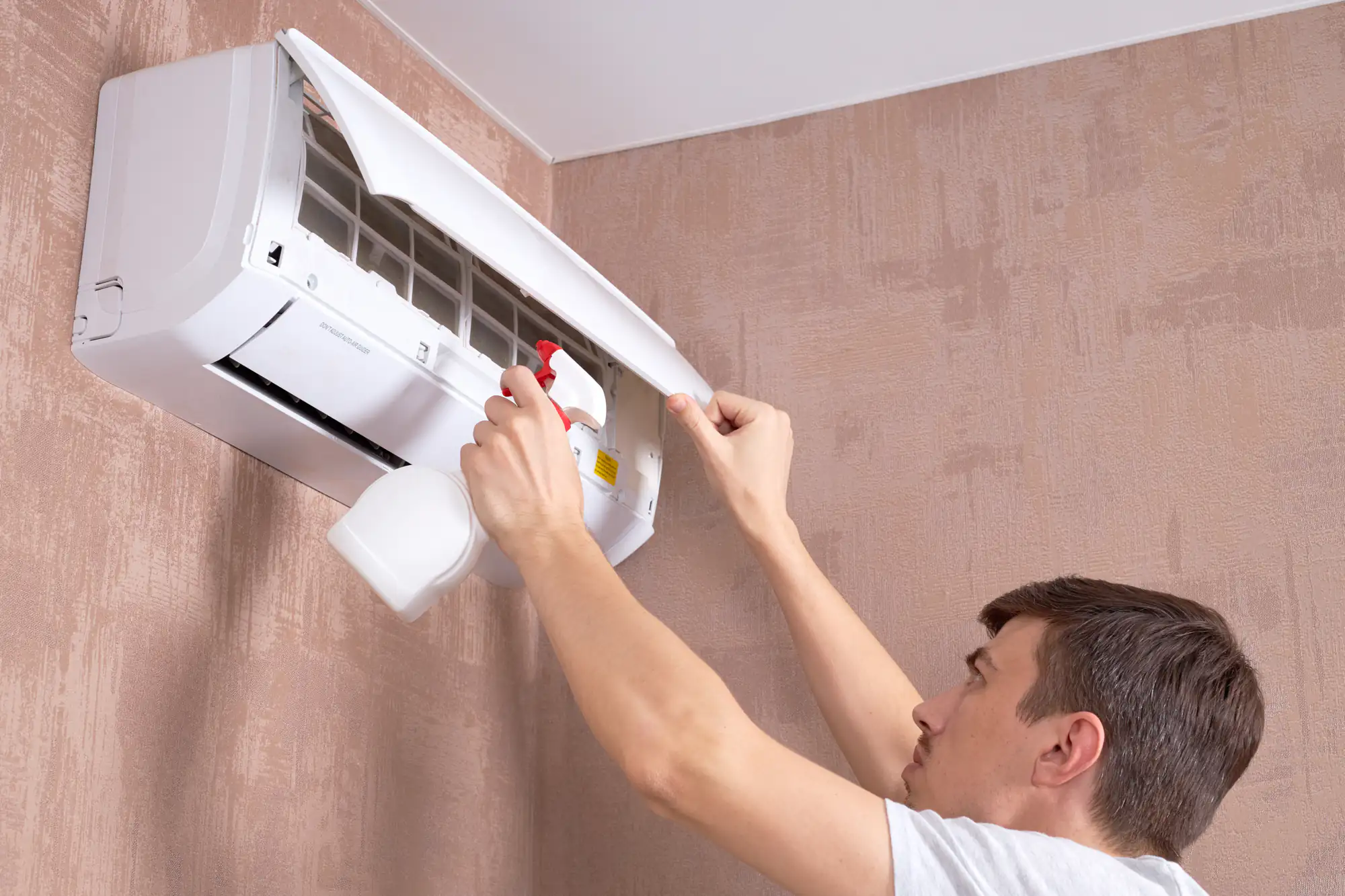
Dirty air filters are behind most AC failures. Sounds too simple to be true, but a clogged filter blocks airflow, forces your system to strain, and can cause your evaporator coil to freeze. Most people forget to check their filter until something goes wrong. If you can’t remember the last time you changed yours, that’s probably your first problem.
Refrigerant leaks are another common issue, especially in older systems. Refrigerant is what actually cools the air in your home. When levels drop due to a leak, your AC runs constantly but never reaches the temperature you set. You’ll notice ice forming on the lines outside, and your energy bill will climb because the system is working overtime to do a job it can’t complete.
Electrical problems show up in a few different ways. Sometimes the system won’t turn on at all. Other times it cycles on and off every few minutes, never running long enough to cool your home. Faulty wiring, a bad capacitor, or a failing contactor can all cause these issues. And because electrical components can be safety hazards, these aren’t repairs you should attempt yourself.
Drainage issues might not seem urgent, but they cause real damage if you ignore them. Your AC pulls moisture out of the air as it cools. That water has to go somewhere—usually through a condensate drain line. When that line clogs with algae or debris, water backs up into your home. You’ll see puddles around the indoor unit, and if it gets bad enough, the safety switch will shut your system down completely.
Dirty condenser coils are easy to overlook because they’re outside. But when those coils get covered in dirt, leaves, and debris, they can’t release heat properly. Your system runs longer, works harder, and cools less effectively. A simple cleaning can make a noticeable difference in performance and energy costs.
Thermostat problems are frustrating because they make you think your entire AC system is broken when it’s really just the controls. If your thermostat isn’t reading temperature correctly or isn’t communicating with your system, you’ll get inconsistent cooling, short cycling, or no cooling at all. Sometimes it’s as simple as dead batteries. Other times the unit needs to be recalibrated or replaced.
What to Expect from Professional AC Repair
Calling for AC repair when you don’t know what’s wrong can feel like a gamble. You’re hoping for good news but bracing for a huge bill. The uncertainty is stressful, especially when you’re already dealing with a house that won’t cool down.
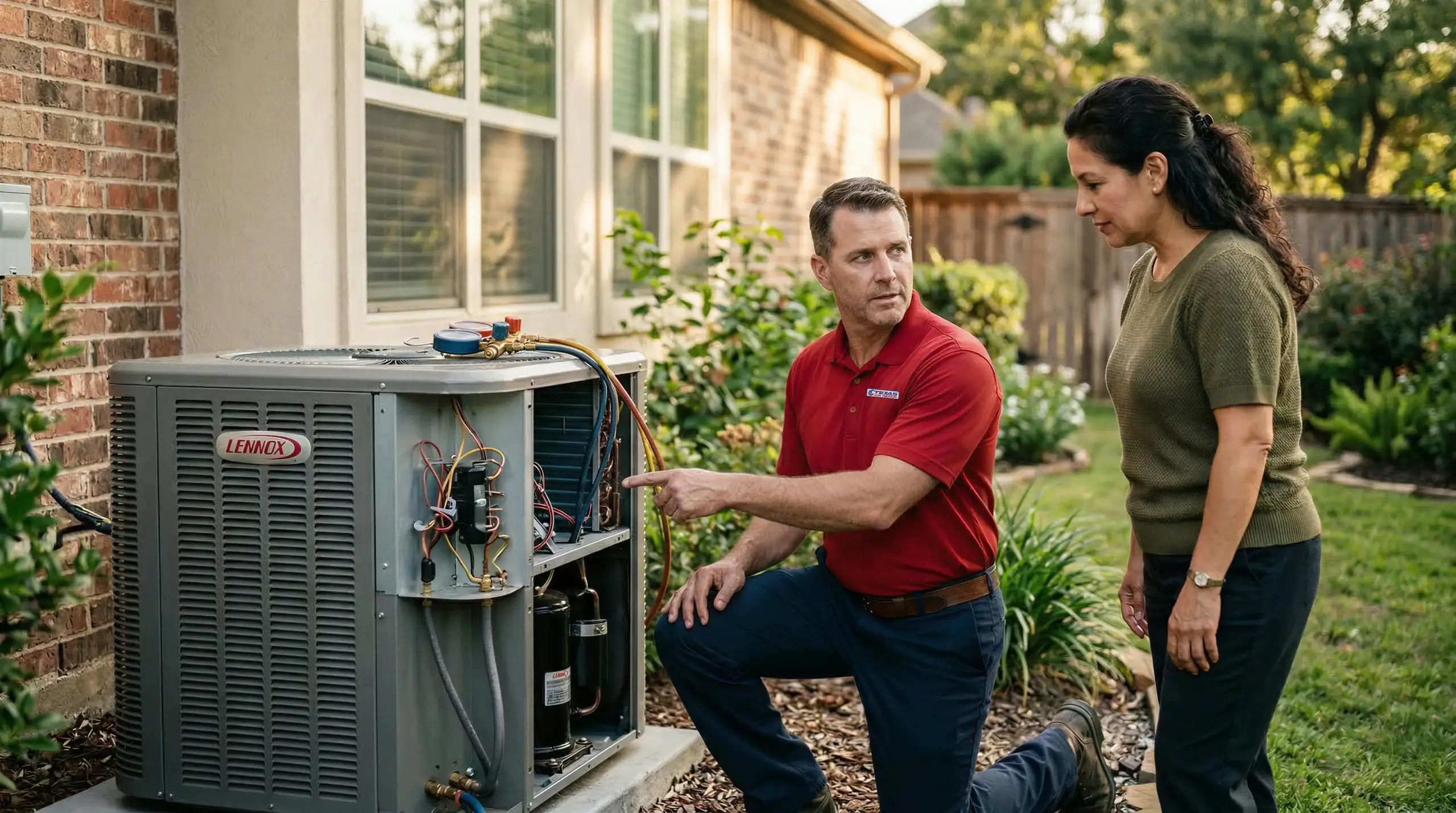
Here’s what should happen when you call a reliable AC repair company. First, we’ll ask questions about what you’re experiencing. Not because we doubt you, but because those details help us diagnose the problem faster once we arrive. We’ll want to know when the issue started, what symptoms you’re seeing, and whether anything changed recently.
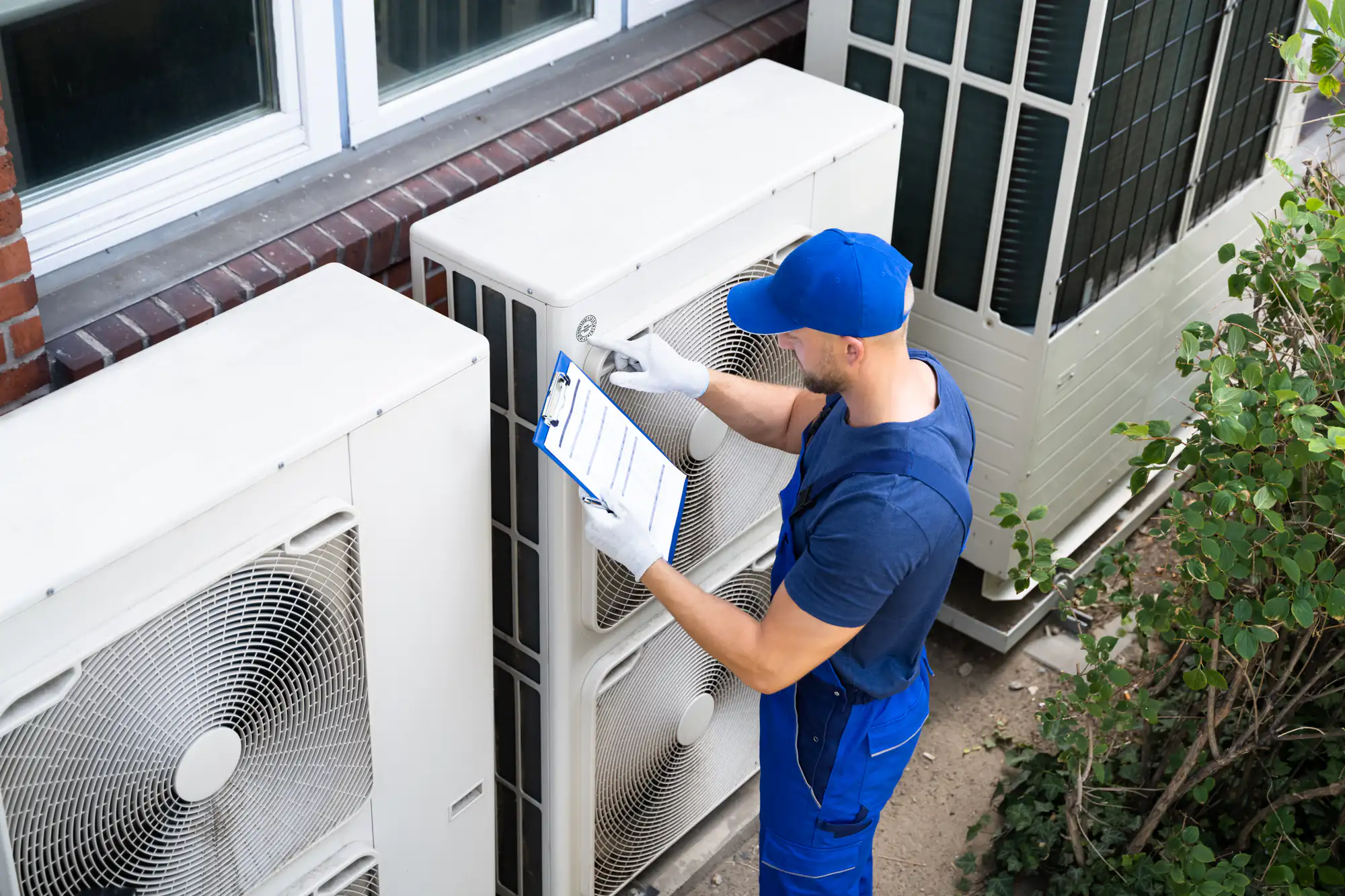
When our technician shows up, we’ll inspect your entire system—not just the part that seems broken. That’s important because AC problems often have underlying causes. Fixing the symptom without addressing the root issue just means you’ll be calling again in a few weeks. A thorough inspection catches those hidden problems before they turn into expensive failures.
How AC Repair Extends Your System's Life
Most air conditioners in San Antonio last 10 to 15 years. That’s the average. But plenty of systems die earlier, and others keep running strong past 20 years. The difference comes down to how well they’re maintained and how quickly problems get fixed when they pop up.
Every time your AC struggles with a problem—low refrigerant, a clogged filter, dirty coils—it puts extra strain on other components. Your compressor has to work harder. Your blower motor runs longer. Electrical parts heat up more than they should. That accumulated stress shortens the lifespan of your entire system, even if the original problem seems minor.
Timely repairs stop that cascade before it starts. Fixing a refrigerant leak doesn’t just restore cooling—it protects your compressor from damage that would cost thousands to replace. Cleaning coils doesn’t just improve efficiency—it prevents your system from overheating and failing on the hottest day of summer.
Think of AC repair like changing the oil in your car. Skip it once, and you’ll probably be fine. Skip it repeatedly, and you’re looking at engine damage that costs more than the car is worth. Your AC works the same way. Small investments in repairs and maintenance add years to your system’s life and save you from a $7,000 replacement bill you’re not ready for.
Regular professional service also gives our technicians a chance to spot problems while they’re still small. That worn belt that’s starting to fray? Replacing it takes ten minutes and costs $50. Waiting until it snaps could mean a weekend without AC while you wait for an emergency repair. A small refrigerant leak caught early might cost $200 to fix. Ignored until your compressor fails? You’re looking at $2,000 or more.
The math is straightforward. Spending $300 on a repair today can prevent a $2,500 failure next month. And if that repair adds three more years to your system’s life, you’ve delayed a $7,000 replacement. That’s real money staying in your pocket instead of going toward emergency HVAC work.
How AC Repair Reduces Your Energy Bills
You’ve probably noticed your energy bill climbs every summer. Part of that is just the cost of keeping your home cool when it’s 100 degrees outside. But if your bill jumped significantly more than usual, or if it keeps climbing year after year, your AC is likely running inefficiently.
An air conditioner that’s not working properly uses more energy to produce less cooling. It’s like driving with your parking brake on—you’re using more gas to go the same distance. And just like that parking brake, the problem won’t fix itself. It’ll just keep costing you money every single day.
When your AC gets repaired properly, it stops wasting energy. Clean coils transfer heat more effectively, so your system doesn’t have to run as long. Fixed refrigerant leaks mean your compressor isn’t working overtime trying to cool with insufficient refrigerant. A calibrated thermostat means your system isn’t cycling on and off unnecessarily.
Those improvements show up immediately in your energy usage. Homeowners often see their bills drop 15 to 20 percent after getting necessary repairs done. In San Antonio, where AC costs can spike your summer bills by $100 or more per month, that’s real savings you’ll notice. Over the course of a summer, that repair might pay for itself just in reduced energy costs.
The efficiency gains also reduce wear on your system. When your AC doesn’t have to work as hard, it lasts longer. Components don’t heat up as much. Motors don’t strain. Electrical parts don’t get stressed. You’re not just saving on your current energy bill—you’re avoiding future repair costs and extending the time before you need a replacement.
Some repairs have bigger impacts on efficiency than others. Fixing refrigerant leaks, cleaning coils, and replacing clogged filters make the most noticeable difference. But even smaller repairs add up. Tightening electrical connections, clearing drain lines, and recalibrating controls all contribute to a system that runs the way it’s supposed to—efficiently, reliably, and without wasting your money.
Getting Your AC Fixed the Right Way
Your AC breaking down in the middle of a San Antonio summer isn’t just inconvenient—it’s a problem that needs solving fast. But rushing into a decision without understanding your options can cost you more in the long run, whether that’s paying for repairs that don’t last or replacing a system that could have been fixed.
The key is knowing what you’re dealing with. Most AC problems are repairable, especially if you catch them early. And even when repair costs start adding up, understanding the math—the $5,000 rule, the 50% rule, the age of your system—helps you make a confident decision about whether to fix or replace.
What matters most is working with someone who’s going to be straight with you. No pressure, no upselling, just an honest assessment of what’s wrong and what it’ll take to fix it. That’s what we’ve been doing for over 20 years—helping homeowners in San Antonio, Bexar County, and throughout Texas keep their homes comfortable without the runaround. When your AC needs help, you deserve a team that shows up fast, diagnoses the problem accurately, and gives you options that actually make sense for your situation.