
You’re not just removing dust. You’re cutting energy consumption by up to 30% according to the Department of Energy. That’s real money back in your budget every month.
Clean ducts mean your HVAC system stops working overtime. Equipment that should last 15-20 years won’t die at year 10, saving you from six-figure replacement costs. Your system distributes air evenly, so you’re not dealing with freezing conference rooms and sweltering offices on the same floor.
Indoor air quality improves immediately. The EPA found that indoor air can be 2-5 times more polluted than outdoor air. When you remove years of accumulated contaminants from your ductwork, you’re reducing respiratory issues, cutting sick days, and creating an environment where people can actually focus. Studies show productivity losses of 6-9% in buildings with poor air quality—that’s like losing 3-4 full-time employees in a 50-person office.
Temperature stays consistent across your building. No more complaints about hot and cold spots. Your system delivers conditioned air where it’s supposed to go, when it’s supposed to get there.
We’ve been handling commercial HVAC work across Marion, TX and the surrounding region for over 20 years. We’re veteran-owned, which means we show up when we say we will and we do the work right the first time.
Our technicians are certified and trained on the latest equipment and methods. We’re not a franchise following a script—we’re a family-owned company that’s built our reputation on honest work and real results.
Marion businesses deal with specific air quality challenges. Texas has over 200 air monitoring stations tracking pollutant levels, and indoor environments often have higher contamination than outdoor air. We understand what commercial properties in this area face, from humidity issues to dust accumulation to the wear that comes from systems running year-round in Texas heat.
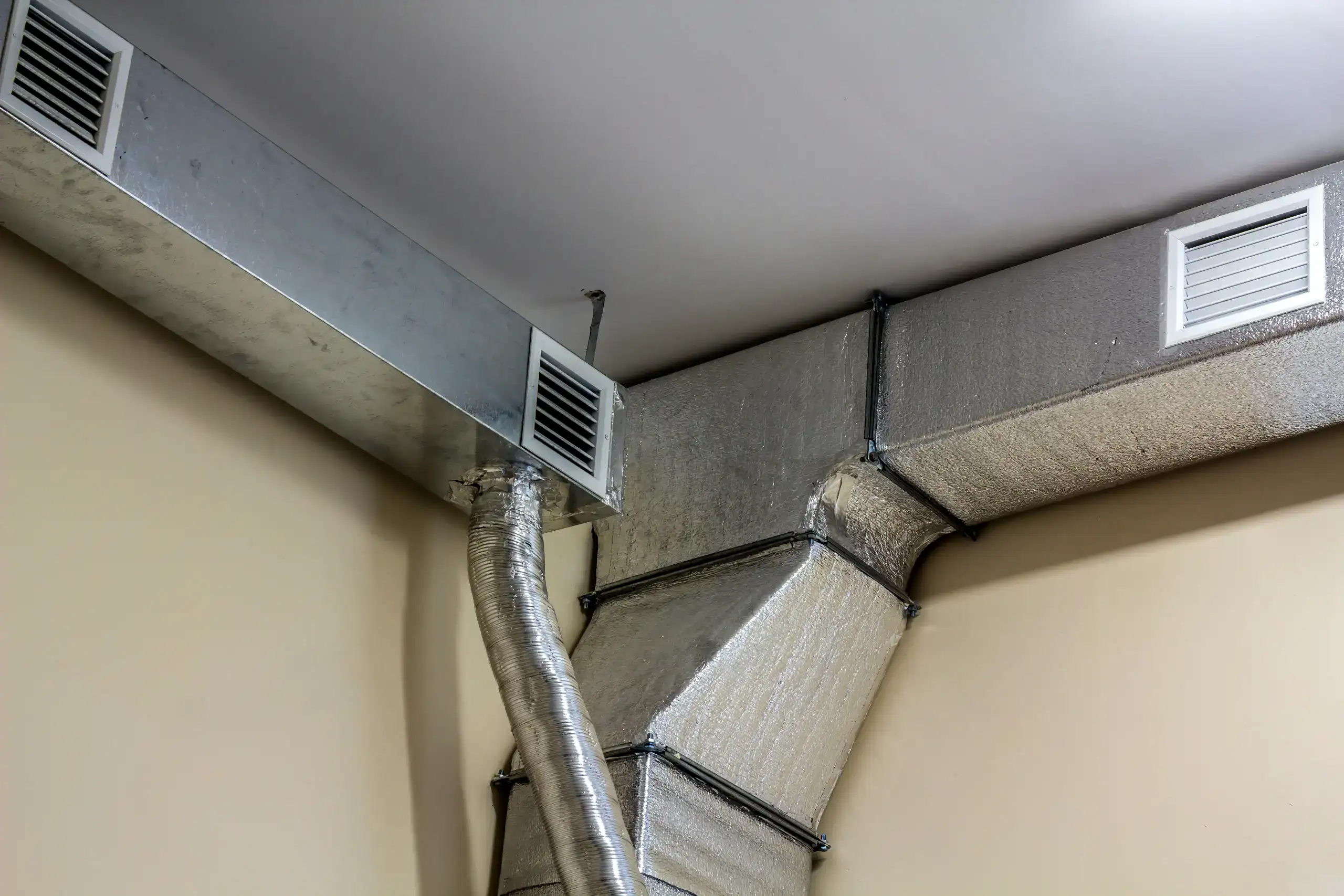
We start with a full system inspection using camera equipment. You’ll see exactly what’s inside your ductwork—the buildup, the problem areas, the spots that need attention. No guessing, no upselling things you don’t need.
Next, we seal off your HVAC system to prevent contaminants from spreading during cleaning. We use professional-grade vacuum equipment—either truck-mounted or high-powered portable units—that meets NADCA standards. These systems create negative pressure to pull debris out while preventing it from circulating through your building.
Our technicians clean every component of your HVAC system, not just the ducts. That includes supply and return air ducts, registers, grilles, diffusers, heat exchangers, cooling coils, condensate drain pans, fan motor, and air handling unit housing. Cleaning only the ducts leaves contaminants that will just spread back through the system.
We use rotating brushes, compressed air tools, and contact vacuuming to dislodge and remove debris. For businesses dealing with mold or microbial growth, we can apply EPA-registered antimicrobial treatments after cleaning. Some commercial properties benefit from UV light installation to prevent future microbial buildup.
After cleaning, we reseal access points and run the system to verify proper airflow. You get documentation of the work completed, before-and-after photos, and recommendations for maintaining your system between cleanings.
Ready to get started?
You get a complete HVAC system cleaning, not just a quick pass through the ductwork. That means every component that touches your building’s air gets addressed—supply ducts, return air ducts, registers, grilles, diffusers, heat exchangers, cooling coils, drip pans, fan motor, fan blades, and the air handling unit housing.
We inspect your system with camera equipment before we start so you can see the actual condition of your ductwork. Most business owners are surprised by what’s accumulated in there. After cleaning, you get documentation with photos showing the difference.
For Marion, TX commercial properties, humidity control matters. Moisture in duct systems creates ideal conditions for mold growth, and once mold develops, spores spread throughout your building. We identify moisture issues during inspection and can recommend solutions like improved drainage, better insulation, or dehumidification systems.
Energy efficiency is a major concern for Texas businesses running AC systems most of the year. Even small amounts of debris increase energy consumption by 15% or more. When we remove buildup from your coils and ductwork, your system immediately operates more efficiently. Most commercial properties see ROI within 6-24 months just from energy savings.
We work around your schedule. Most commercial duct cleaning happens during off-hours or weekends to avoid disrupting your operations. For larger facilities, we can work in phases to keep your HVAC system partially operational throughout the process.
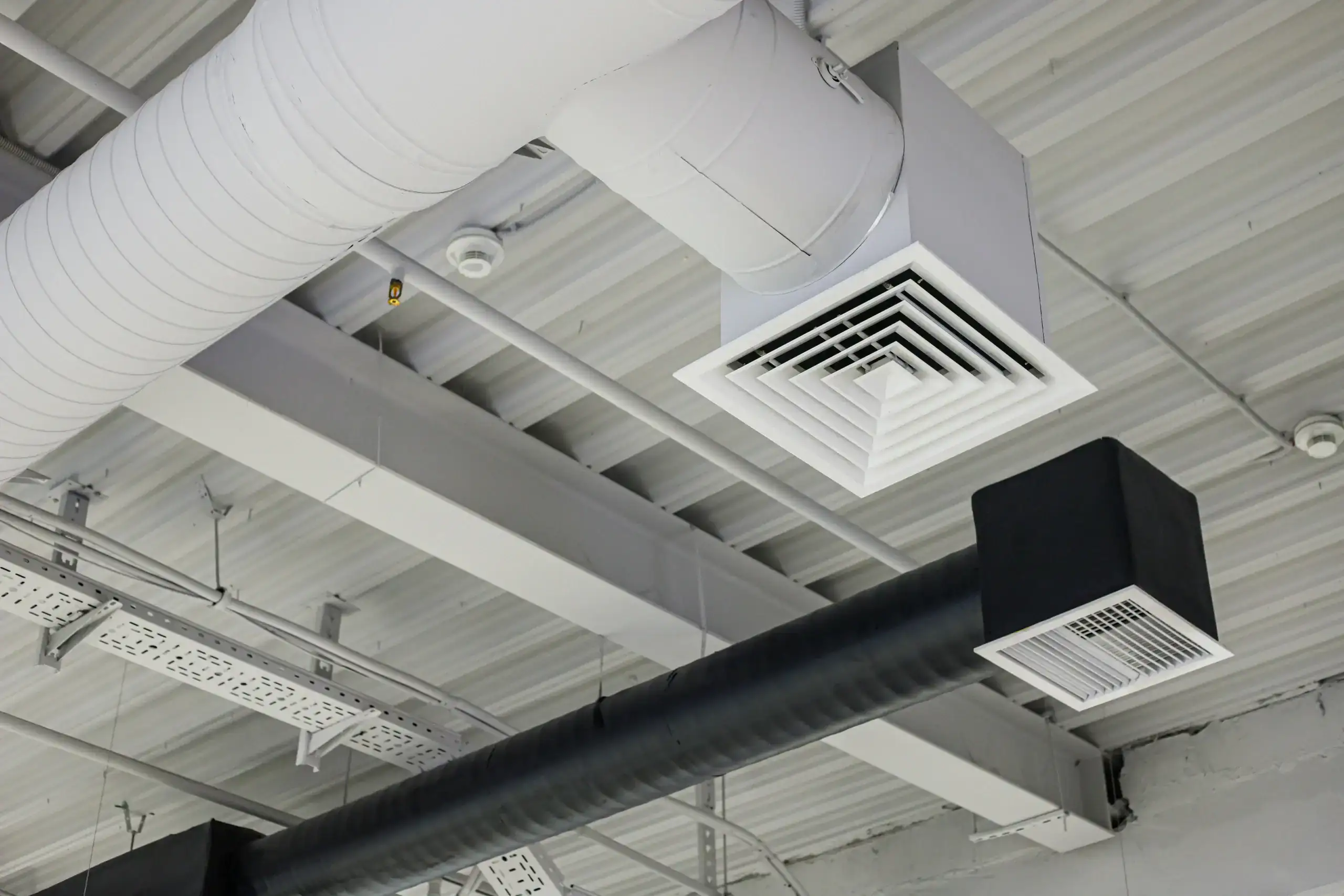
Most commercial properties benefit from professional duct cleaning every 3-5 years. But your actual schedule depends on your specific operation and environment.
Manufacturing facilities, restaurants, and medical offices need more frequent cleaning—sometimes quarterly or semi-annually. Food service businesses deal with grease and particulate that accumulate quickly and create fire hazards. Healthcare facilities can’t risk airborne contaminants affecting patients with compromised immune systems.
Standard office buildings, retail spaces, and warehouses typically fall into the 3-5 year range. If you’re seeing visible dust around vents, noticing musty odors when the system runs, or dealing with increased allergy complaints from staff, don’t wait for the scheduled interval. Those are signs your system needs attention now.
Buildings in Marion, TX face specific challenges. High humidity creates moisture in duct systems. Dust from construction and agricultural activity in the region gets pulled into HVAC systems. If your building is near industrial areas or high-traffic roads, you’re dealing with more particulate matter than properties in residential zones.
Pricing depends on your building size, system complexity, and contamination level. A small office might run $500-$1,000. Larger commercial buildings with multiple HVAC units typically range from $2,000-$5,000 or more.
That sounds like a lot until you compare it to what you’re losing. If dirty ducts are costing you $400 monthly in wasted energy (a conservative estimate based on Department of Energy data), you’re spending $4,800 annually. Your cleaning investment pays for itself in 6-12 months, then continues saving you money for years.
Emergency HVAC repairs cost significantly more than preventive maintenance. A failed commercial HVAC system can run $15,000-$50,000+ to replace. Regular duct cleaning extends equipment life by reducing strain on motors, fans, and compressors. You’re looking at getting 15-20 years from equipment instead of replacing it at year 10.
There’s also the cost of downtime. When your HVAC system fails during a Texas summer, you’re potentially closing your business until it’s fixed. Employees can’t work in 95-degree heat. Customers won’t shop in an uncomfortable environment. Lost revenue from a single day of closure can exceed what you’d spend on years of preventive maintenance.
Visible dust around vents and registers is the most obvious sign. If you’re wiping down surfaces constantly and dust reappears within hours, your HVAC system is circulating contaminants.
Unexplained increases in energy bills point to reduced system efficiency. When ducts are clogged, your equipment works harder to move air. You’ll see higher utility costs without corresponding changes in usage or rates.
Inconsistent temperatures across your building mean airflow problems. If some areas are comfortable while others are too hot or too cold, debris in your ductwork is blocking proper air distribution. This also indicates your system is working overtime trying to reach thermostat settings.
Musty or stale odors when the system runs suggest mold or mildew growth inside ductwork. Moisture combined with organic material creates ideal conditions for microbial growth. Once established, these contaminants spread throughout your building every time the system operates.
Increased employee sick days or complaints about allergies, headaches, or respiratory issues can trace back to poor indoor air quality. Research shows up to 30% of commercial buildings experience occupant health complaints related to HVAC systems.
NADCA (National Air Duct Cleaners Association) certification means a company follows established industry standards for proper HVAC system cleaning. It’s the difference between a thorough job and someone just running a vacuum through your ducts.
NADCA-certified companies understand that cleaning only the ducts is pointless. Contaminants in your coils, fan housing, and other components will just recirculate through freshly cleaned ductwork. The NADCA standard requires cleaning the entire HVAC system—every component that touches your building’s air.
Certified technicians use proper equipment and methods. That means negative pressure systems that prevent contaminants from spreading during cleaning, appropriate brushes and tools for different duct materials, and EPA-registered antimicrobial treatments when needed. They document their work with before-and-after photos and provide maintenance recommendations.
Many commercial bids specifically require NADCA certification. Insurance companies and property managers increasingly request it because it demonstrates professional standards and reduces liability. If something goes wrong with an uncertified company—damaged ductwork, inadequate cleaning, contamination spread—you have limited recourse.
For Marion, TX commercial properties, working with a NADCA-certified company means you’re getting service that meets national standards while addressing local environmental factors like humidity and dust.
Studies document productivity losses of 6-9% in buildings with poor indoor air quality. For a business with 50 employees, that’s equivalent to losing 3-4 full-time workers to reduced performance.
Poor air quality affects cognitive function. Research shows that high CO2 levels and airborne contaminants reduce decision-making ability, slow response times, and decrease concentration. Employees in buildings with better air quality score significantly higher on cognitive tests than those in poorly ventilated spaces.
Sick building syndrome is real. When your HVAC system circulates dust, mold spores, bacteria, and other contaminants, people experience headaches, fatigue, difficulty concentrating, and respiratory irritation. These symptoms appear at work and improve when they leave the building. You’re paying people who can’t perform at full capacity because the air they’re breathing is making them sick.
Absenteeism increases in buildings with poor air quality. Employees take more sick days for respiratory issues, allergies, and related health problems. The cost isn’t just the sick day itself—it’s the disrupted workflow, missed deadlines, and reduced team productivity when key people are absent.
Temperature inconsistency also affects performance. When your HVAC system can’t maintain comfortable conditions because ductwork is blocked, employees waste time and mental energy dealing with discomfort. They’re adjusting thermostats, moving to different areas, or just suffering through it while their work quality drops.
Commercial systems are larger, more complex, and face different contamination challenges than residential HVAC. Your commercial property likely has multiple air handling units, longer duct runs, and higher air volume requirements. That means more powerful equipment and more time to clean properly.
Commercial buildings often have specific contamination issues based on their use. Restaurants deal with grease buildup that creates fire hazards. Medical facilities need hospital-grade cleaning to prevent infection risks. Manufacturing plants face industrial dust and particulate. Retail spaces in high-traffic areas pull in more outdoor contaminants. The cleaning approach has to match the environment.
Access is more complicated in commercial buildings. Ductwork runs through ceilings, walls, and mechanical spaces that require coordination to reach. We often work during off-hours or weekends to avoid disrupting your business operations. Larger facilities might need phased cleaning to keep parts of your HVAC system running while we work on others.
Regulatory requirements differ for commercial properties. Depending on your industry and location, you may need to meet specific air quality standards, maintain documentation of HVAC maintenance, or follow particular cleaning protocols. Healthcare facilities, food service businesses, and industrial operations face stricter oversight than residential properties.
The stakes are higher for commercial duct cleaning. A residential system serves a family. Your commercial system affects employees, customers, inventory, equipment, and business operations. Poor indoor air quality can trigger liability issues, regulatory violations, and significant financial losses from downtime or health claims.
Other Services we provide in Marion
 Call Now