

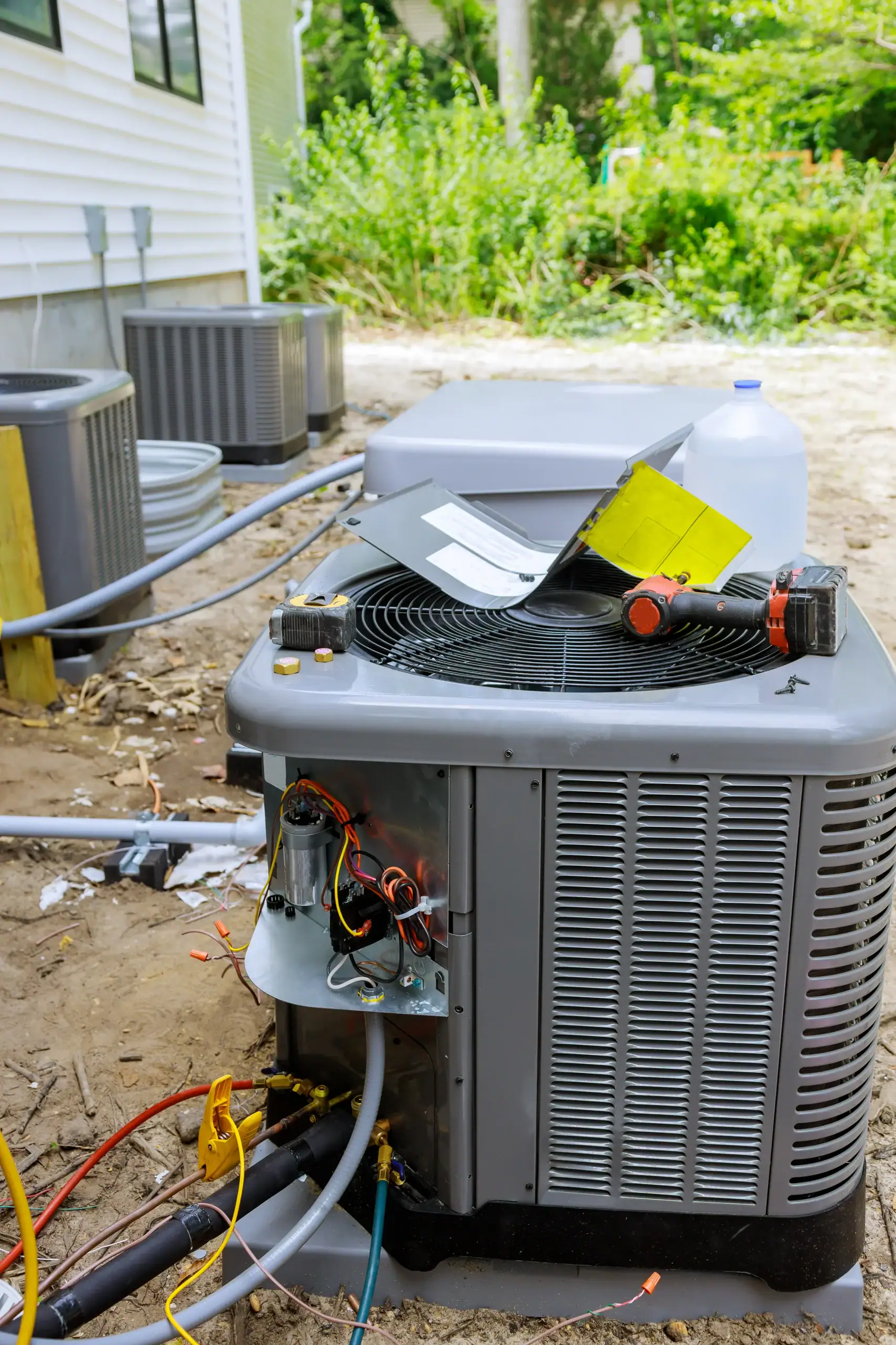
You’re paying for two separate systems when one could do the job better. Commercial heat pumps transfer heat instead of generating it, which means they use significantly less energy than traditional HVAC setups. That difference shows up in your monthly bills.
When your system runs efficiently, you’re not just saving money on utilities. You’re reducing maintenance calls, extending equipment life, and avoiding the headache of coordinating separate heating and cooling repairs. Your employees stay comfortable. Your customers don’t complain about the temperature. And you’re not constantly adjusting the thermostat trying to find a balance between comfort and cost.
Modern heat pump systems are built for Texas weather. They handle our intense summer heat and those unexpected cold snaps without breaking a sweat. You get consistent performance whether it’s 100 degrees outside or 30.
We’ve been handling commercial HVAC work in Castle Hills and throughout San Antonio for over 20 years. We’re veteran-owned, which means we show up when we say we will and we don’t leave until the job’s done right.
Our certified technicians have seen every type of commercial heat pump system out there. We know what works in Castle Hills’ climate, what doesn’t, and how to keep your equipment running without unnecessary service calls. When you need emergency repairs at 2 AM because your system went down, we’re available 24/7.
We’re not the cheapest option in town, and we won’t pretend to be. But you’re getting technicians who know commercial systems inside and out, honest pricing before we start work, and service that actually solves the problem the first time.
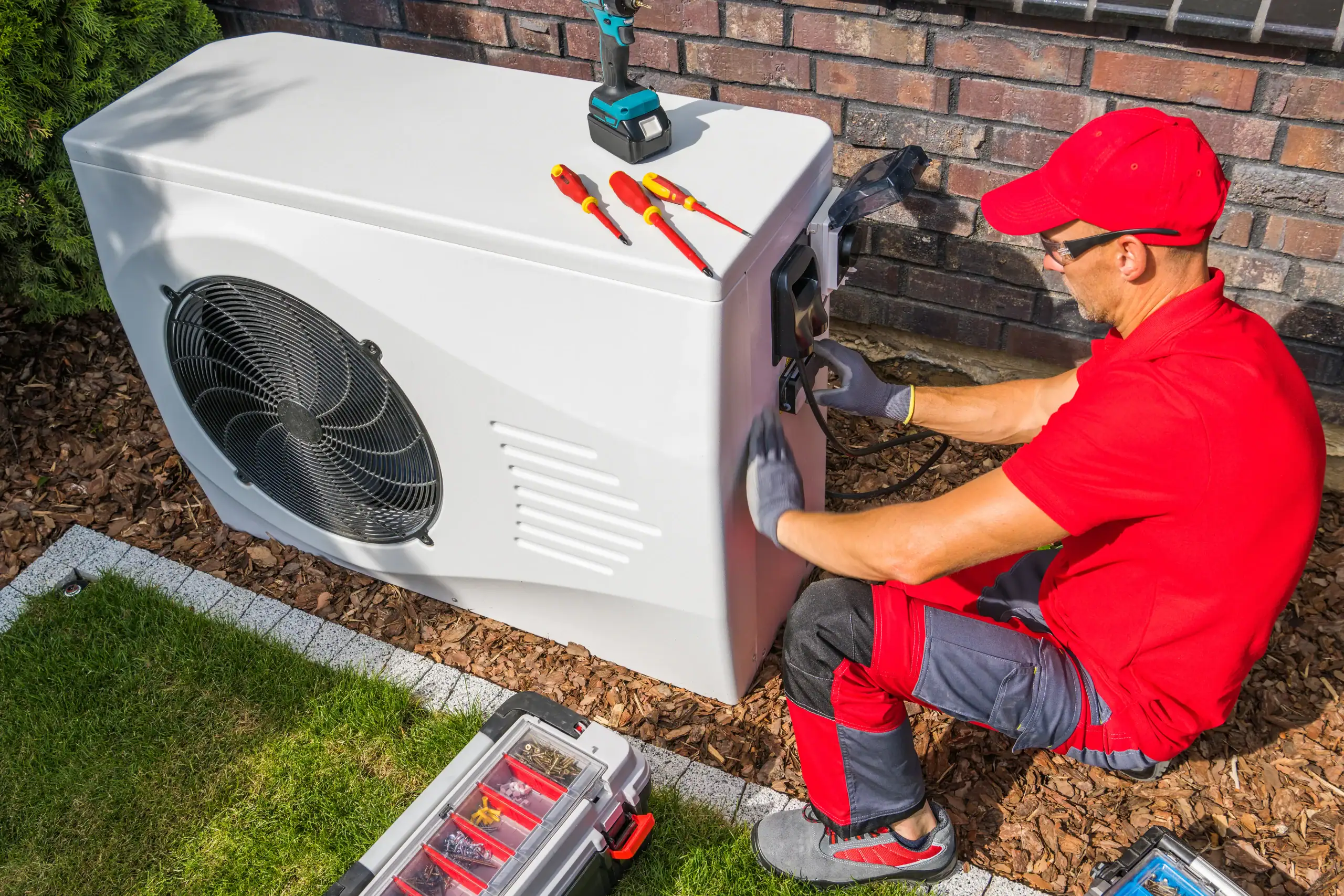
We start with a site evaluation of your commercial space. Our technicians assess your building’s size, layout, insulation, existing ductwork, and daily usage patterns. This isn’t a quick walkthrough—we’re determining the right system capacity and configuration for your specific needs.
Once we understand your requirements, we recommend equipment options that make sense for your budget and business. You’ll get a detailed quote that covers equipment, installation labor, any necessary modifications, and timeline. No hidden fees or surprise charges later.
Installation day, our crew protects your space and works efficiently to minimize disruption to your operations. We handle all electrical work, ductwork connections, refrigerant lines, and system testing. Before we leave, we walk you through operation, maintenance requirements, and what to watch for.
After installation, we’re available for scheduled maintenance, repairs, and any questions that come up. Most commercial heat pump systems need professional service twice a year to maintain peak efficiency and catch small issues before they become expensive problems.
Ready to get started?
Your commercial heat pump system works harder than residential equipment. It runs longer hours, handles more temperature swings, and can’t afford to fail during business hours. Regular maintenance isn’t optional—it’s what keeps your system running when you need it.
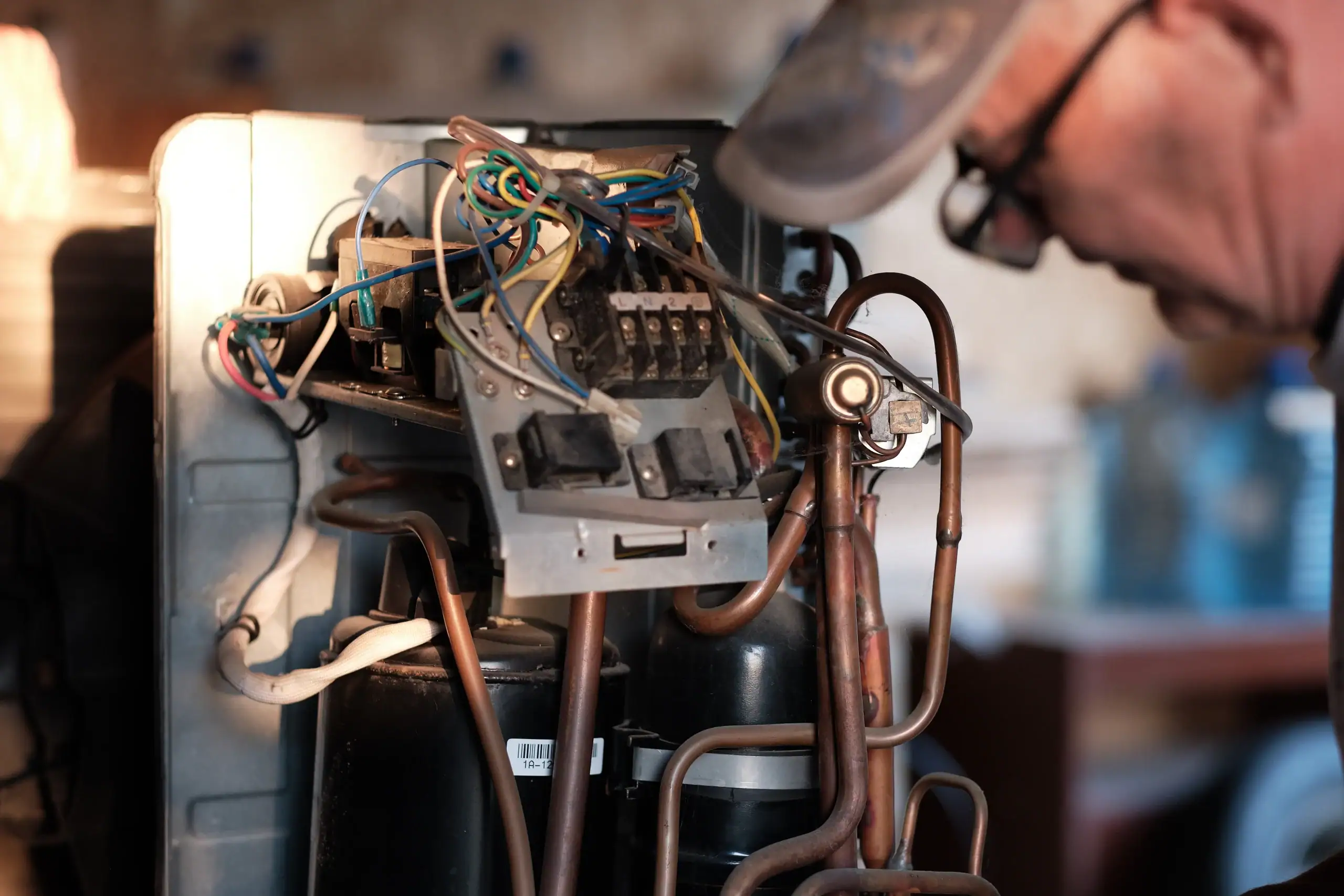
Our commercial heat pump maintenance covers refrigerant level checks, electrical connection inspections, coil cleaning, filter replacement, thermostat calibration, and full system performance testing. We’re looking for worn components, efficiency drops, and anything that could cause problems down the road.
Castle Hills businesses face unique challenges. Summer temperatures regularly hit triple digits, and your cooling system is working overtime. Then winter brings those surprise cold fronts that test your heating capacity. We schedule maintenance before peak seasons—spring for cooling prep, fall for heating readiness. This timing helps you avoid breakdowns when you can least afford them.
Energy efficiency matters more for commercial properties than residential. A system running at reduced efficiency can cost you hundreds extra per month. We track your system’s performance over time, so you know when efficiency starts dropping and can address it before it impacts your bottom line.
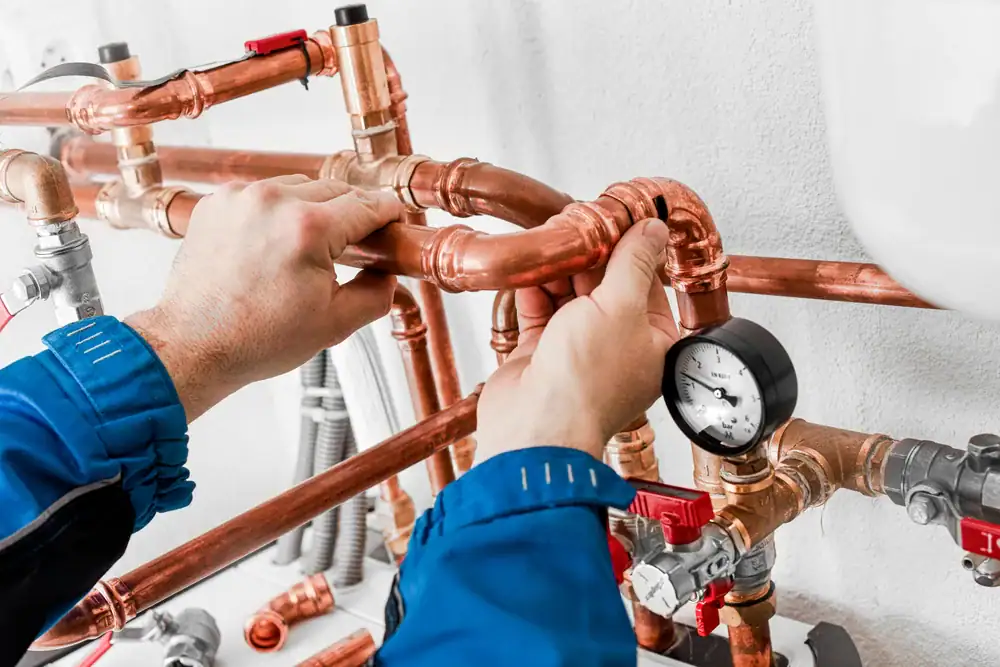
Commercial heat pump installation typically ranges from $15,000 to $60,000 depending on your building size, system capacity, and installation complexity. A small office or retail space with straightforward ductwork falls on the lower end. Larger facilities or buildings requiring significant electrical upgrades or ductwork modifications cost more.
Several factors affect your final price. System size matters—a 2,000 square foot space needs different capacity than a 10,000 square foot building. Energy efficiency ratings impact upfront cost but save money long-term through lower utility bills. Installation complexity increases if we’re working around existing infrastructure, adding new electrical panels, or modifying ductwork.
We provide detailed quotes after evaluating your property. You’ll know exactly what you’re paying for before any work begins. Many commercial clients find that the energy savings from a new heat pump system offset the installation cost within a few years, especially when replacing older, inefficient equipment.
Commercial heat pumps typically last 10 to 15 years with proper maintenance. Systems that receive regular professional service twice a year often reach or exceed 15 years. Neglected systems that only get attention when something breaks rarely make it past 10 years.
Your system’s lifespan depends heavily on maintenance quality and usage intensity. A heat pump running 12 hours a day in a retail space experiences different wear than one running 24/7 in a facility with round-the-clock operations. Texas climate also plays a role—our long cooling season and temperature extremes work systems harder than moderate climates.
Warning signs that your system is nearing the end include frequent repairs, rising energy bills despite no usage changes, difficulty maintaining consistent temperatures, and age over 12 years. When repair costs start approaching 50% of replacement cost, replacement usually makes more financial sense. We help you evaluate whether repair or replacement is the smarter investment based on your system’s condition and your business needs.
Commercial heat pump systems are built for higher capacity, longer run times, and more demanding conditions than residential units. They’re designed to heat and cool larger spaces, handle constant use during business hours, and maintain comfort for multiple occupants with varying temperature preferences.
Capacity is the most obvious difference. Commercial systems range from 3 to 25+ tons of cooling capacity, while residential systems typically max out at 5 tons. Commercial equipment uses heavier-duty components built to withstand extended operation without breaking down. The compressors, coils, and fans are engineered for durability under stress.
Installation and maintenance requirements differ too. Commercial systems often need three-phase electrical power, more complex ductwork configurations, and zoning controls for different areas of your building. Maintenance schedules are more frequent—twice yearly instead of once—because commercial equipment works harder and failure has bigger consequences. When a residential system goes down, one family is uncomfortable. When a commercial system fails, your entire business operation is affected.
Commercial heat pumps need professional maintenance twice a year—once before cooling season starts in spring, and once before heating season begins in fall. This schedule keeps your system running efficiently and catches problems before they cause breakdowns during peak usage times.
Each maintenance visit includes refrigerant level checks, electrical connection inspections, coil cleaning, filter replacement or cleaning, thermostat calibration, condensate drain clearing, and complete system performance testing. We’re measuring efficiency, checking for worn parts, and ensuring every component functions properly. This preventative approach costs far less than emergency repairs during business hours.
Between professional visits, your staff should check filters monthly and replace them when dirty. Keep the outdoor unit clear of debris, leaves, and vegetation that restrict airflow. Listen for unusual noises and watch for ice buildup, water leaks, or inconsistent temperatures—these signal problems needing immediate attention. Most commercial clients join a maintenance plan that includes scheduled service, priority emergency response, and discounted repairs. The peace of mind alone is worth it.
Modern commercial heat pumps handle Castle Hills summer temperatures without issue. These systems are specifically designed for hot climates and regularly cool buildings when outdoor temperatures hit 100+ degrees. The key is proper sizing and installation for your building’s cooling load.
Heat pumps work by transferring heat from inside your building to the outdoors. Even when it’s extremely hot outside, the refrigerant cycle can still move heat effectively. High-efficiency models include features like variable-speed compressors that adjust output based on demand, maintaining consistent comfort without constantly cycling on and off.
The bigger concern in Texas isn’t whether heat pumps can handle the heat—it’s whether your system is sized correctly for your space. An undersized system will struggle on the hottest days, running constantly without achieving comfortable temperatures. An oversized system will short-cycle, wasting energy and failing to dehumidify properly. We calculate your building’s exact cooling requirements during the assessment phase, ensuring the system we install has adequate capacity with some reserve for those record-breaking heat days.
Yes, commercial property owners can often qualify for utility rebates, tax credits, and incentive programs when installing energy-efficient heat pump systems. These financial incentives can offset a significant portion of your installation cost, making upgrades more affordable.
Federal tax credits under the Inflation Reduction Act provide incentives for commercial building efficiency improvements, including heat pump installations. Many utility companies in the San Antonio area offer rebates for businesses that upgrade to high-efficiency HVAC equipment. State and local programs may provide additional incentives, especially for small businesses or properties in designated zones.
Qualifying for rebates typically requires meeting specific efficiency standards, using approved equipment, and working with licensed contractors. We help clients identify available incentives and ensure installations meet program requirements. The paperwork can be complex, but the savings are substantial—some businesses recover 10-30% of installation costs through combined incentives. We recommend checking available programs before making your purchase decision, as requirements and funding levels change periodically.
Other Services we provide in Castle Hills
 Call Now