
Your commercial HVAC system doesn’t fail on a convenient Tuesday morning in March. It quits during a 105-degree afternoon in August when your building is full of customers or employees who need to stay productive and comfortable.
Regular commercial HVAC maintenance services stop that scenario from happening. A maintained system runs cleaner, uses less energy, and catches small problems before they become expensive emergencies. Dirty coils, clogged filters, and low refrigerant don’t just reduce efficiency—they force your equipment to work harder, driving up your utility bills and shortening the lifespan of your investment.
The difference shows up in your operating costs. Commercial properties with structured maintenance plans see 40 to 60 percent fewer emergency repairs and 15 to 25 percent better energy efficiency. That’s not marketing talk—it’s what happens when your system gets the attention it needs before something breaks.
In Boerne, where summer heat routinely pushes into triple digits and humidity adds extra strain, your HVAC system is working overtime. The question isn’t whether you’ll deal with a problem. It’s whether you’ll handle it on your schedule or theirs.
Texas Air Repair is a veteran-owned company that’s been handling commercial HVAC repair and maintenance in Boerne, TX and across the San Antonio region for more than two decades. We’re not new to Texas summers, and we’re not learning on your equipment.
Our certified technicians show up with fully stocked trucks, which means most repairs get completed on the first visit. We offer 24/7 emergency response because we know HVAC failures don’t wait for business hours. When you call, we dispatch within 45 minutes.
Boerne’s commercial properties—from retail storefronts along Main Street to warehouses on the outskirts—face unique demands. High foot traffic, extended operating hours, and relentless heat put constant pressure on your system. We’ve seen what works and what doesn’t, and we build maintenance plans around what actually prevents problems in this climate.
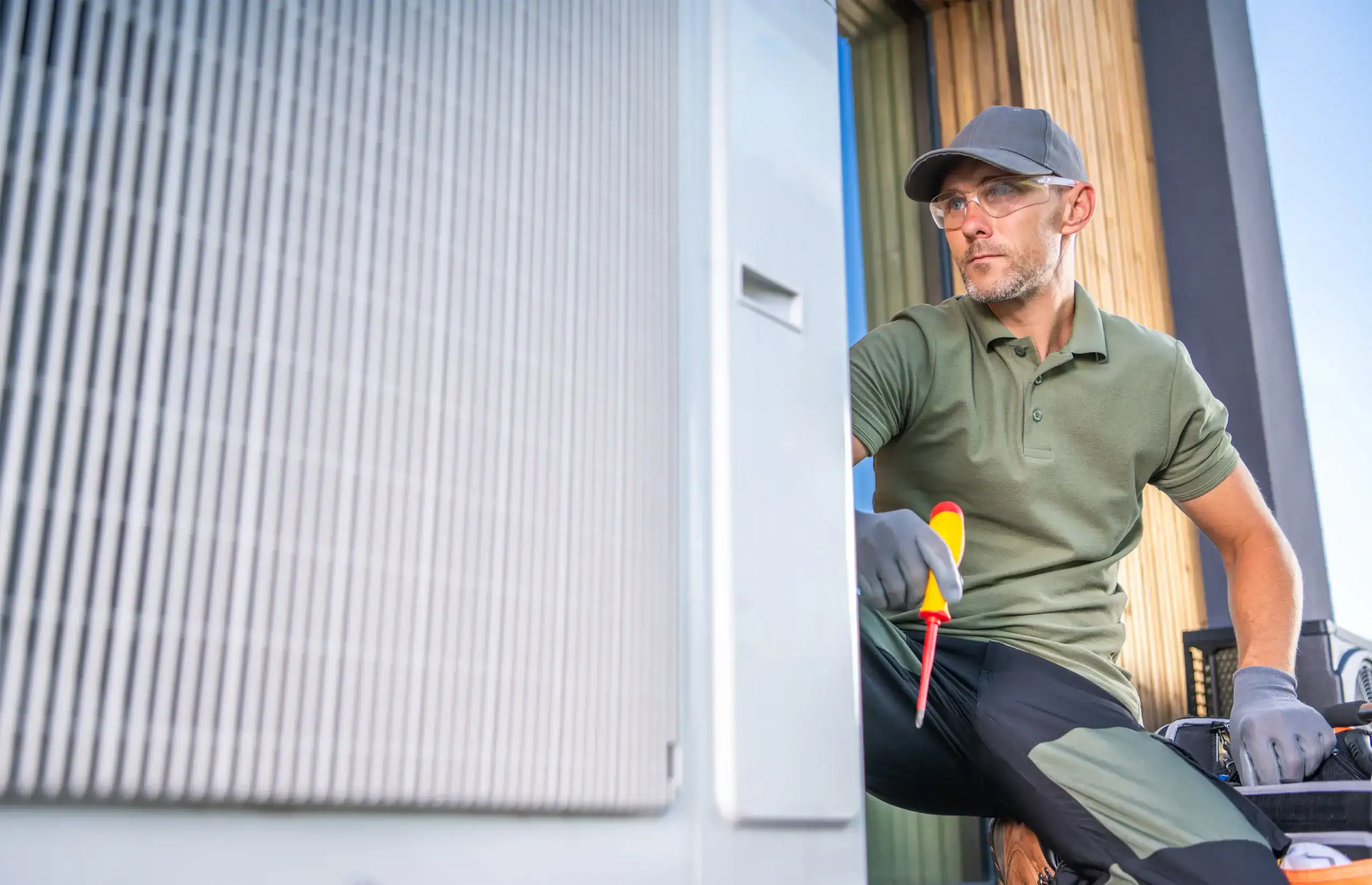
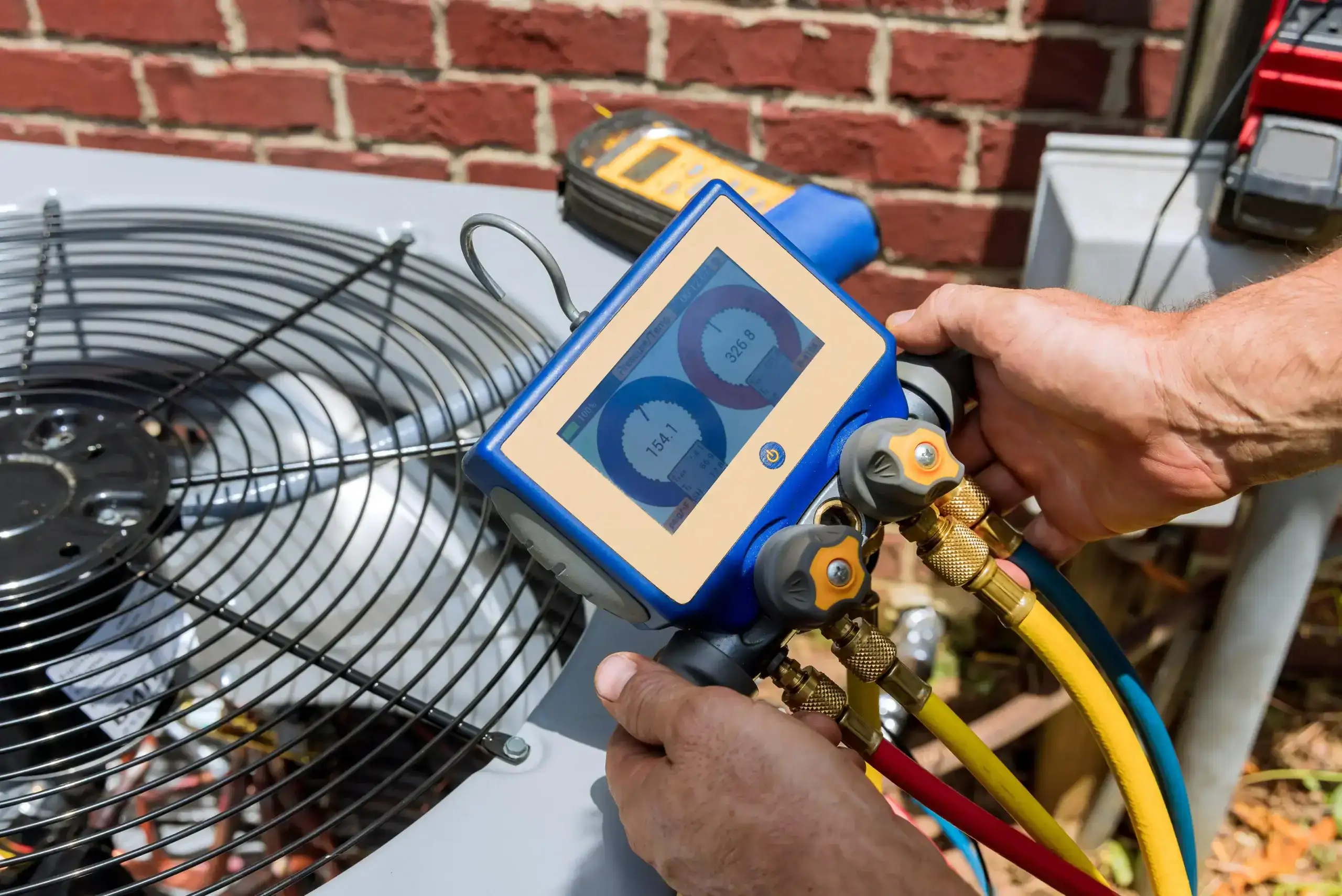
We start with a full system inspection—checking refrigerant levels, testing electrical connections, inspecting belts and motors, and cleaning coils and filters. These aren’t quick visual checks. We’re looking for wear patterns, early signs of failure, and efficiency losses that cost you money every month.
Next, we handle the adjustments and cleaning your system needs to run at peak performance. Dirty coils get cleaned, filters get replaced, moving parts get lubricated, and calibration gets corrected. Small fixes happen on the spot before they turn into bigger problems.
You get a detailed report of what we found, what we fixed, and what you should watch. If something needs attention soon, we’ll tell you exactly what it is, why it matters, and what it’ll cost. No surprises, no upselling—just honest information so you can plan accordingly.
For businesses on a maintenance plan, this happens on a schedule that makes sense for your system and your budget. Most commercial properties benefit from quarterly visits, but high-use environments might need more frequent attention. We’ll recommend what actually fits your situation.

Ready to get started?
A commercial HVAC maintenance plan covers the routine service your system needs to avoid breakdowns and run efficiently. That includes filter changes, coil cleaning, refrigerant checks, electrical inspections, and calibration of thermostats and controls. We also inspect ductwork for leaks, test airflow, and check for any signs of wear that could lead to failure.
In Boerne, where temperatures swing from freezing winter mornings to blistering summer afternoons, your system cycles constantly. That puts stress on compressors, fans, and motors. Regular maintenance catches the early warning signs—unusual noises, inconsistent temperatures, higher-than-normal energy use—before they escalate into full system failures.
Maintenance plans also include priority scheduling for emergency repairs. If something does go wrong, you’re not waiting in line behind everyone else who ignored their system until it quit. You get faster response, which means less downtime and less lost revenue.
The cost of a maintenance plan is predictable, which makes budgeting easier. Compare that to emergency repairs, which often come with premium labor rates, expedited part orders, and the revenue you lose while your system is down. A $300 annual maintenance plan can prevent a $2,000 emergency repair. Do that math once, and the decision becomes obvious.
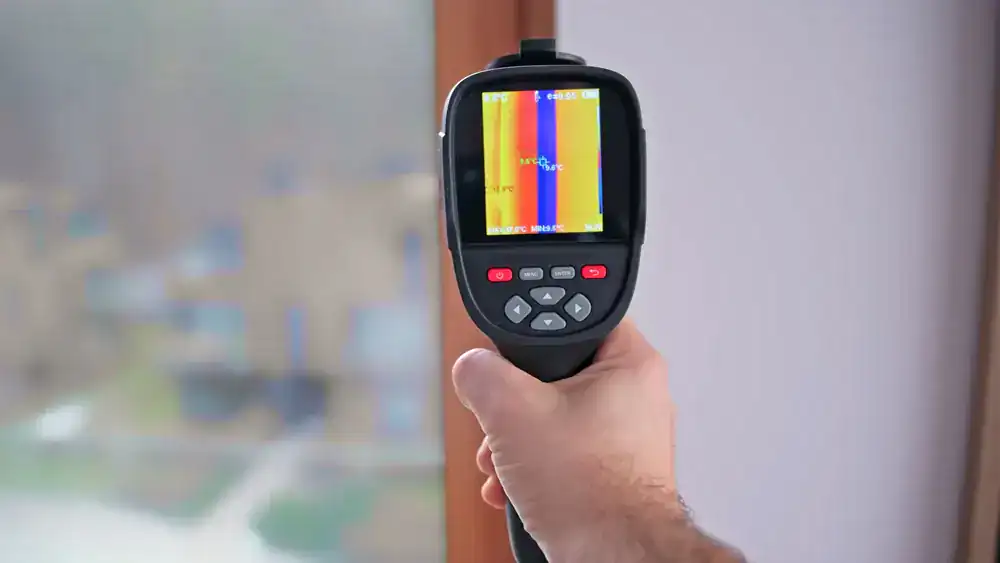
Most commercial systems in Boerne benefit from maintenance every three months, especially if your building has high occupancy, long operating hours, or heavy equipment that generates heat. Restaurants, retail stores, and warehouses typically fall into this category because their systems run harder and accumulate dirt and wear faster.
Office buildings with standard hours and lower occupancy might only need service twice a year—once before summer and once before winter. But if your energy bills are climbing, your system is struggling to keep up, or you’re getting complaints about hot or cold spots, more frequent maintenance makes sense.
Texas heat is brutal on HVAC equipment. When your system runs nonstop through summer, components wear out faster. Quarterly maintenance catches those issues early, keeps your system efficient, and prevents the kind of breakdown that shuts down your business on the hottest day of the year.
Skipping maintenance doesn’t save money—it just delays the bill and makes it bigger. Dirty filters restrict airflow, forcing your system to work harder and use more energy. Dirty coils reduce cooling capacity and cause compressors to overheat. Low refrigerant makes your system run longer to reach the same temperature, driving up your utility costs every month.
Eventually, something breaks. A worn belt snaps and damages the blower motor. A clogged drain line causes water damage. A failing compressor takes out other components on its way down. What could have been a $200 repair during a maintenance visit becomes a $2,000 emergency call—or worse, a full system replacement years before it should have been necessary.
Commercial properties that skip maintenance also see more downtime. Your system doesn’t quit gradually—it fails suddenly, usually during peak season when you need it most. That means uncomfortable customers, frustrated employees, and lost revenue while you wait for emergency repairs.
Yes. Well-maintained commercial HVAC systems routinely reach or exceed their expected 14-year lifespan, while neglected systems often fail after just nine years. That’s a 25 to 40 percent difference in equipment life, which translates to tens of thousands of dollars in replacement costs you can avoid.
Maintenance works because it addresses the small problems that cause big failures. Lubricated moving parts don’t seize up. Clean coils don’t force compressors to overheat. Calibrated controls don’t make your system short-cycle and wear out prematurely. Every maintenance visit removes stress from your equipment and keeps it running the way it was designed to run.
In Boerne’s climate, where your system works overtime during summer, that regular attention matters even more. Heat accelerates wear, and systems that don’t get maintained simply don’t last. If you’re planning to get 15 years out of your equipment, maintenance isn’t optional—it’s required.
Commercial HVAC maintenance costs depend on the size and complexity of your system, how many units you have, and how often you need service. A typical maintenance visit for a single commercial unit runs between $150 and $300. Annual maintenance plans that include multiple visits usually range from $500 to $1,500 per year, depending on your system’s needs.
That might sound like an expense until you compare it to the cost of skipping maintenance. Emergency repairs average $500 to $2,000 per call, and full system replacements start around $10,000 for smaller commercial units. One avoided breakdown pays for a year of maintenance. Two avoided breakdowns and you’re ahead by thousands.
Maintenance also cuts your energy costs. Commercial HVAC systems account for about 40 percent of your building’s energy use, and a neglected system can use 15 to 25 percent more energy than a maintained one. For most Boerne businesses, that’s $100 to $300 per month in wasted utility costs—money that goes straight back into your budget when your system runs efficiently.
Look for a company with certified technicians, a proven track record with commercial systems, and the ability to respond quickly when problems happen. Commercial HVAC equipment is more complex than residential systems, and not every company has the experience or training to service it properly.
Check whether they offer 24/7 emergency service. HVAC failures don’t wait for convenient times, and a company that only works business hours leaves you stranded when your system quits on a weekend or holiday. You also want technicians who show up with fully stocked trucks—waiting days for parts means more downtime and lost revenue.
Ask about their maintenance process. A real maintenance visit includes cleaning coils, checking refrigerant, inspecting electrical connections, testing controls, and providing a detailed report of what they found. If a company just changes filters and calls it done, they’re not doing the work your system needs. In Boerne, where heat puts constant strain on commercial equipment, you need a company that understands what actually prevents failures in this climate.
You can call when something breaks, but that’s the most expensive way to manage your HVAC system. Emergency repairs cost more because of premium labor rates, expedited parts, and the revenue you lose while your system is down. You’re also dealing with the problem at the worst possible time—when your building is full of people who need cooling and your system just quit.
A maintenance contract flips that equation. You pay a predictable amount each year, your system gets the service it needs before problems develop, and you get priority response if something does go wrong. Properties with maintenance contracts see 40 to 60 percent fewer emergency repairs, which means fewer disruptions and lower overall costs.
Maintenance contracts also give you better budgeting control. Instead of surprise repair bills that hit whenever your system decides to fail, you know exactly what you’re spending on HVAC each year. For most Boerne businesses, that predictability and the reduced risk of downtime make a maintenance contract the smarter choice.
Other Services we provide in Boerne
 Call Now