
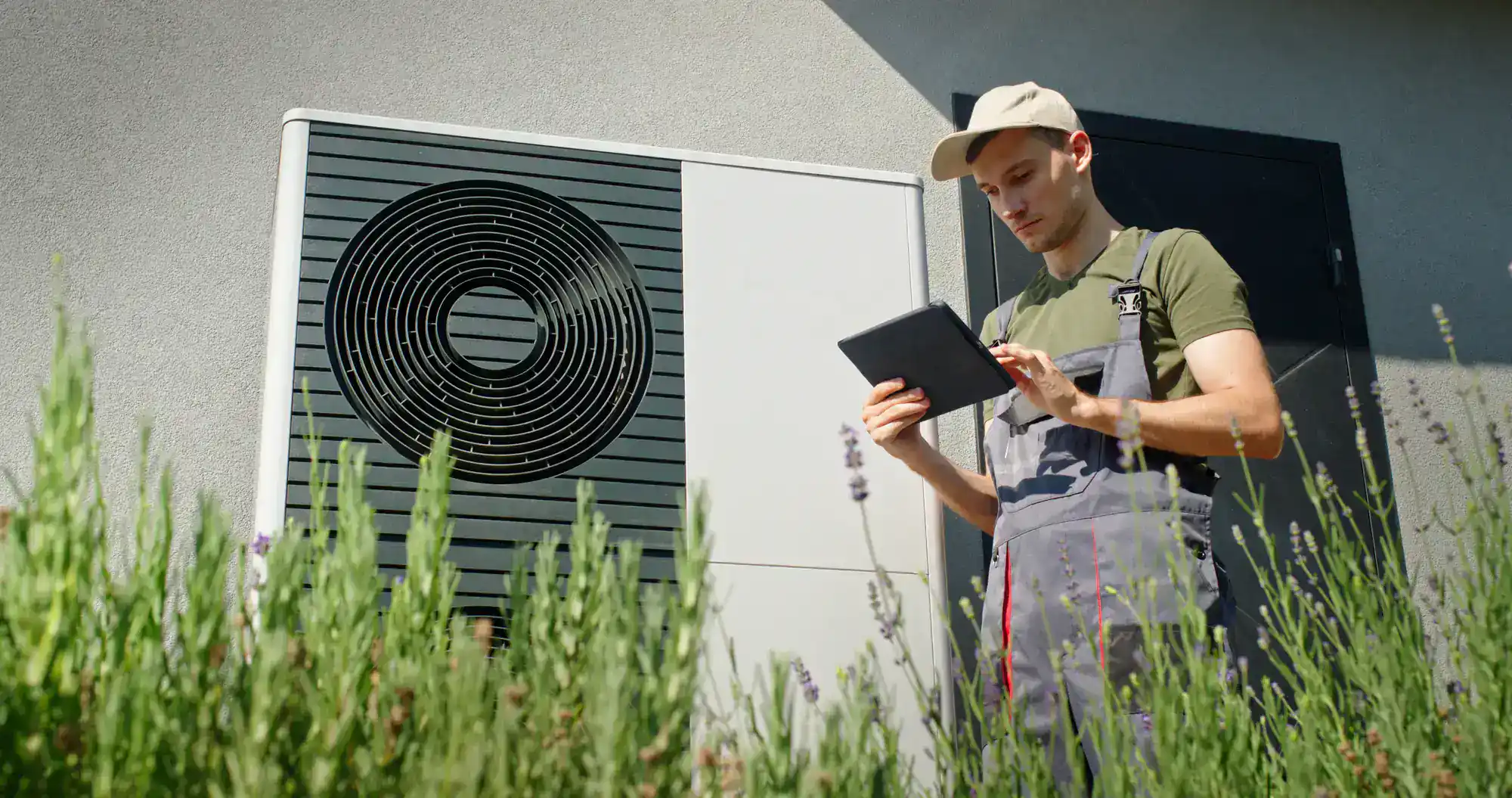
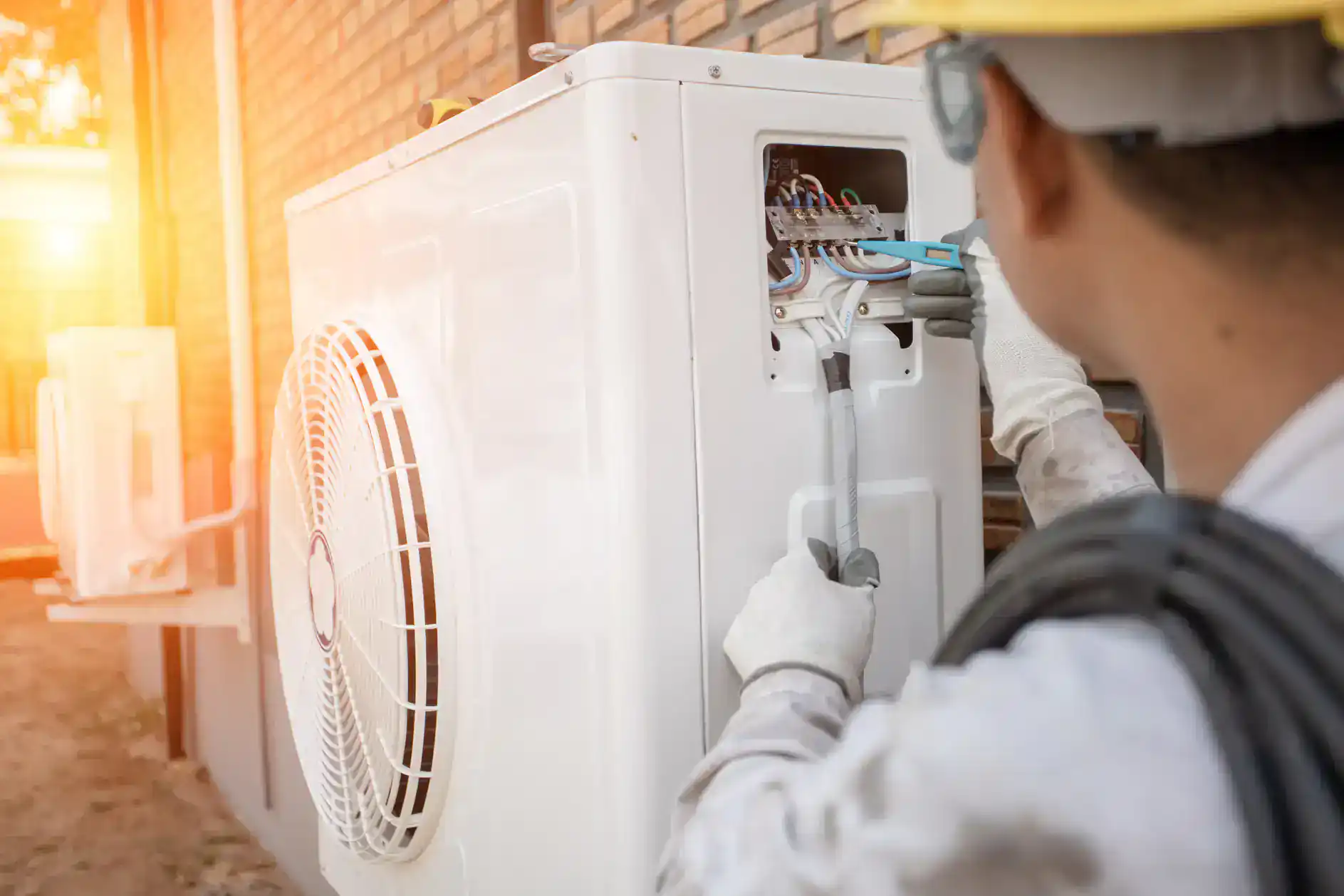
Your monthly energy bill drops. Austin homeowners with heat pumps spend roughly 50% less on heating and cooling compared to all-electric systems. That’s real money back in your account every month, not just during peak summer or the occasional freeze.
You stop managing two systems. No more coordinating furnace repairs in winter and AC tune-ups in summer. One heat pump installer handles everything because it’s one piece of equipment doing both jobs.
Your home stays comfortable when Austin’s weather swings from 100°F to below freezing. Heat pumps work efficiently in temperatures above 40°F, which covers nearly every day of the year here. You’re not gambling on whether your system can keep up when it matters most.
We’re veteran-owned with over 20 years of HVAC experience across Austin, San Antonio, and Houston. We’ve installed heat pump systems in hundreds of Central Texas homes, so we know exactly how Austin’s climate affects equipment performance and what sizing actually works in your neighborhood.
Our technicians are licensed, insured, and trained on the latest heat pump technology. We’re available 24/7 because system failures don’t wait for business hours—especially during July heat or January cold snaps.
We’ve been doing this long enough to know what Austin homeowners need: straight answers about costs, realistic timelines, and installations done right the first time. No upselling, no runaround.
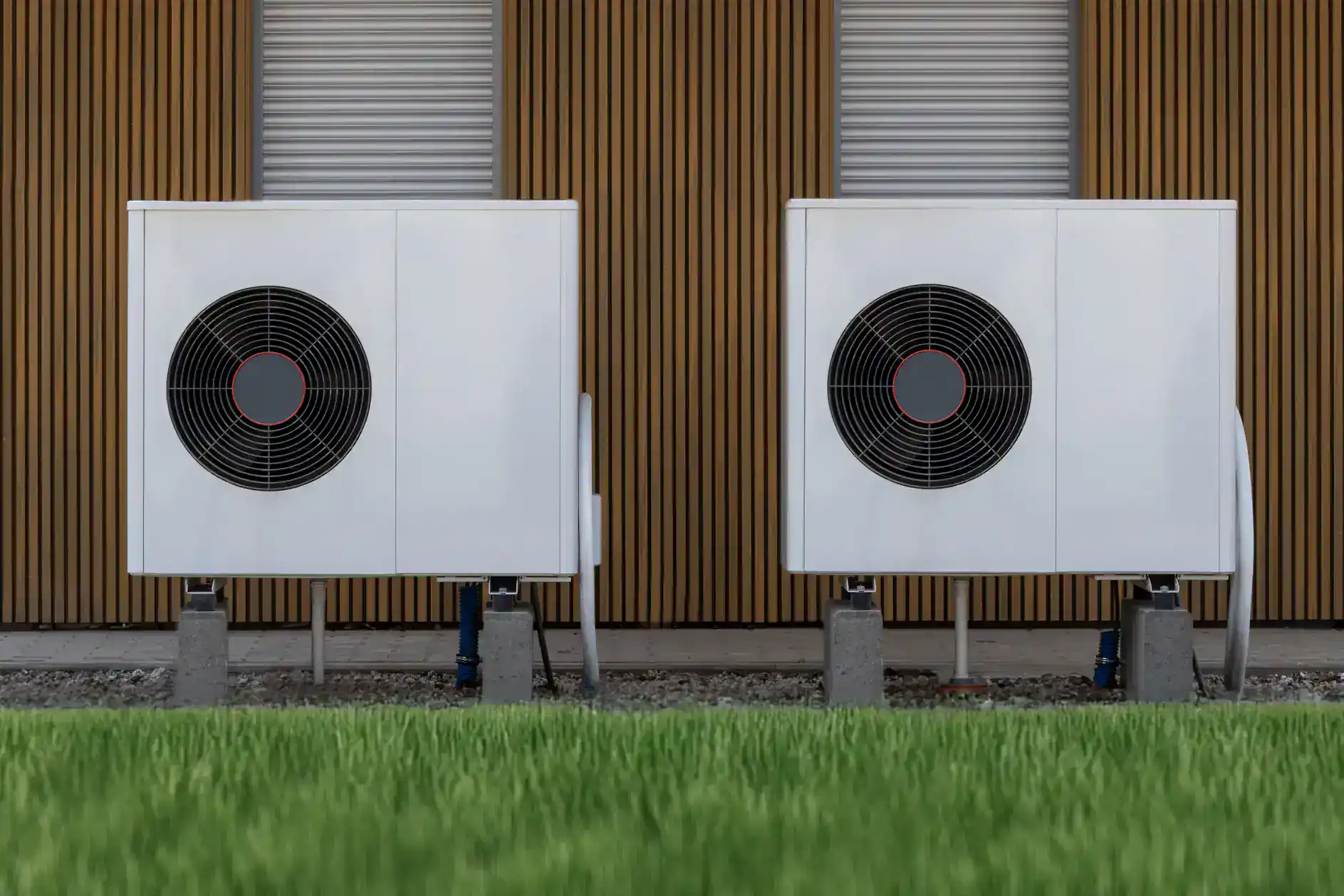
First, we assess your home. That means looking at your current ductwork, electrical capacity, square footage, insulation, and how your home is laid out. Heat pump sizing isn’t guesswork—undersized units run constantly and wear out fast, while oversized units cycle too frequently and waste energy.
Next, we walk you through equipment options and rebates. Austin Energy offers up to $3,000 in rebates for qualifying heat pump installations, plus zero-interest financing through Velocity Credit Union. We handle the paperwork so you’re not navigating utility programs alone.
Installation day typically takes 6-8 hours depending on your setup. We remove your old system, install the new heat pump, connect it to existing ductwork (or modify as needed), test airflow and refrigerant levels, and program your thermostat. Before we leave, we show you how everything works and answer any questions.
After installation, you’ll notice the difference immediately—quieter operation, more consistent temperatures, and lower energy bills starting with your next statement.
Ready to get started?
You get a properly sized system based on Manual J load calculations—the industry standard for determining correct equipment capacity. This matters in Austin because our 95°F design temperature in summer and 33°F in winter require precise sizing to maintain efficiency year-round.
Your installation includes all necessary electrical work, refrigerant line connections, condensate drain setup, and thermostat programming. If your ductwork needs modifications or sealing to prevent energy loss, we handle that too. Leaky ducts can waste 20-30% of your conditioned air, which defeats the purpose of installing an efficient heat pump.
We also walk you through Austin Energy’s rebate application and help you understand your new system’s maintenance needs. Heat pumps need filter changes every 1-3 months and annual professional servicing to maintain peak efficiency. Skipping maintenance can reduce efficiency by 25% and void manufacturer warranties.
Austin’s climate is ideal for heat pump efficiency because we rarely drop below 40°F for extended periods. That means your system operates in its optimal range almost all year, unlike northern climates where backup heating kicks in frequently and drives up costs.
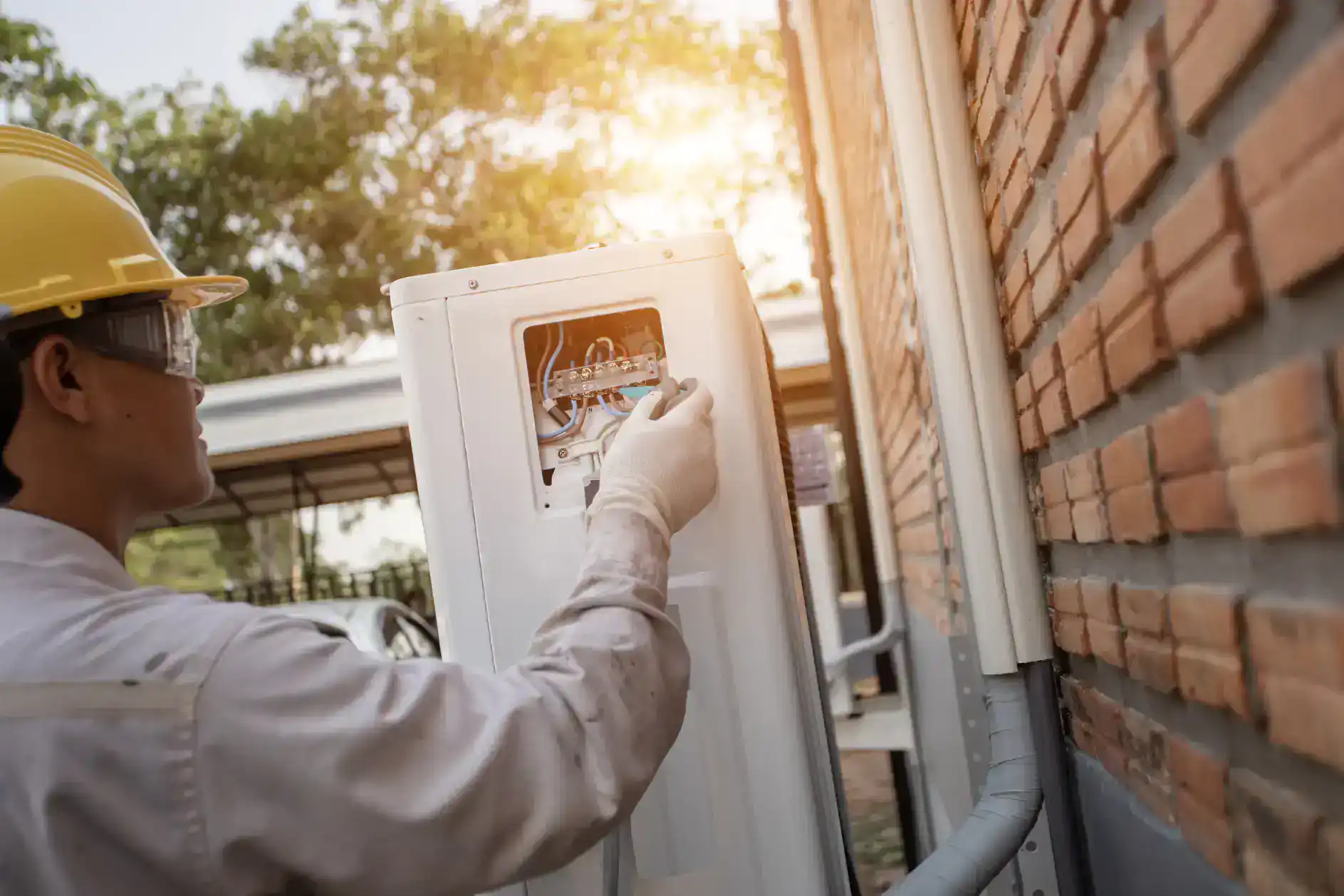
Heat pump installation in Austin typically runs between $5,400 and $8,700 including equipment and labor, with most homeowners paying around $7,000. That’s before rebates—Austin Energy offers up to $3,000 back through their Power Saver program, which is the largest rebate in Texas.
Your final cost depends on system size, efficiency rating (SEER and HSPF), and whether your home needs ductwork modifications or electrical upgrades. A 2,000-square-foot home usually needs a 3-ton unit, while larger homes may require 4-5 tons. Higher-efficiency models cost more upfront but save more on monthly bills.
Austin Energy customers also qualify for 0% APR financing through Velocity Credit Union, which spreads the cost over time without interest charges. When you factor in rebates and monthly energy savings—heat pumps cost about 50% less to operate than traditional electric heating and cooling—most homeowners see a positive return within 5-7 years.
Yes. Heat pumps cool just as effectively as traditional air conditioners because they use the same refrigeration process—they just reverse it for heating. In Austin’s summer heat, a properly sized heat pump will keep your home comfortable while using significantly less energy than older HVAC systems.
Modern heat pumps have SEER ratings between 14 and 22, with higher numbers meaning better efficiency. Austin’s average summer temperature of 95°F falls well within the operating range where heat pumps perform optimally. They’re designed to handle temperatures up to 110°F without issue.
The key is proper installation and sizing. An undersized unit will struggle during peak heat, while an oversized unit will cool too quickly without removing enough humidity, leaving your home clammy. That’s why load calculations matter—we size your system based on your home’s specific characteristics, not just square footage.
Austin Energy offers approximately $3,000 in rebates for whole-home heat pump installations through their Power Saver program. This is the largest utility rebate in Texas and applies to qualifying high-efficiency systems that meet minimum SEER and HSPF ratings.
You also get access to 0% APR financing through Velocity Credit Union if you’re an Austin Energy customer. This combination of rebates and zero-interest financing makes heat pump installation more affordable upfront compared to other Texas cities.
The federal tax credit that previously offered additional savings expired December 31, 2025, so utility rebates are now the primary incentive. We handle the Austin Energy rebate paperwork as part of your installation—you don’t need to navigate the application process yourself. Processing typically takes 6-8 weeks after installation, and the rebate comes as a credit on your utility bill.
Heat pumps typically last 12-15 years in Austin with proper maintenance. That’s slightly shorter than the 15-20 year lifespan in milder climates because Austin’s hot summers mean your system runs more frequently for cooling.
Regular maintenance extends equipment life significantly. Annual professional servicing, filter changes every 1-3 months, and keeping outdoor units clear of debris help your heat pump reach or exceed its expected lifespan. Systems that don’t get maintained lose efficiency by about 5% per year and often fail prematurely.
When your heat pump reaches 10-12 years old, repair costs typically increase and efficiency drops. Newer models are significantly more efficient—a 15-year-old heat pump might have a SEER of 10, while current models range from 14-22. Replacing an aging system often pays for itself through energy savings alone, especially with Austin Energy’s rebates available.
Yes. Heat pumps work efficiently down to about 40°F, and Austin’s average winter low is 41°F. Even during cold snaps when temperatures drop into the 20s or teens, modern heat pumps continue heating—they just work harder and may need backup heat to maintain comfort.
Most heat pump installations in Austin include electric resistance backup heat (also called auxiliary or emergency heat) that automatically kicks in when outdoor temperatures drop below the heat pump’s efficient operating range. This ensures your home stays warm even during rare extreme cold events like the 2021 winter storm.
Austin’s mild winters mean your heat pump operates in its most efficient range almost all year. You’re not constantly running backup heat like homeowners in Minnesota or Montana, which is why heat pumps make so much financial sense here. Your system spends most of its time in the temperature range where it’s 2-3 times more efficient than traditional heating.
Your heat pump needs professional servicing once a year—ideally in spring before cooling season. This includes checking refrigerant levels, cleaning coils, inspecting electrical connections, testing airflow, and ensuring the system operates at peak efficiency. Annual maintenance prevents most major breakdowns and keeps your warranty valid.
Between professional visits, change your air filter every 1-3 months depending on usage and whether you have pets. Dirty filters restrict airflow, force your system to work harder, and can reduce efficiency by 15%. Keep the outdoor unit clear of leaves, grass clippings, and debris, and trim vegetation back at least two feet on all sides for proper airflow.
Austin’s climate is easier on heat pumps than extreme climates, but our high pollen counts in spring and dust in summer mean filters get dirty faster. If you notice reduced airflow, warm air when cooling, or higher-than-normal energy bills, call for service rather than waiting for your annual appointment. Small issues caught early prevent expensive repairs later.
Other Services we provide in Austin
 Call Now