
You’re paying too much to heat and cool your home. Most Boerne homeowners are—especially when utility costs already run higher than the national average and summer temps regularly hit triple digits.
A properly installed heat pump changes that. It pulls heat from outside air to warm your home in winter and reverses the process to cool in summer. The result? You use up to 75% less electricity for heating compared to traditional systems, and you get consistent temperatures in every room without the constant thermostat adjustments.
This isn’t about minor savings. Homeowners in Texas typically recoup their heat pump investment within 5-10 years through energy savings alone. After that, you’re just banking the difference every month. And because Boerne’s winters stay relatively mild, your system won’t strain itself trying to keep up—meaning it lasts longer and performs better than it would in harsher climates.
We’ve spent over 20 years installing heat pumps across San Antonio, Austin, and Houston metro areas. We’re veteran-owned, which means we show up when we say we will, we do the work right the first time, and we don’t leave until you’re comfortable.
Boerne homes have specific demands. Your insulation levels, square footage, and how your home sits on the property all affect which heat pump works best and how it should be installed. We run Manual J load calculations on every job—not guesses, not rules of thumb—because an oversized system short-cycles and dies early, while an undersized one runs constantly and never catches up.
You’ll work with certified technicians who’ve seen every type of home in this area. We’re available 24/7 for emergencies, and we’re honest about what you actually need versus what some companies will try to sell you.
First, we come to your home and assess your space. We measure square footage, check insulation, evaluate your ductwork, and look at how your home is oriented. This isn’t a 10-minute walkthrough—it’s a real assessment that determines the right system size and type for your specific situation.
Next, we run a Manual J load calculation. This accounts for Boerne’s climate, your home’s construction, and your actual heating and cooling needs. It tells us exactly what capacity your heat pump should be—no more, no less. Getting this wrong is the fastest way to waste money and shorten your system’s lifespan.
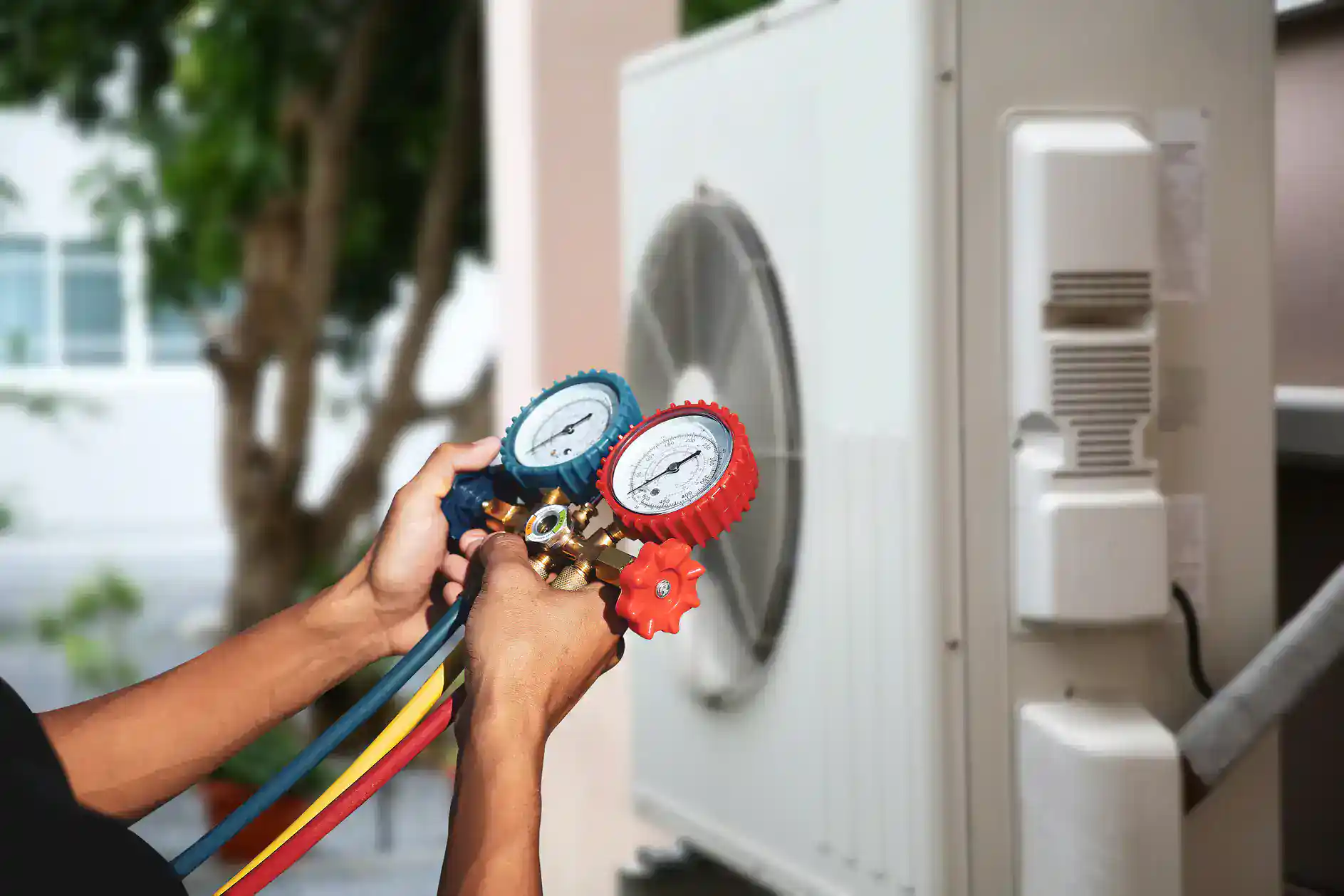
Then we install. Our team removes your old equipment if needed, installs the new heat pump system, connects it to your existing ductwork (or modifies ducts if necessary), and tests everything under load. We check refrigerant levels, airflow, and thermostat calibration. Before we leave, we walk you through how to operate your new system and what to expect during the first few weeks as it settles in.
You’ll notice the difference immediately—more consistent temperatures, quieter operation, and lower energy bills starting with your next utility statement.
Ready to get started?
You’re getting a complete system installation, not just equipment dropped in your yard. That includes the outdoor condenser unit, the indoor air handler, refrigerant lines, electrical connections, thermostat setup, and full ductwork integration.
We handle all permits and inspections required in Boerne. You don’t chase down paperwork or deal with the city—we do. Every installation meets or exceeds local building codes and manufacturer specifications, which protects your warranty and your investment.
After installation, you get a full system walkthrough. We show you how to use your new thermostat, explain what maintenance you should expect, and give you a realistic timeline for filter changes and tune-ups. Most heat pumps in Texas last 10-15 years with proper maintenance, and we’ll set you up with a service plan if you want one.
Boerne’s climate is ideal for heat pumps. You’re not dealing with extended freezes that force the system into auxiliary heat mode, which is where efficiency drops. Your system will run in its optimal range most of the year, which means better performance and lower costs than homeowners in colder states experience. That’s why Texas has more heat pumps installed than any other state—1.95 million and counting—because they actually work here.
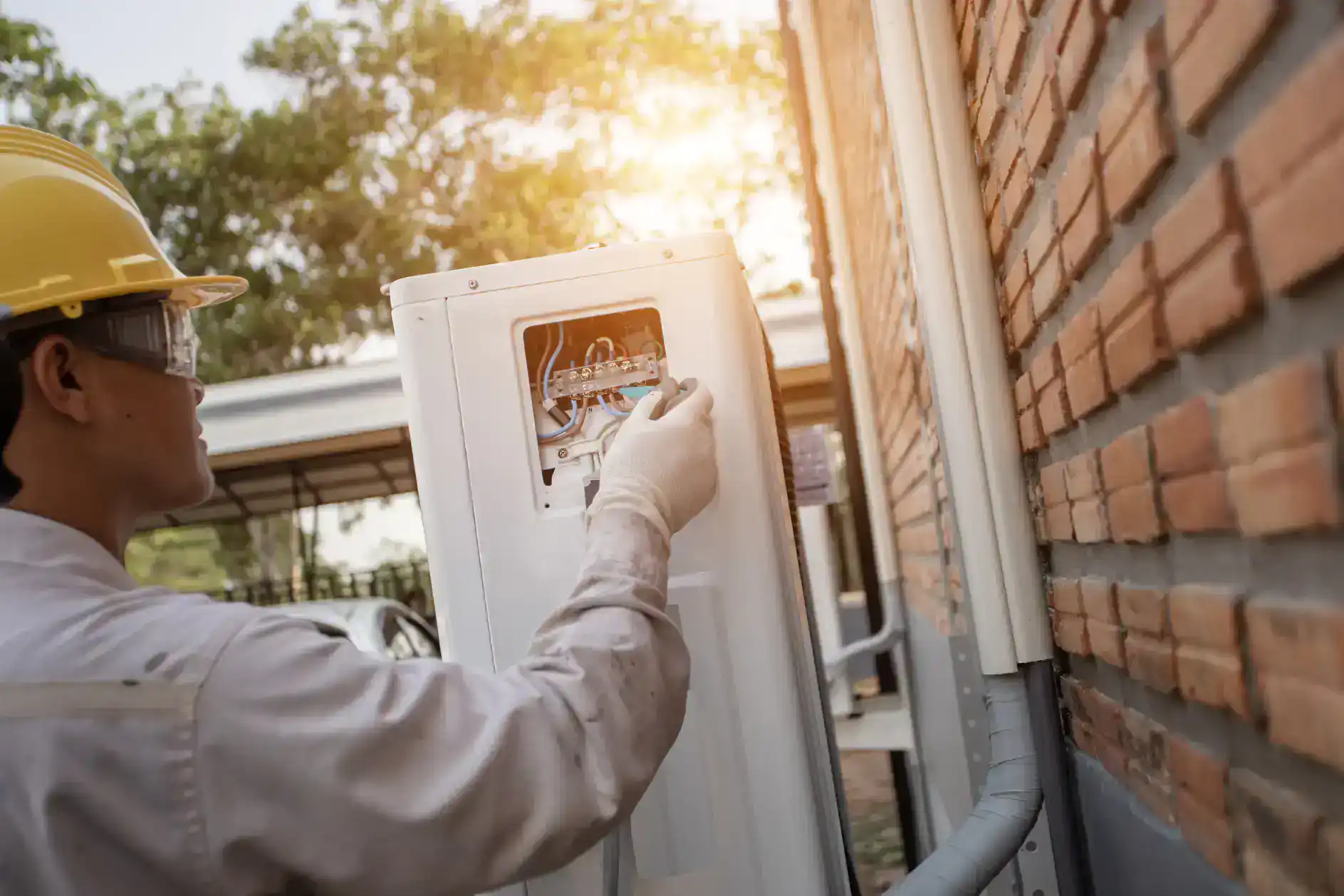
Installation costs vary based on your home’s size, the system capacity you need, and whether your existing ductwork requires modifications. Most Boerne homeowners spend between $5,000 and $12,000 for a complete heat pump system installation.
That range accounts for different system types—standard air-source heat pumps on the lower end, high-efficiency models with advanced features on the higher end. If your ductwork needs significant repairs or replacement, that adds to the cost. If your electrical panel needs upgrading to handle the new system, that’s another factor.
Here’s what matters more than the upfront cost: your return on investment. Heat pumps can cut your heating electricity use by up to 75% compared to resistance heating. For a typical Boerne home, that translates to $600-$1,200 in annual savings. You’re looking at a 5-10 year payback period, after which you’re just pocketing the savings every month. And with utility incentives available through Oncor and other providers, you might qualify for rebates that reduce your initial investment.
Yes. A heat pump cools your home just as effectively as a traditional air conditioner—because it essentially is an air conditioner that can also reverse its operation to provide heat.
During summer, your heat pump pulls heat from inside your home and transfers it outside, exactly like a standard AC system. The difference is efficiency. Modern heat pumps often exceed 20 SEER ratings, which means they cool your home using less electricity than older AC units. When Boerne temperatures climb into the 90s and triple digits, that efficiency translates directly into lower utility bills.
The real advantage shows up in shoulder seasons—spring and fall—when you need cooling during the day and heating at night. Instead of running separate systems or leaving one off and being uncomfortable, your heat pump switches modes automatically based on your thermostat setting. One system, year-round comfort, lower operating costs than running separate heating and cooling equipment.
Most installations take one full day, though larger homes or complex setups might require two days.
The timeline depends on several factors. If we’re replacing an existing HVAC system and your ductwork is in good shape, we can typically complete installation in 6-8 hours. That includes removing old equipment, installing the new heat pump system, making all electrical and refrigerant connections, testing the system, and walking you through operation.
If your ductwork needs modification or repair, add another half day. If we’re installing a heat pump in a home that previously had a furnace and separate AC unit, we might need to reconfigure some connections, which extends the timeline. If your electrical panel needs upgrading to handle the new system’s power requirements, that’s additional time as well.
We’ll give you an accurate timeline during your assessment. What we won’t do is rush the job to hit an arbitrary deadline. Proper installation determines how well your system performs and how long it lasts. We’d rather take an extra few hours and do it right than cut corners and leave you with problems down the road.
The right size depends on your home’s specific characteristics, not general rules of thumb. That’s why we run a Manual J load calculation for every installation.
This calculation accounts for your home’s square footage, insulation levels, window types and placement, ceiling height, number of occupants, and Boerne’s specific climate data. It tells us exactly how much heating and cooling capacity your home requires to maintain comfortable temperatures efficiently.
Most Boerne homes need between 2 and 5 tons of capacity, but that range is almost meaningless without knowing your specific situation. An oversized system costs more upfront, cycles on and off too frequently (which wears components faster), and doesn’t dehumidify properly. An undersized system runs constantly, never quite reaches your target temperature, and burns itself out trying to keep up.
The worst thing you can do is let someone size your system based on square footage alone. A 2,000-square-foot home with poor insulation and west-facing windows needs a different capacity than a 2,000-square-foot home with spray foam insulation and strategic shading. We size systems based on your actual load requirements, not guesses.
No. Heat pumps require about the same maintenance as a standard air conditioning system—which makes sense, since they operate on the same basic principles.
You should change or clean filters every 1-3 months depending on usage and indoor air quality. You need professional maintenance twice a year—once before cooling season, once before heating season. During these tune-ups, we check refrigerant levels, clean coils, inspect electrical connections, test safety controls, and verify the system is operating at peak efficiency.
The only additional consideration is defrost cycle monitoring in winter, but that’s automatic and rarely causes issues in Boerne’s mild climate. Unlike northern states where heat pumps work hard to defrost coils during extended freezes, your system will rarely encounter conditions that stress the defrost function.
What actually extends your heat pump’s lifespan is consistent maintenance, not excessive maintenance. Skipping tune-ups costs you more in the long run—reduced efficiency means higher bills, and small problems turn into expensive repairs. Most heat pumps in Texas last 10-15 years with proper care. Without it, you’re looking at 7-10 years and more frequent service calls.
Yes. Many Boerne homeowners switch from furnace-based heating to heat pump systems, and the transition is straightforward if your ductwork is in decent shape.
We remove your existing furnace and outdoor AC unit (if you have one), then install the heat pump’s indoor air handler and outdoor condenser. The air handler connects to your existing ductwork, and we run refrigerant lines between the indoor and outdoor units. Your thermostat gets upgraded to one that controls both heating and cooling functions through the heat pump.
The main consideration is ductwork condition. If your ducts are leaking or poorly insulated, we’ll recommend sealing or replacing them. Leaky ducts waste 20-30% of conditioned air, which kills efficiency and comfort regardless of how good your new heat pump is.
Some homeowners choose to keep their furnace as backup heat for the rare times Boerne temperatures drop near freezing. This is called a dual-fuel system, and it gives you options—the heat pump handles most of your heating needs efficiently, and the furnace kicks in only during extreme cold. It’s not necessary for most homes here, but it’s an option if you want maximum flexibility.
Other Services we provide in Boerne
 Call Now