
Your heat pump handles both summer heat and winter cold without switching systems or doubling your equipment costs. You’re looking at one unit doing the work of two, installed properly so it actually delivers the efficiency everyone talks about.
Most Bulverde homeowners see their energy bills drop by $300 or more annually compared to electric resistance heating. That’s real money back in your pocket, not theoretical savings that disappear when the weather gets extreme.
The federal government is covering a significant chunk of the upfront cost right now. Low-income households can get up to $14,000 in rebates—that’s 100% coverage for many installations. Moderate-income families qualify for up to $7,000, covering roughly half the project. Add the $2,000 federal tax credit on top of that, and you’re looking at a system that pays for itself faster than you’d expect.
You also get a system that lasts 15-20 years with basic maintenance, doesn’t burn fuel in your home, and keeps working when the Texas grid gets stressed. Heat pumps pull less power during peak demand, which matters when everyone else is cranking their heaters during a cold snap.
We’ve been installing and servicing HVAC systems across the San Antonio area for over 20 years. We’re veteran-owned, which means we show up when we say we will and we don’t cut corners to close a job faster.
Bulverde presents specific challenges most installers don’t account for. The hard water here causes calcium buildup faster than other parts of Texas, which affects system performance if your installer doesn’t plan for it. Cedar pollen and construction dust from surrounding ranch land mean your filters need attention more often, and your system needs to be sized and installed with that reality in mind.
We’ve installed heat pumps in homes across the Hill Country long enough to know what works here and what fails in three years. Our technicians are licensed, insured, and trained on the equipment we install. We offer 24/7 emergency service because HVAC emergencies don’t wait for business hours, and we back our work with comprehensive warranties on parts and labor.
We start with a load calculation for your home. This isn’t a guess based on square footage—it’s a detailed assessment of your insulation, windows, ductwork, and how your specific home gains and loses heat. Get this wrong and your system runs constantly, wears out early, and never hits the efficiency numbers you paid for.
Next, we evaluate your existing ductwork and electrical setup. Older homes often need modifications to handle a heat pump properly. We’ll tell you upfront what’s required and why, not after we’ve started tearing things apart.
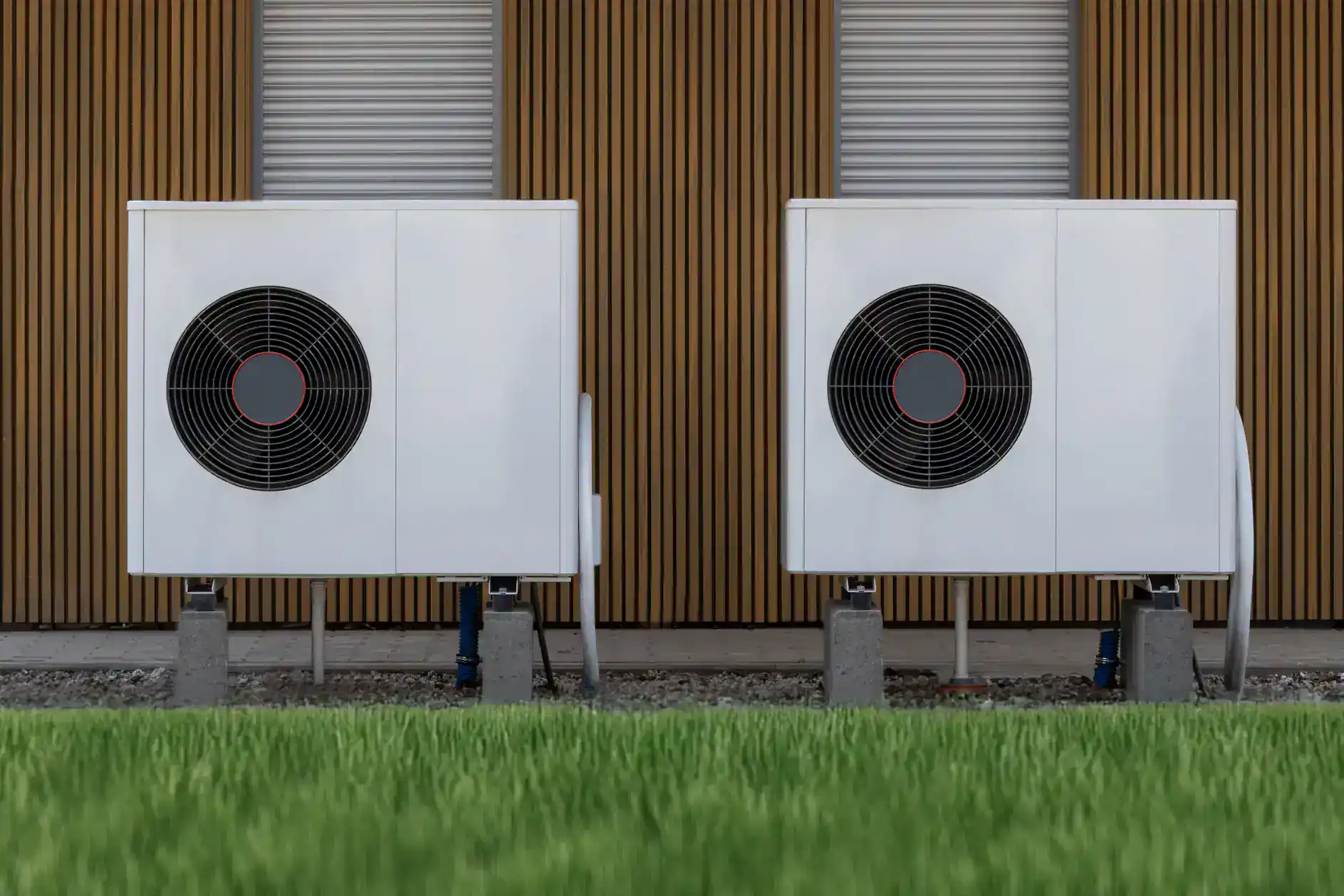
Installation day involves setting the outdoor unit on a proper concrete pad (critical in Bulverde’s rocky terrain), connecting refrigerant lines, upgrading electrical if needed, and integrating with your existing ductwork or installing new zones if that makes more sense. We test airflow, refrigerant charge, and thermostat operation before we leave.
After installation, we walk you through your new system’s operation and maintenance requirements. You’ll know how to change filters, what sounds are normal, and when to call us. We also schedule your first maintenance visit, which is essential for keeping your warranty valid and your system running efficiently.
The whole process typically takes one to two days depending on your home’s setup. We clean up completely, haul away old equipment, and make sure you’re comfortable with everything before we consider the job done.
Ready to get started?
Your heat pump installation includes the outdoor condensing unit, indoor air handler, thermostat (programmable or smart, depending on what you choose), all refrigerant lines, electrical connections, and concrete pad for the outdoor unit. We handle all permits and inspections required by Bulverde and Comal County.
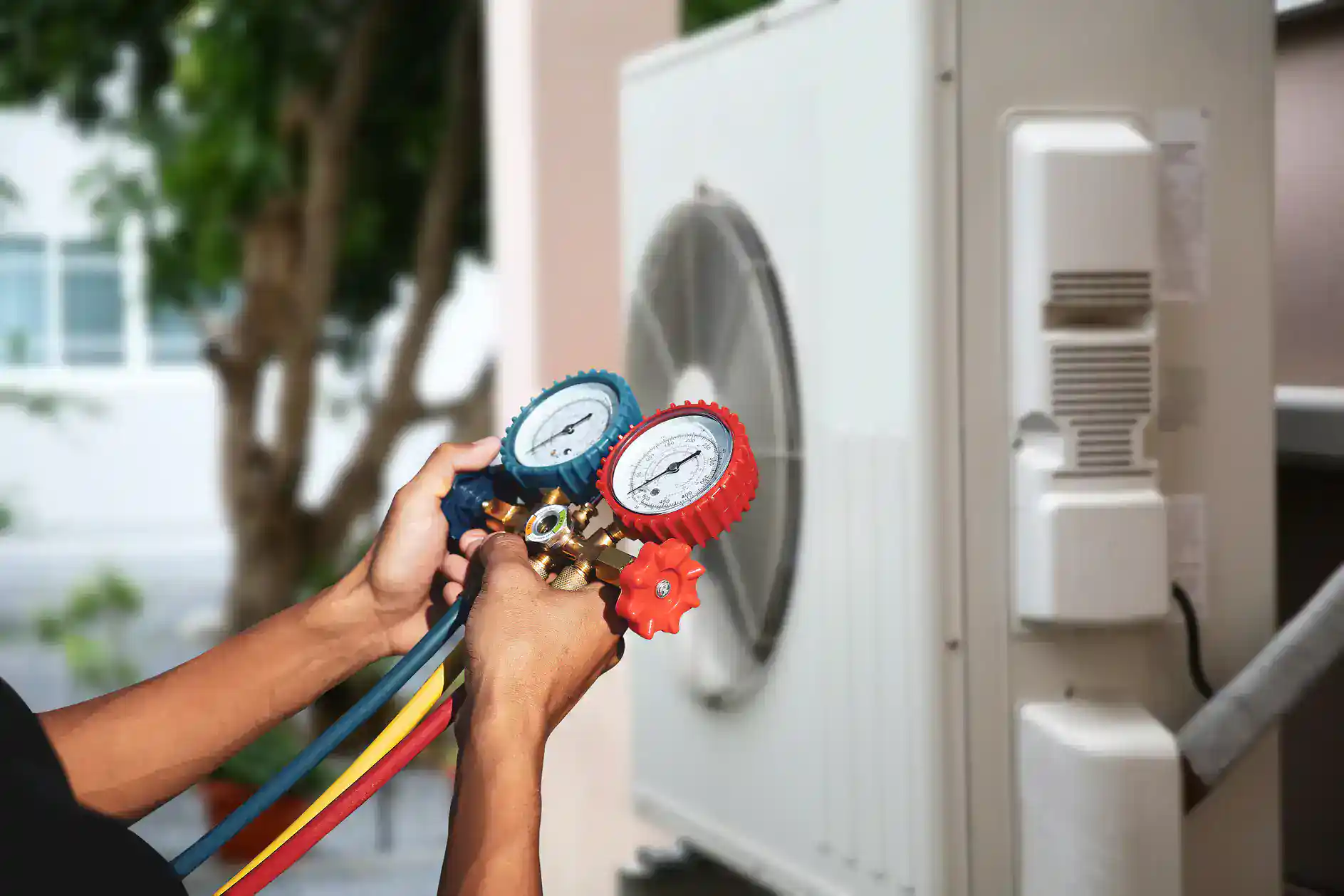
You also get a complete system startup and performance verification. We’re checking temperature splits, airflow at each register, refrigerant pressures, and electrical draw to confirm everything matches manufacturer specifications. This isn’t optional—it’s how we make sure your system delivers the efficiency and comfort you’re paying for.
We include a walkthrough of your rebate paperwork. The federal incentives are substantial, but the application process has specific requirements. We document everything needed for your rebate submission and provide the technical specs required by the programs.
Your installation comes with our workmanship warranty covering labor, plus manufacturer warranties on equipment. We also set you up with a maintenance plan option, which makes sense in Bulverde’s environment. The cedar pollen, dust, and hard water here accelerate wear on HVAC systems. Regular maintenance catches small issues before they become expensive failures and keeps your system running at peak efficiency.
We offer 24/7 emergency service after installation. If something goes wrong at 2 AM during a cold snap, you’re not waiting until Monday morning for help.
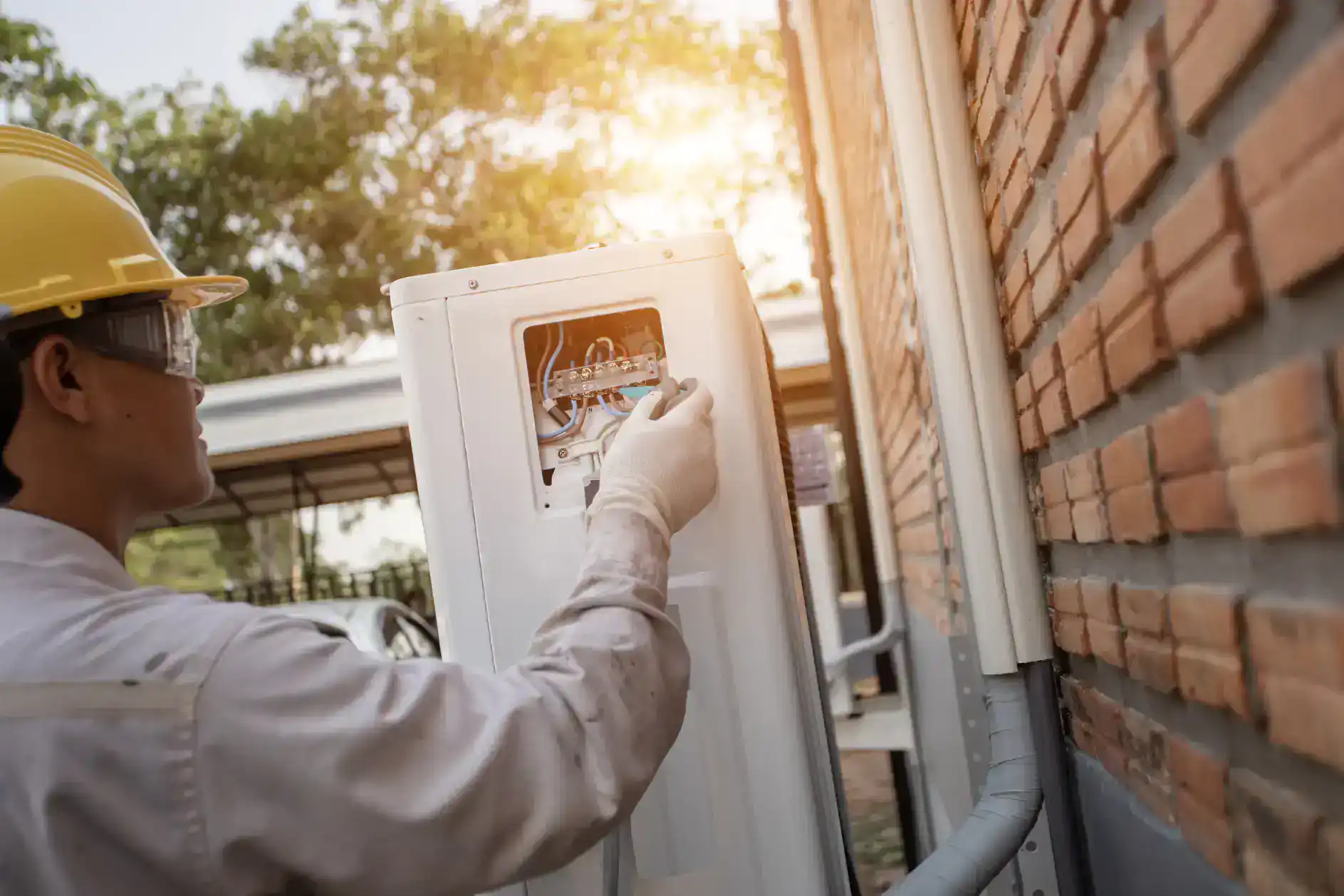
Heat pump installation in Bulverde typically runs between $5,000 and $12,000 depending on your home’s size, existing ductwork condition, and the system capacity you need. The average installation lands around $5,500 for a straightforward replacement, but that number moves up if you need electrical panel upgrades, ductwork modifications, or you’re installing in a larger home.
Here’s what affects your final cost: Older homes often need electrical upgrades to handle the heat pump’s power requirements safely. Ductwork that’s undersized, leaking, or poorly designed will kill your system’s efficiency, so sometimes modifications are necessary. The outdoor unit needs a proper concrete pad, and in Bulverde’s rocky terrain, site preparation can add to the cost.
Federal rebates change this math significantly. Low-income households can receive up to $14,000 in rebates, which covers most installations completely. Moderate-income families qualify for up to $7,000, cutting the cost roughly in half. There’s also a $2,000 federal tax credit available regardless of income. We help you navigate these programs and document everything needed for your applications.
Yes, modern heat pumps handle Bulverde’s summer heat effectively, but proper sizing and installation make the difference between a system that works and one that struggles. Heat pumps cool your home the same way air conditioners do—they’re essentially the same technology running in reverse for heating.
The challenge in Bulverde isn’t the heat itself, it’s the combination of high temperatures, intense UV exposure, and the way temperatures can feel 15 degrees hotter than the actual reading due to elevation and sun intensity. A properly sized system accounts for these factors during the load calculation. Undersized systems run constantly and never quite catch up on the hottest days. Oversized systems short-cycle, which wastes energy and doesn’t dehumidify properly.
Heat pumps also dehumidify better than standard air conditioning during operation, which matters during Bulverde’s humid periods. You’ll notice the difference in comfort even when the thermostat shows the same temperature. The key is working with an installer who understands local conditions and doesn’t just guess at sizing based on square footage. We’ve installed enough systems in the Hill Country to know what capacity your home actually needs.
Most heat pump installations in Bulverde take one to two days from start to finish. A straightforward replacement where we’re swapping out an existing system with similar capacity and your ductwork is in good shape usually wraps up in a single day. More complex installations requiring electrical upgrades, ductwork modifications, or challenging site conditions take two days.
Day one typically involves removing old equipment, setting the concrete pad for the outdoor unit, running or modifying refrigerant lines, making electrical connections, and installing the indoor air handler. Day two (if needed) covers ductwork modifications, final electrical work, system startup, and testing. We don’t rush installations to hit a one-day timeline if your home needs more attention.
The timeline extends if we’re waiting on permits, electrical panel upgrades require utility coordination, or we discover issues with existing ductwork that need addressing. We’ll give you a realistic timeline during the estimate based on your specific situation. What we won’t do is leave you without heating or cooling overnight—if we’re doing a multi-day installation, we make sure you have temporary climate control between work days.
Heat pumps in Bulverde need more frequent attention than the standard “annual checkup” recommendation because of local environmental factors. Cedar pollen, construction dust from surrounding development, and hard water all accelerate wear on your system.
Your air filter needs changing every 30-60 days during high pollen seasons, which in Bulverde means most of spring and fall. The outdoor unit needs quarterly cleaning to remove pollen, dust, and debris that block airflow and reduce efficiency. Bulverde’s hard water causes calcium and mineral buildup in condensate lines faster than other areas, so those lines need flushing more often to prevent clogs and water damage.
Professional maintenance should happen twice a year—once before cooling season and once before heating season. This includes checking refrigerant levels, testing electrical connections, measuring airflow, inspecting ductwork for leaks, and verifying the system is hitting manufacturer performance specs. Skipping this maintenance voids most warranties and leads to efficiency losses that cost you more in energy bills than the maintenance visit would have cost.
We also recommend having your ductwork inspected every few years. Bulverde’s shifting soil and rocky terrain can cause duct connections to separate over time, and leaking ducts waste a tremendous amount of energy. Proper maintenance keeps your system running efficiently for its full 15-20 year lifespan instead of failing at year 10.
Yes, federal rebates for heat pump installation are available to Bulverde residents right now through the Inflation Reduction Act programs. The rebate amount depends on your household income, but the savings are substantial enough to make heat pumps affordable for most families.
Low-income households (those at or below 80% of area median income) qualify for rebates covering 100% of project costs up to $14,000. For most Bulverde installations, this means the entire project is covered. Moderate-income households (80-150% of area median income) qualify for rebates covering 50% of costs up to $14,000, which typically covers $5,000-$7,000 of your installation.
There’s also a separate $2,000 federal tax credit available regardless of income for heat pump installations. This is a tax credit, not a rebate, so you claim it when you file your taxes rather than receiving it upfront. You can stack this with the income-based rebates.
The rebate programs have specific requirements around equipment efficiency ratings and installation documentation. We handle the technical documentation and provide everything you need for your rebate application. The application process requires proof of income, contractor certifications, and equipment specifications—we’ve done enough of these to know exactly what’s needed. These programs won’t last forever, and funding is limited, so it makes sense to move on this while the money is available.
Modern heat pumps work effectively in Bulverde’s winter temperatures, including the occasional hard freeze. Today’s heat pump technology has improved dramatically—current systems operate efficiently down to around 5°F, and some models work down to -10°F before needing backup heat.
Bulverde rarely sees temperatures that cold. Most winter days stay well above the point where heat pumps struggle. During the occasional hard freeze that drops into the teens or low twenties, your heat pump keeps working, though it may run longer to maintain temperature. Many systems include auxiliary electric heat that kicks in automatically during extreme cold, ensuring you stay comfortable even during unusual weather events.
The key is proper installation and sizing. An undersized system struggles during temperature extremes. A properly sized system with correct refrigerant charge and airflow handles Bulverde’s winter weather without issue. The improved coil designs, updated compressors, and efficient fans in modern heat pumps make them far more capable than systems from even five years ago.
Heat pumps also respond faster than furnaces when temperatures swing, which happens frequently in Bulverde. You’re not waiting for a furnace to warm up and start producing heat—the heat pump adjusts output based on demand. For the handful of days each year when temperatures drop into the teens, your system keeps working. For the other 360 days, you’re using significantly less energy than you would with separate heating and cooling systems.
Other Services we provide in Bulverde
 Call Now