
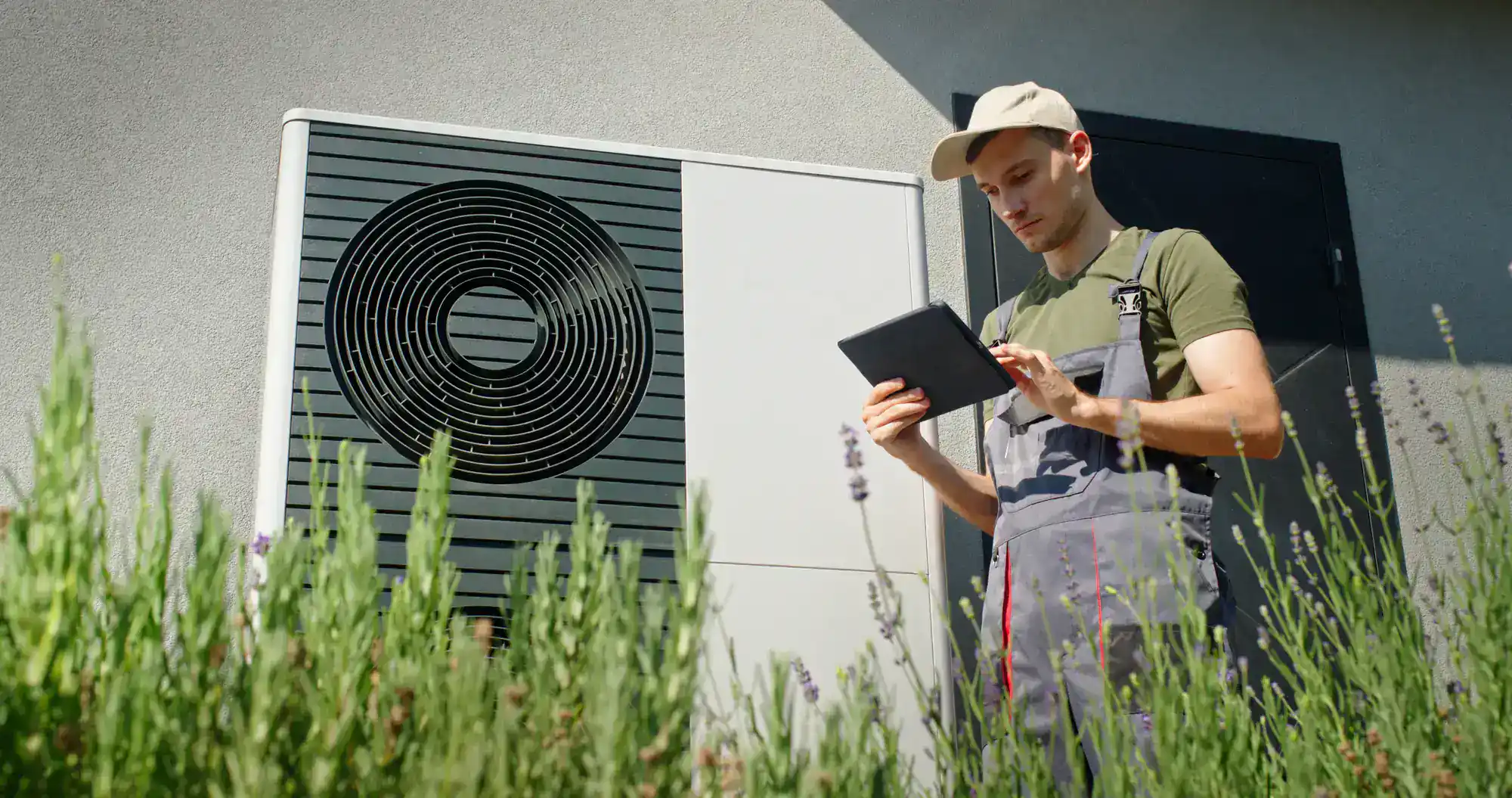
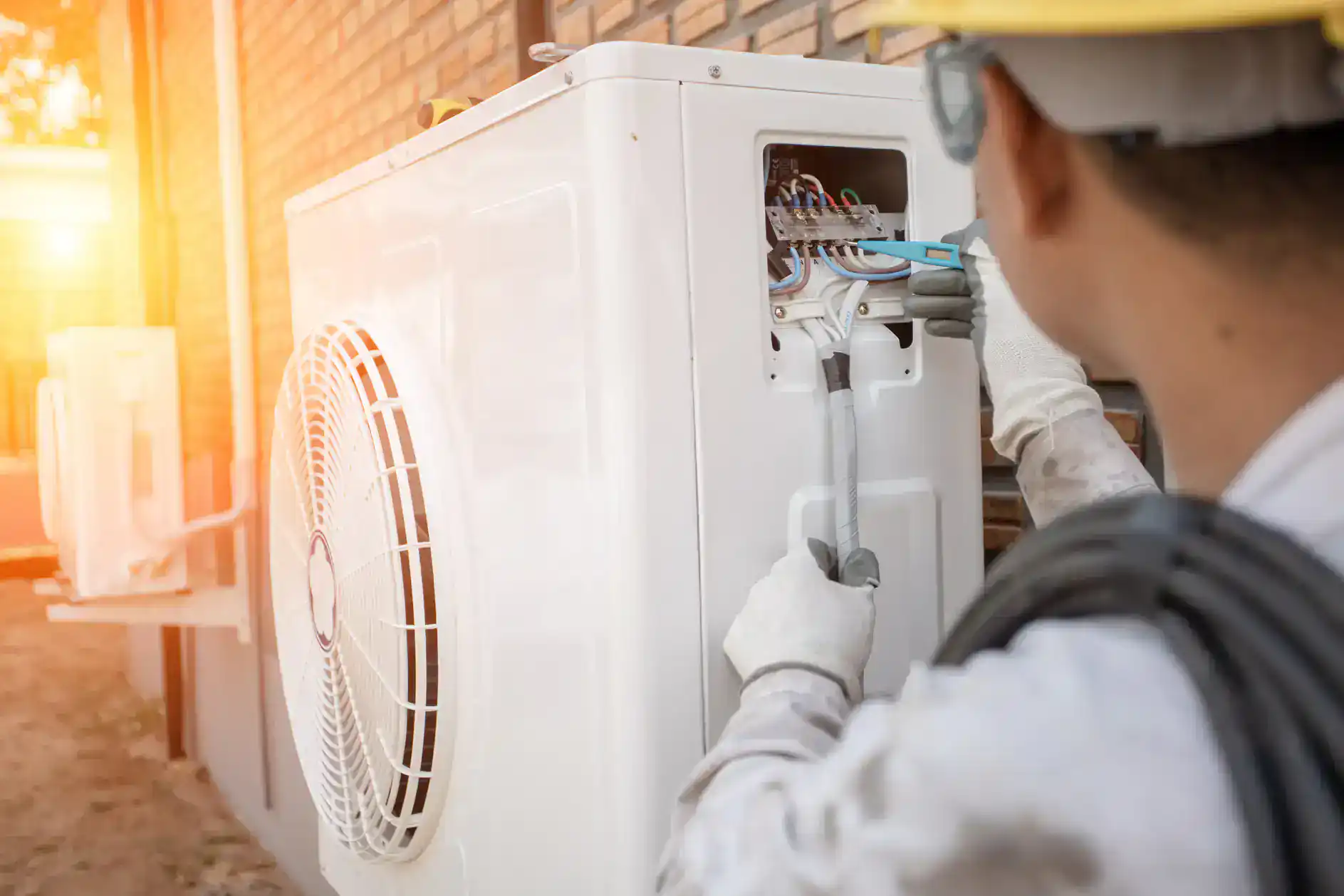
Your electric bill doesn’t have to spike every time the temperature drops or climbs. Heat pump installation in Marion, TX gives you a single system that works smarter, not harder, moving heat instead of generating it from scratch.
That efficiency translates to real savings. Most Marion homeowners see their heating costs drop by 40% or more compared to traditional furnaces. You’re looking at around $300 less per year in utility bills, and that’s before you factor in the cooling side of things during those brutal Texas summers.
The system runs quieter than you’d expect. No more furnace roar or clunky window units. Just steady, even temperatures in every room without the constant cycling that wears out equipment and drives up costs. You get comfort that actually lasts, backed by equipment designed to handle 15-20 years of Texas weather when properly maintained.
We bring over 20 years of veteran-owned HVAC experience to Marion and the surrounding Hill Country. We’ve installed hundreds of heat pump systems across zip codes 78124, 78154, and 78101, and we know exactly what works in this climate.
Marion’s mild winters and long, hot summers make heat pumps an ideal fit. You need powerful cooling from May through September, and just enough heat for those chilly mornings in December and January. That’s exactly what a properly sized heat pump system delivers.
We’re available 24/7 because HVAC emergencies don’t wait for business hours. Every technician on our team is certified, licensed, and insured. We give you transparent pricing before any work starts, and we stand behind every installation with comprehensive warranties on parts and labor.
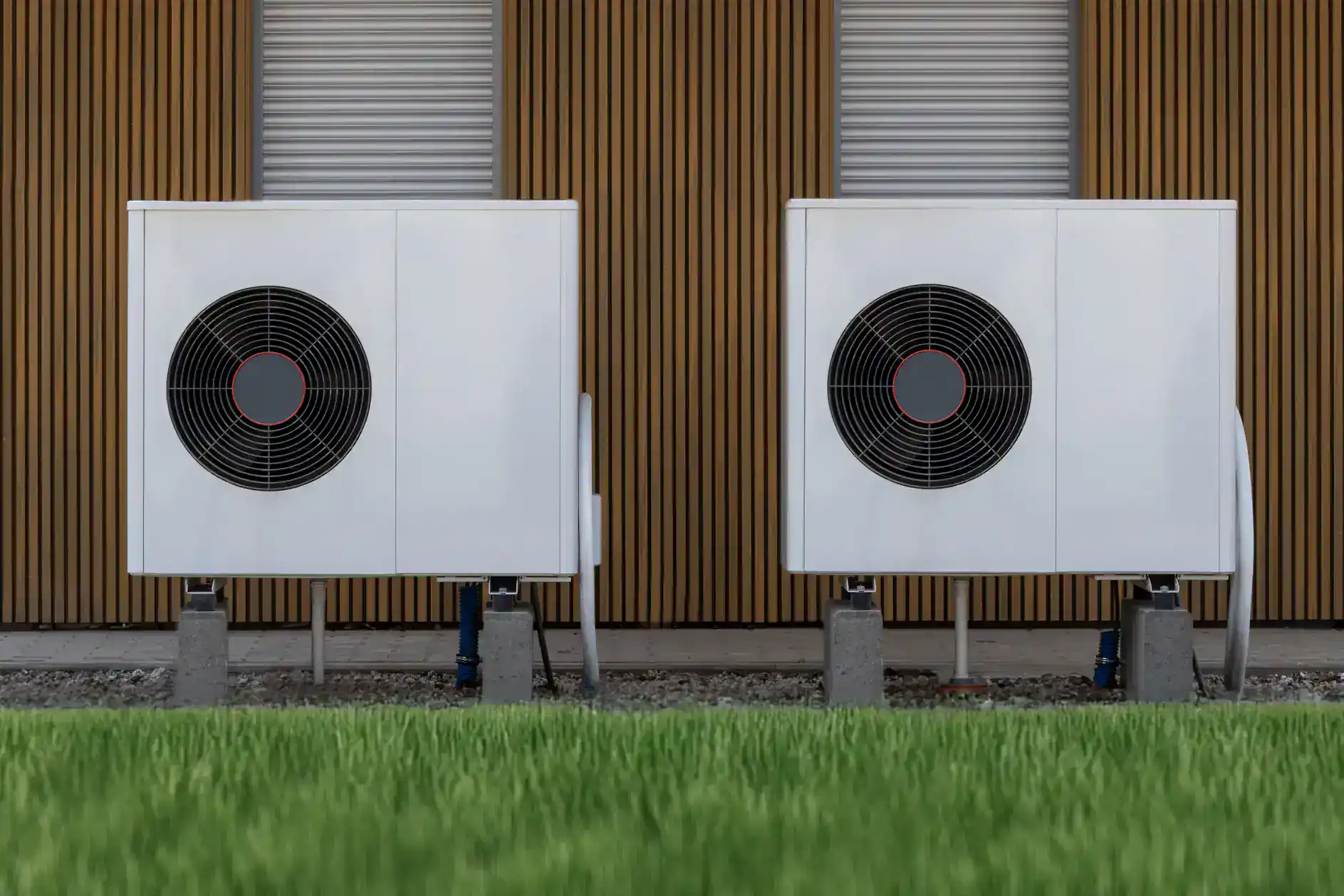
First, we assess your home’s specific needs. Square footage matters, but so does insulation quality, ductwork condition, window placement, and how your home is oriented. A heat pump installer in Marion, TX who skips this step is guessing, and guessing costs you money in the long run.
Next comes equipment selection and sizing. Bigger isn’t better. An oversized system cycles on and off too frequently, wearing out components faster and leaving humidity issues. An undersized system runs constantly and never quite gets the job done. We calculate the exact capacity your home needs based on Manual J load calculations, not rough estimates.
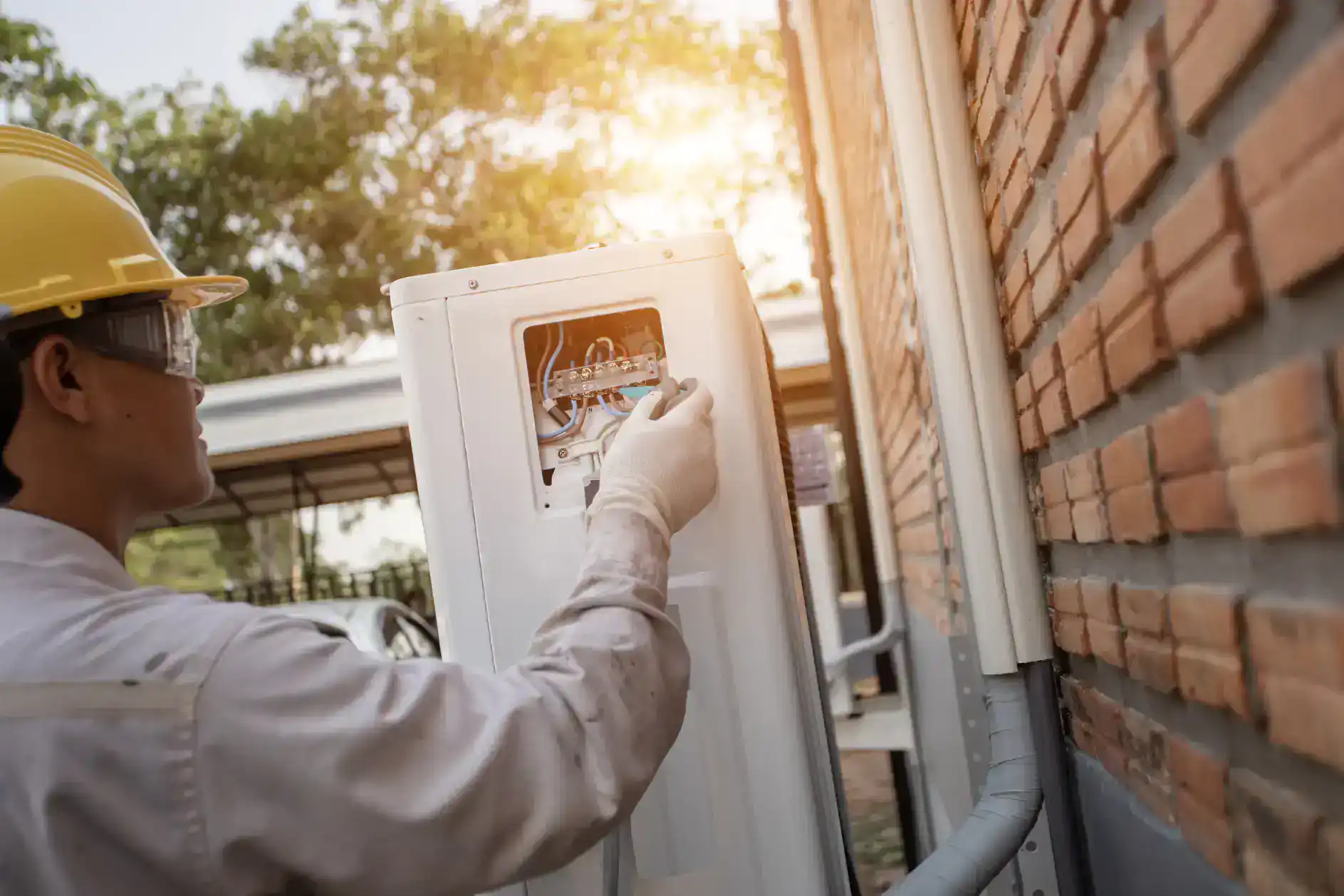
Installation day typically takes 6-10 hours depending on your setup. We handle the outdoor unit placement, indoor air handler connection, refrigerant lines, electrical work, thermostat installation, and ductwork modifications if needed. Your existing ducts might need adjustments since heat pumps move air differently than older furnaces.
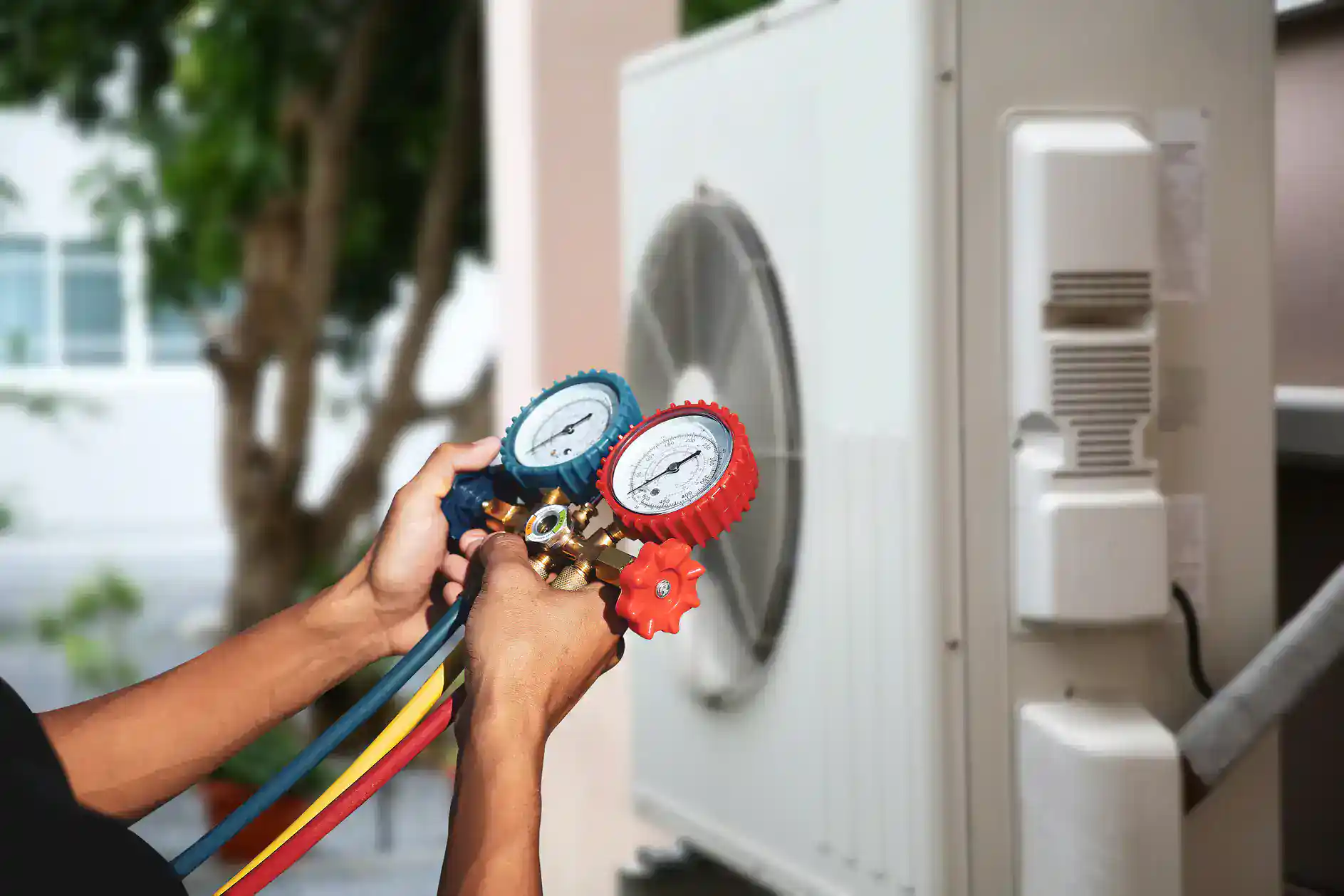
After installation, we test every function. Heating mode, cooling mode, defrost cycle, airflow at every register. You’ll know how to operate your new system, when to change filters, and what to watch for. We don’t leave until everything runs exactly as it should.
Ready to get started?
Heat pump system installation in Marion, TX involves more than dropping in new equipment. You’re getting a complete assessment of your home’s heating and cooling requirements, proper equipment sizing using industry-standard load calculations, and modifications to ensure your existing infrastructure supports the new system.
The electrical work alone requires careful attention. Heat pumps need dedicated 240-volt circuits, and many Marion homes built before 2000 need panel upgrades or sub-panels to handle the load safely. We pull permits, handle inspections, and make sure everything meets current code requirements.
Ductwork often needs adjustments. Heat pumps operate at lower temperatures than furnaces but move more air volume. If your ducts were sized for an old gas furnace, they might restrict airflow and kill your system’s efficiency. We evaluate every run and make recommendations based on what will actually improve performance, not what generates the biggest invoice.
You also get startup and calibration. We set refrigerant charge to manufacturer specifications, program your thermostat for optimal efficiency, balance airflow across all zones, and verify that defrost cycles trigger correctly. These details separate installations that last from ones that limp along until they fail early.
Expect to pay between $5,000 and $12,000 for complete heat pump installation in Marion, TX. That range reflects differences in system size, efficiency ratings, brand selection, and installation complexity.
A basic 2-ton system for a smaller home might land closer to $5,000-$6,500. A 4-ton high-efficiency unit with variable-speed technology and extensive ductwork modifications can push toward $12,000. Most Marion homeowners with average-sized homes fall somewhere in the $7,000-$9,000 range.
The upfront cost stings, but the payback timeline is real. With $300+ in annual energy savings, you’re looking at a 5-10 year return on investment. Factor in federal tax credits and potential utility rebates, and that timeline shrinks. More importantly, you’re not patching together an aging system that’s bleeding money every month.
Yes, modern heat pumps handle Marion’s winter temperatures without issue. Marion rarely sees sustained freezing weather, and today’s heat pump systems operate efficiently down to 25°F or lower.
When temperatures do drop, the system works harder and efficiency decreases slightly, but it still heats your home. Most heat pumps include auxiliary electric heat strips that kick in during extreme cold snaps to maintain comfort. You’ll use those backup strips maybe a handful of days per year in Marion.
The bigger concern isn’t whether the system works in cold weather, it’s whether your heat pump installer in Marion, TX sized the equipment correctly for your home’s heat loss characteristics. An undersized system struggles in any weather. A properly sized system keeps you comfortable year-round without constantly relying on expensive backup heat.
A well-maintained heat pump lasts 10-15 years in Texas, with some systems pushing 20 years depending on usage patterns and maintenance consistency. Texas’s climate is actually easier on heat pumps than extreme northern or southern regions.
The key word is “well-maintained.” That means changing filters every 1-3 months, scheduling professional maintenance twice per year, keeping the outdoor unit clear of debris, and addressing small issues before they cascade into major failures. Skip maintenance, and you’re looking at 8-10 years before replacement.
Heat pumps work year-round in Marion, so they accumulate more runtime than systems in climates where heating or cooling is seasonal. That’s not a weakness, it’s just reality. The trade-off is significantly lower operating costs every single month. You’re running one efficient system instead of two separate units, and that efficiency compounds over time into real savings and fewer repair calls.
Yes, but older Marion homes often need additional work to support heat pump installation properly. The system itself installs fine, but the infrastructure around it might need upgrades.
Electrical panels in homes built before 1990 frequently lack the capacity for a heat pump’s 240-volt circuit. You might need a panel upgrade or sub-panel addition, which adds $800-$2,500 to the project. Ductwork is another common issue. Ducts sized for old furnaces may restrict airflow, reducing efficiency and shortening equipment life. Sealing leaks and resizing runs adds cost but prevents bigger problems later.
Insulation matters too. If your attic insulation is thin or your windows are single-pane, a heat pump will work, but it’ll work harder than necessary. We’ll tell you honestly whether insulation upgrades should happen before or after heat pump system installation in Marion, TX. Sometimes it makes sense to do both at once. Sometimes it’s smarter to install the heat pump first and tackle insulation during the next budget cycle.
A heat pump cools your home exactly like an air conditioner during summer, but it also reverses the process to provide heating in winter. An AC unit only cools. That’s the fundamental difference.
Both systems move heat using refrigerant, a compressor, and coils. During cooling mode, they’re functionally identical. But a heat pump includes a reversing valve that changes refrigerant flow direction, allowing it to pull heat from outdoor air and move it inside when you need warmth. It’s not generating heat like a furnace, it’s relocating existing heat, which requires far less energy.
For Marion’s climate, that dual functionality is ideal. You need serious cooling capacity for summer and moderate heating for winter. One system handles both jobs efficiently instead of maintaining separate equipment for each season. You’re also looking at one maintenance schedule, one set of repairs, and one system to replace eventually instead of juggling two separate units.
Not always, but it depends on your existing ductwork’s condition and design. Many Marion homes can use their current ducts with minor modifications. Some need more extensive work.
Heat pumps move larger volumes of air at lower temperatures compared to furnaces. If your ducts were sized for a gas furnace, they might be too small for optimal heat pump airflow. Restricted airflow forces the system to work harder, increases energy use, and shortens equipment life. We measure your duct sizes and calculate whether they’ll support the new system’s airflow requirements.
Leaky ducts are another issue. If 20-30% of your conditioned air is escaping into your attic or crawlspace, you’re paying to heat and cool spaces you don’t use. Sealing those leaks often makes more difference than replacing the entire duct system. We test for leaks using pressure measurements and recommend sealing, resizing, or replacement based on what actually improves performance for your specific situation, not what generates the biggest invoice.
Other Services we provide in Marion
 Call Now