
You wake up to a cold house. The kids are complaining, the thermostat isn’t responding, and you’ve got a full day ahead. Heating problems don’t wait for convenient timing, and in Helotes, even mild Texas winters throw enough cold snaps and freezing nights to make a broken heater more than just uncomfortable—it’s a problem that needs fixing now.
That’s where speed and reliability matter. You need someone who answers the phone, shows up when they say they will, and actually fixes the issue on the first visit. Not a runaround. Not an upsell for a system you don’t need yet. Just honest work that gets your heat back on so you can get back to your day.
Our emergency heating repair covers Helotes and the greater San Antonio area with same-day service availability. Most furnace repairs get handled during the first visit. You get a clear quote before any work starts, and our licensed technicians carry the parts and tools to solve common heating failures without a return trip.
We’ve been serving San Antonio and surrounding communities like Helotes for more than two decades. We’re veteran-owned, which means we show up on time, do what we say we’re going to do, and treat your home with respect.
Helotes is one of the most desirable suburbs in the San Antonio area—families move here for the schools, the small-town feel, and the proximity to the city. We’ve worked in enough homes here to know what systems people are running, what problems pop up after a long hot summer, and what it takes to keep a heater working through unpredictable Texas weather.
Our technicians are licensed, certified, and insured. We don’t hire rookies to learn on your equipment. You’re getting experienced professionals who’ve seen it all and know how to troubleshoot fast.
You call or submit a request online. We ask a few questions about what’s happening with your heating system—no heat at all, strange noises, uneven heating, whatever you’re dealing with. From there, we schedule a time that works for you. If it’s an emergency, we move faster.
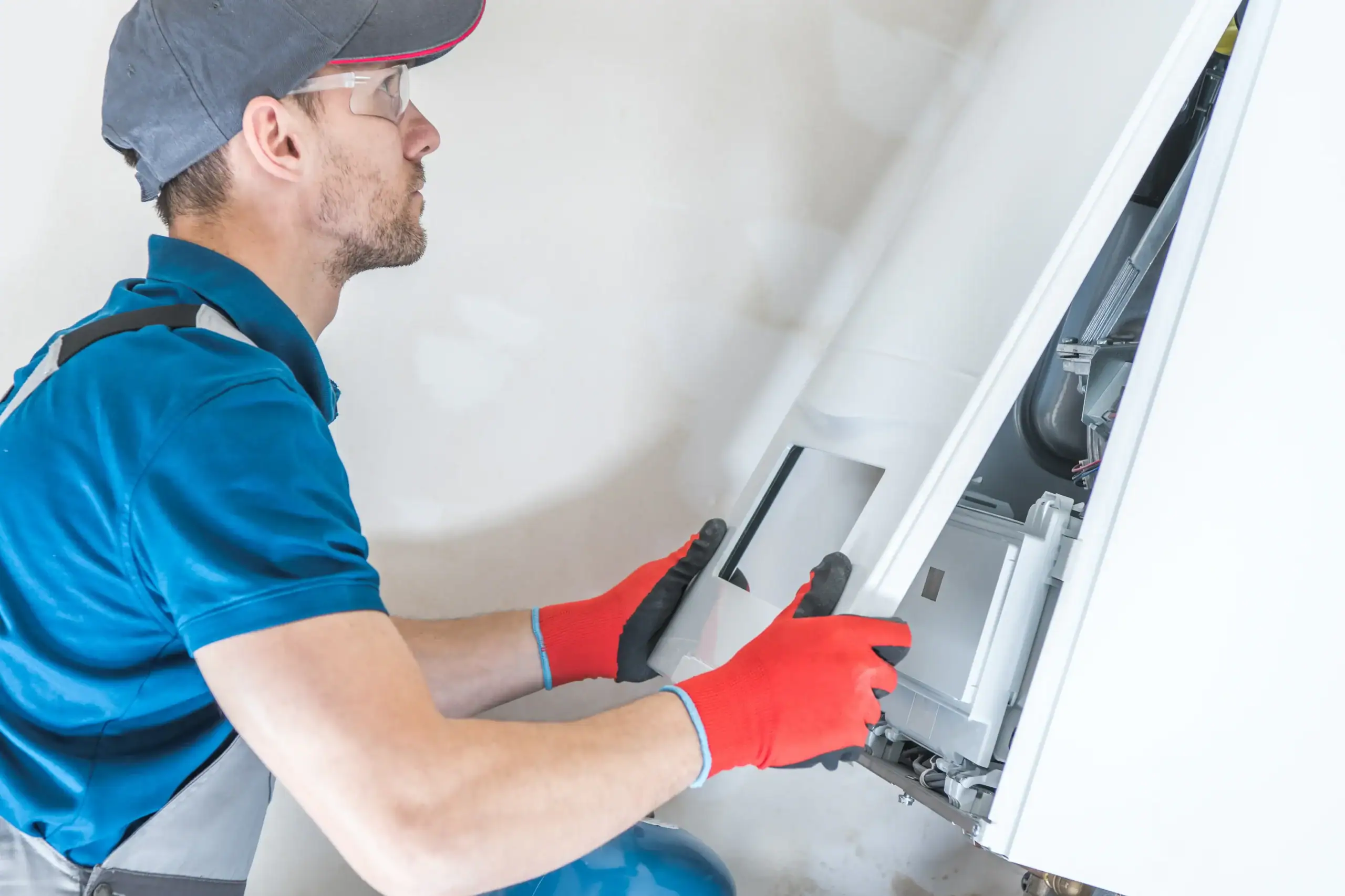
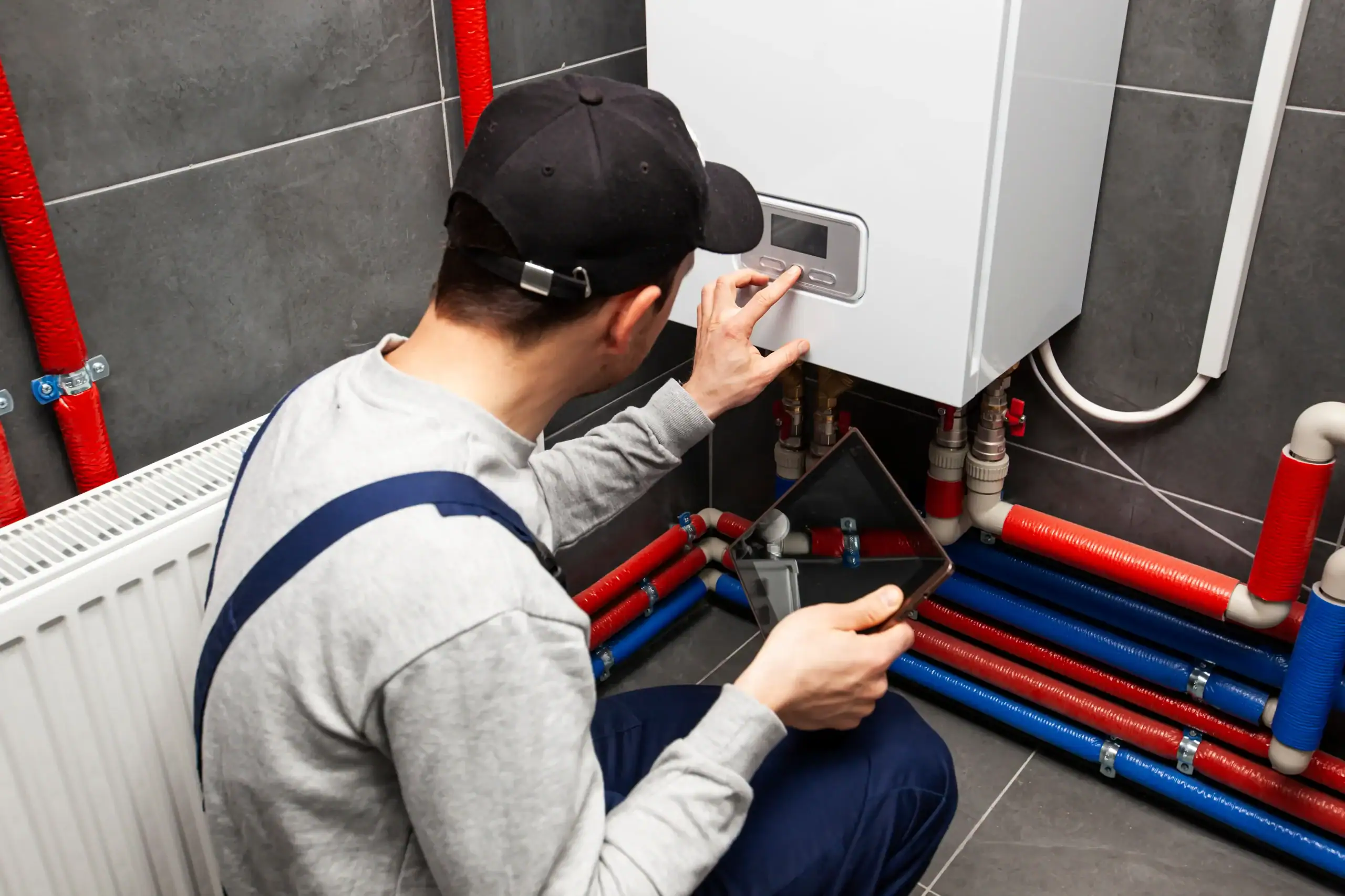
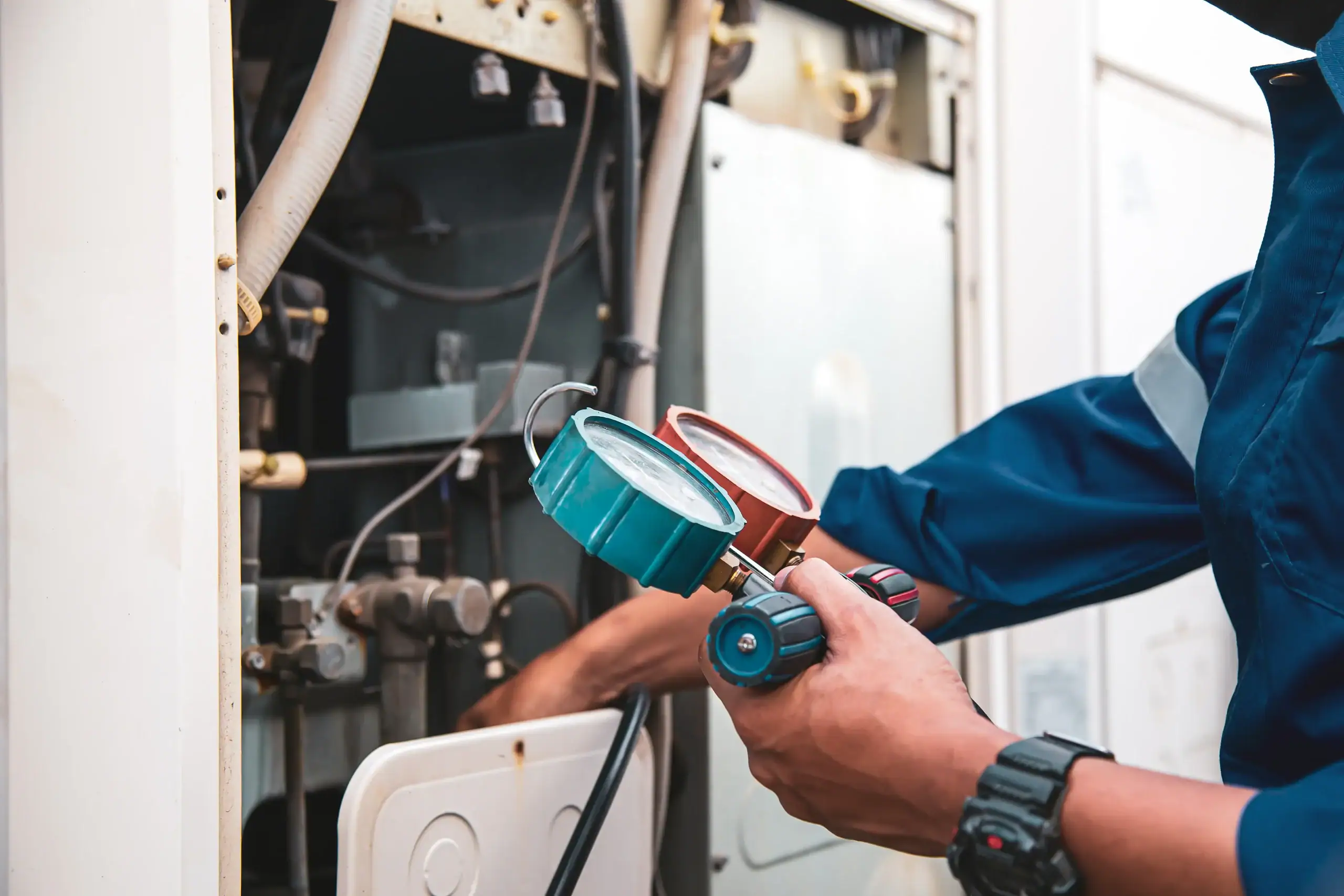
When our technician arrives, they’ll inspect your furnace or heat pump to diagnose the issue. That includes checking the thermostat, inspecting the burner and heat exchanger, testing airflow, and looking at electrical components. Most heating failures come down to a handful of common culprits: clogged filters, worn blower motors, faulty igniters, or dirty burners that sat unused all summer.
Once we know what’s wrong, we explain it in plain terms and give you a clear price before we start the repair. No surprise charges. If it’s a part we stock on the truck, we fix it right then. If your system is old enough that a repair doesn’t make financial sense, we’ll tell you that too. You decide what happens next.
Ready to get started?
We handle all types of residential heating systems—gas furnaces, electric furnaces, heat pumps, and dual-fuel setups. The service includes a full diagnostic to pinpoint the problem, the repair itself, and testing to make sure everything runs correctly before we leave.
In Helotes, the most common heating issues we see are tied to how little the system gets used compared to air conditioning. Your heater might sit dormant for eight or nine months while your AC runs nonstop. Dust builds up, components wear from temperature swings, and filters get neglected. When you finally flip the heat on during a cold front, the system struggles or fails outright.
We also see a lot of calls for uneven heating in larger homes. One room stays cold while the rest of the house is fine. That’s usually a ductwork issue, a zoning problem, or a blower motor that’s not pushing air efficiently. We’ll track it down.
If your heater is 15 to 20 years old, repairs might not make sense anymore. Older systems lose efficiency, cost more to run, and break down more often. We’ll walk you through your options if replacement is the smarter move, but we’re not here to sell you something you don’t need.
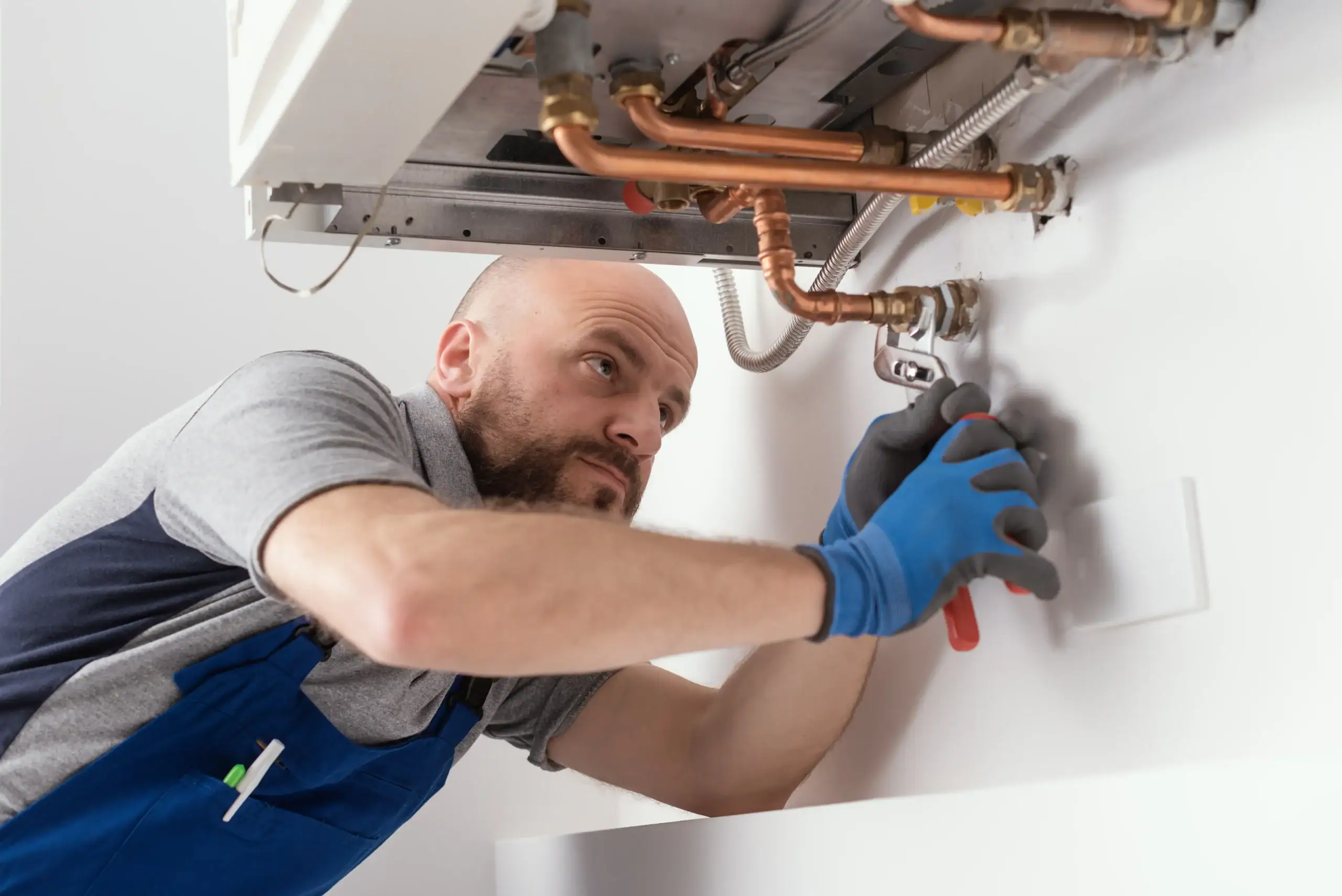
We offer 24/7 emergency service, so if your heater goes out in the middle of the night or on a weekend, we’re available. Response time depends on where our technicians are and how many calls are in the queue, but we prioritize emergencies—especially when temperatures drop and you’ve got kids or elderly family members in the house.
For same-day service during business hours, we can usually get someone to you within a few hours if you call early enough. Helotes is close to our San Antonio base, so travel time isn’t an issue. When you call, we’ll give you a realistic arrival window and keep you updated if anything changes.
It depends entirely on what’s broken. Simple fixes like replacing a capacitor, cleaning a flame sensor, or swapping out a thermostat usually run between $100 and $300. Mid-range repairs—like replacing a blower motor, igniter, or gas valve—typically fall between $300 and $800. Bigger jobs, like a cracked heat exchanger or a failed compressor on a heat pump, can push into the $1,000 to $2,000 range or higher.
We give you an upfront quote before we start any work, so there’s no guessing. If the repair cost is high enough that replacing the system makes more sense, we’ll tell you. Age matters here—if your furnace is 18 years old and needs a $1,500 repair, you’re probably better off putting that money toward a new unit that’ll last another 15 to 20 years.
Age is the biggest factor. Most furnaces and heat pumps last 15 to 20 years with regular maintenance. If yours is in that range and starting to have problems, replacement is usually the smarter financial move. Repairs on older systems tend to snowball—you fix one thing, then something else breaks six months later.
You should also consider how often you’re calling for repairs. If you’ve had two or three service calls in the past couple of years, that’s a sign the system is wearing out. Rising energy bills are another red flag—older, failing systems work harder and use more energy to produce the same amount of heat.
Safety issues like a cracked heat exchanger are non-negotiable. That can leak carbon monoxide into your home, which is dangerous. If we find something like that, we’ll shut the system down and walk you through your options. We’re not going to leave you with an unsafe heater running.
If your heater is running but blowing cold air, the most common causes are a faulty igniter, a tripped limit switch, or a problem with the gas valve or pilot light. Sometimes the blower motor is running but the burners aren’t lighting, so you’re just getting air movement without heat.
Uneven heating—where some rooms are warm and others stay cold—usually points to airflow or ductwork issues. It could be blocked vents, leaky ducts, or a blower motor that’s not strong enough to push air to every part of the house. In larger Helotes homes with multiple zones, it might be a damper that’s stuck or a thermostat that’s not communicating properly with the system.
We’ll run through the whole system to figure out where the breakdown is happening. A lot of times it’s a simple fix, but it takes experience to diagnose it correctly the first time.
Yes. We back our work with warranties on both parts and labor. The length depends on the specific part and the type of repair, but we’ll go over that with you before we start. If something we installed fails prematurely, we’ll come back and make it right at no additional cost.
Manufacturer warranties also apply to many of the parts we install, especially on newer systems. If you’ve got a furnace that’s still under warranty, we’ll handle the claim process and make sure you’re covered. We keep detailed records of every job, so if you need service down the road, we’ve got your history on file.
Our goal is to fix it once and fix it right. We’re not interested in repeat visits for the same problem—that’s a waste of your time and ours.
Regular maintenance is the single most effective thing you can do. That means scheduling a heating system tune-up at least once a year, ideally in the fall before you actually need to use it. A maintenance visit includes cleaning the burners, checking the heat exchanger, testing the igniter, inspecting electrical connections, and replacing the filter.
In Helotes, where your heater sits unused for most of the year, dust and debris build up inside the system. That puts extra strain on components when you finally turn it on. A dirty filter alone can cause your system to overheat and shut down, or reduce airflow so much that some rooms never get warm.
You should also replace your filter every one to three months depending on the type and how much you run your system. If you’ve got pets or allergies, change it more often. And don’t ignore strange noises or smells when you first turn the heat on—those are early warning signs that something needs attention before it turns into a bigger, more expensive problem.
Other Services we provide in Helotes
 Call Now