
You’re not calling because everything’s fine. You’re calling because it’s cold, your family’s uncomfortable, and you need someone who can actually fix the problem today.
Here’s what changes when your heating system is running right: your energy bills stop climbing every month. Your rooms heat evenly instead of leaving the bedrooms freezing while the living room bakes. You stop worrying about whether your furnace is safe or if that strange smell means something’s about to break.
Central Texas weather doesn’t follow a script. We get mild stretches, then sudden cold fronts that drop temperatures 30 degrees overnight. Your heating system needs to handle that swing without failing when you need it most. When it’s working correctly, you don’t think about it. That’s the goal.
We’re veteran-owned and based in San Antonio, serving Marion and the surrounding area for over two decades. We’re licensed, insured, and available 24/7 because HVAC emergencies don’t wait for business hours.
We’re not the biggest company you’ll find. We’re the one that shows up when we say we will, diagnoses the actual problem instead of selling you what we want to move, and charges you what we quoted. Our technicians are certified, and most repairs get done on the first visit.
Marion homeowners deal with the same climate challenges across Central Texas—high humidity, unpredictable winters, and systems that work overtime most of the year. We’ve been fixing furnaces and heat pumps in this area long enough to know what fails, why it fails, and how to prevent it from happening again.
You call or submit a request online. We ask a few questions about what’s happening—no heat at all, strange noises, uneven heating, higher bills. That helps us know what to bring and what to expect.
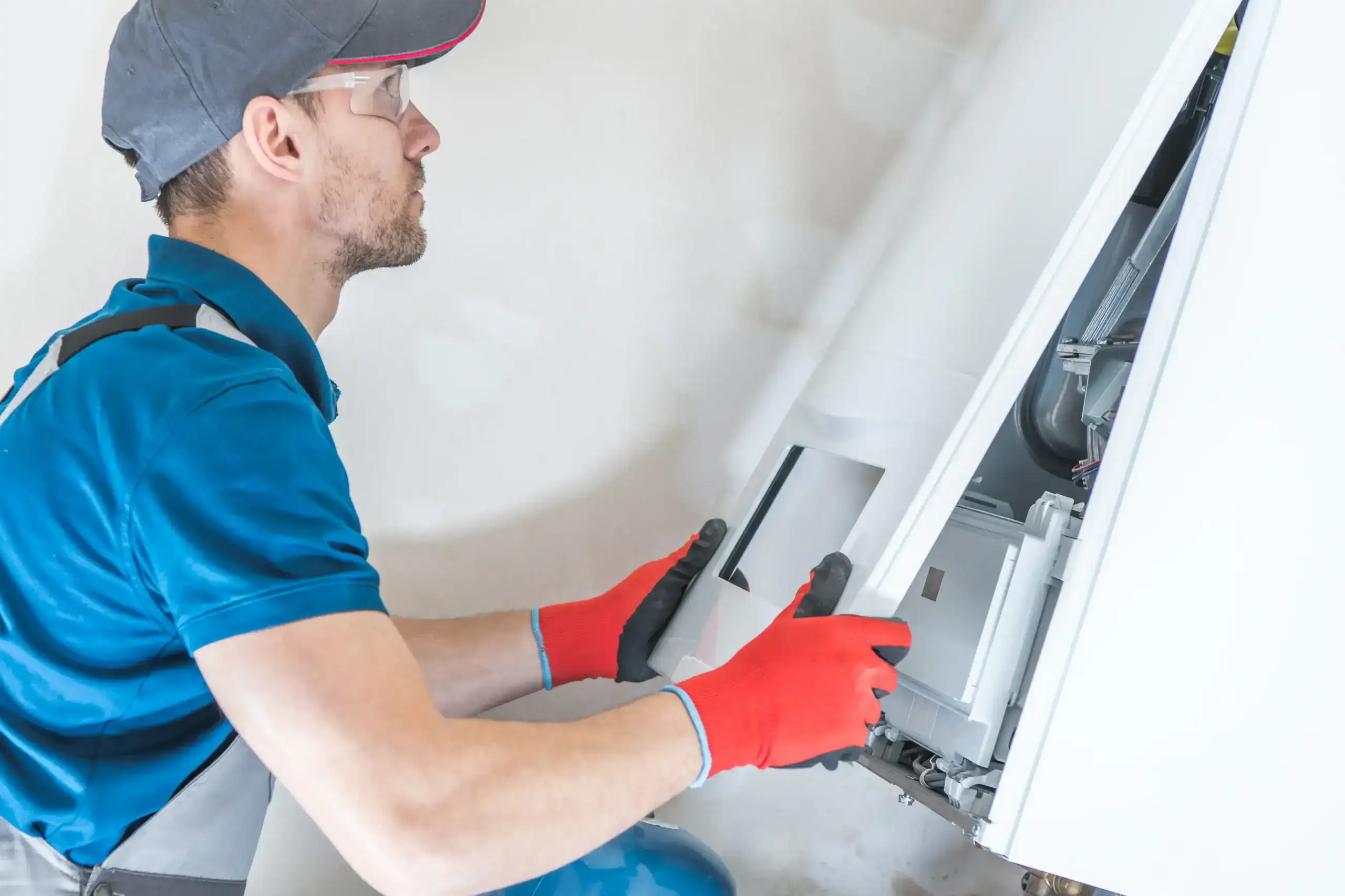
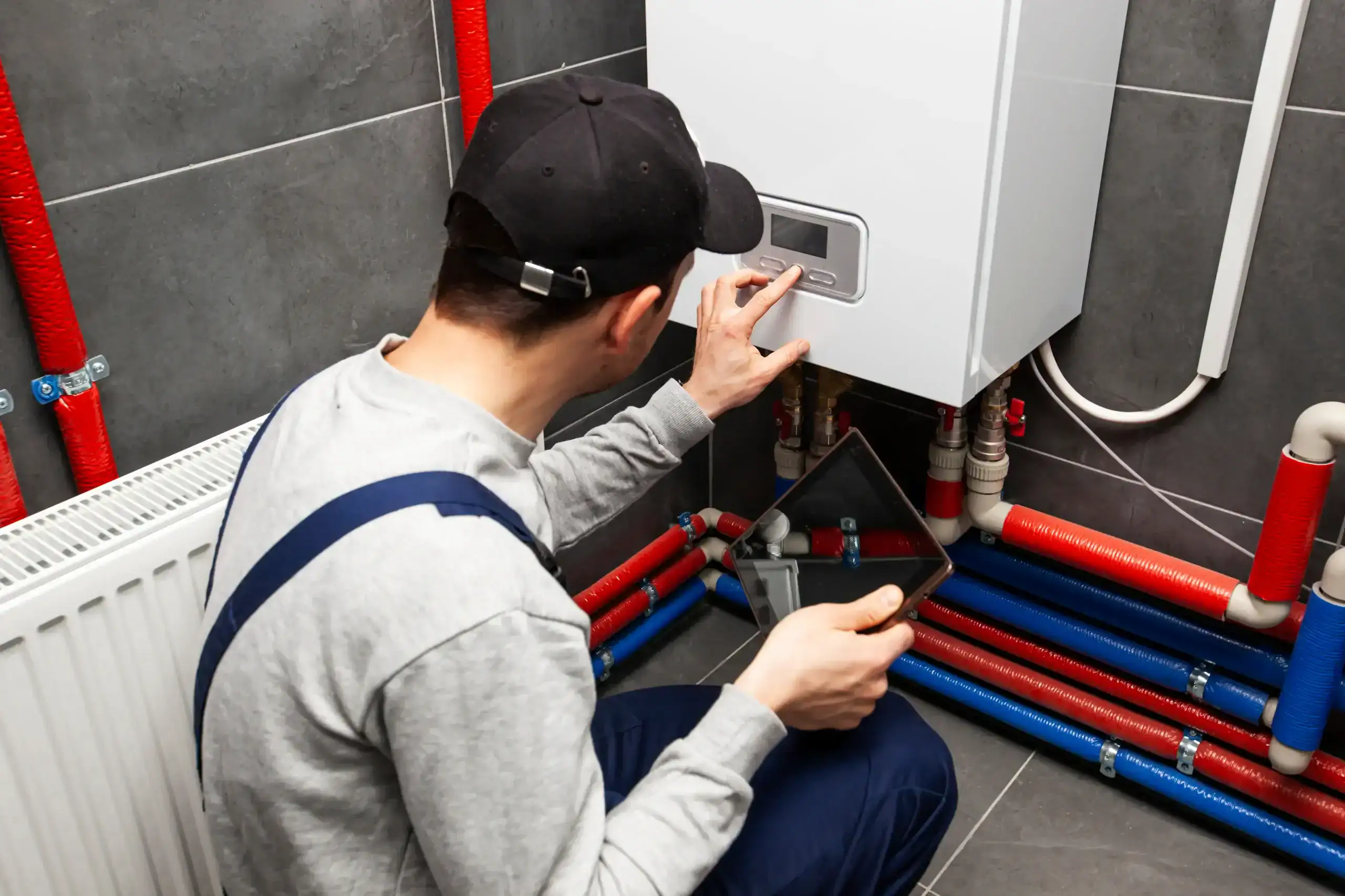
We schedule a time that works for you, usually same-day if it’s an emergency. Our technician shows up on time, introduces themselves, and gets to work diagnosing the issue. They’ll check your thermostat settings, inspect the furnace or heat pump, test airflow, and look for common failure points like a cracked heat exchanger, blocked vents, or a tripped breaker.
Once they’ve identified the problem, they explain what’s wrong in plain terms—not HVAC jargon. You’ll get a clear price before any work starts. No hidden fees, no surprise charges. If you approve, they fix it. Most repairs happen right then. If a part needs to be ordered, we’ll let you know how long it’ll take and what your options are in the meantime.
After the repair, they’ll test the system to make sure it’s heating properly and safely. You’ll get a warranty on parts and labor, and we’ll answer any questions about maintenance or what to watch for going forward.
Ready to get started?
Every heating repair starts with a full system diagnostic. We’re not guessing. We’re testing components, checking safety controls, measuring airflow, and inspecting the heat exchanger for cracks or corrosion—one of the most dangerous and common furnace failures in older systems.
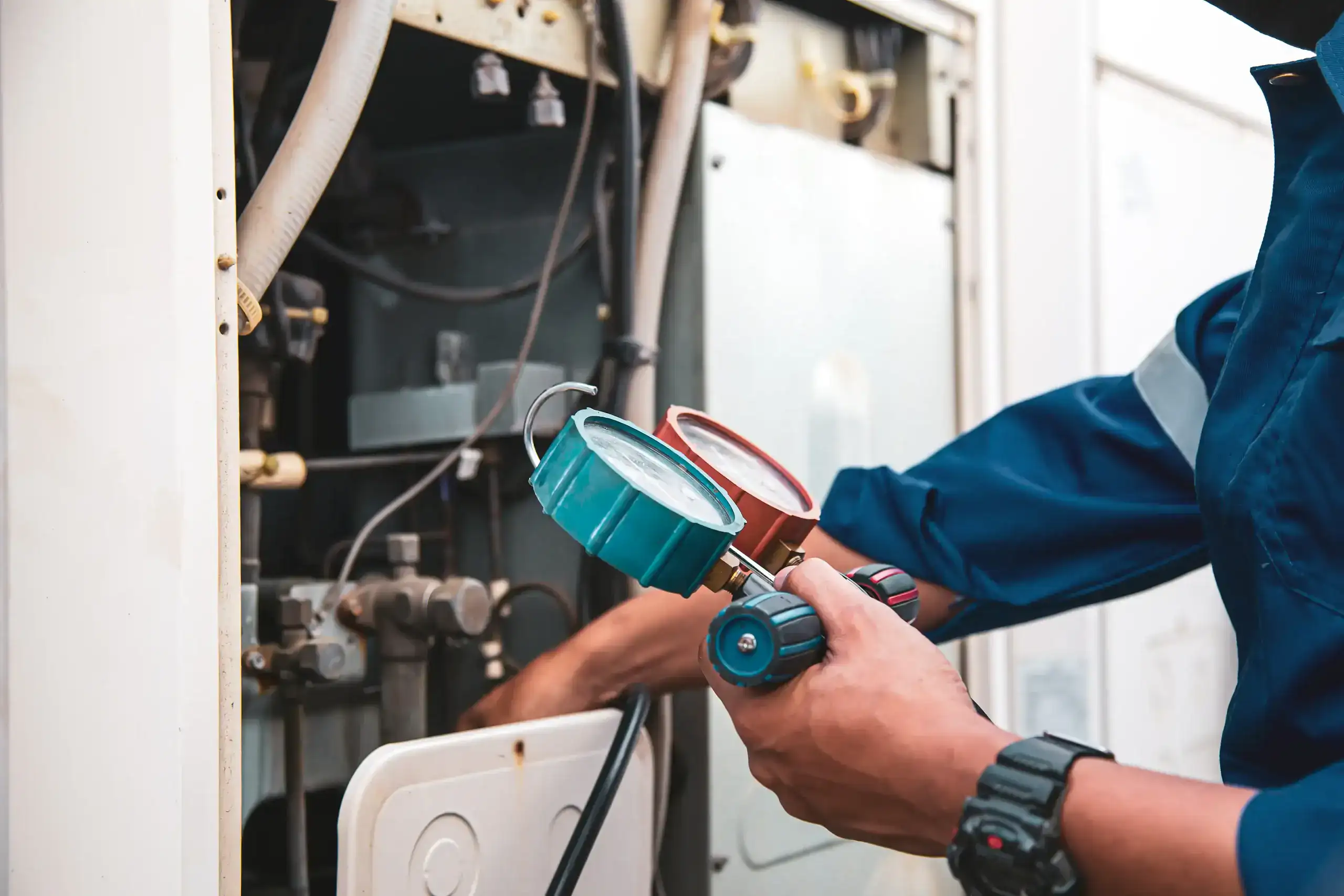
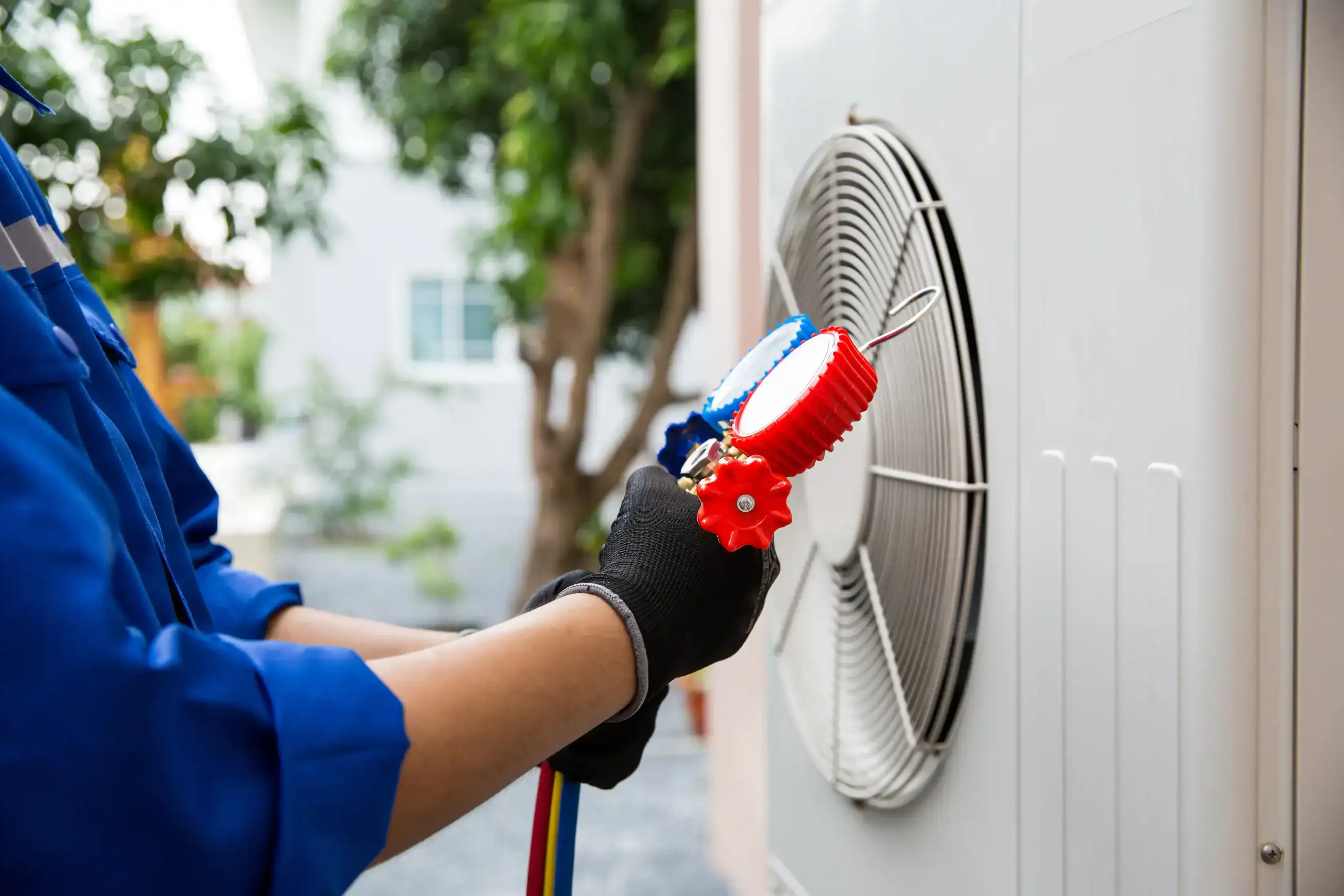
If your furnace isn’t producing heat, we’ll check the ignition system, pilot light, gas valve, and thermostat wiring. If it’s running but not heating evenly, we’ll inspect your ductwork for blockages, leaks, or poor insulation. Heat pumps get a separate set of checks, including refrigerant levels, reversing valve operation, and defrost cycle performance—especially important during those surprise cold snaps Central Texas throws at us.
Marion homeowners with heat pumps need to know this: when temperatures drop below freezing, your system has to work harder. If it’s low on refrigerant, has a dirty coil, or a failing compressor, it’ll struggle or quit entirely. We see this every winter when a cold front moves through and calls spike.
You’ll also get a safety inspection as part of the service. We check for carbon monoxide risks, gas leaks, and ventilation issues. If your system is older or hasn’t been maintained regularly, this step is critical. We’ll tell you if something’s unsafe, and we’ll tell you if it’s just worn and worth watching.
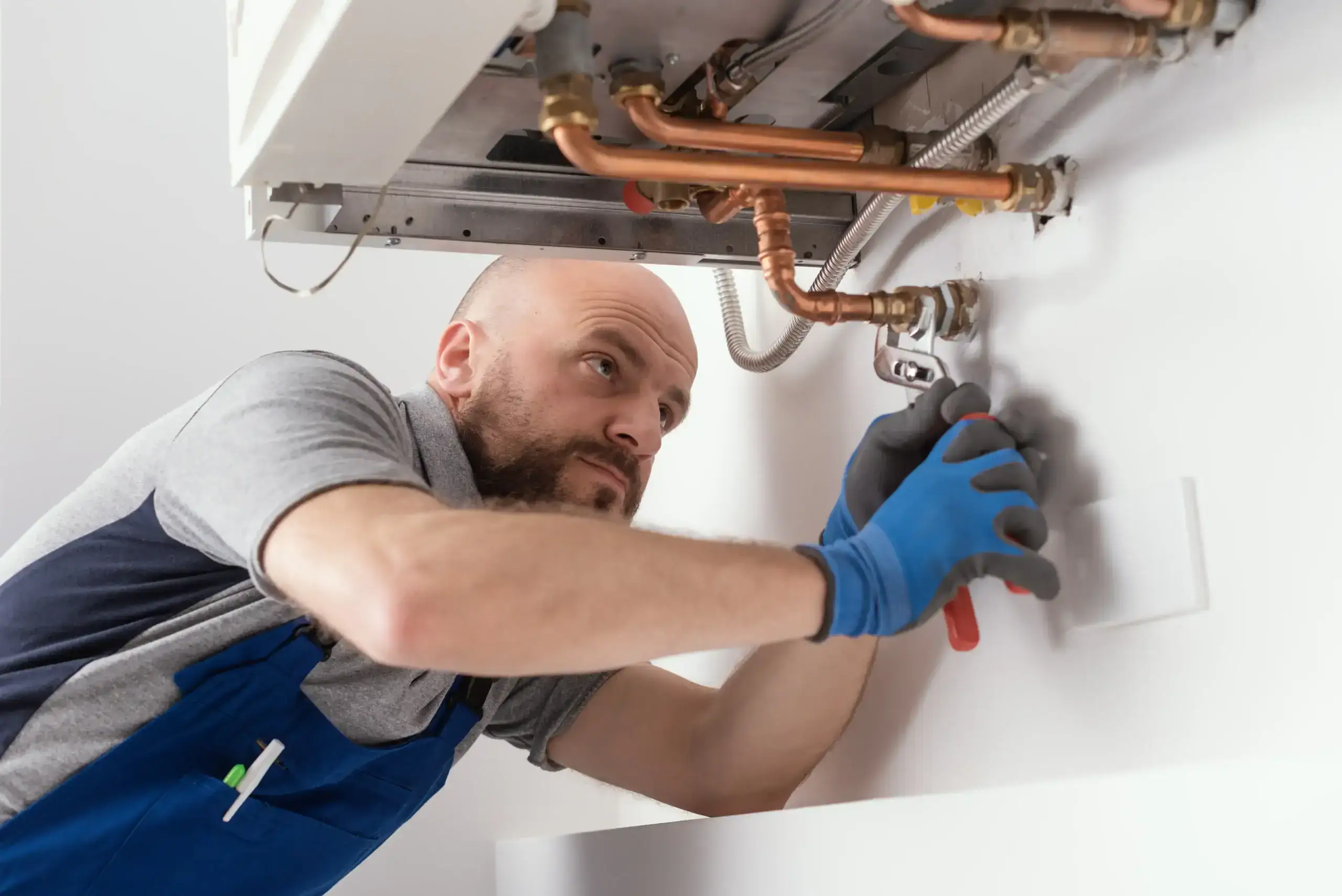
Most heating repairs in Marion fall between $150 and $600, depending on what’s broken. A simple fix like replacing a thermostat or resetting a tripped breaker costs less. A blower motor replacement, cracked heat exchanger, or gas valve repair costs more.
We give you a clear price before we start any work. No diagnostic fee that disappears into the final bill, no upselling parts you don’t need. If your furnace is old and the repair costs more than half the price of a new system, we’ll tell you that too. Sometimes the smarter move is replacement, and we’re not going to talk you into a repair that only buys you six months.
What drives the cost up is usually labor, the part itself, and whether it’s an emergency call. A midnight furnace failure in January costs more than a scheduled repair on a Tuesday afternoon. That’s standard across the industry, and we’re upfront about it.
Most furnace repairs take one to three hours, and we handle them on the first visit. If it’s a straightforward issue like a dirty flame sensor, bad capacitor, or faulty thermostat, we’re usually done in under an hour.
More involved repairs—like replacing a blower motor, fixing a cracked heat exchanger, or addressing ductwork issues—take longer. If we need to order a part that’s not on the truck, we’ll give you a timeline and do what we can to keep you comfortable in the meantime.
The biggest delays happen when a system hasn’t been maintained and multiple things are failing at once. That’s why we recommend annual inspections before winter hits. Catching a small problem in October is a lot easier than diagnosing a total failure in January when everyone’s calling at the same time.
The most common issue we see in Marion is uneven heating caused by blocked vents, dirty filters, or ductwork leaks. When one room is freezing and another is comfortable, airflow is usually the culprit. It’s an easy fix if caught early, but it makes your system work harder and costs you more every month.
Cracked heat exchangers are another big one, especially in older furnaces. This is a safety issue. When the heat exchanger cracks, carbon monoxide can leak into your home. If you smell gas, hear a clicking sound when the furnace runs, or see soot around the unit, call someone immediately and don’t use the system until it’s inspected.
Heat pumps in Central Texas face a different challenge. They’re efficient in mild weather, but when a hard freeze hits, they struggle. If your heat pump is low on refrigerant, has a dirty outdoor coil, or a failing defrost cycle, it won’t keep up when temperatures drop. We also see a lot of tripped breakers and thermostat issues during the first cold snap of the year—systems that haven’t run in months sometimes need a reset or recalibration.
If your furnace is under 10 years old and the repair costs less than a third of a new system, repair it. If it’s over 15 years old, needs frequent fixes, or the repair bill is climbing into four figures, replacement makes more sense.
Here’s the math: a new furnace costs between $3,000 and $6,000 installed, depending on size and efficiency. If your 18-year-old furnace needs a $2,000 heat exchanger replacement, you’re putting serious money into a system that’s near the end of its lifespan anyway. You’ll likely face another expensive repair within a year or two.
We’ll walk you through the numbers and let you decide. Some homeowners want to squeeze another year out of an old system, and that’s fine. Others want the peace of mind and energy savings that come with a new, efficient furnace. We’re not here to push you one way or the other—we’re here to give you the information you need to make the right call for your situation.
Yes. We’re available 24/7 for heating emergencies in Marion. If your furnace quits in the middle of the night or during a cold front, call us. We’ll get someone out as quickly as possible.
Emergency calls cost more than scheduled appointments—that’s standard across the industry. But when it’s 30 degrees outside and your heat’s not working, waiting until Monday morning isn’t an option. We staff our emergency line every day of the year, including holidays.
Most emergency calls involve no heat at all, strange smells that could indicate a gas leak, or systems that are running but blowing cold air. If you’re not sure whether it’s an emergency, call anyway. We’d rather talk you through a simple thermostat fix over the phone than have you wait in the cold because you weren’t sure.
Once a year, ideally in the fall before you need your heat. Central Texas winters are unpredictable, but when that first cold front hits, you want to know your system is ready.
Annual maintenance catches small problems before they become expensive repairs. We’ll clean or replace your filter, inspect the heat exchanger for cracks, test the ignition system, check your thermostat calibration, and make sure your vents aren’t blocked. For heat pumps, we’ll also check refrigerant levels and test the defrost cycle.
Skipping maintenance doesn’t seem like a big deal until your furnace fails on the coldest night of the year. A $100 tune-up in October can prevent a $500 repair in January. It also keeps your system running efficiently, which lowers your energy bills and extends the lifespan of your equipment. Most manufacturers require annual maintenance to keep your warranty valid, so if you skip it and something major breaks, you might be paying out of pocket for a repair that would’ve been covered.
Other Services we provide in Marion
 Call Now