VRF systems require specialized installation knowledge. The refrigerant lines must be pressure tested, properly evacuated, and charged with precise refrigerant volumes. Shortcuts during installation lead to efficiency losses and premature failures down the road.
We follow manufacturer specifications exactly. That includes proper brazing techniques, thorough system testing, and correct refrigerant charging. Our technicians receive ongoing training on VRF technology because this isn’t something you learn from traditional HVAC experience alone.
The installation process starts with a detailed assessment of your building’s layout, occupancy patterns, and heating and cooling requirements. We account for Texas climate conditions that impact system performance. Zone design matters—putting the right capacity indoor units in the right locations determines whether your system performs efficiently or struggles.
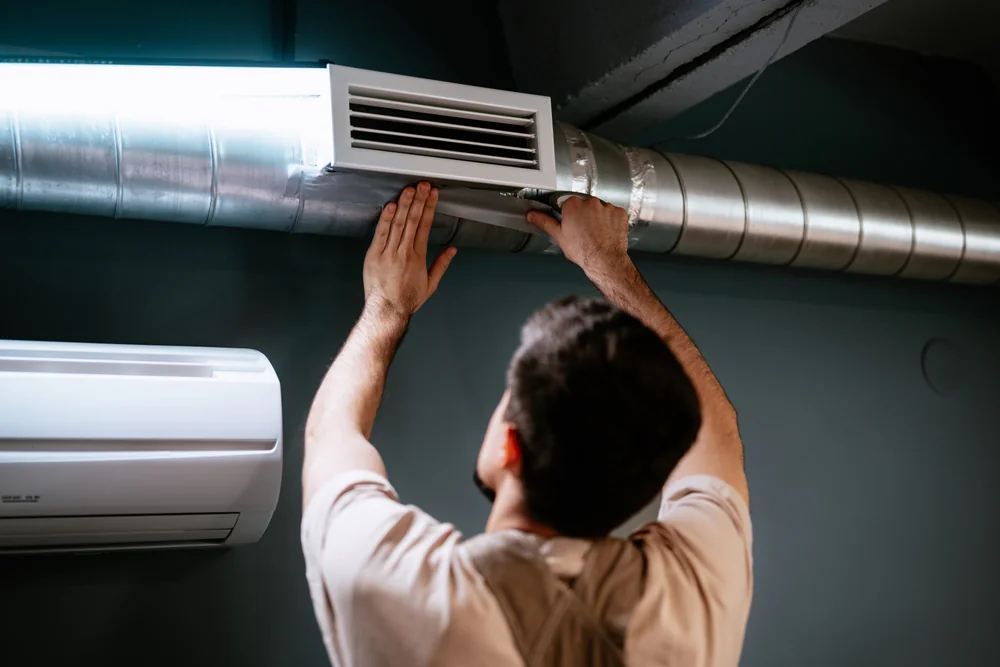
Refrigerant line routing gets planned to minimize distance and elevation changes while staying within manufacturer limits. Indoor units come in various configurations—wall-mounted, ceiling cassettes, ducted—selected based on your space requirements and aesthetic preferences. The outdoor units need adequate clearance for airflow and service access.
Once installed, we commission the system completely. That means verifying performance, documenting results, and training your team on thermostats, controls, and routine maintenance. You’re not left guessing how to operate your new system.

 Call Now