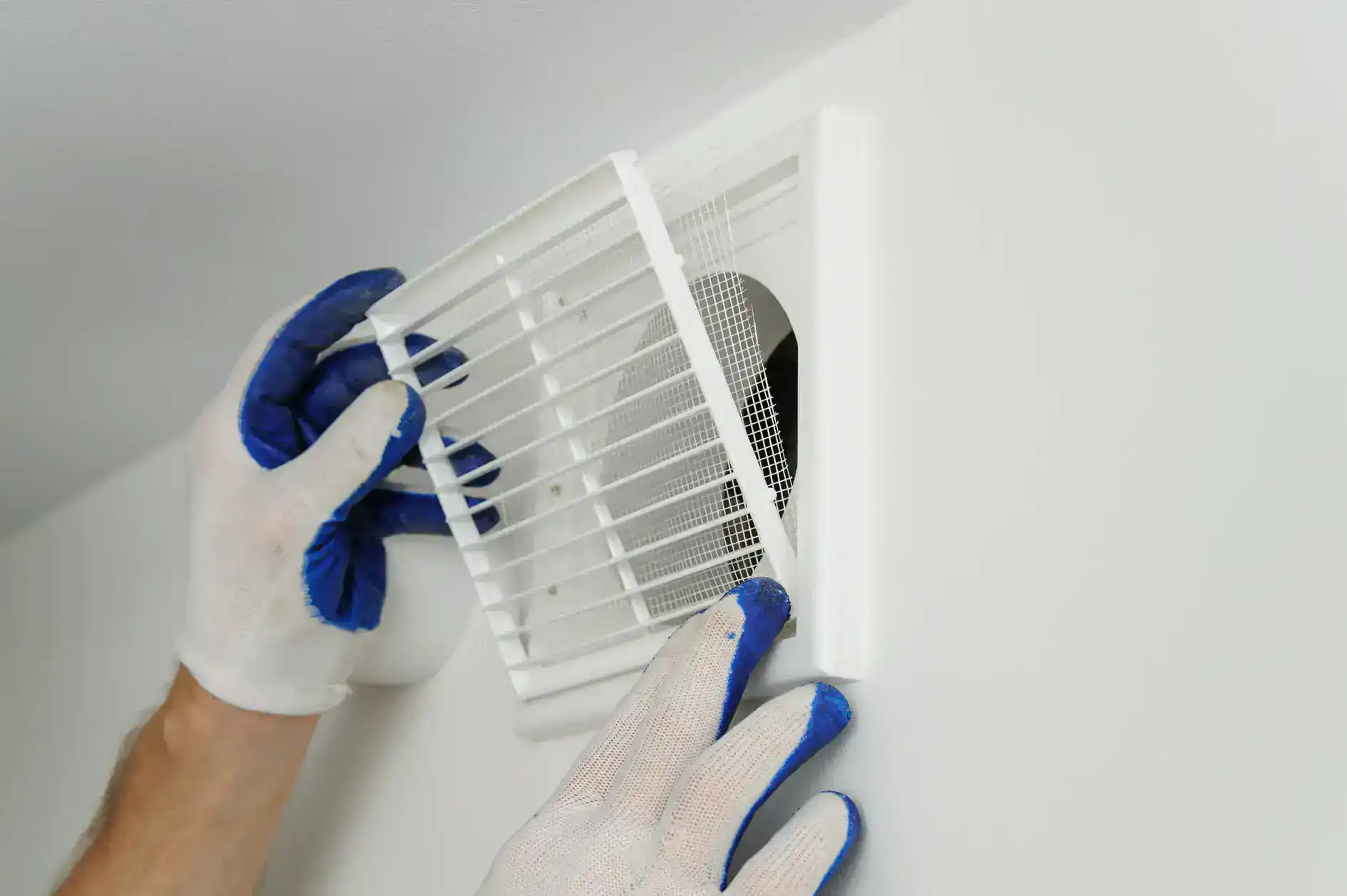

You’re not imagining it. One bedroom stays hot while another freezes. Your energy bills keep climbing even though you’re not using the AC any more than usual. Dust settles on surfaces days after cleaning.
These aren’t separate problems. They’re symptoms of ductwork that’s leaking, undersized, or installed wrong from the start.
When we handle air duct installation in Live Oak, TX, the difference shows up immediately. Temperatures even out across every room. Your system stops running constantly because conditioned air actually reaches where it’s supposed to go. You’ll see energy savings between 15-30% depending on how bad the old system was. And your indoor air gets cleaner because contaminants aren’t being pulled in through torn or disconnected ducts.
This isn’t about a minor upgrade. It’s about fixing the hidden infrastructure that controls whether your HVAC system works efficiently or burns money trying.
We’ve been handling HVAC work across San Antonio and surrounding areas like Live Oak since 2010, with over 20 years of combined industry experience. We’re veteran-owned, which means we show up on time, do what we say, and don’t leave until the job’s done right.
Live Oak homes face specific challenges. Many properties here are a few decades old, which means original ductwork is often undersized, poorly sealed, or deteriorating in attics that hit extreme temperatures. We’ve seen it all, and we know how to fix it without overselling or dragging out the timeline.
Our technicians are licensed, certified, and insured. We offer transparent pricing before we start, and we back our work with comprehensive warranties. If something goes wrong at 2 a.m. during a heat wave, we’re available 24/7 because we know how brutal Texas weather can be when your system fails.
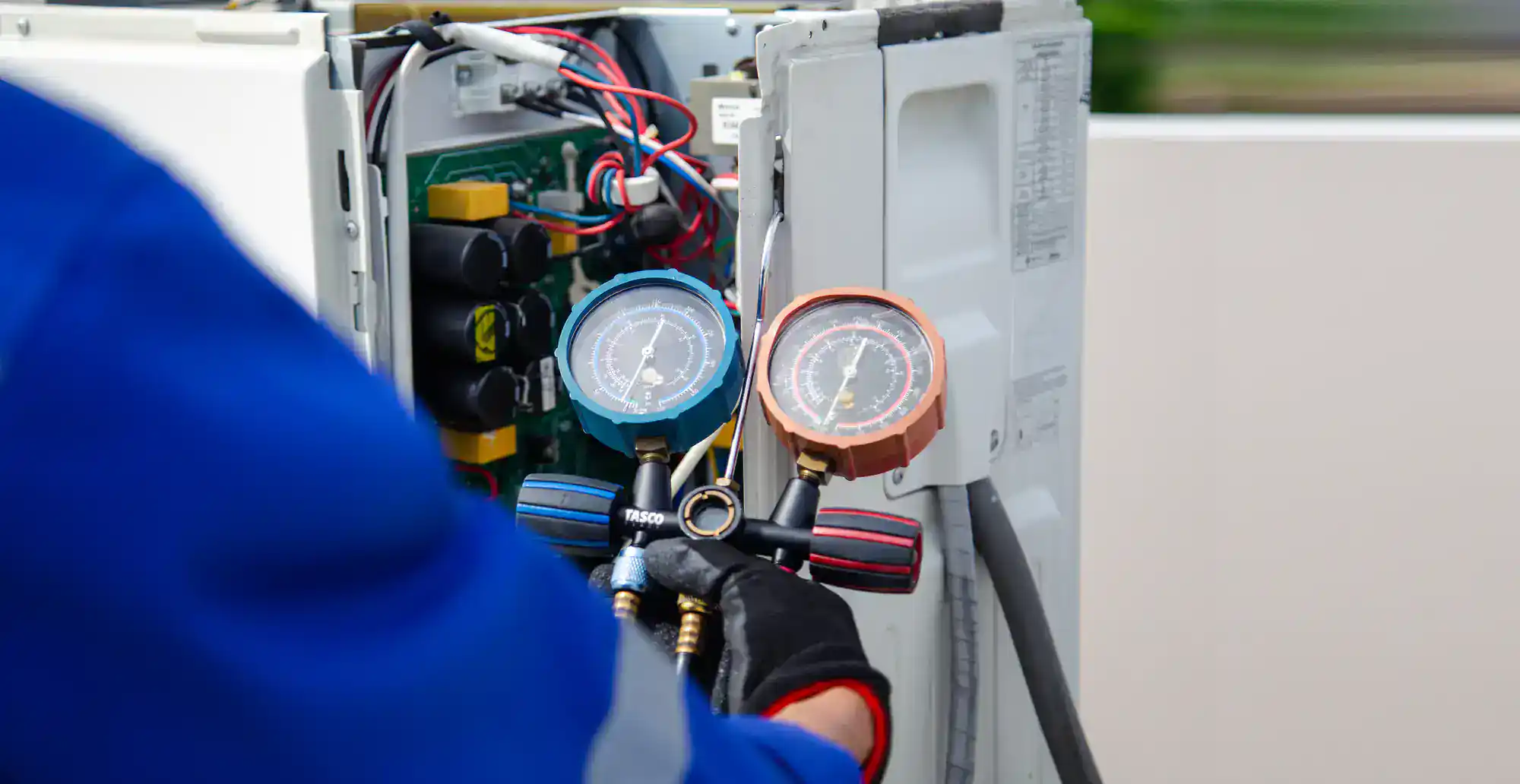
We start with a full assessment of your current system. That means checking for leaks, measuring airflow, inspecting attic conditions, and running a load calculation to determine the right duct size for your home. Most comfort problems come from ducts that were never sized correctly in the first place.
Once we know what you need, we give you a clear quote with no hidden costs. Then we map out the installation plan, including any modifications to your existing HVAC setup.
During installation, we remove old ductwork carefully to avoid spreading dust and debris through your home. New ducts are sealed with mastic or metal-backed tape—never cloth duct tape, which fails in Texas heat. We insulate properly to prevent energy loss in your attic, where temperatures can exceed 150 degrees in summer.
After installation, we test airflow at every register, check for leaks using pressure testing, and make sure your system is balanced. You’ll notice the difference immediately: even temperatures, quieter operation, and lower energy bills starting with your next cycle.
Ready to get started?
Every air duct installation in Live Oak, TX includes a full load calculation to size your ducts correctly. This isn’t optional—it’s the difference between a system that works and one that struggles from day one.
We use high-quality materials designed for Texas climates. That means ducts that can handle extreme attic heat without degrading, insulation rated for our conditions, and professional-grade sealants that won’t crack or separate over time.
You’ll also get proper sealing at every joint and connection. Leaky ducts waste up to 30% of your conditioned air, which is why we use mastic or foil-backed tape instead of shortcuts. We insulate ducts in unconditioned spaces like attics to prevent energy loss and condensation issues that lead to mold.
Live Oak’s housing stock includes many older homes where original ductwork was installed before modern efficiency standards. If that’s your situation, we’ll also evaluate whether your current HVAC system is compatible with new ductwork or if modifications are needed. We handle the whole scope so you’re not coordinating between multiple contractors.
After installation, we test everything. Pressure tests confirm there are no leaks. Airflow measurements ensure every room gets the right amount of conditioned air. And we’ll walk you through maintenance basics so your new system lasts.
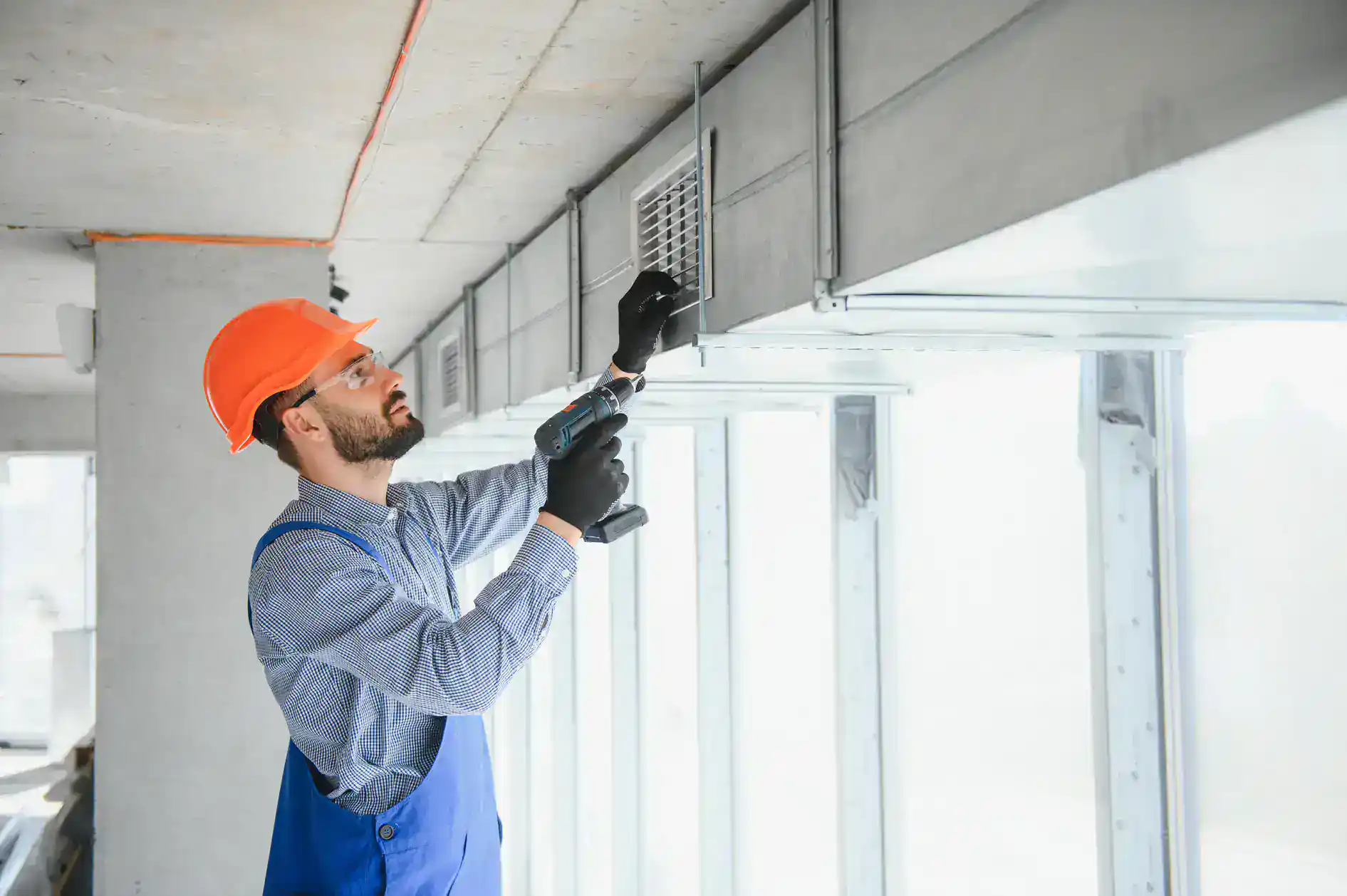
Most air duct installation projects in Live Oak run between $2,000 and $5,600 depending on your home’s size, the complexity of the layout, and whether modifications to your existing HVAC system are needed. Smaller homes with straightforward layouts fall on the lower end. Larger homes or those requiring significant rework cost more.
The price includes materials, labor, sealing, insulation, and testing. If your existing HVAC system needs modifications to work with new ductwork—like resizing the return or adjusting the plenum—that adds to the total. We give you a clear quote upfront so there are no surprises.
Financing options are available if you need them. And remember, properly installed ductwork typically pays for itself within a few years through energy savings. You’re looking at 15-30% lower utility bills depending on how inefficient your old ducts were.
Most residential duct replacements take between one and three days depending on the size of your home and the scope of work. A straightforward replacement in a smaller home might be done in a day. Larger homes or projects requiring significant modifications take longer.
We work efficiently, but we don’t cut corners. Proper sealing, insulation, and testing take time, and rushing those steps defeats the purpose of installing new ducts in the first place.
You’ll have access to your home the entire time, though certain areas may be off-limits while we’re working. We clean up thoroughly at the end of each day and do a final walkthrough when everything’s complete. Your HVAC system will be fully operational before we leave.
The most common signs are uneven temperatures between rooms, rising energy bills without increased usage, excessive dust even after cleaning, and visible damage to ductwork in your attic or crawlspace. You might also hear whistling or rattling sounds from walls or ceilings when your system runs.
If your ducts are more than 15-20 years old, they’re likely undersized by modern standards and may be deteriorating. Older homes in Live Oak often have ductwork that was installed before current efficiency codes, which means they’re losing a significant amount of conditioned air.
Another red flag is if your HVAC system runs constantly but never seems to cool or heat your home adequately. That’s often a duct problem, not an equipment problem. We can assess your system and tell you whether repair or replacement makes more sense for your situation.
Technically possible, but not recommended. Proper duct installation requires load calculations to size ducts correctly, knowledge of building codes, specialized tools for sealing and testing, and experience working in tight attic spaces in extreme heat.
Most DIY installations end up costing more in the long run because of mistakes like improper sizing, inadequate sealing, poor insulation, or code violations that have to be corrected later. Undersized ducts make your HVAC system work harder and wear out faster. Leaky ducts waste energy and money every month.
Texas building codes have specific requirements for duct installation, and work that doesn’t meet code can cause issues when you sell your home. Licensed contractors carry insurance that protects you if something goes wrong. DIY work leaves you liable for any damage or problems that result.
If budget is a concern, ask about financing options. The energy savings from professional installation usually offset the cost within a few years, and you’ll avoid the headaches and risks that come with doing it yourself.
Yes, if your current ducts are leaking or undersized. Leaky ductwork can waste 20-30% of your conditioned air, which means your HVAC system has to work that much harder to maintain temperature. Sealing those leaks alone typically saves 10-20% on energy costs.
Properly sized ducts improve efficiency by another 15-25% compared to undersized systems. When ducts are too small, your HVAC system can’t move enough air, so it runs longer cycles and uses more energy to reach the desired temperature.
The exact savings depend on how bad your current system is and how much you’re currently losing to leaks and inefficiency. Homes with older, deteriorating ductwork see the biggest improvement. Newer homes with minor issues see smaller but still meaningful savings.
Most homeowners in Live Oak notice the difference on their first full utility bill after installation. The system runs less frequently, temperatures stay more consistent, and monthly costs drop noticeably. Over time, those savings add up to thousands of dollars.
Repairs make sense when damage is localized—a single torn section, a disconnected joint, or minor leaks in an otherwise solid system. Replacement makes sense when ducts are old, extensively damaged, undersized, or causing persistent comfort and efficiency problems throughout your home.
If your ducts are more than 15-20 years old, replacement is usually the better investment. Older ductwork often has multiple issues: deteriorating insulation, failing seals, improper sizing, and material degradation from years of extreme attic temperatures. Patching one problem doesn’t fix the underlying issues.
Replacement also gives you the opportunity to resize ducts correctly if your original installation was undersized, which is common in older Live Oak homes. Properly sized ducts improve comfort and efficiency in ways that repairs can’t match.
We’ll assess your system honestly and tell you which option makes more sense for your situation and budget. If repairs will get you a few more good years, we’ll say so. If you’re throwing money at a failing system, we’ll tell you that too.
Other Services we provide in Live Oak
 Call Now