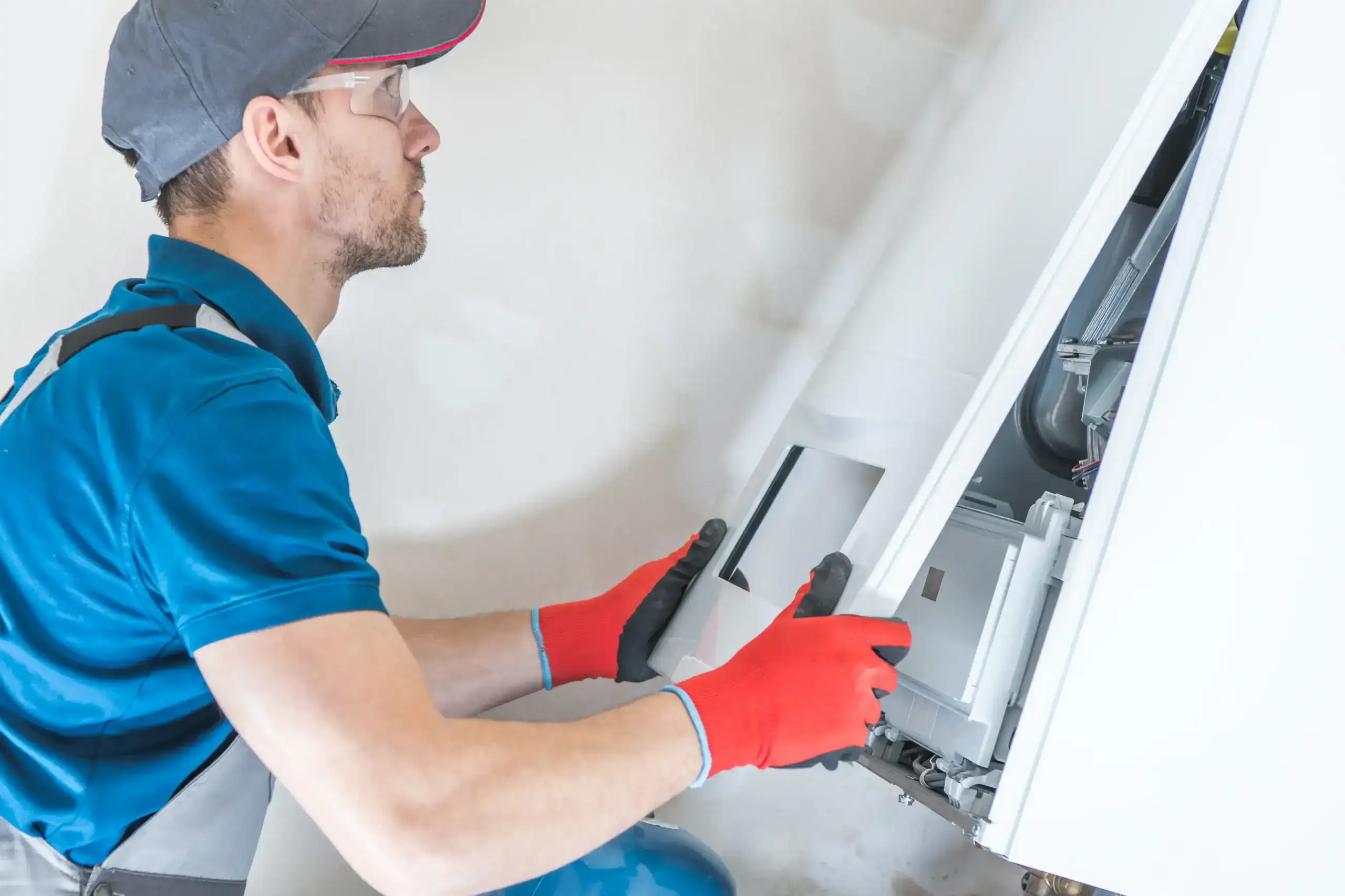
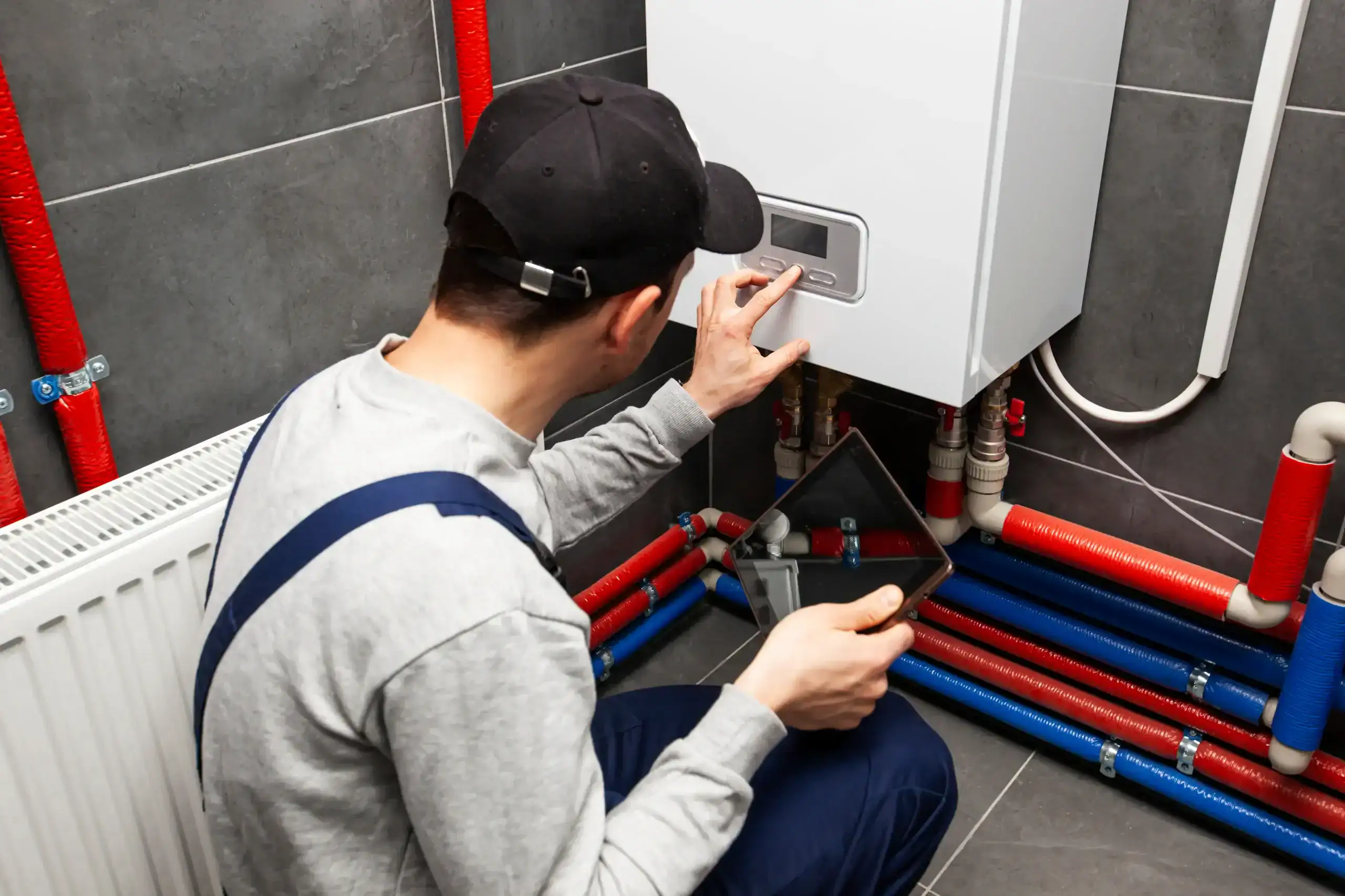
You’re not looking for a lecture on BTUs or a sales pitch. You need your furnace working again before the next cold snap hits.
That’s what residential heating repair in Converse, TX should look like. A technician shows up, diagnoses the issue, explains what’s broken in plain terms, and fixes it—usually the same day. No runaround. No pressure to replace a system that just needs a $200 part.
Texas winters might be short, but those 20-degree nights aren’t optional. Your heating system either works or it doesn’t. And when it doesn’t, you’re looking at frozen pipes, miserable mornings, and a repair bill that climbs the longer you wait.
We handle furnace repair in Converse, TX the way it should be handled: fast, transparent, and focused on getting your heat back on. Most repairs happen on the first visit. If we can’t fix it that day, we’ll tell you why and what happens next—no guessing games.
We’re a veteran-owned HVAC company that’s been handling heating and cooling work across San Antonio, Converse, and surrounding areas for over two decades. We’re not a franchise with rotating crews. You get the same certified technicians, the same straightforward service, every time.
Converse sits right in that zone where summers destroy AC units and winters—while mild most of the time—can drop hard enough to expose every weak point in your heating system. We’ve seen it all: cracked heat exchangers after years of neglect, thermostats that quit during the coldest week of the year, and ductwork that leaks more air than it delivers.
We’re available 24/7 because heating failures don’t wait for business hours. And we’re local, so when you call, you’re talking to someone who knows exactly what Converse weather does to HVAC systems.
First, you call or message us with the issue. Heater won’t turn on, blowing cold air, making a noise it shouldn’t—whatever it is, we’ll ask a few quick questions to get a sense of what’s going on.
Then we schedule a visit. In most cases, we can get someone out the same day. If it’s an emergency—like your heat’s out and it’s 25 degrees—we’ll prioritize it and get there fast.
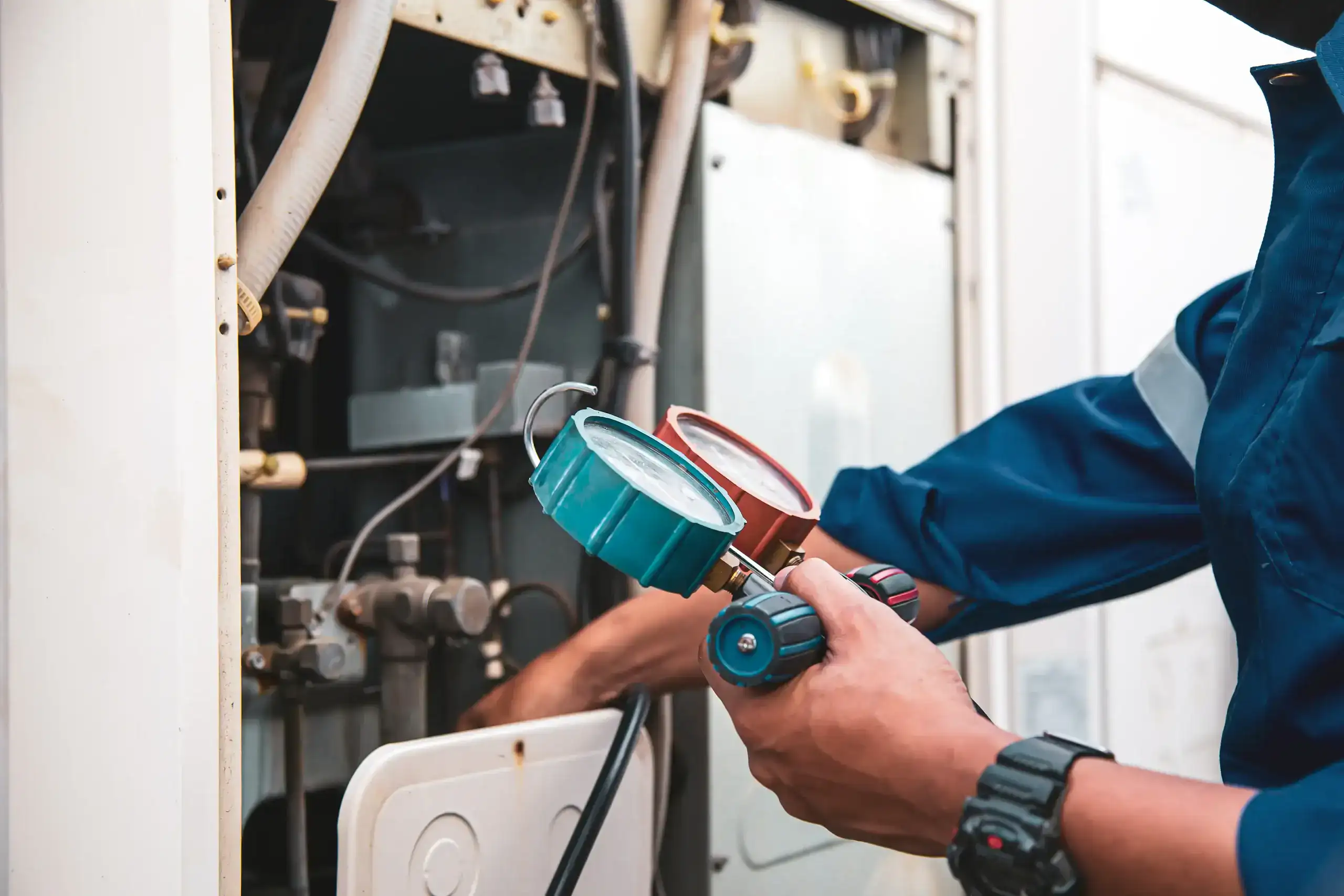
When our technician arrives, they’ll inspect your system, run diagnostics, and figure out what’s actually broken. Not what might be broken or what could break someday—what’s broken right now. Then they’ll explain it to you in normal language: what the part does, why it failed, what it costs to fix, and how long the repair takes.
If you approve the work, we fix it on the spot in most cases. You’ll get a clear invoice, a warranty on the repair, and heat that actually works. If the system is beyond repair or the fix doesn’t make financial sense, we’ll tell you that too—and explain your options without the pressure.
Ready to get started?
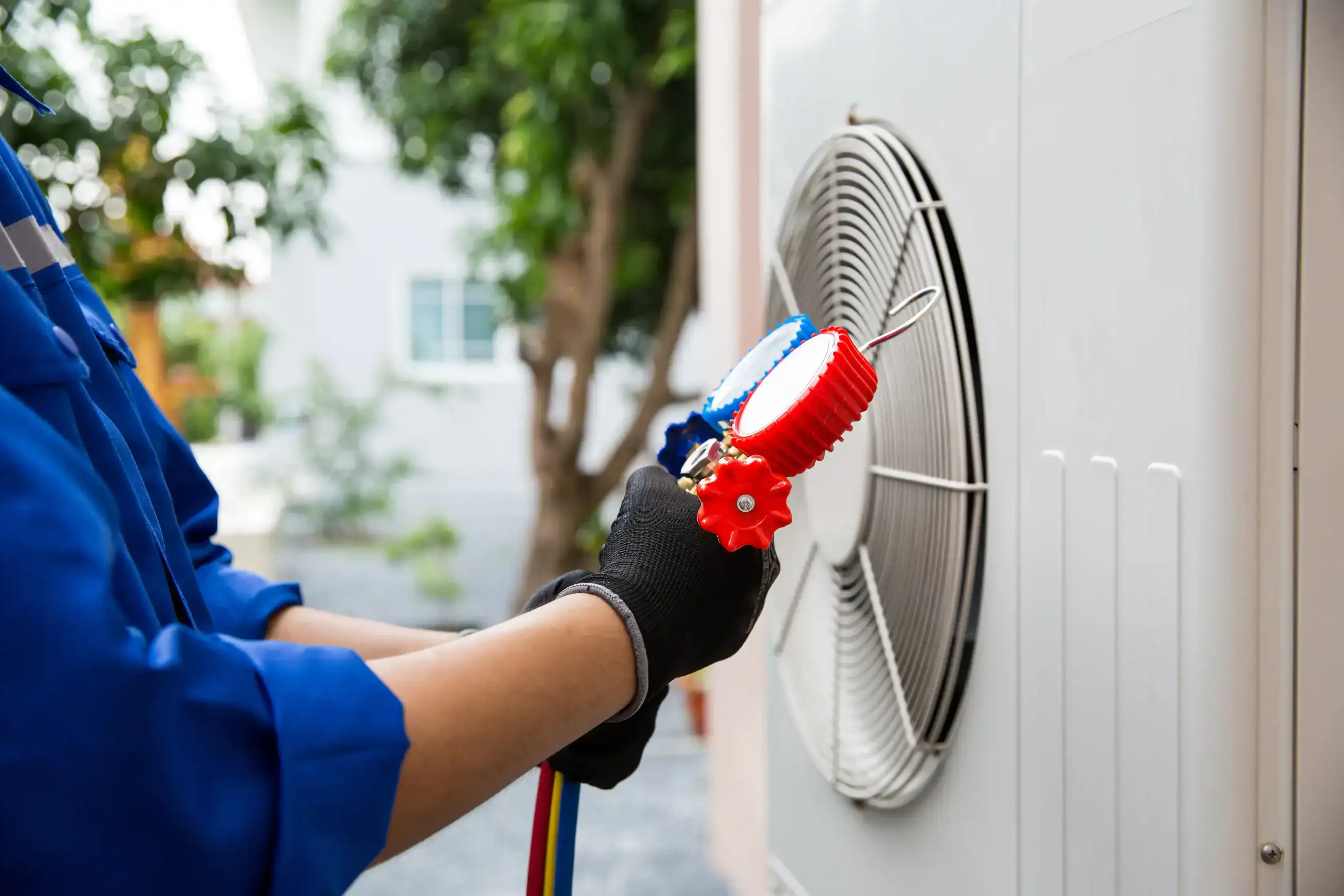
Heating repair in Converse, TX covers a lot of ground. We work on gas furnaces, electric furnaces, and heat pumps—basically anything that’s supposed to keep your house warm when the temperature drops.
Common repairs include replacing faulty igniters, fixing broken thermostats, clearing clogged filters, repairing blower motors, sealing duct leaks, and addressing airflow issues. We also handle more serious problems like cracked heat exchangers or refrigerant leaks in heat pump systems. Heat pumps are popular in Converse because they handle both heating and cooling, and they work efficiently down to about 25-30 degrees—which covers most of our winter weather. But they still break, and when they do, you need someone who knows how to fix them right.
One thing we see constantly in Converse: systems that haven’t been maintained in years. Texas heat beats up AC units all summer, and homeowners forget the furnace exists until November. By then, dust has caked the burners, filters are clogged, and minor issues have turned into expensive failures. A $150 tune-up would’ve prevented a $1,200 repair, but here we are.
We’ll always tell you if a problem could’ve been avoided with maintenance. Not to make you feel bad—but so it doesn’t happen again. Regular HVAC maintenance saves money, prevents breakdowns, and keeps your system running efficiently. That’s not a sales pitch. It’s just how equipment works.
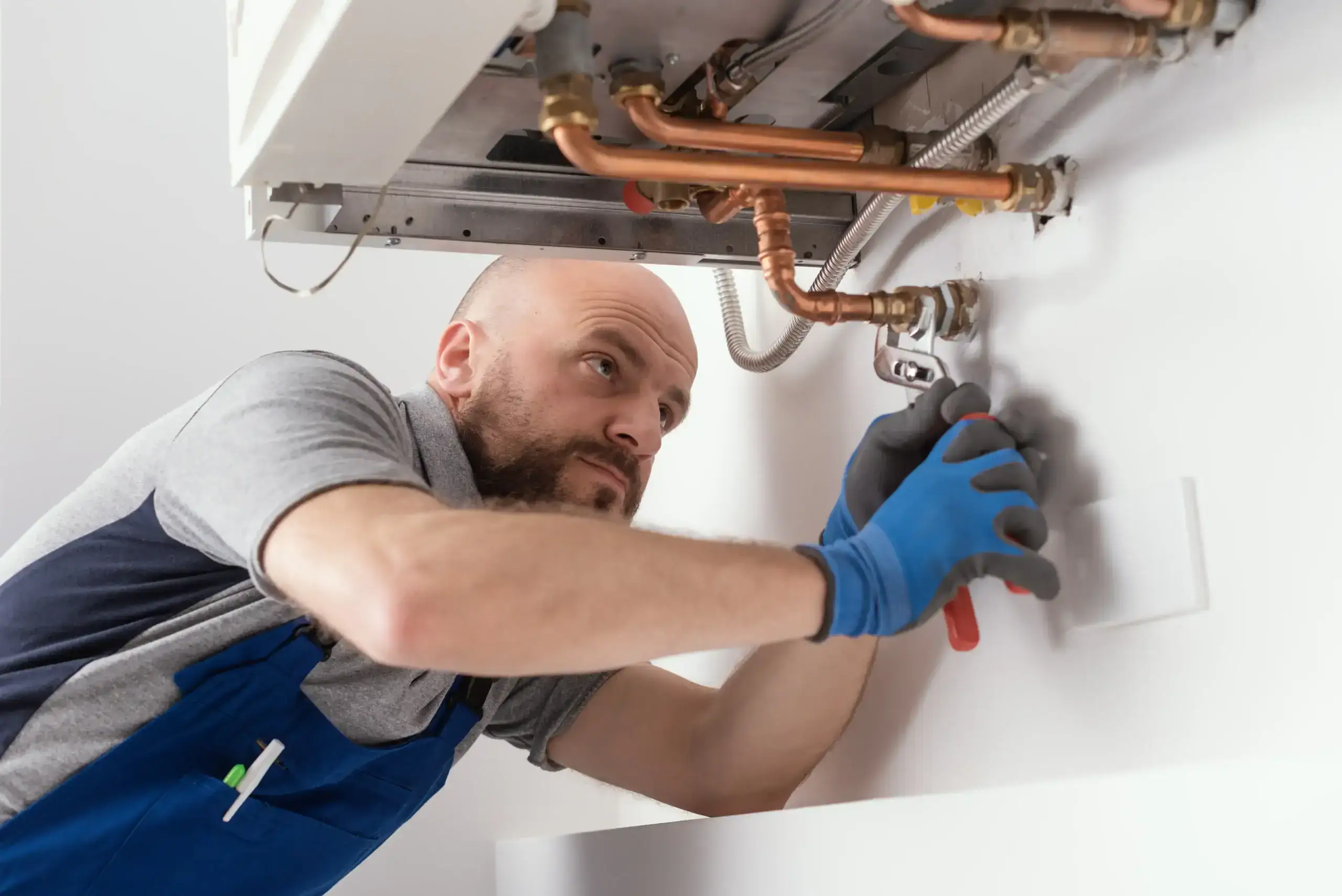
It depends entirely on what’s broken. A simple fix—like replacing a thermostat or a clogged filter—might run $150 to $300. A blower motor replacement could be $400 to $800. More serious issues, like a cracked heat exchanger or a full furnace control board replacement, can push $1,000 to $2,000 or more.
We don’t give estimates over the phone because guessing doesn’t help anyone. What we do is send a licensed technician to diagnose the problem, then give you a clear price before any work starts. No surprises on the invoice.
One thing to know: emergency heating repair during after-hours or weekends costs more than a scheduled service call. If you can wait until morning, you’ll save 30-50% compared to a midnight callout. But if your heat’s out and it’s freezing, we’re available 24/7—and we’ll get there fast.
Most heating repairs take one to three hours, start to finish. That includes diagnosing the issue, sourcing the part (if we don’t already have it on the truck), and completing the repair.
Simple fixes—like a tripped breaker, a bad thermostat, or a dirty flame sensor—can be done in under an hour. More involved work, like replacing a blower motor or a gas valve, might take two to three hours depending on the system and how accessible everything is.
In most cases, we complete the repair on the first visit. If we need to order a part that’s not in stock, we’ll let you know upfront, give you a timeline, and do everything we can to get your heat back on in the meantime—even if that means a temporary fix while we wait for the part to arrive.
If your furnace or heat pump is less than 10 years old and the repair costs less than half the price of a new system, repair it. If it’s over 15 years old, needs frequent repairs, or the fix costs more than 50% of replacement, it’s usually smarter to replace.
Here’s the math: a new furnace or heat pump costs $3,000 to $7,000 installed, depending on the system and your home. If your 12-year-old furnace needs a $2,500 repair, you’re better off putting that money toward a new system that’ll last another 15-20 years. But if it’s a $400 fix on a 7-year-old unit, repair it and move on.
We’ll never push you toward a replacement if a repair makes sense. But we will tell you honestly when you’re throwing money at a system that’s going to fail again in six months. You make the call—we just give you the information to make it.
Lack of maintenance causes up to 75% of heating system failures. Dirty filters restrict airflow, which overworks the blower motor and causes the system to overheat and shut down. Dust and debris clog burners and igniters, preventing the furnace from lighting. Worn-out parts that could’ve been caught during a tune-up fail at the worst possible time.
Converse’s climate makes this worse. Your AC runs hard all summer, and by the time you need heat in November, the system’s been sitting idle for months. Dust settles, seals dry out, and small issues turn into big ones the first time you fire it up.
Other common causes: thermostat failures, tripped breakers, pilot light issues on older furnaces, and refrigerant leaks in heat pumps. The good news is that most of these problems are preventable with annual maintenance. A $150 tune-up catches the issues before they become $1,000 repairs.
Yes. We’re available 24/7 for heating emergencies in Converse, TX. If your heat goes out in the middle of the night or during a cold snap, call us and we’ll get someone out as fast as possible.
Emergency service costs more than a regular appointment—that’s standard across the industry. But if you’re dealing with freezing temperatures and no heat, waiting isn’t an option. A heating failure during a hard freeze can cause burst pipes, which leads to thousands of dollars in water damage within hours. Fixing the furnace immediately is always cheaper than repairing a flooded house.
We prioritize emergency calls based on severity and timing. If it’s 20 degrees outside and you have no heat, you’re at the top of the list. If it’s 50 degrees and uncomfortable but not dangerous, we’ll still get there fast—but it might not be the same-minute response as a true emergency.
Once a year, ideally in the fall before you actually need your heater. October or early November is the sweet spot—early enough to catch problems before the first cold night, but late enough that you’re not scheduling it in July and forgetting about it.
Annual maintenance includes cleaning or replacing filters, inspecting the heat exchanger for cracks, testing the igniter and burners, checking electrical connections, lubricating moving parts, and making sure your thermostat is calibrated correctly. It takes about an hour and costs $100 to $200 depending on the system.
The ROI is real. A well-maintained furnace uses 10-20% less energy, which saves you money every month on your utility bill. It also prevents most breakdowns, extends the life of your equipment by years, and keeps your warranty valid. Most manufacturers require proof of annual maintenance to honor warranty claims—skip it, and you’re paying out of pocket even if the part should be covered.
Other Services we provide in Converse
 Call Now