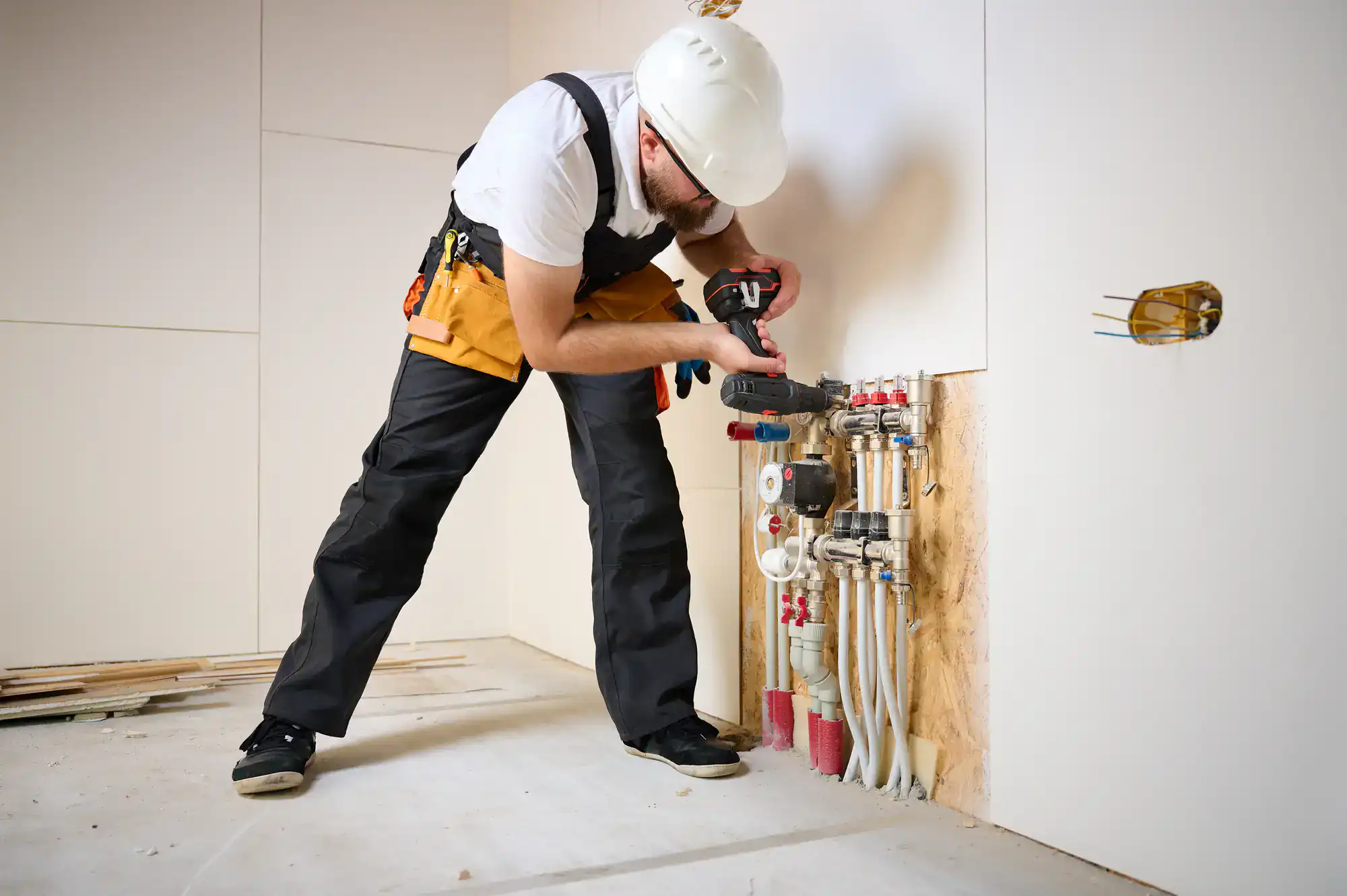
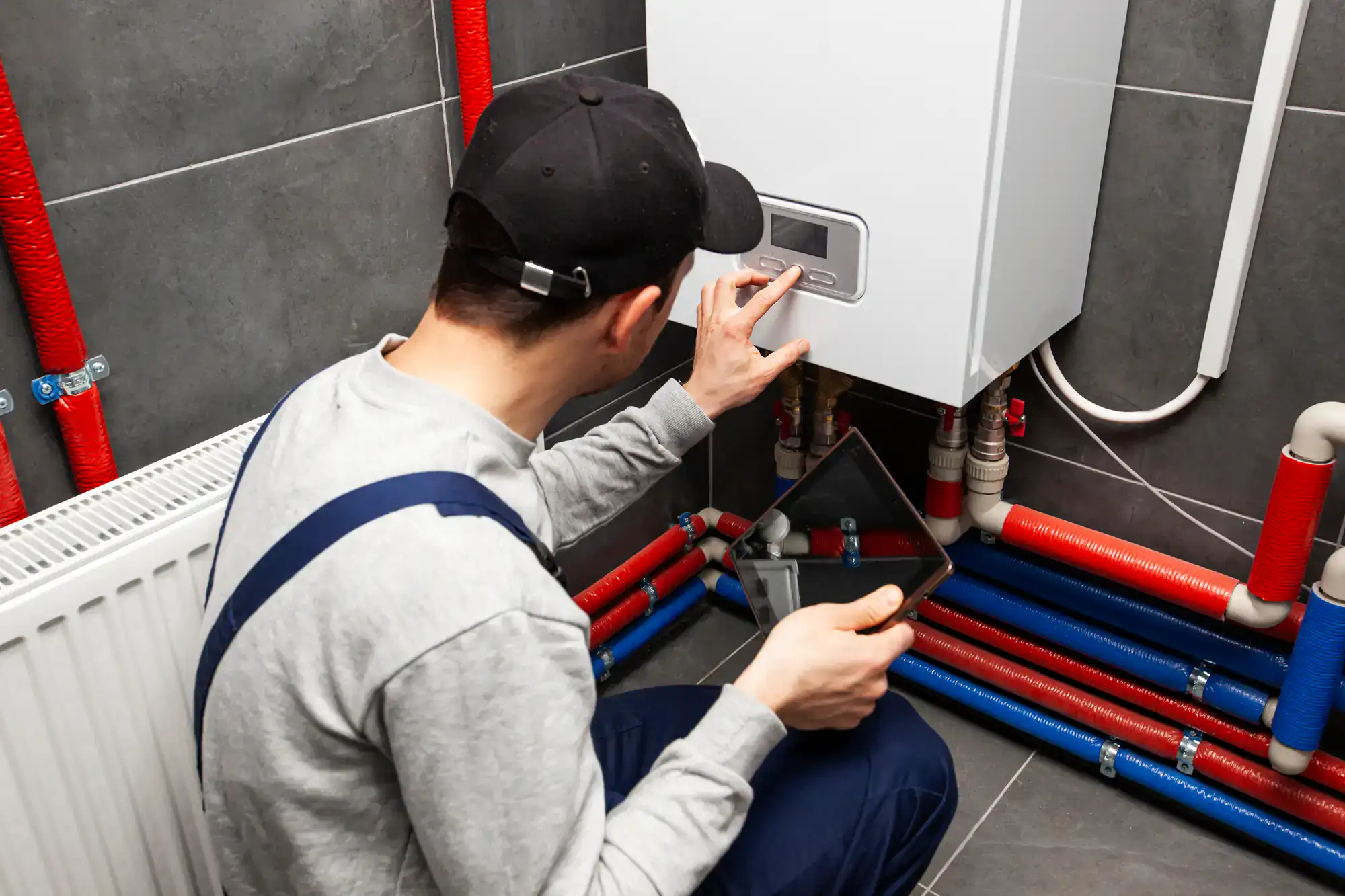
You’re not just getting a new heating system. You’re getting reliable warmth when temperatures drop from the 70s to the 20s overnight, which happens more often than most people expect in North Texas.
Castle Hills homes deal with unique challenges. Many properties in Castle Hills Forest have aging ductwork or room additions that create hot and cold spots. Your system runs longer than it should, driving up energy costs while leaving some rooms uncomfortable.
Modern heat pumps and heating systems change that. They’re built for Texas climate swings, providing both heating and cooling efficiently. You’ll see lower energy bills, more consistent temperatures throughout your home, and the peace of mind that comes from knowing your system won’t quit when you need it most. Many homeowners in Castle Hills, TX save $300 to $650 annually with properly installed, energy-efficient heating systems compared to older electric resistance heaters.
We’ve been installing and servicing heating systems across San Antonio, Houston, and Austin for over two decades. We’re veteran-owned, which means we show up when we say we will and do the job right the first time.
Castle Hills homeowners face specific concerns. Your neighborhood has established homes with mature landscaping and varied layouts. You need an HVAC contractor in Castle Hills, TX who understands how these older properties work and what it takes to install modern systems without tearing apart what you’ve built.
We’ve handled hundreds of installations in similar homes. Our technicians are certified, our work is permitted and code-compliant, and we’re available 24/7 when emergencies happen. You’re not getting a sales pitch. You’re getting an honest assessment of what your home needs and what it’ll cost.
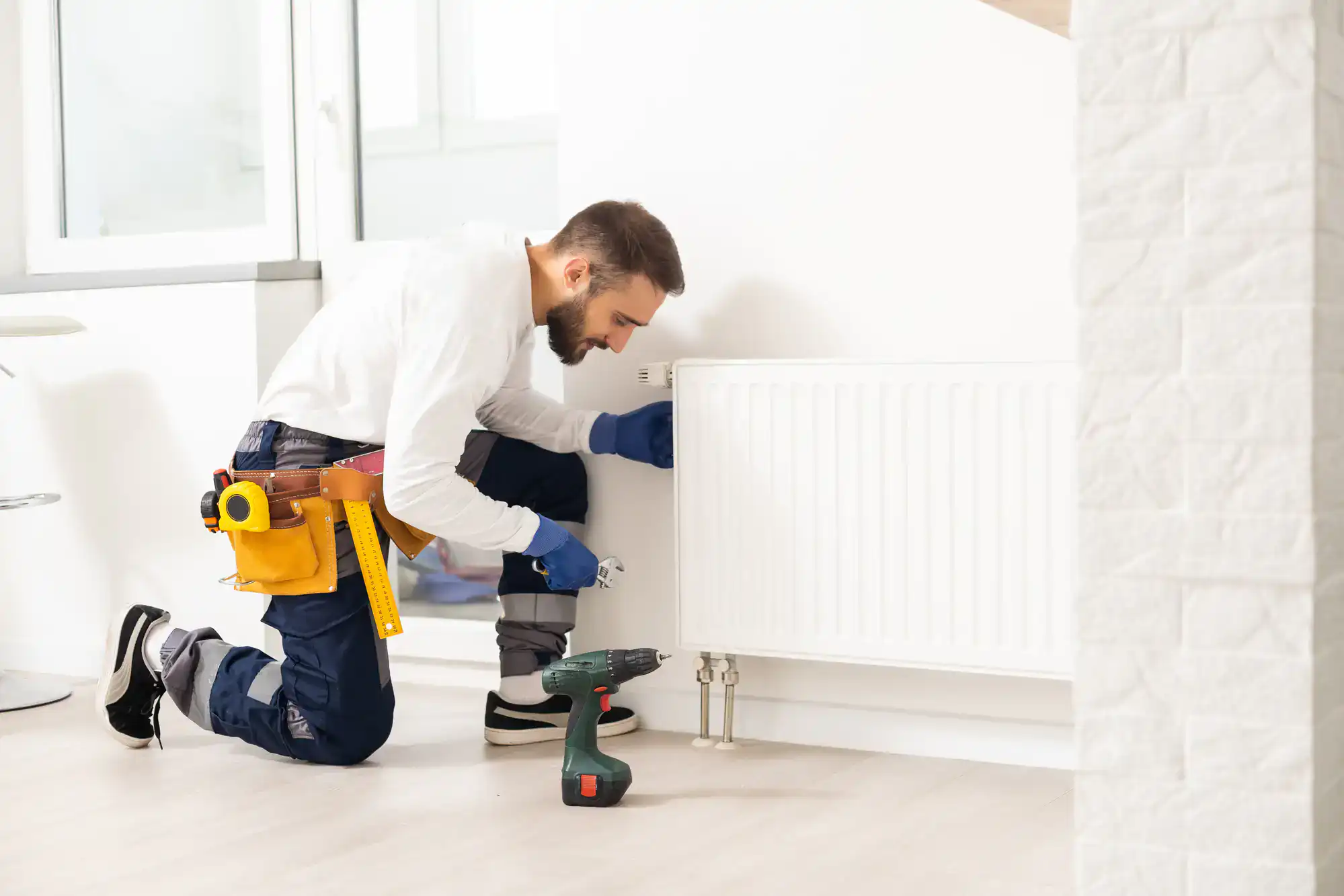
First, we assess your home. That means looking at your existing ductwork, insulation, square footage, and how your home is laid out. We’re checking for issues that affect performance, like leaky ducts or inadequate airflow. This isn’t a quick walk-through. It’s a real evaluation.
Next, we size your system correctly. Oversized systems cycle on and off too frequently, wasting energy and wearing out faster. Undersized systems run constantly and never keep up. We calculate the right capacity for your specific home in Castle Hills, TX, factoring in insulation levels and local climate data.
Then comes installation. We handle permits, remove your old equipment safely, install the new heating system, connect it to existing or new ductwork, and test everything thoroughly. You’ll know how to operate your new system, what maintenance it needs, and what warranty coverage you have. The whole process typically takes one to two days for residential heating system installation in Castle Hills, depending on complexity.
Ready to get started?
Heat pumps are ideal for Castle Hills, TX climate. They work efficiently in mild to moderate temperatures, which covers most of our winter. On the rare days when temperatures drop into the teens or single digits, backup heat kicks in automatically. You get both heating and cooling in one system, eliminating the need for separate equipment.
If you prefer a traditional furnace, we install those too. Gas furnaces provide strong, consistent heat and work well as backup systems paired with heat pumps. Electric furnaces are another option, though they typically cost more to operate in Texas.
Every installation includes proper ductwork assessment. Castle Hills homes often have duct issues that reduce efficiency by 20% or more. We seal leaks, balance airflow, and make sure every room gets the heating it needs. You’ll also qualify for federal tax credits up to $2,000 on Energy Star certified systems through 2032. That’s real money back on an investment that already saves you hundreds per year in energy costs. We handle all the paperwork and ensure your system meets efficiency requirements.
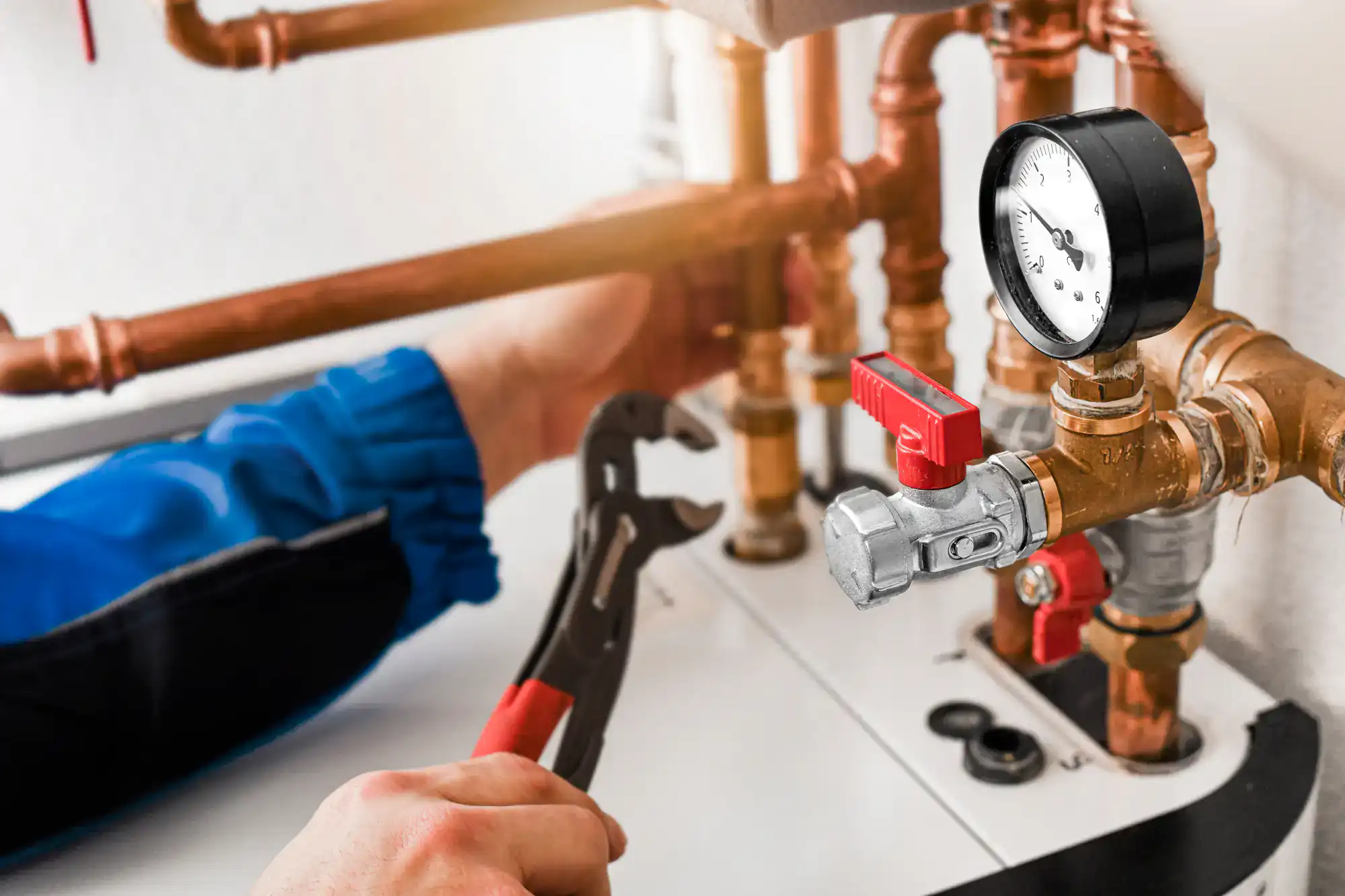
Most homeowners in Castle Hills, TX pay between $3,800 and $13,300 for heat pump installation, with the average around $6,175. Furnace installations typically run $2,500 to $7,500 depending on type and capacity.
Your actual cost depends on several factors. System size matters—larger homes need more capacity. The type of system affects price—heat pumps cost more upfront than basic furnaces but save money long-term through lower operating costs. Ductwork condition plays a role too. If your ducts need significant repairs or replacement, that adds to the project cost.
We provide upfront pricing after assessing your home. No surprises, no pressure. You’ll know exactly what you’re paying for and why. Many Castle Hills homeowners find that energy savings and federal tax credits offset a significant portion of their investment within the first few years.
Yes, but with a caveat. Heat pumps work efficiently down to about 25-30°F, which covers most winter days in Castle Hills, TX. When temperatures drop below that threshold, the system switches to backup heat automatically.
Modern cold-climate heat pumps perform even better, maintaining strong capacity well below freezing. If you’re concerned about extreme cold events, we can install a dual-fuel system that pairs your heat pump with a gas furnace. The heat pump handles mild weather efficiently, and the furnace takes over when temperatures plummet.
Castle Hills is expected to see more extreme temperature swings in coming years, but those severe cold days remain rare. A properly installed heat pump with adequate backup heat will keep your home comfortable through any weather Texas throws at you. We’ll recommend the right configuration based on your home’s specific needs and your comfort priorities.
Most residential heating system installations in Castle Hills take one to two days. Straightforward replacements where we’re swapping out an old system for a new one in the same location usually finish in a single day.
More complex installations take longer. If you’re upgrading from a furnace-only system to a heat pump, or if your ductwork needs significant work, expect two days or possibly more. We’ll give you a clear timeline before we start so you can plan accordingly.
We work efficiently without cutting corners. That means proper permits, code-compliant installation, thorough testing, and cleanup. You won’t be left without heat overnight—we schedule installations to minimize disruption and ensure your home stays comfortable throughout the process. If unexpected issues come up, we’ll explain what we found and what it means for timing and cost before proceeding.
Not always, but many Castle Hills homes benefit from duct repairs or improvements. We inspect your ductwork during the initial assessment and let you know what condition it’s in.
Leaky ducts waste 20-30% of heated air before it reaches your rooms. That’s like leaving windows open all winter. Sealing those leaks improves comfort and cuts energy waste significantly. Sometimes ducts are undersized for a new, more efficient system, or previous additions created airflow imbalances that force your system to work harder.
If your ducts are in good shape, we’ll work with what you have. If they need attention, we’ll explain exactly what’s wrong and what fixing it will cost. Many homeowners choose to address duct issues during heating system installation in Castle Hills, TX because the system is already open and it maximizes the performance of their new equipment. The choice is yours, but we’ll give you the information you need to make it.
System sizing depends on your home’s square footage, insulation levels, window quality, ceiling height, and how well your home is sealed. There’s no one-size-fits-all answer, which is why proper assessment matters.
An HVAC installer in Castle Hills, TX should perform a Manual J load calculation. This industry-standard method accounts for all the factors that affect heating and cooling needs. It’s not just square footage—a 2,000-square-foot home with poor insulation needs more capacity than the same size home with modern insulation and efficient windows.
Oversizing is a common mistake. Contractors sometimes install larger systems thinking bigger is better, but oversized equipment cycles on and off frequently, never running long enough to distribute heat evenly. It wears out faster and costs more to operate. We size systems correctly based on your home’s actual needs, not guesswork. That’s how you get consistent comfort and maximum efficiency from your investment.
Your new heating system needs annual professional maintenance and regular filter changes. That’s it for most homeowners, but those two things matter more than you might think.
Professional maintenance catches small issues before they become expensive repairs. We check refrigerant levels, test electrical connections, clean components, and verify that everything operates at peak efficiency. Most manufacturers require annual maintenance to keep warranties valid, so skipping it can cost you coverage when you need it.
Filter changes are on you, and they’re simple. Check your filter monthly and replace it when it looks dirty—usually every one to three months depending on your home. Dirty filters restrict airflow, forcing your system to work harder and use more energy. They also reduce indoor air quality, which matters in Castle Hills, TX where homes are sealed tight against heat and cold. Set a phone reminder if you need to. It takes two minutes and saves you money and headaches.
Other Services we provide in Castle Hills
 Call Now