You’re done guessing whether your heating system will make it through another winter. Done with uneven temperatures in different rooms. Done with energy bills that spike every time the temperature drops.
Modern heat pumps cut your heating costs by up to 75% compared to older systems. That’s real money back in your pocket every month. They heat and cool your home year-round, which means you’re getting double duty from one efficient system.
Here’s what changes after installation: your home heats evenly, your thermostat actually matches the temperature you feel, and you’re not holding your breath every time a cold front rolls through Converse. The federal government is offering up to $2,000 in tax credits for high-efficiency systems through 2032. That’s not a rebate you apply for later—it’s money off your taxes when you file.
Your system gets sized correctly from day one. No guessing, no oversizing to cover mistakes. A proper load calculation means your equipment runs efficiently, lasts longer, and keeps you comfortable without working itself to death.
Texas Air Repair has spent over 20 years installing and servicing heating systems across San Antonio, Houston, and Austin. We’re veteran-owned, which means we show up on time, do what we say, and treat your home like it’s our own.
Converse has grown from 175 residents to nearly 30,000 in just a few decades. We’ve been here through that growth, installing systems in older homes that need upgrades and newer builds that deserve quality from the start. We know how unpredictable Texas winters can be—mild one week, freezing the next.
You’ll work with licensed, insured technicians who’ve seen every type of heating system and every type of home. We’re available 24/7 for emergencies because we know breakdowns don’t wait for business hours. When we quote a job, that’s the price. No hidden fees, no surprise charges after we’re halfway through.
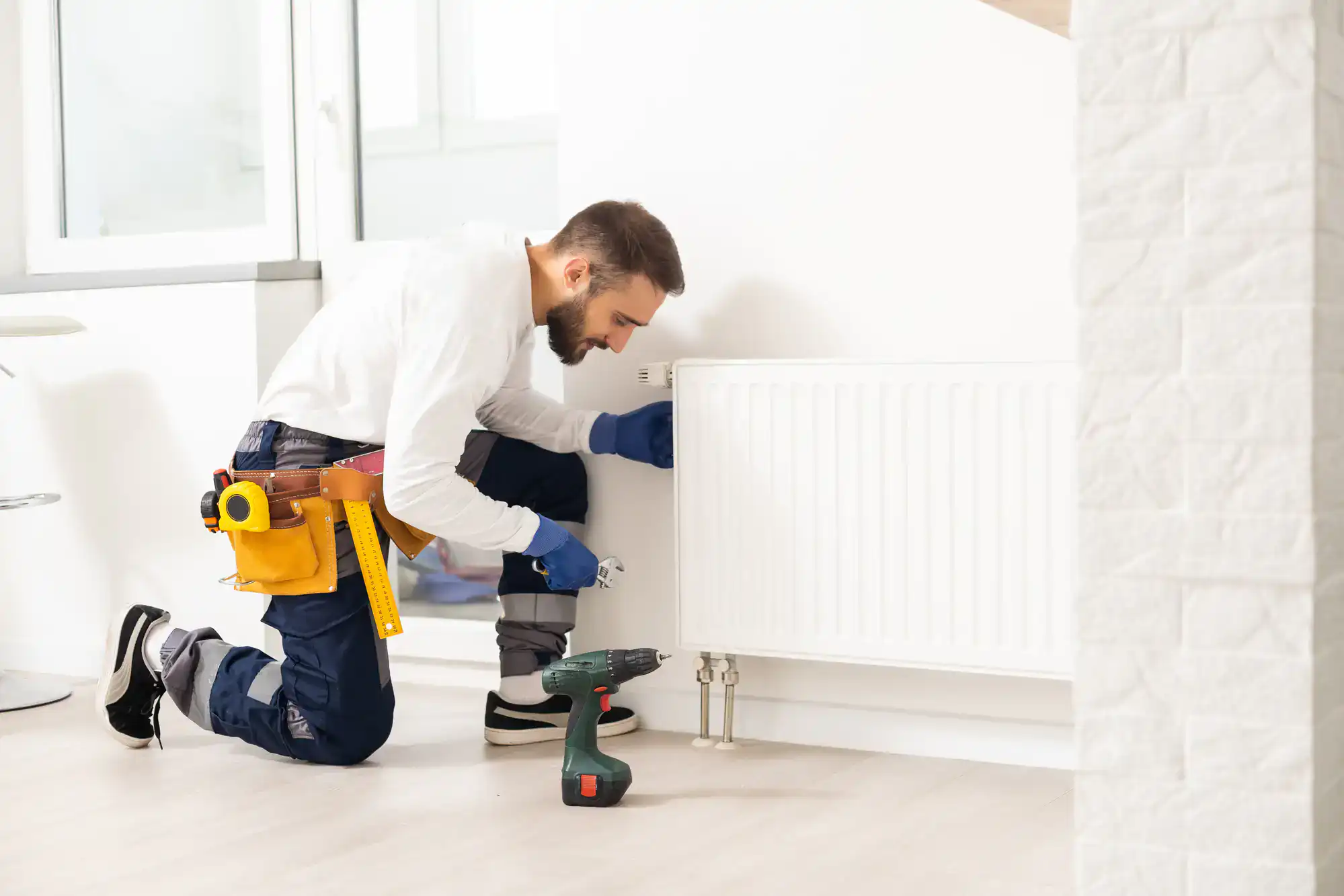
First, we come to your home and assess what you actually need. We’re measuring your space, checking your ductwork, looking at insulation, and asking about hot or cold spots you’ve noticed. This isn’t a sales call—it’s a load calculation that determines the right size system for your home.
Next, we walk you through your options. Heat pumps, furnaces, efficiency ratings, warranty coverage—we explain what each choice means for your comfort and your wallet. You’ll get a clear, written estimate before any work starts. No pressure, no upselling equipment you don’t need.
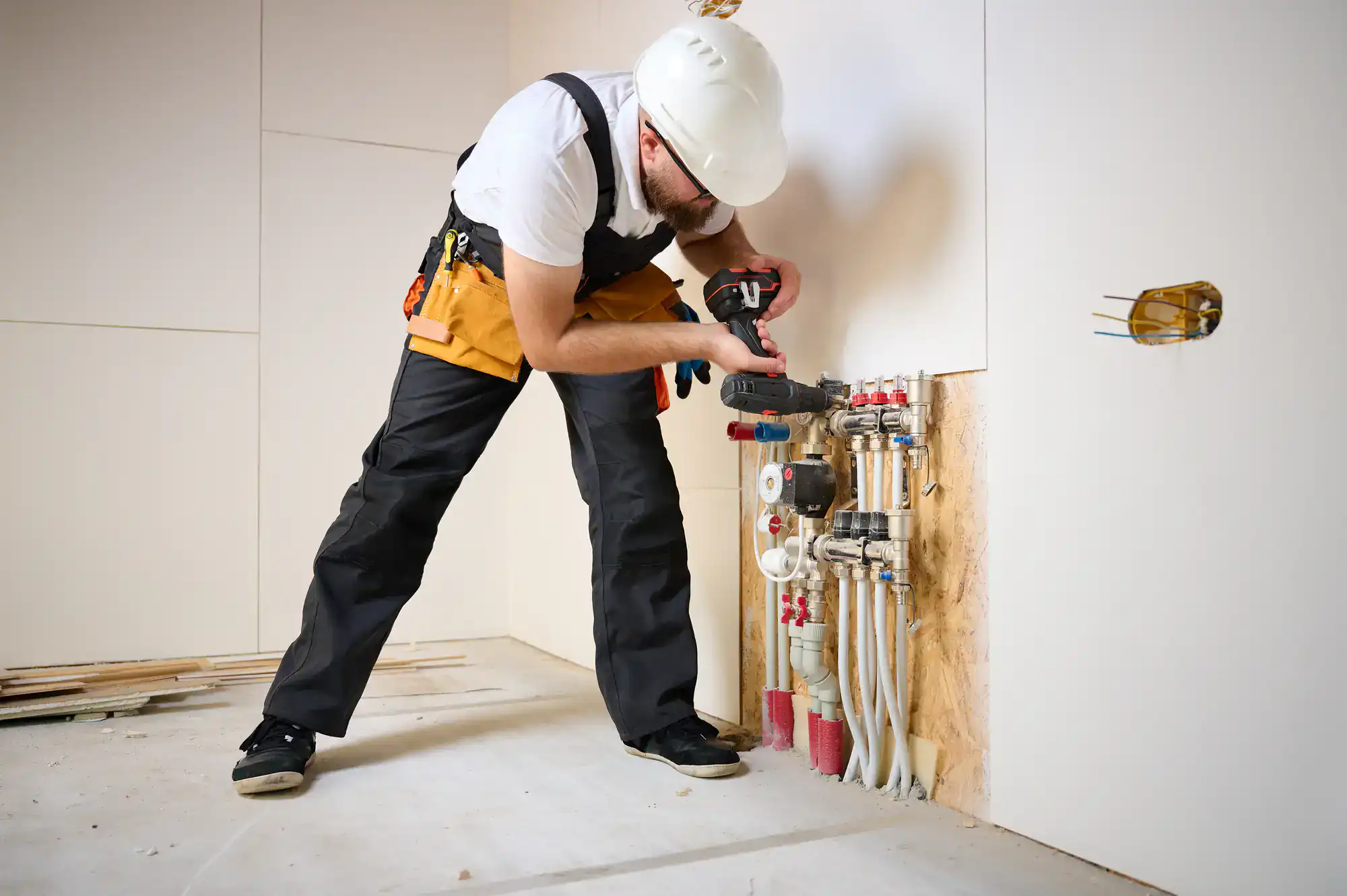
Installation day, our crew arrives on time with everything needed to complete the job. We protect your floors, remove your old system, and install the new one according to manufacturer specs. That includes setting up your thermostat, testing airflow, checking refrigerant levels, and making sure every zone in your home heats properly.
Before we leave, we show you how to use your new system and answer any questions. You’ll have our number for follow-up, and your warranty paperwork in hand. Most installations in Converse finish in one day, so you’re not left without heat overnight.
Ready to get started?
Every heating system installation in Converse, TX starts with a proper load calculation. This determines the exact size system your home needs based on square footage, insulation, windows, and local climate. Converse sits in a zone where heat pumps work exceptionally well—our mild winters mean you get efficient heating without the extreme cold that challenges heat pump performance in northern states.
You’ll receive a detailed estimate that breaks down equipment costs, labor, and any ductwork modifications needed. We install systems that qualify for federal tax credits when you choose high-efficiency models rated at 16 SEER2 and 8.5 HSPF2 or higher. Our technicians handle all permit requirements and ensure your installation meets local building codes.
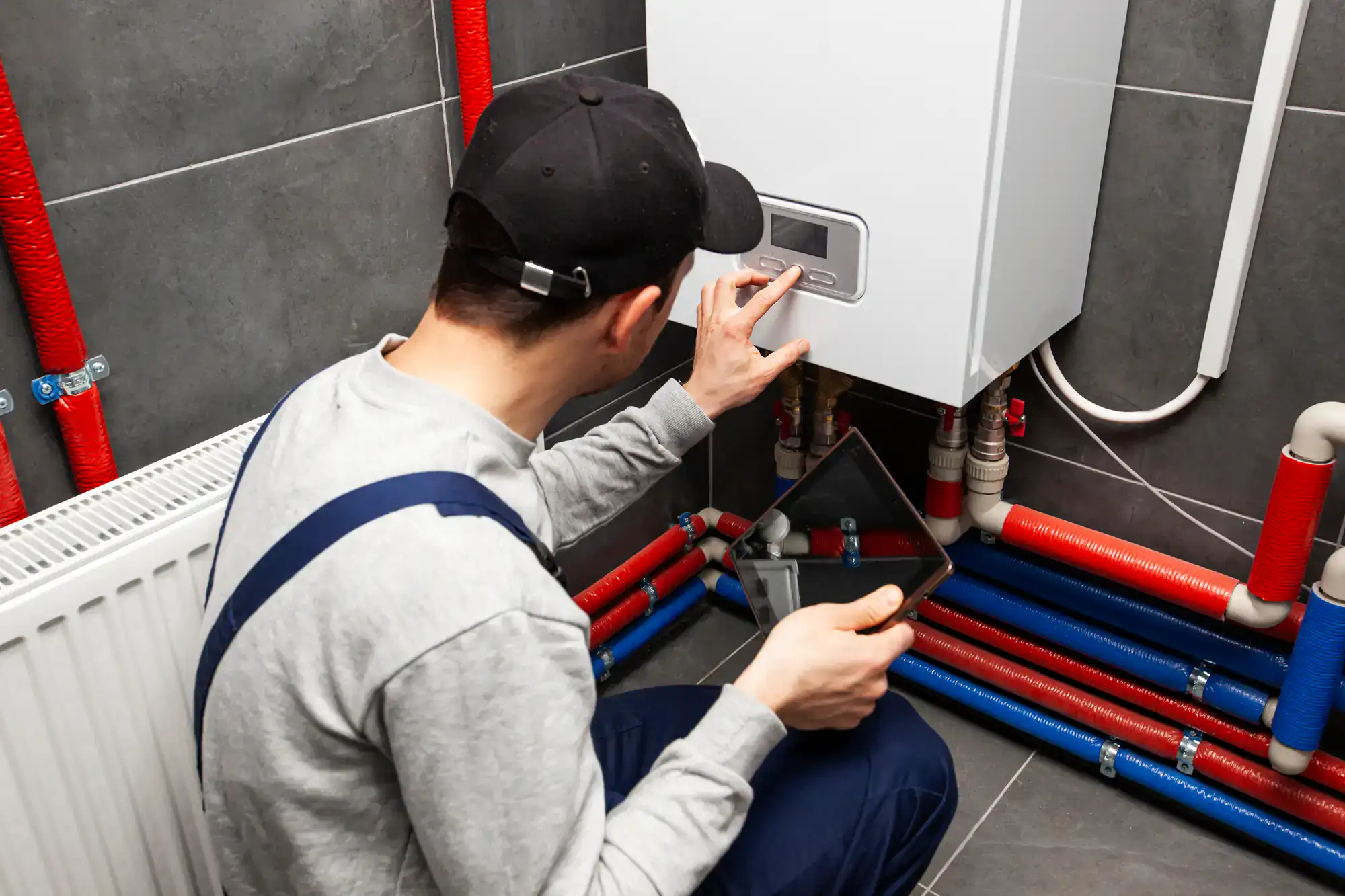
Your new system comes with manufacturer warranties on parts and our labor warranty on installation. We set up Wi-Fi thermostats that let you control your heating from your phone, program schedules around your routine, and track energy usage. If your ductwork has leaks or damage, we’ll catch it during the assessment—sealing ducts can improve efficiency by 20% or more.
Converse homeowners often ask us about heat pumps versus furnaces. Heat pumps make more sense here because they provide both heating and cooling efficiently in our climate. They pull heat from outdoor air even when it feels cold outside, using a fraction of the energy a traditional furnace burns. For the handful of nights each winter when temperatures drop into the teens, modern heat pumps include backup heating that kicks in automatically.
Complete heat pump installations in Converse typically run between $6,500 and $15,000 depending on system size, efficiency rating, and whether your ductwork needs modifications. Entry-level systems start around $4,200 to $6,500 for smaller homes with existing ductwork in good condition.
The price includes the outdoor unit, indoor air handler, thermostat, refrigerant lines, electrical connections, and labor. Higher-efficiency systems cost more upfront but qualify for federal tax credits up to $2,000 and save significantly on monthly energy bills. A system rated at 16 SEER2 versus 14 SEER2 might cost $1,500 more to install but saves $200-300 annually on electricity.
We provide written estimates that break down every cost before work begins. If your ductwork has leaks or your electrical panel needs upgrading to handle the new system, we’ll identify that during the assessment so there are no surprises. Financing options are available if you’d rather spread payments over time instead of paying everything upfront.
Most residential heating system installations in Converse finish in one day, typically 6-8 hours depending on system complexity and whether ductwork modifications are needed. Straightforward replacements where we’re swapping an old system for a new one in the same location usually take less time than installations requiring new duct runs or electrical upgrades.
Our crew arrives in the morning, removes your old equipment, installs the new system, tests everything, and cleans up before leaving. You’ll have heat that same evening. If we’re installing a system in a home that never had central heating, or if we’re adding zones and running new ductwork, the job might extend to two days.
We don’t leave your home without a working heating system. If something unexpected comes up during installation, we communicate immediately and work through it the same day. You’re never left overnight without heat, especially during winter months when Converse temperatures can drop unexpectedly.
Heat pumps make more sense for Converse homes because of our mild winter climate. They heat and cool your home year-round using one system, and they’re significantly more efficient than furnaces for the temperatures we typically see. Converse winters rarely drop below freezing for extended periods, which is exactly where heat pumps excel.
A heat pump can cut your heating costs by up to 75% compared to electric resistance heating, and they outperform gas furnaces in efficiency during our typical 40-60 degree winter days. Modern heat pumps include backup electric heating that activates automatically on the rare nights when temperatures hit the teens, so you’re covered even during unusual cold snaps.
Furnaces make sense in climates with sustained freezing temperatures, but that’s not Converse. You’d be paying for heating capacity you rarely use while missing out on the cooling efficiency a heat pump provides during our long, hot summers. One system handles both jobs, costs less to operate, and qualifies for federal tax credits when you choose a high-efficiency model.
System sizing depends on a professional load calculation that factors in your home’s square footage, insulation levels, window types, ceiling height, and local climate data for Converse. There’s no accurate rule of thumb—a 2,000 square foot home might need a 2.5-ton system or a 4-ton system depending on those variables.
Oversized systems cost more to install, cycle on and off too frequently, and wear out faster. Undersized systems run constantly, struggle to maintain temperature, and spike your energy bills. The load calculation takes about 30-45 minutes and ensures you’re getting exactly the capacity your home needs.
We measure each room, check your attic insulation, note which direction your home faces, and account for Converse’s climate zone. That data goes into industry-standard software that calculates precise heating and cooling requirements. You’ll see the results and understand exactly why we’re recommending a specific system size. This isn’t guesswork—it’s engineering that ensures your comfort and protects your investment.
High-efficiency heat pumps qualify for federal tax credits up to $2,000 through 2032 under the Inflation Reduction Act. Your system must meet minimum efficiency standards: 16 SEER2 for cooling and 8.5 HSPF2 for heating. Most modern heat pumps we install exceed these requirements.
This is a tax credit, not a rebate. You claim it when filing your federal taxes for the year you installed the system. It directly reduces what you owe the IRS dollar-for-dollar, up to the $2,000 maximum. You’ll need the manufacturer’s certification statement and your receipt showing the system meets Energy Star requirements.
We provide all documentation you need to claim the credit. The tax credit applies to the equipment and installation costs, making high-efficiency systems significantly more affordable. Some utility companies in the Converse area also offer additional rebates for energy-efficient installations—we’ll let you know if your address qualifies for any local incentives on top of the federal credit.
New heating systems need professional maintenance once a year, ideally in fall before you start using heat regularly. Annual maintenance catches small issues before they become expensive repairs, keeps your system running efficiently, and protects your warranty—most manufacturers require proof of regular maintenance to honor warranty claims.
A maintenance visit includes cleaning coils, checking refrigerant levels, testing electrical connections, inspecting ductwork for leaks, replacing filters, and verifying your thermostat is calibrated correctly. This takes about an hour and typically costs $100-150. It’s cheap insurance compared to emergency repairs or shortened equipment life from neglect.
Heat pumps work year-round in Converse, so they benefit from maintenance more than systems that only run seasonally. We catch things like dirty coils that reduce efficiency by 20%, refrigerant leaks that force your system to work harder, and electrical issues that could cause failure during the next heatwave or cold snap. Regular maintenance extends system life from 10-12 years to 15-20 years, which means you’re getting significantly more value from your installation investment.
Other Services we provide in Converse
 Call Now