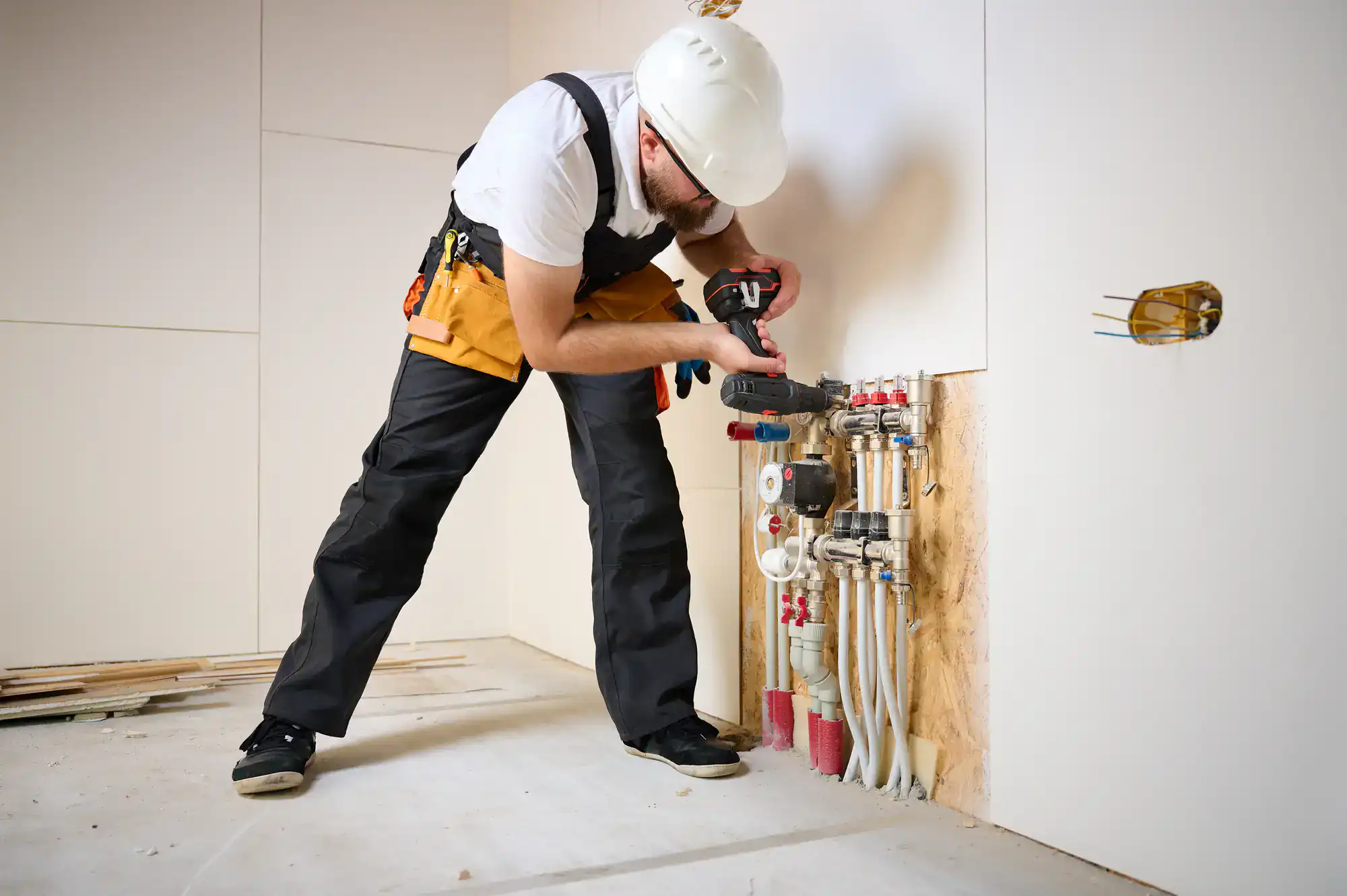
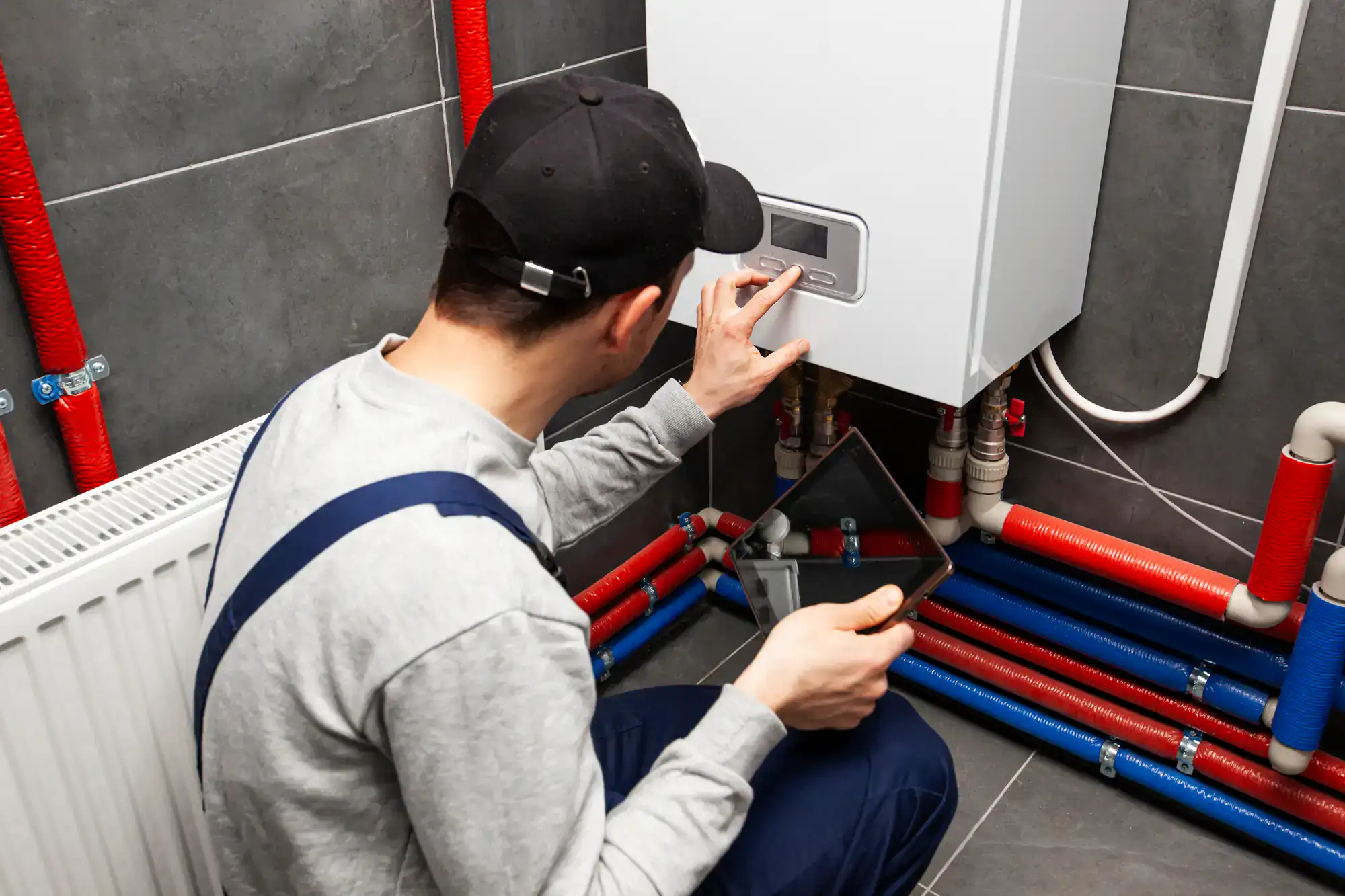
Austin winters are weird. You go weeks without needing heat, then overnight it drops into the 20s and suddenly your furnace won’t fire up. That’s not just bad luck—it’s what happens when systems sit idle for months in our climate.
When we handle your heating system installation in Austin, you’re getting equipment sized correctly for your home and configured for how Austin weather actually behaves. Heat pumps that cool all summer and heat efficiently when it’s cold. Dual-fuel setups that switch automatically based on temperature. Systems that don’t waste energy trying to keep up.
You’ll notice lower utility bills during winter months. You’ll have heat when you actually need it. And you won’t be one of those homeowners scrambling for emergency service during the next cold snap because your system wasn’t installed right the first time.
We’re veteran-owned and have been installing heating and cooling systems across San Antonio, Houston, and Austin for over two decades. We’re not new to this market, and we’re not learning on your dime.
Our technicians know what fails in Austin homes. The humidity issues that corrode components. The long stretches where furnaces sit unused and seize up. The temperature swings that crack heat exchangers. We’ve seen what happens when systems aren’t installed with Austin’s climate in mind.
We’re licensed, we pull proper permits, and we don’t cut corners to save fifteen minutes. You’re getting a residential heating system installation done by people who’ve been doing this since before the last major freeze reminded everyone that yes, Austin does get cold.
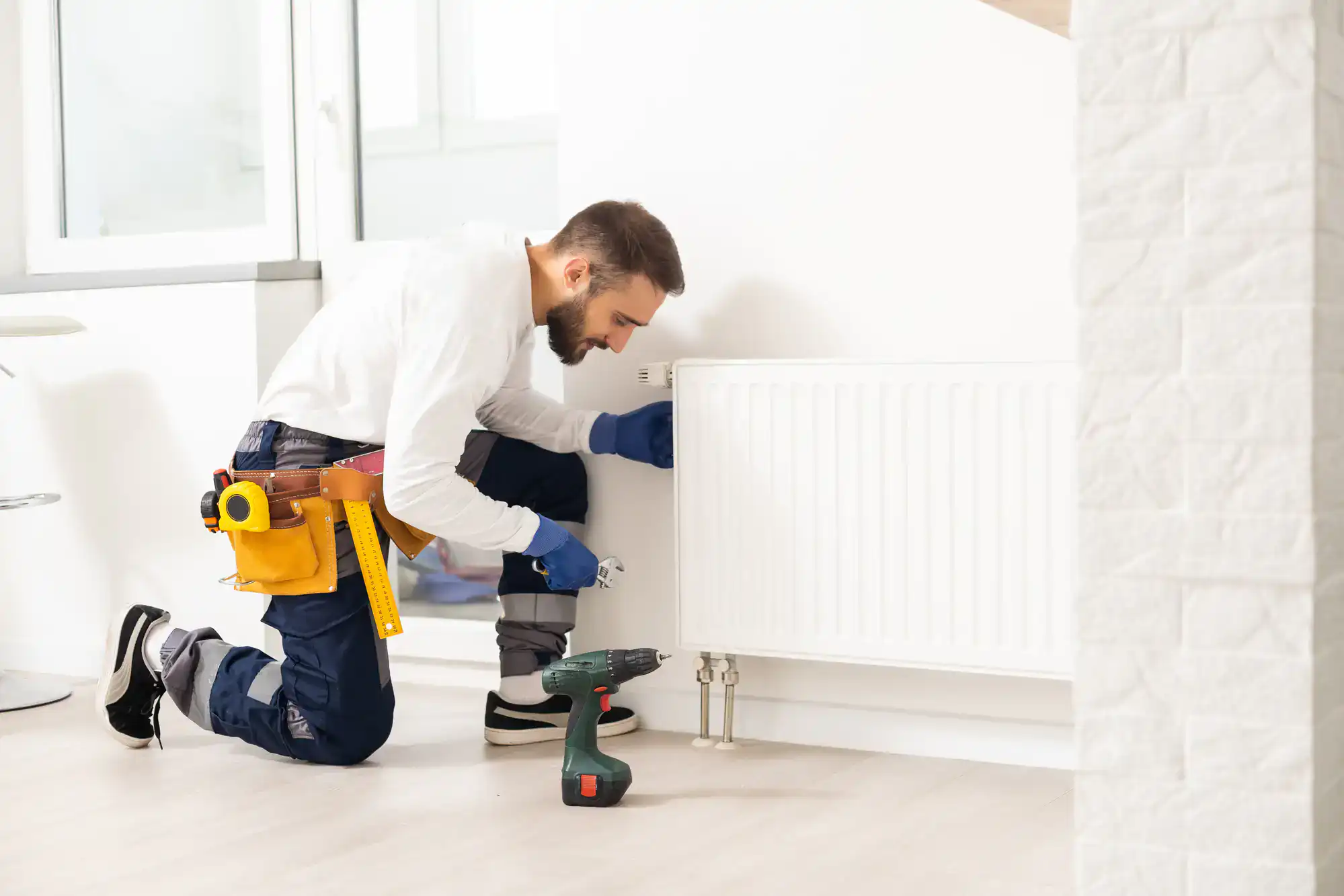
First, we come out and actually look at your home. Not every house needs the same size system, and we’re not going to sell you something oversized just because it’s easier. We measure your space, check your existing ductwork, and talk through what you actually need based on how you use your home.
Then we walk you through equipment options. Heat pumps make sense for most Austin homes because they handle both heating and cooling efficiently in our mild winters. If you want backup for those rare deep freezes, we’ll explain dual-fuel systems. If there are Austin Energy rebates you qualify for, we’ll tell you exactly what equipment gets you that money back.
Installation day, we show up on time with everything we need. We pull the permit, install your system to manufacturer specs, test airflow, seal any duct leaks, and make sure your thermostat is programmed correctly. Before we leave, we walk you through how everything works. Then we clean up and haul away your old equipment.
Ready to get started?
You’re getting a complete heating system installation, not just a unit swap. That means proper load calculations so your system isn’t oversized or undersized. It means ductwork inspection and sealing where needed, because leaky ducts waste up to 30% of your heated air. It means electrical work done to code, refrigerant lines installed correctly, and condensate drains that actually drain.
We handle the permit process with the city of Austin. We coordinate inspections. We make sure your new system qualifies for any available Austin Energy rebates, which can put $450 to $750 back in your pocket for high-efficiency heat pumps.
Austin homes deal with specific challenges. High humidity that breeds mold in ductwork. Long cooling seasons that stress components. Occasional cold snaps that require real heating capacity. Your installation accounts for all of that. We’re not just following a generic checklist—we’re installing a system designed for Central Texas weather patterns and built to last 15 to 20 years with proper maintenance.
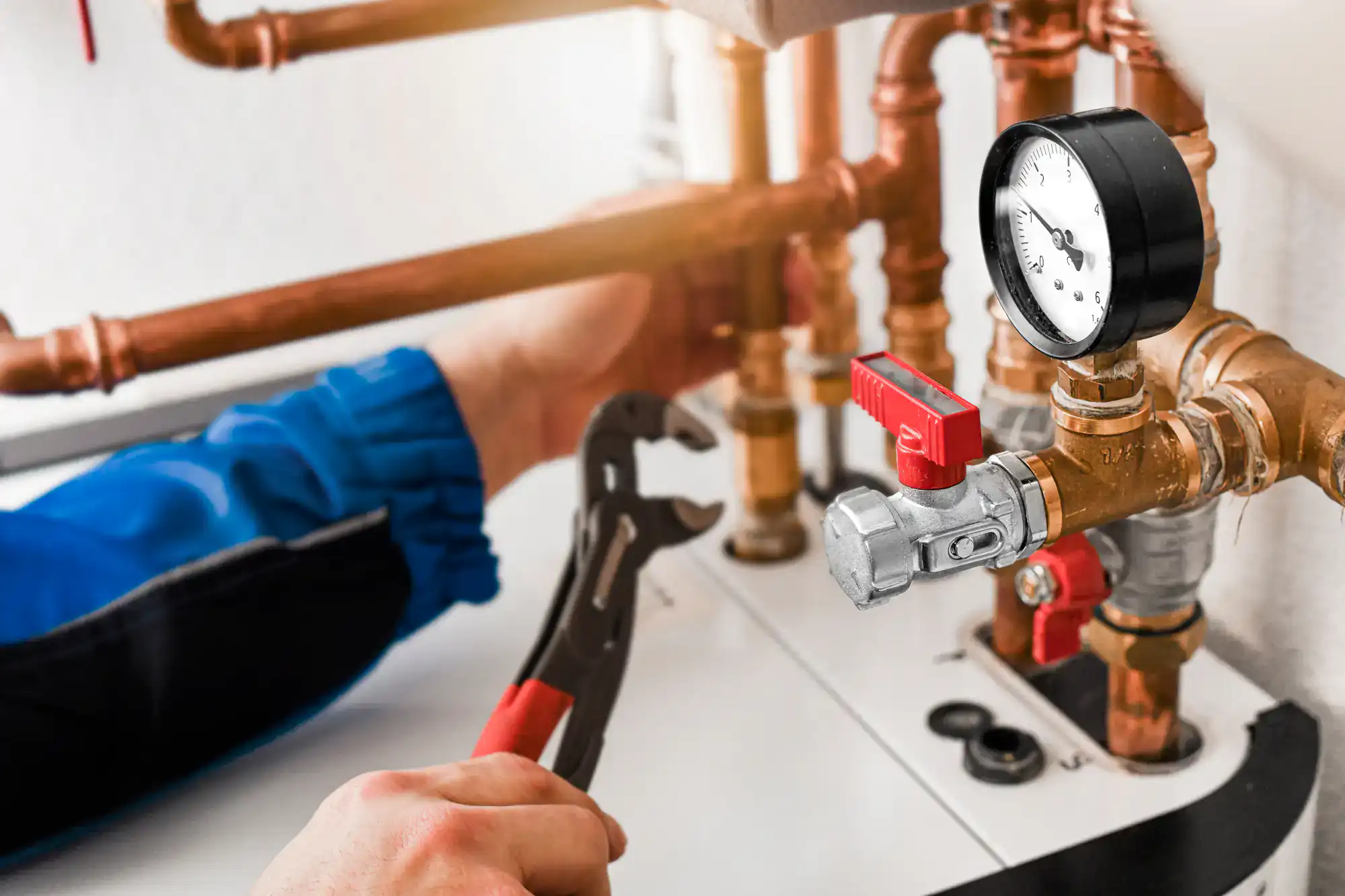
Heat pumps make more sense for most Austin homeowners. They cool your home in summer and heat efficiently in winter, which matters when you’re using AC nine months a year and heat for maybe three.
Austin’s mild winters are exactly where heat pumps shine. They move heat around instead of generating it, which cuts energy costs significantly compared to running separate heating and cooling systems. You can save up to 70% on heating bills compared to older furnaces.
The only time you might want a traditional furnace is if you have an older home with existing gas lines and ductwork sized for forced air. Even then, a dual-fuel system that pairs a heat pump with a gas furnace backup often makes more sense. It runs the efficient heat pump most of the time and only kicks to gas when temperatures drop into the teens or twenties.
Most residential heating system installations in Austin run between $5,000 and $12,000 depending on the equipment you choose and the size of your home. Heat pumps typically cost more upfront than basic furnaces, but Austin Energy offers rebates up to $750 for qualifying high-efficiency models.
Your actual cost depends on whether you need ductwork modifications, electrical upgrades, or a complete system replacement versus a straight swap. Larger homes need bigger systems. Older homes sometimes need additional work to bring things up to code.
We give you an exact price before we start any work. No surprises, no “we found additional issues” upcharges unless you actually approve them first. And we’ll tell you what rebates you qualify for so you can factor those savings into your decision.
Most heating system installations in Austin take one full day, sometimes two if we’re doing significant ductwork modifications or electrical upgrades. We’re not rushing through it, but we’re also not dragging it out.
The timeline depends on what we’re replacing and what condition your existing setup is in. A straightforward heat pump replacement in a newer home with good ductwork? That’s typically a same-day job. An older home where we need to modify ductwork, upgrade electrical panels, or address code issues? That might take two days.
We schedule your installation for a specific day and we show up when we say we will. We don’t book three jobs in one day and leave you waiting. You’ll have working heat by the time we leave, and we won’t leave your home torn apart overnight.
Yes. Austin requires mechanical permits for HVAC system replacements, and we handle that entire process for you. It’s not optional, and it’s not something you want to skip.
Permits ensure your installation meets current building codes and safety standards. The city inspector checks refrigerant lines, electrical connections, gas lines if applicable, and overall installation quality. That inspection protects you if you ever sell your home and protects your warranty if something goes wrong.
Some companies skip permits to save time or avoid inspection scrutiny. We don’t. We pull the permit, we schedule the inspection, and we make sure everything passes the first time. It’s built into our process and our pricing, so you’re not dealing with any of that paperwork yourself.
Your new system comes with a manufacturer warranty that covers parts, typically for 5 to 10 years depending on the equipment. Our installation work is also warranted, so if something fails because of how we installed it, we come back and fix it at no cost to you.
Most heating system failures in the first few years are installation-related—loose connections, improper refrigerant charge, bad ductwork sealing. That’s why proper installation matters so much. We test everything before we leave, but if something does go wrong, you call us and we handle it.
We also offer 24/7 emergency service for Austin customers. If your heat goes out during a cold snap, you’re not waiting until Monday morning. We answer the phone, and we send someone out—nights, weekends, holidays. You’re not going to freeze because you can’t reach us.
Yes. Austin Energy offers rebates ranging from $450 to $750 for qualifying high-efficiency heat pump installations. Your system needs to meet minimum efficiency ratings—at least 15.2 SEER2 and 7.8 HSPF2—to qualify.
We’ll tell you exactly which systems qualify before you make a decision. We can also help you with the rebate paperwork, though Austin Energy’s process is fairly straightforward. You typically apply after installation with proof of purchase and your permit documentation.
There are also federal tax credits available for high-efficiency heating equipment, separate from Austin Energy’s rebates. Between local rebates and federal credits, you can often offset a significant chunk of your upfront costs. We keep current on what’s available so you’re not leaving money on the table.
Other Services we provide in Austin
 Call Now