
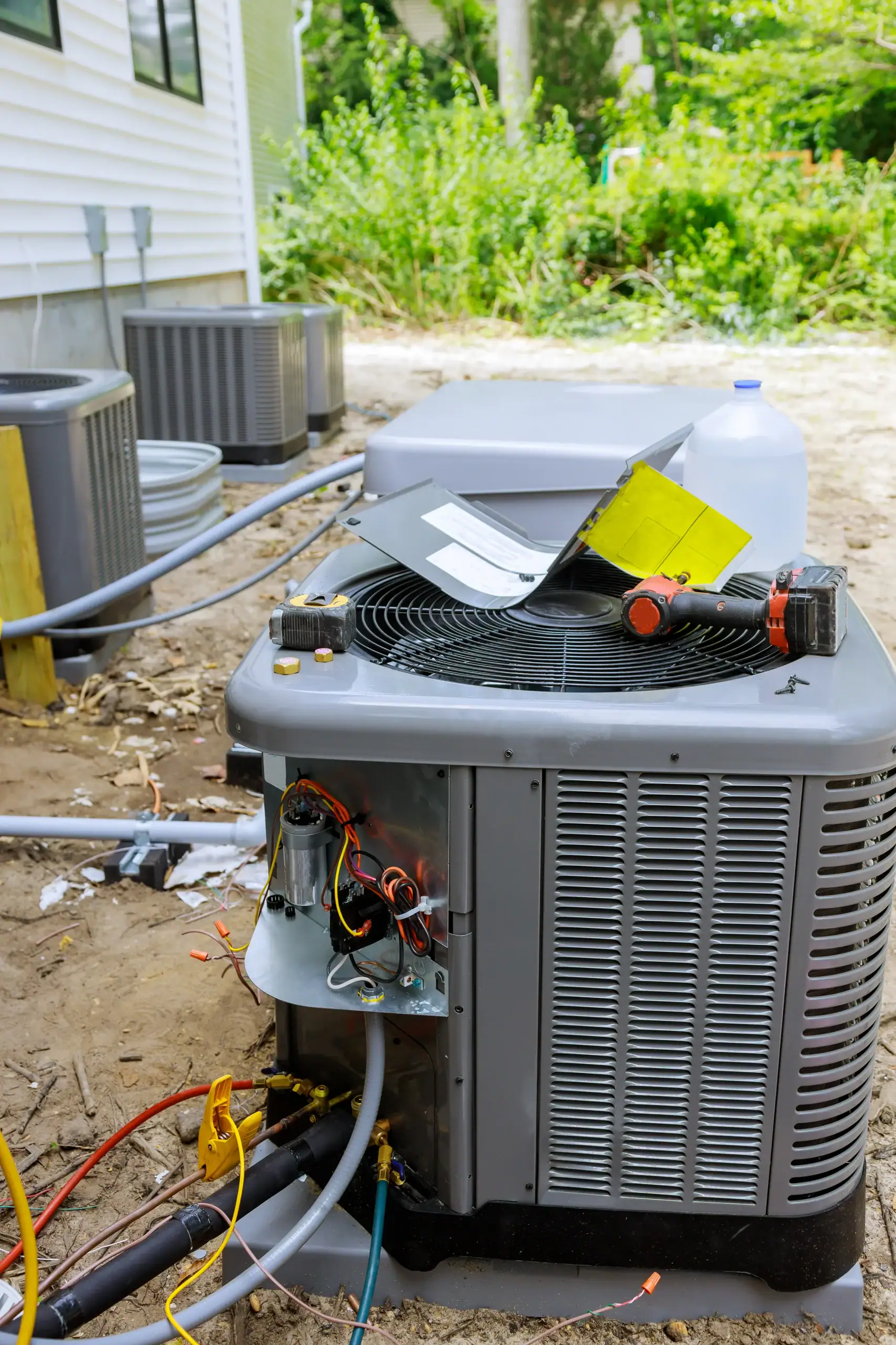
You’re running a business, not an energy company. But when your HVAC system is eating up half your monthly overhead, it starts to feel that way.
Commercial heat pumps work differently than traditional systems. Instead of generating heat or cold from scratch, they transfer it from one place to another. That simple difference can cut your energy use by up to 50% compared to conventional heating and cooling setups.
Here’s what that looks like in practice: consistent temperatures throughout your space, predictable monthly costs, and equipment that handles both heating and cooling without needing separate systems. You’re not constantly adjusting thermostats or wondering why one area feels like a sauna while another is freezing. The system does what it’s supposed to do, quietly and efficiently, so you can focus on what actually matters in your operation.
We’ve been handling commercial HVAC work across San Antonio, Houston, and Austin for over two decades. We’re -owned, which means we show up when we say we will and finish what we start.
Elmendorf sits in a challenging climate zone. Summer temps regularly push past 95°F with humidity that makes it feel even hotter. Your heat pump has to work harder here than in most places. We get that, because we’ve been installing and servicing these systems in South Texas long enough to know exactly what holds up and what doesn’t.
When you call us, you’re talking to people who understand the specific demands of this area—from the dust that accumulates on coils to the occasional cold snap that tests your heating capacity. We’re not just dropping in equipment and hoping for the best.
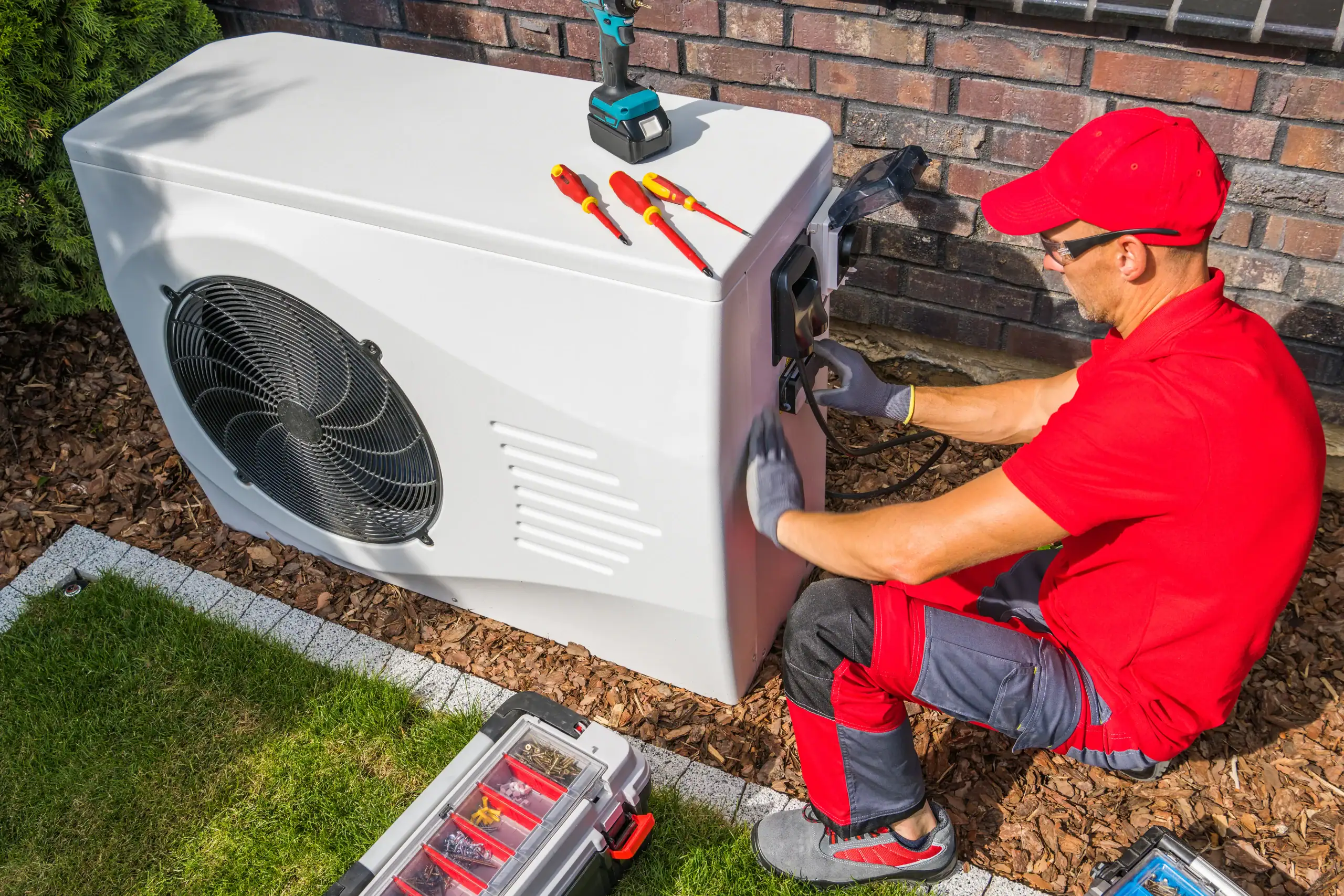
We start by looking at your actual space, not just pulling numbers from a chart. Square footage matters, but so does ceiling height, insulation, how many people occupy the building, and what kind of equipment generates heat inside.
Once we know what you need, we walk you through equipment options that fit your budget and performance requirements. No upselling to the most expensive unit—just honest recommendations based on what will actually work for your situation.
Installation typically takes one to three days depending on the complexity. Our technicians handle everything from mounting the outdoor unit to connecting refrigerant lines, installing the indoor air handler, and testing the entire system under load. We check airflow, verify refrigerant levels, calibrate controls, and make sure every zone in your building reaches the temperature it’s supposed to.
After installation, we show you how to operate the system and what to watch for between service visits. You’ll also get a maintenance schedule tailored to your equipment and usage patterns. Most commercial heat pumps need professional service twice a year—once before cooling season and once before heating season—to maintain peak efficiency.
Ready to get started?
Commercial heat pump service in Elmendorf isn’t the same as it would be somewhere with milder weather. The extreme summer heat and dust common to South Texas mean your equipment faces conditions that accelerate wear on components like coils, fans, and compressors.
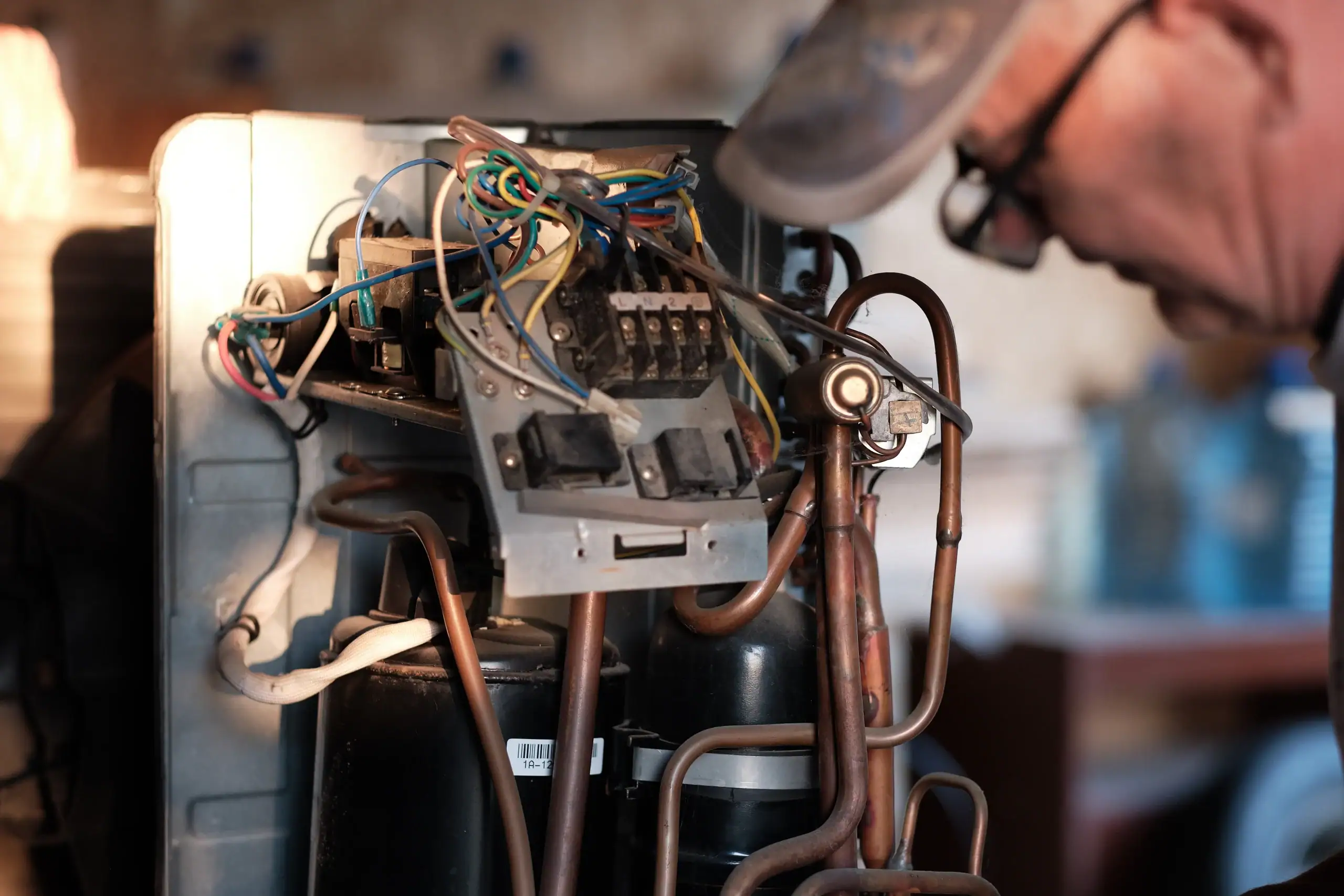
Our maintenance visits include cleaning both indoor and outdoor coils, checking refrigerant levels and looking for leaks, inspecting electrical connections and tightening any that have loosened, lubricating moving parts, testing thermostat accuracy, and verifying that airflow meets manufacturer specifications. We also check the condensate drain to prevent water damage and inspect ductwork for leaks that waste conditioned air.
Between professional visits, your team should change or clean filters every one to three months depending on dust levels and occupancy. Keep vegetation and debris at least 18 inches away from the outdoor unit on all sides. If you notice ice buildup on the outdoor unit during winter, reduced airflow from vents, unusual noises, or inconsistent temperatures between zones, call us before small issues turn into expensive repairs.
Texas has more heat pumps installed than any other state because they work well in this climate. But only if they’re maintained properly. Skipping service might save a few hundred dollars now, but it’ll cost you thousands when the compressor fails in July.
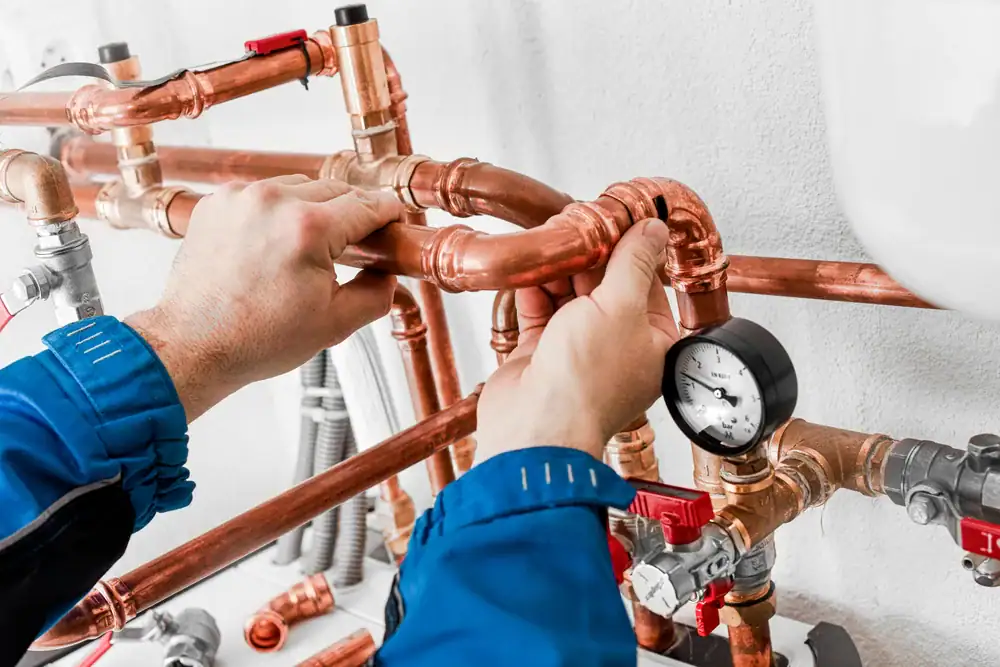
Installation costs typically depends on your system size, efficiency rating, and the complexity of your building’s layout. A small office with existing ductwork will be on the lower end. A larger retail space that needs new ductwork or electrical upgrades will cost more.
Several factors affect the final price: the tonnage required to heat and cool your square footage, whether you need a single-zone or multi-zone system, the efficiency rating you choose, and any modifications needed to accommodate the new equipment. Higher efficiency units cost more upfront but deliver lower monthly operating costs.
We provide detailed quotes after assessing your space. That way you know exactly what you’re paying for and why, with no surprise charges when the work is done.
Modern commercial heat pumps handle Texas winters without issue. While we don’t see the prolonged freezing temperatures that northern states experience, we do get occasional cold snaps that drop into the 20s and 30s.
Today’s heat pump technology includes features specifically designed for these conditions. Variable-speed compressors adjust output based on demand, and most systems include auxiliary heat strips that kick in when outdoor temperatures drop below a certain threshold. This ensures your building stays warm even during the coldest nights.
The key is proper sizing and installation. An undersized system will struggle during temperature extremes. An oversized system will cycle on and off too frequently, reducing efficiency and comfort. That’s why we calculate heating and cooling loads based on your specific building before recommending equipment.
Commercial heat pumps should be serviced twice a year—once in spring before cooling season and once in fall before heating season. This schedule catches problems before they cause breakdowns during the times you need the system most.
Unlike residential systems that might sit idle for months, commercial heat pumps often run year-round. That constant operation means components wear faster and require more frequent attention. Coils collect dust and reduce efficiency. Refrigerant levels can drift. Electrical connections loosen from vibration. Condensate drains clog.
Regular maintenance extends equipment life, reduces energy consumption, and prevents the kind of mid-summer failure that shuts down your business for days. Most commercial heat pumps last 15 years with proper care. Skip maintenance and you might get 8 to 10 years before facing a major repair or replacement.
Yes, in most cases a commercial heat pump can replace your existing furnace and air conditioner setup. Heat pumps provide both heating and cooling in one unit, which often simplifies your HVAC infrastructure.
If your building already has ductwork in good condition, installation is straightforward. We remove the old equipment, install the new heat pump components, connect to existing ducts, and commission the system. If your ductwork needs repair or replacement, or if you don’t have ducts at all, we can install a ductless mini-split system that delivers conditioned air directly to each zone.
The transition makes the most sense when your current equipment is aging, your energy bills are climbing, or you’re facing expensive repairs on your existing system. At that point, upgrading to a heat pump gives you modern efficiency and reliability rather than sinking money into outdated technology.
A traditional AC system only cools. It works with a separate furnace or boiler to provide heating. A heat pump does both jobs with one piece of equipment.
In cooling mode, both systems work identically—they remove heat from inside your building and expel it outdoors. But a heat pump includes a reversing valve that lets it switch direction. In heating mode, it extracts heat from outdoor air (yes, even cold air contains heat energy) and moves it inside.
This dual functionality means you’re maintaining one system instead of two. Fewer components, less complexity, lower maintenance costs. The tradeoff is that if your heat pump fails, you lose both heating and cooling until it’s repaired. That’s why we offer 24/7 emergency service and keep common replacement parts in our service vehicles.
Yes, commercial heat pump installations often qualify for federal tax credits, state incentives, and utility company rebates. The federal government currently offers tax credits for energy-efficient HVAC equipment, and many Texas utility providers offer additional rebates for commercial customers who upgrade to high-efficiency systems.
The specific incentives available depend on the equipment efficiency rating, your location, and your utility provider. Some programs offer rebates of several thousand dollars, which can significantly offset installation costs. Others provide low-interest financing for energy efficiency upgrades.
We help customers identify and apply for available incentives. The paperwork can be confusing, and missing one requirement can disqualify your application. We’ve processed enough of these to know what documentation you need and how to submit it correctly the first time.
Other Services we provide in Elmendorf
 Call Now