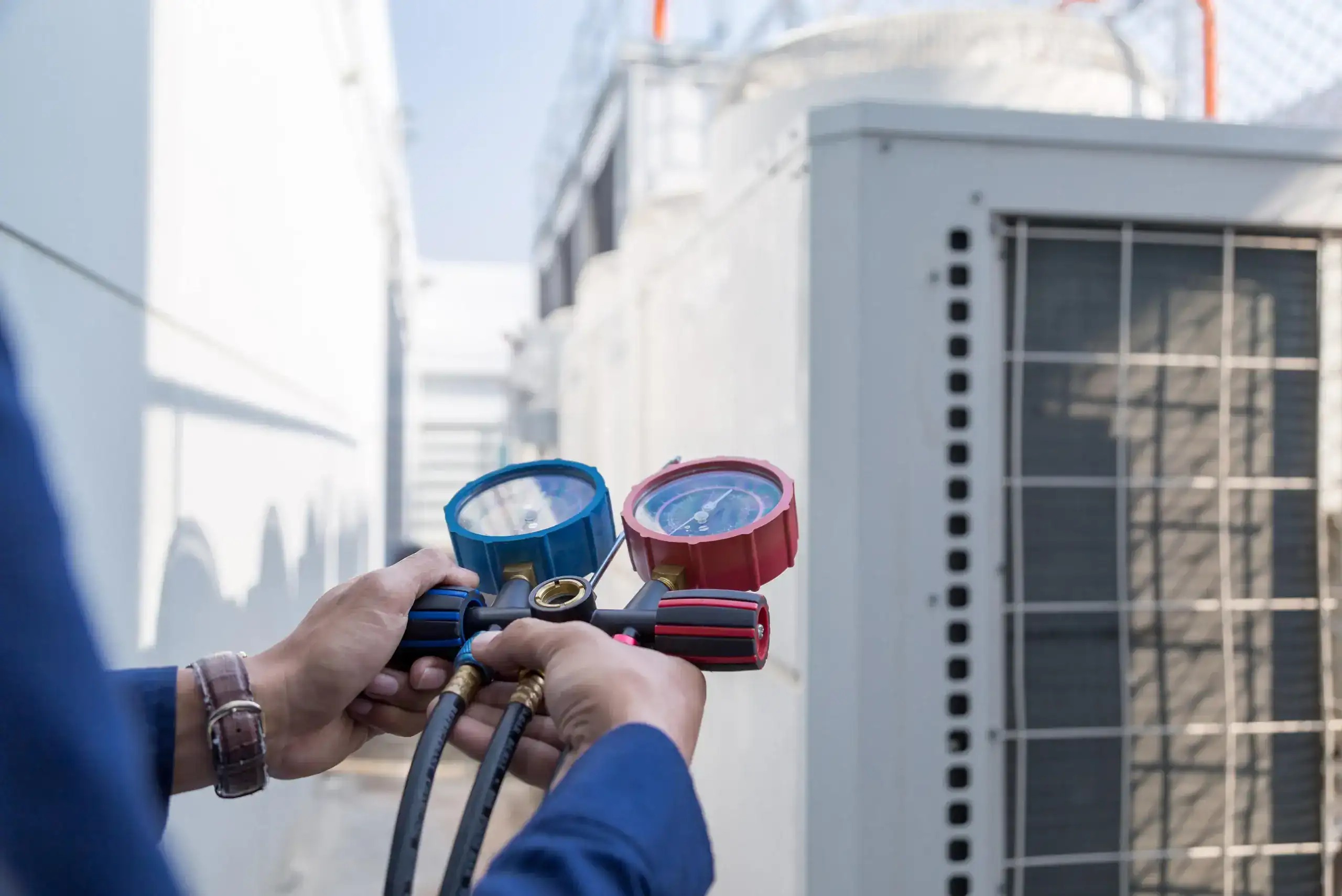
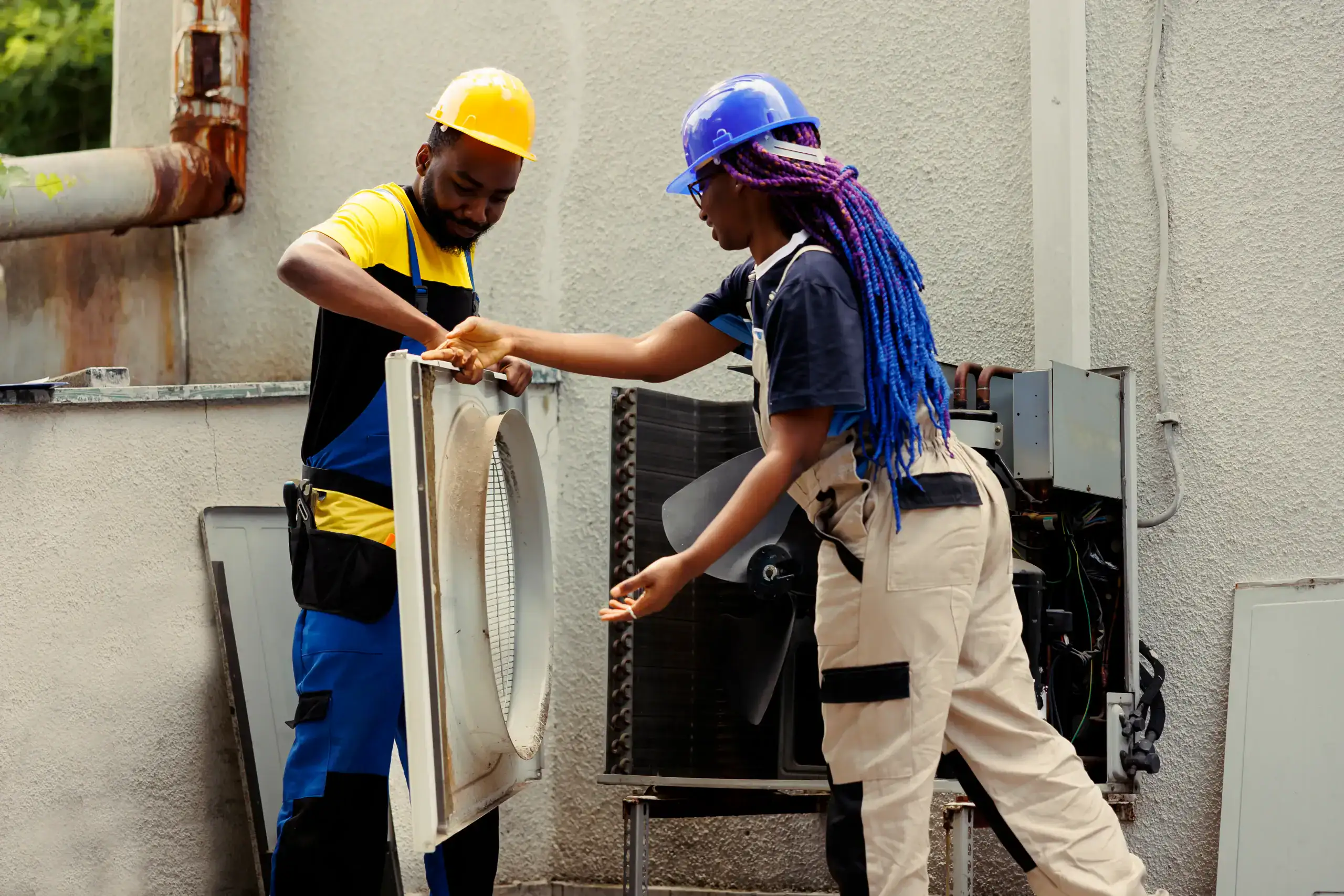
Your employees stop complaining about hot spots. Your customers don’t cut their visits short because it’s uncomfortable. Your energy bills drop because the system is sized correctly and runs efficiently instead of cycling on and off all day.
That’s what proper commercial HVAC installation in Austin, TX does. It removes the constant worry about whether your system will make it through another 105-degree day. You get consistent temperatures across your entire space, whether that’s 2,000 square feet or 20,000.
Most importantly, you stop dealing with emergency breakdowns during your busiest hours. A correctly installed commercial system—with proper load calculations, the right equipment for your building layout, and professional installation—typically runs 5-8 years longer than one that was rushed or undersized. That’s real money saved, not just on repairs, but on the replacement timeline itself.
We’ve been handling commercial HVAC installation services across Austin, San Antonio, and Houston for over 20 years. We’re veteran-owned, which means we approach every job with the same precision and accountability we learned in the military.
Austin’s commercial market is exploding—32,294 new residential units authorized in 2024 alone, with commercial development right behind it. We’ve installed systems in restaurants where kitchen heat pushes HVAC to its limits, retail spaces where customer comfort directly impacts sales, and office buildings where productivity depends on consistent climate control.
We’re available 24/7 because we know commercial failures don’t wait for business hours. When your system goes down on a Saturday in July, you need someone who answers and shows up—not a voicemail.
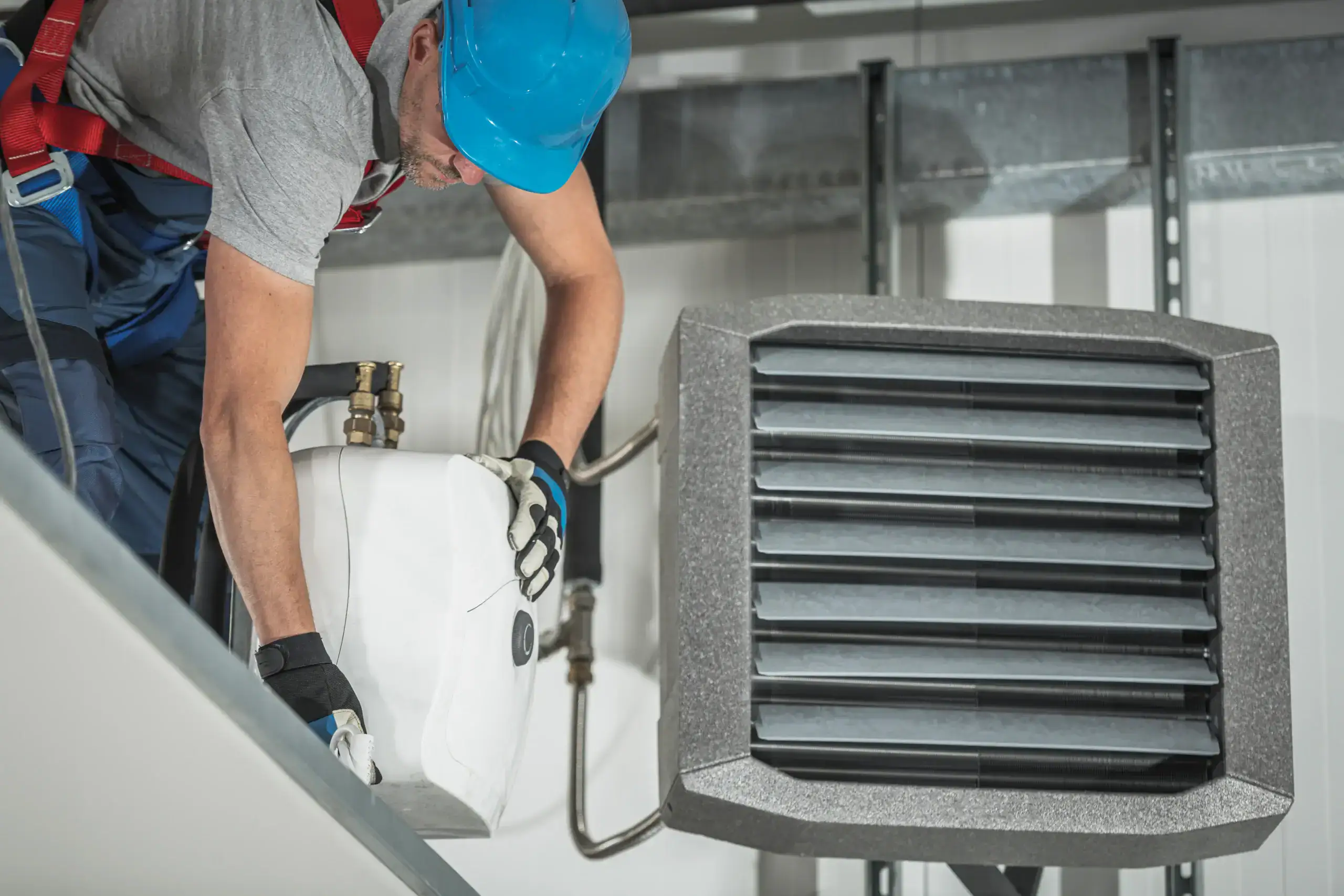
First, we calculate your actual cooling load. Not a guess based on square footage, but a real engineering calculation that factors in your building’s insulation, window placement, occupancy, equipment heat load, and Austin’s specific climate data. This determines the right system size—not too big, not too small.
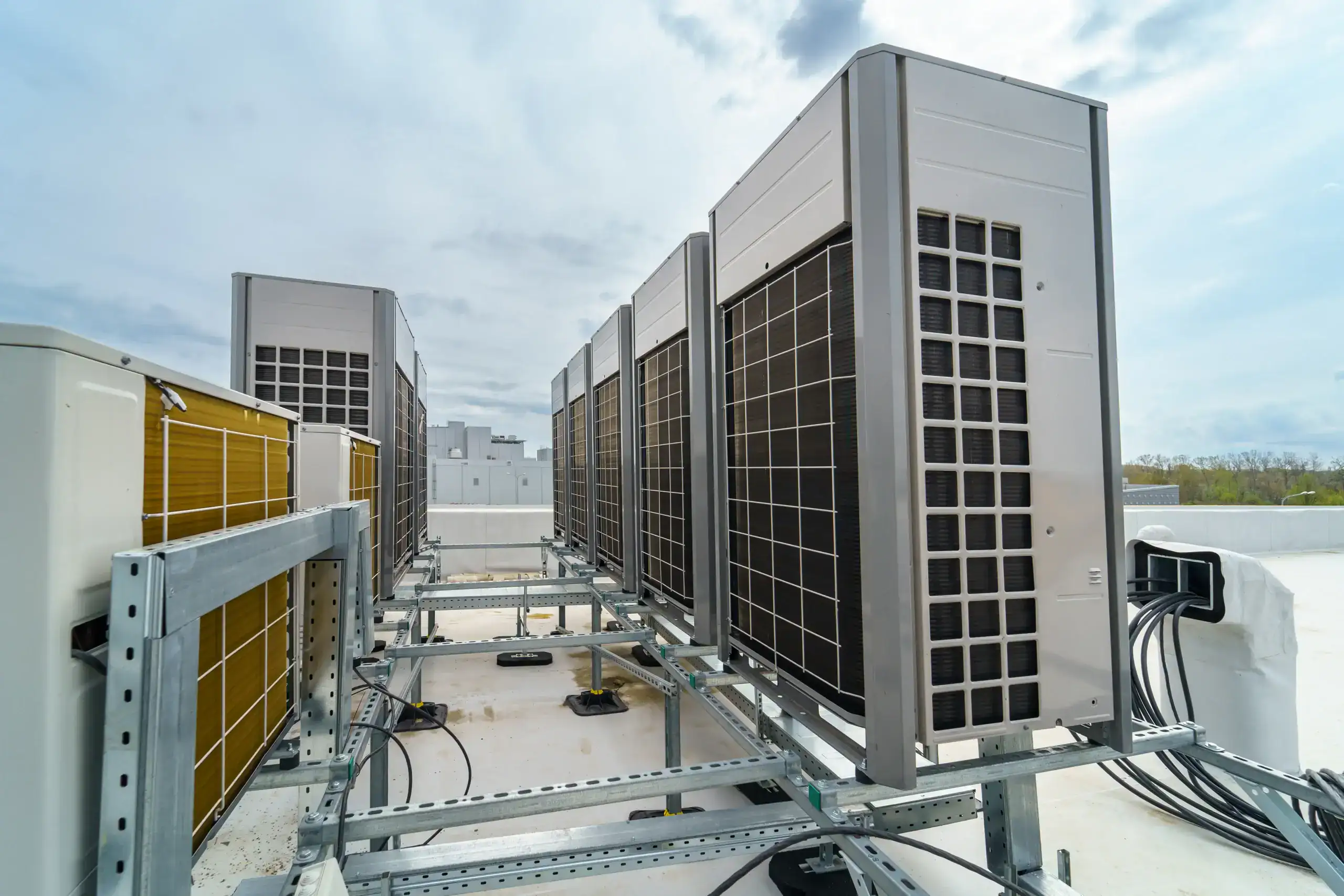
Next, we assess your building layout and recommend the best system type. That might be rooftop package units for easy access and maintenance, VRF systems if you need excellent zoning control, or split systems depending on your space configuration. We explain what each option means for your operation, your energy costs, and your maintenance requirements.
Installation typically takes 3-7 days for most commercial spaces. We coordinate with your schedule to minimize disruption—working after hours if needed, staging equipment to keep pathways clear, and communicating daily about progress. Our team handles all the technical work: refrigerant lines, electrical connections, ductwork modifications, thermostat programming, and building management system integration if you have one.
Before we leave, we test every zone, verify airflow, check refrigerant charge, and walk you through the system operation. You get documentation of everything we did, warranty information, and a recommended maintenance schedule that will keep your investment running efficiently for years.
Ready to get started?
Every commercial HVAC system installation in Austin, TX includes professional load calculations to determine correct sizing. We don’t skip this step—it’s the difference between a system that works and one that costs you money every month.
You get equipment selection based on your specific needs. Austin’s climate demands systems with strong dehumidification, multi-stage cooling for efficiency, and components built to handle our long, brutal summers. We install brands that hold up and have parts availability when you need service.
We handle all the technical integration: electrical work, ductwork modifications or installation, refrigerant line sets, condensate drainage, and thermostat or building control system setup. If you’re replacing an existing system, we remove and dispose of the old equipment properly.
Austin’s commercial buildings often require coordination with property managers, building codes, and sometimes tenant improvement requirements. We manage those details so you don’t have to. You also get our 24/7 emergency service backing up your installation—if something goes wrong, we’re available around the clock to fix it.
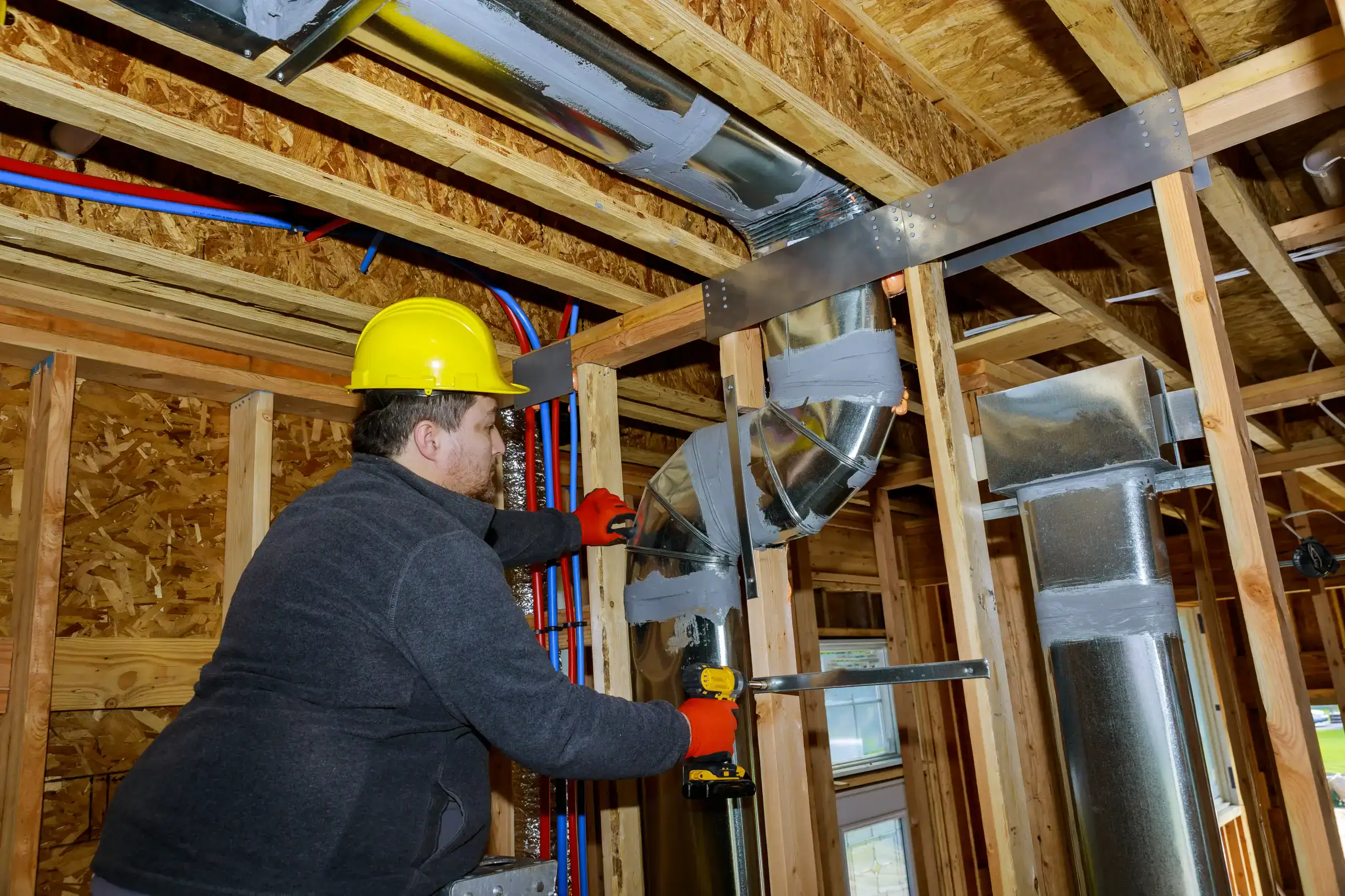
Most commercial HVAC installations in Austin take between 3-7 days, depending on system complexity and building size. A straightforward rooftop unit replacement might be done in 2-3 days. A complete system installation with new ductwork, multiple zones, or VRF equipment can take a full week or longer.
The timeline depends on several factors: whether we’re replacing existing equipment or installing in new construction, how accessible your roof or mechanical spaces are, and whether we need to modify electrical or ductwork significantly. We provide a clear timeline during your consultation so you can plan accordingly.
We work with your schedule to minimize business disruption. Many commercial clients prefer we work evenings or weekends during installation. We can stage the work so your business stays operational—installing equipment in phases or scheduling the cutover during your slowest hours.
System sizing requires professional load calculations—there’s no reliable rule of thumb. Your building’s cooling load depends on square footage, ceiling height, insulation quality, window area and orientation, occupancy levels, internal heat sources like kitchen equipment or computers, and Austin’s specific climate data.
An undersized system runs constantly, never quite reaching comfortable temperatures, and wears out faster from the strain. An oversized system short-cycles—turning on and off repeatedly—which wastes energy, fails to dehumidify properly (a real problem in Austin’s humidity), and also shortens equipment life. Both mistakes cost you significantly over time.
We perform Manual J calculations (the industry standard) to determine your actual cooling needs. Then we select equipment that matches that load while providing the efficiency and features your operation requires. For most Austin commercial spaces, that means systems with excellent humidity control and multi-stage cooling to handle our extreme summer temperatures without constantly running at full capacity.
Commercial HVAC installation in Austin typically ranges from $5,000-$15,000 per ton of cooling capacity, depending on system type, building complexity, and installation requirements. A small retail space might need a 5-ton system ($25,000-$75,000), while a larger office or restaurant could require 15-20 tons or more.
Rooftop package units are generally the most cost-effective option—they’re accessible for maintenance and replacement is straightforward. VRF systems cost more upfront but offer superior zoning control and efficiency if you have spaces with very different cooling needs. Split systems fall somewhere in the middle.
The installation cost includes equipment, labor, electrical work, any ductwork modifications, refrigerant, startup, and testing. Additional costs might include crane rental if your rooftop isn’t easily accessible, structural reinforcement if needed for equipment weight, or building management system integration. We provide transparent pricing upfront—no surprises when the job is done. The cheapest bid often means shortcuts on load calculations, lower-grade equipment, or rushed installation that costs you more in repairs and energy bills within a year or two.
Austin’s climate—long summers over 100°F with high humidity—demands commercial systems with strong cooling capacity and excellent dehumidification. Rooftop package units are the most common choice because they’re efficient, accessible for maintenance, and work well for most commercial applications.
VRF (Variable Refrigerant Flow) systems make sense if you need precise zone control—like a building with server rooms that need constant cooling while offices can vary by occupancy. They’re more expensive but extremely efficient and give you granular control over different areas.
Split systems work for smaller commercial spaces or buildings where rooftop access is limited. The outdoor unit goes on the ground or roof, and indoor air handlers distribute conditioned air through ductwork. Whatever system type you choose, it needs to be sized correctly for Austin’s heat. Multi-stage cooling is important—it lets the system run at lower capacity during milder weather instead of constantly cycling on and off. And humidity control isn’t optional here. Austin’s humidity makes 95°F feel like 105°F, and a system that doesn’t dehumidify properly will leave your space feeling clammy even when the temperature is technically correct.
Yes, and restaurant HVAC is more complex than standard commercial installation. Kitchens generate massive heat loads from cooking equipment—a commercial range can put out 40,000+ BTUs of heat. Your HVAC system has to compensate for that while maintaining comfortable dining areas and meeting health code ventilation requirements.
We calculate kitchen heat loads separately from dining spaces and design systems that can handle both. That usually means dedicated makeup air units to replace air exhausted by kitchen hoods, plus properly sized cooling for dining areas that accounts for occupancy, large windows if you have them, and door traffic.
Austin’s restaurant scene is booming, and we’ve installed systems in everything from food trucks with small indoor seating to full-service restaurants with 200+ seat capacities. We understand the timing pressures—you need installation done before opening or during slow periods to avoid losing revenue. We also coordinate with health inspectors and ensure your ventilation meets code requirements, because a failed inspection delays your opening and costs you money. Restaurant systems work harder than almost any other commercial application, so proper installation and equipment selection are critical to avoiding breakdowns during your dinner rush.
New commercial systems need quarterly maintenance in Austin—our climate is too demanding for annual service. Regular maintenance extends equipment life by 5-8 years and reduces energy consumption up to 40% compared to neglected systems.
Quarterly service includes filter changes (more often if you’re in a dusty area or high-traffic business), coil cleaning, refrigerant level checks, electrical connection inspection, and calibration of thermostats and controls. Austin’s heat and humidity are brutal on HVAC equipment. Dirty coils make your system work harder and use more energy. Low refrigerant means inadequate cooling and potential compressor damage.
We offer maintenance agreements that spread the cost across the year and give you priority scheduling. You’re not calling around for service when something breaks—you’re already in our system with scheduled visits. Preventative maintenance also catches small problems before they become expensive failures. A worn belt or failing capacitor found during routine service costs $200 to fix. The same component failing during operation can damage your compressor and cost $3,000-$5,000 to repair. Most commercial HVAC manufacturers require proof of regular maintenance to honor warranty claims, so skipping service can void your coverage entirely.
Other Services we provide in Austin
 Call Now