When your commercial AC crashes during a 105-degree afternoon in Travis, TX, you’re not just uncomfortable. Your employees lose focus, customers walk out, and every hour of downtime hits your bottom line directly.
Regular commercial HVAC maintenance services in Travis, TX prevent that scenario. A well-maintained system runs up to 40% more efficiently than one that’s been neglected, which translates to real savings on your monthly utility bills. Commercial buildings typically spend about 40% of their energy budget on heating and cooling, so even a 15-20% efficiency improvement makes a measurable difference.
Beyond the energy savings, consistent maintenance extends your equipment’s lifespan by 40-60%. That’s years of additional service from the same investment. You’re also catching small issues during scheduled tune-ups instead of paying emergency rates when a compressor fails on a Saturday afternoon.
The math is straightforward: a few hundred dollars in annual maintenance costs far less than a single emergency repair or the revenue you lose when your system goes down during business hours.
We’ve been keeping Travis County businesses operational for over two decades. We’re veteran-owned, which means you get the reliability and integrity you’d expect from people who understand what it means to show up when it matters.
Our technicians are EPA certified and registered with the state of Texas. They’ve worked on everything from small retail shops in downtown Austin to warehouses in Cedar Park, so they understand how Travis County’s extreme heat and sudden weather shifts stress commercial HVAC systems.
We’re not the cheapest option in Travis, TX, and that’s intentional. You’re paying for technicians who show up on time, diagnose accurately the first visit, and fix problems so they stay fixed. That approach has kept us in business for 20+ years while other companies have come and gone.
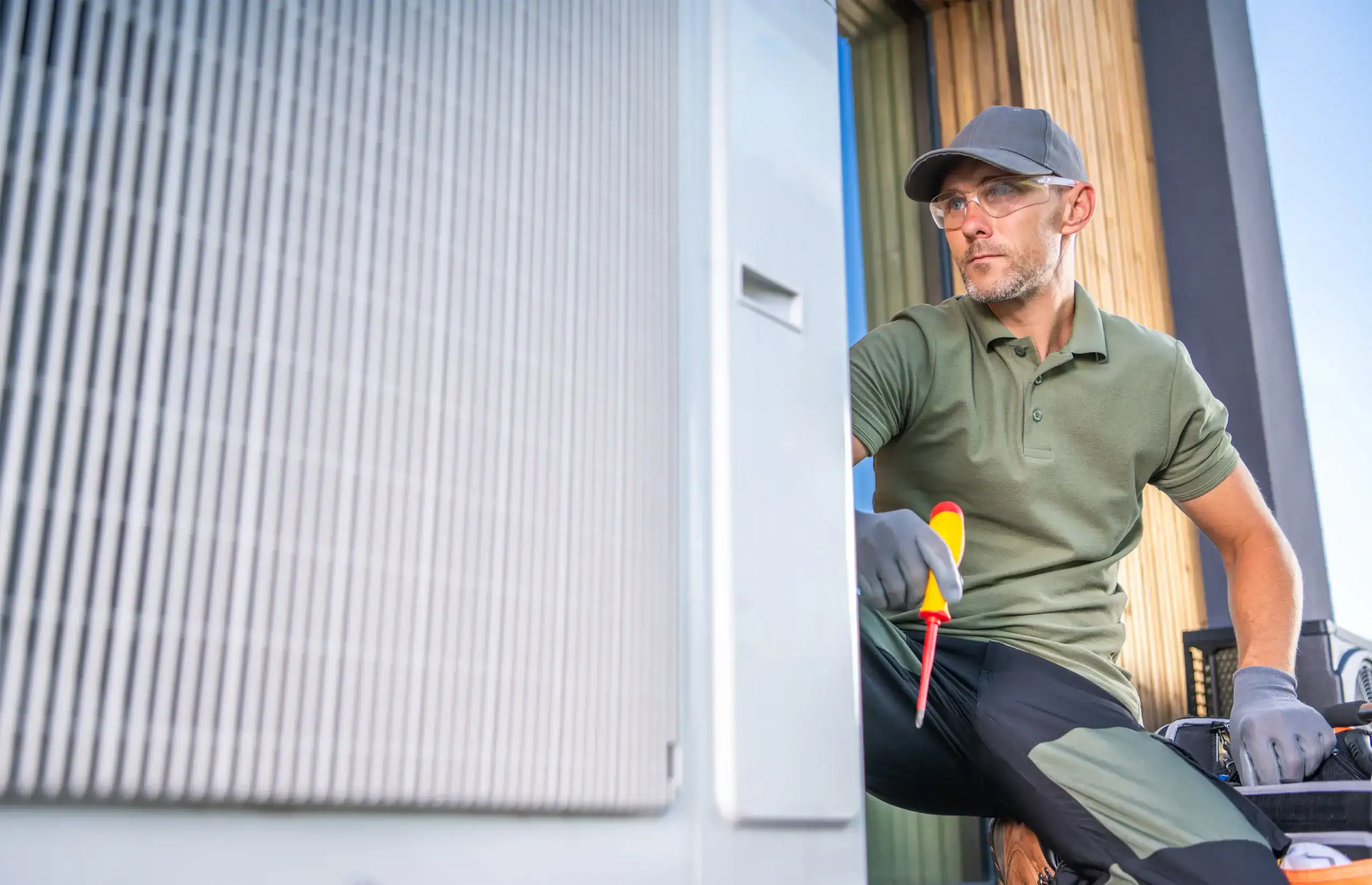
First, we schedule your visit at a time that doesn’t disrupt your business operations. Most commercial HVAC maintenance in Travis, TX happens early morning or after hours, depending on what works for your schedule.
When our technician arrives, they’ll inspect your entire system: checking refrigerant levels, testing electrical connections, cleaning condenser coils, inspecting ductwork for leaks, and verifying that your thermostat controls are calibrated correctly. For rooftop units, which are common in Travis County commercial buildings, we’ll also check for weather damage and ensure drainage systems are clear.
You’ll get a written report that explains what we found, what we fixed, and what might need attention in the next 6-12 months. No surprises, no upselling. If something needs repair, we’ll explain why it matters and what happens if you wait.
Most maintenance visits take 1-2 hours depending on your system size. If we find something that needs immediate attention, we’ll discuss your options before doing any additional work. Our trucks carry common commercial parts, so minor repairs often happen the same day.

Ready to get started?
Your commercial HVAC maintenance in Travis, TX includes a complete system inspection, filter replacement, coil cleaning, refrigerant level check, electrical connection testing, and thermostat calibration. We also inspect belts, bearings, and motors for wear, test safety controls, and verify that your system’s airflow meets manufacturer specifications.
For Travis County businesses, we pay special attention to how your system handles extreme heat. Summer temperatures regularly exceed 100 degrees, which puts tremendous stress on commercial air conditioning equipment. We’ll check for signs of strain that might lead to failure during peak cooling season.
You’ll also get priority scheduling for any repairs that come up between maintenance visits. If your system goes down, you’re not waiting behind non-maintenance customers. Most emergency calls get same-day service, often within a few hours.
We service all major commercial brands including Trane, Carrier, Goodman, Rheem, and Lennox. Whether you’re running a single rooftop unit for a small office or managing multiple systems across a larger facility, we’ve handled similar setups throughout Travis County for over 20 years.

Most commercial systems in Travis, TX need maintenance twice per year: once before cooling season starts in spring, and once before heating season begins in fall. If your system runs longer hours or operates in a demanding environment like a restaurant kitchen or manufacturing facility, quarterly maintenance makes more sense.
Travis County’s extreme summer heat puts exceptional stress on commercial air conditioning equipment. Systems that might run 8-10 hours daily in milder climates often operate 12-14 hours here during peak season. That extended runtime accelerates wear on components like compressors, fan motors, and contactors.
The twice-yearly schedule catches problems before they become expensive failures. Spring maintenance ensures your cooling system is ready for the brutal summer months ahead. Fall maintenance verifies that heating components are functional before you need them, and it gives your cooling system a post-season inspection after months of heavy use.
You call us, and we typically get someone to your location the same day. Emergency commercial HVAC repair in Travis, TX is part of what we do, and maintenance customers get priority scheduling over non-contract calls.
Our trucks carry common commercial parts, so many repairs happen during the first visit. If we need to order a specialized component, we’ll explain the timeline and discuss temporary solutions to keep your business operational while we wait for parts.
We’re available 24/7 for true emergencies. If your system fails during a heat wave and your business can’t operate without cooling, that’s an emergency. We’ll get someone there fast. If it’s a minor issue that can wait until regular business hours, we’ll schedule accordingly and save you the emergency service premium.
Commercial HVAC maintenance services in Travis, TX typically run between $500 and $2,000 annually depending on your system size, complexity, and how many units you’re maintaining. A small retail shop with a single rooftop unit pays considerably less than a multi-tenant office building with multiple systems.
We provide upfront pricing before starting any work. You’ll know exactly what maintenance costs, and you’ll know what any additional repairs would cost before we do them. No hidden fees, no surprise charges when the work is done.
The return on that investment is significant. Regular maintenance reduces your energy costs by 15-30%, which for most Travis County commercial buildings means hundreds or thousands of dollars in annual savings. You’re also avoiding emergency repairs that cost 2-3 times more than the same fix during a scheduled maintenance visit. When you factor in the extended equipment life and reduced downtime, maintenance pays for itself several times over.
Yes. We handle commercial HVAC maintenance for businesses with multiple Travis County locations, and we can coordinate service schedules across all your sites to minimize disruption and simplify your facilities management.
You’ll work with a single point of contact who understands your systems, your schedule, and your priorities. We’ll create a maintenance calendar that makes sense for your operations, whether that means servicing all locations during the same week or spreading visits throughout the year based on each site’s needs.
We also provide consolidated reporting, so you can see maintenance history, upcoming service needs, and equipment condition across all your locations in one place. That visibility helps you budget accurately and plan for equipment replacements before they become emergency situations. Many multi-location clients in Travis, TX appreciate having one reliable commercial HVAC contractor instead of managing relationships with different companies at each site.
Commercial systems are larger, more complex, and operate longer hours than residential equipment. A home AC might run 8 hours on a hot day. Your commercial system in Travis, TX probably runs 10-14 hours daily, sometimes longer depending on your business type.
Commercial HVAC maintenance requires technicians with specialized training and experience. Rooftop units, multi-zone systems, chillers, and sophisticated building automation controls demand knowledge that goes beyond residential service capabilities. The stakes are also higher because system failure doesn’t just affect comfort, it affects your ability to operate your business and generate revenue.
Commercial maintenance is more thorough and takes longer. We’re inspecting larger equipment, checking commercial-grade components, and verifying that systems meet the demands of continuous operation in Travis County’s extreme climate. The cost reflects that additional complexity, but so does the value. A well-maintained commercial system in Travis, TX protects your business operations, your employees, your customers, and your bottom line.
Yes. Most commercial HVAC repair calls in Travis, TX get same-day service, often within a few hours of your call. We understand that downtime costs you money, so we prioritize getting your system operational as quickly as possible.
Same-day service depends on our current schedule and parts availability, but we stock common commercial components on our trucks specifically to handle most repairs during the first visit. If we need to order a specialized part, we’ll be upfront about the timeline and discuss options for keeping your business running while we wait.
Maintenance contract customers get priority scheduling over non-contract calls. If you’re on a regular maintenance plan and your system goes down, you move to the front of the line. That priority access has real value during peak summer months in Travis County when HVAC companies are handling high call volumes and non-contract customers might wait days for service.
Other Services we provide in Travis
 Call Now