
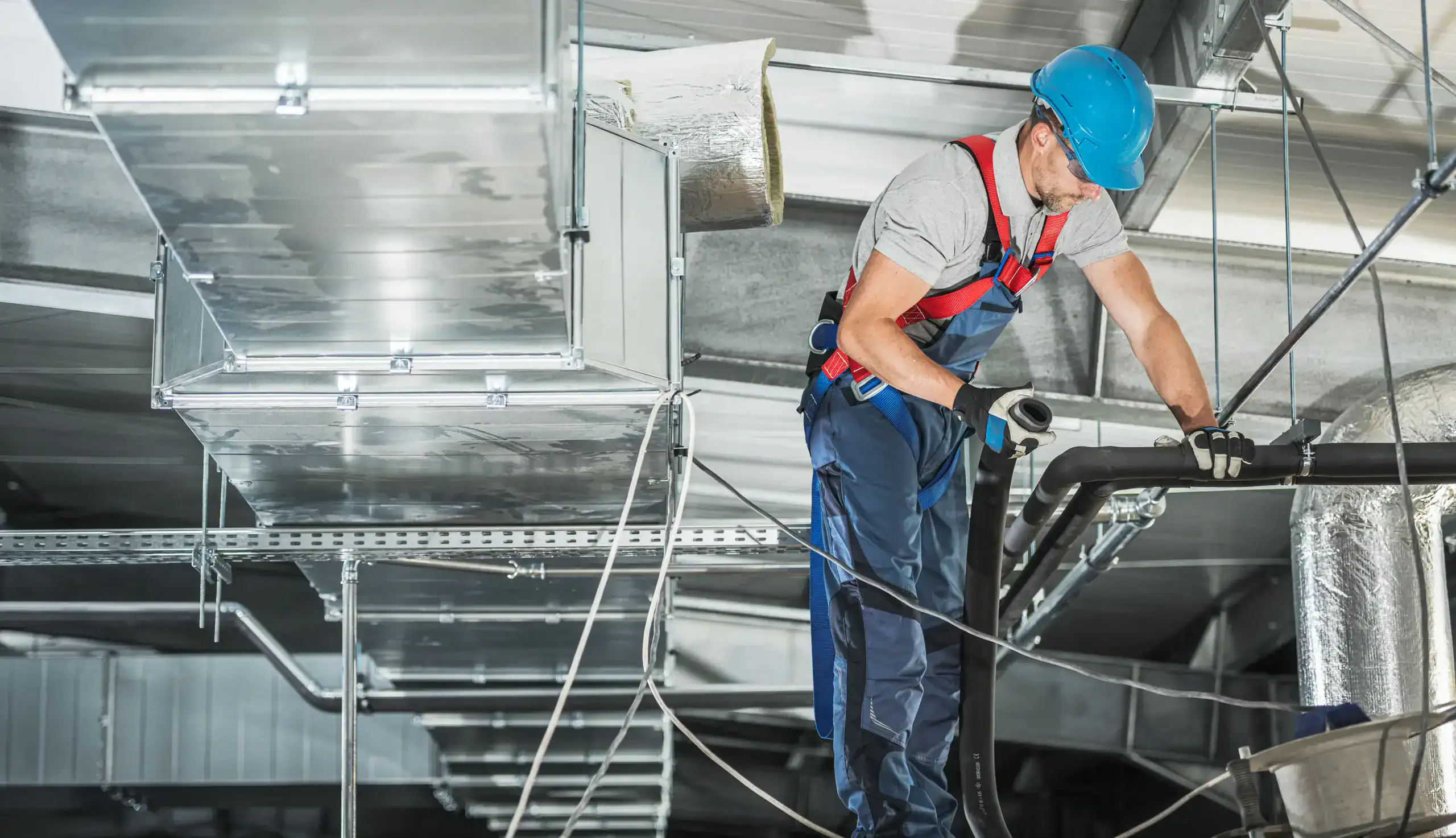
Your HVAC system is probably wasting between 25% and 40% of the energy you’re paying for. That’s not a guess—it’s what the Department of Energy found when they studied contaminated duct systems across commercial buildings. The debris buildup forces your equipment to run longer cycles just to hit the same temperature, which means higher utility bills every single month and more wear on components that weren’t designed to work that hard.
Clean ducts change that equation fast. Buildings that invest in professional commercial duct cleaning in Travis, TX see immediate improvements in airflow efficiency, which translates to lower energy consumption and less strain on blowers, fans, and compressors. You’re also removing the accumulated dust, pollen, mold spores, and particulates that have been circulating through your workspace—contaminants that the EPA says can reach levels 2 to 5 times higher indoors than outside.
The result isn’t just a number on a utility statement. It’s fewer service calls, longer equipment life, healthier employees, and a workspace that doesn’t smell stale or feel stuffy when people walk in the door.
We’ve been handling commercial HVAC work across San Antonio, Houston, and Austin for over 20 years. We’re veteran-owned, which means we approach every job with the same discipline and accountability you’d expect from someone who’s served. No shortcuts, no upselling, no surprises on the invoice.
Travis County presents specific challenges that most national chains don’t account for. The Hill Country quarries produce airborne silica and calcium particles that infiltrate ductwork faster than in other regions. Austin’s reputation as the “Allergy Capital of the World” isn’t just talk—it’s a real factor in how quickly mold and pollen accumulate inside commercial buildings. We’ve seen it in office complexes, medical facilities, restaurants, and retail spaces across Travis, TX, and we know how to address it.
You’re not getting a one-size-fits-all cleaning. You’re getting technicians who understand the local environment and have the certifications, insurance, and track record to back up the work.
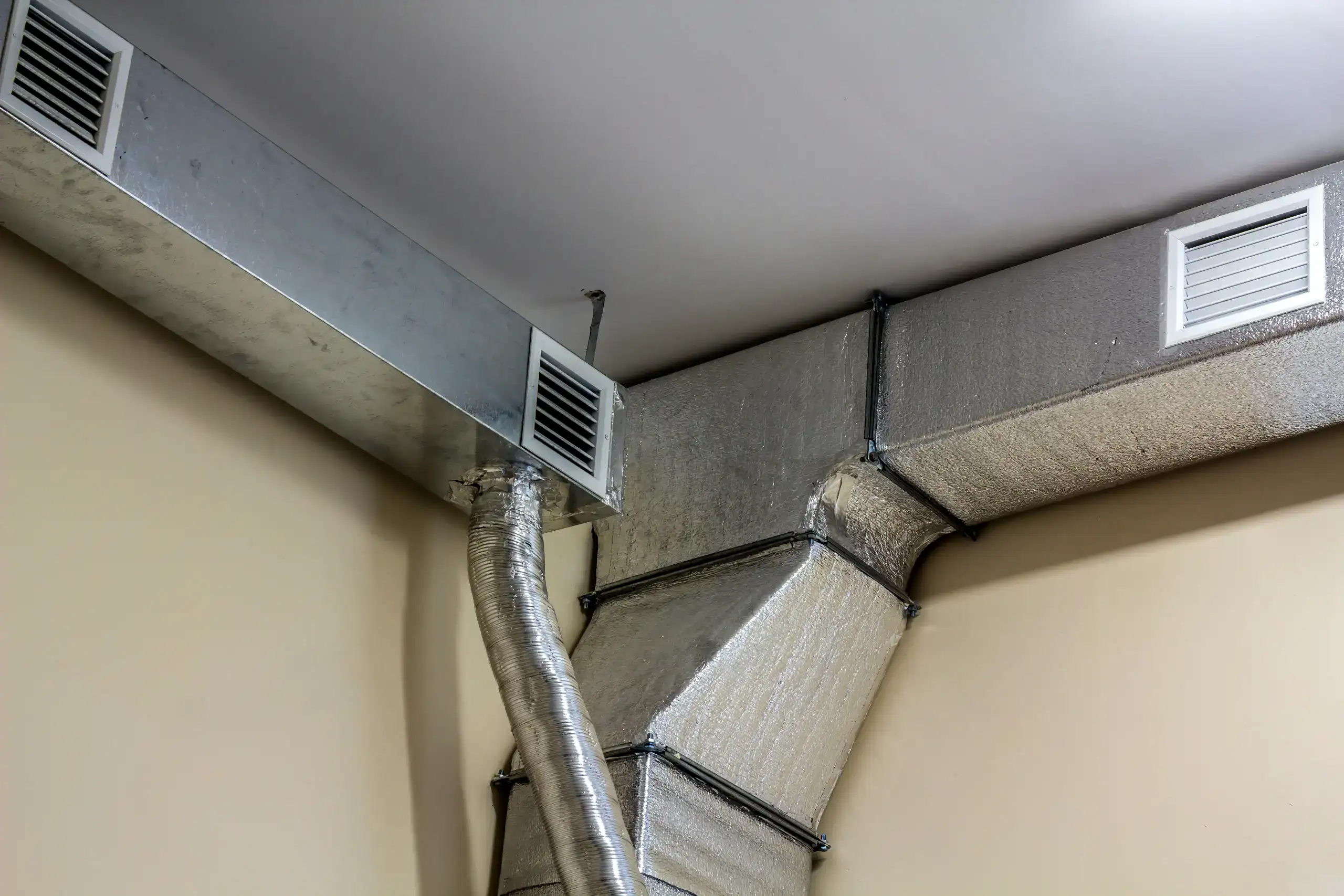
We start with a full system inspection—not a quick walkthrough, but an actual assessment of your ductwork, registers, grilles, coils, and blower components. This tells us where the buildup is heaviest and whether there are underlying issues like leaks, disconnected sections, or mold growth that need to be addressed before we clean.
Once we’ve mapped out the system, we use negative air pressure equipment to create a controlled vacuum environment. This prevents contaminants from spreading into occupied areas while we’re working. Then we go section by section, using rotating brushes and high-powered vacuums to dislodge and extract debris from the duct walls. We’re not just pushing dust around—we’re removing it from your building entirely.
After the ducts are clear, we clean the registers, grilles, and diffusers, then inspect the blower and coils to make sure airflow is optimized. If you want, we can also apply an EPA-approved antimicrobial treatment to prevent future mold growth. The whole process is designed to restore your system to near-original efficiency without disrupting your daily operations more than necessary.
Ready to get started?
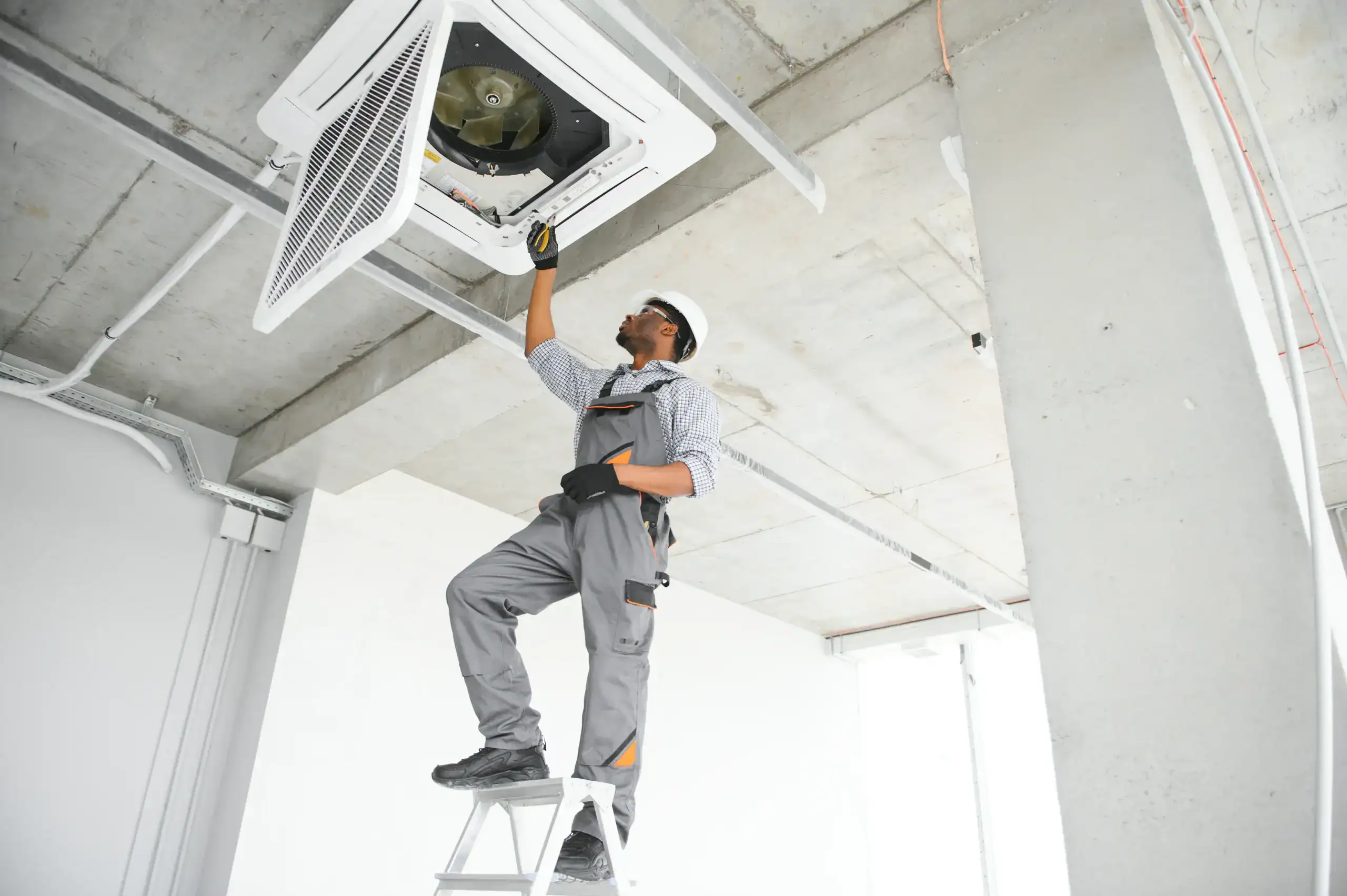
You’re getting a complete system cleaning—not just the main trunk lines, but every branch, register, and return vent in your building. That includes the blower compartment, evaporator coils, and drain pans, which are often overlooked but critical to maintaining airflow and preventing mold.
In Travis, TX, where limestone dust and pollen are constant issues, we pay extra attention to intake vents and filter housings. These areas accumulate particulates faster than in other regions, and if they’re not cleaned properly, you’ll see reduced efficiency within months instead of years. We also check for duct leaks and poor sealing, which the Department of Energy says can account for up to 40% of energy loss in commercial systems.
If your building has high foot traffic—retail, healthcare, hospitality—we can schedule the work during off-hours to avoid disrupting customers or patients. And if you’re dealing with a specific issue like odors, visible mold, or a recent renovation that left debris in the ducts, we’ll address that directly instead of running a generic cleaning protocol. The goal is to leave your system cleaner, more efficient, and running the way it was designed to.
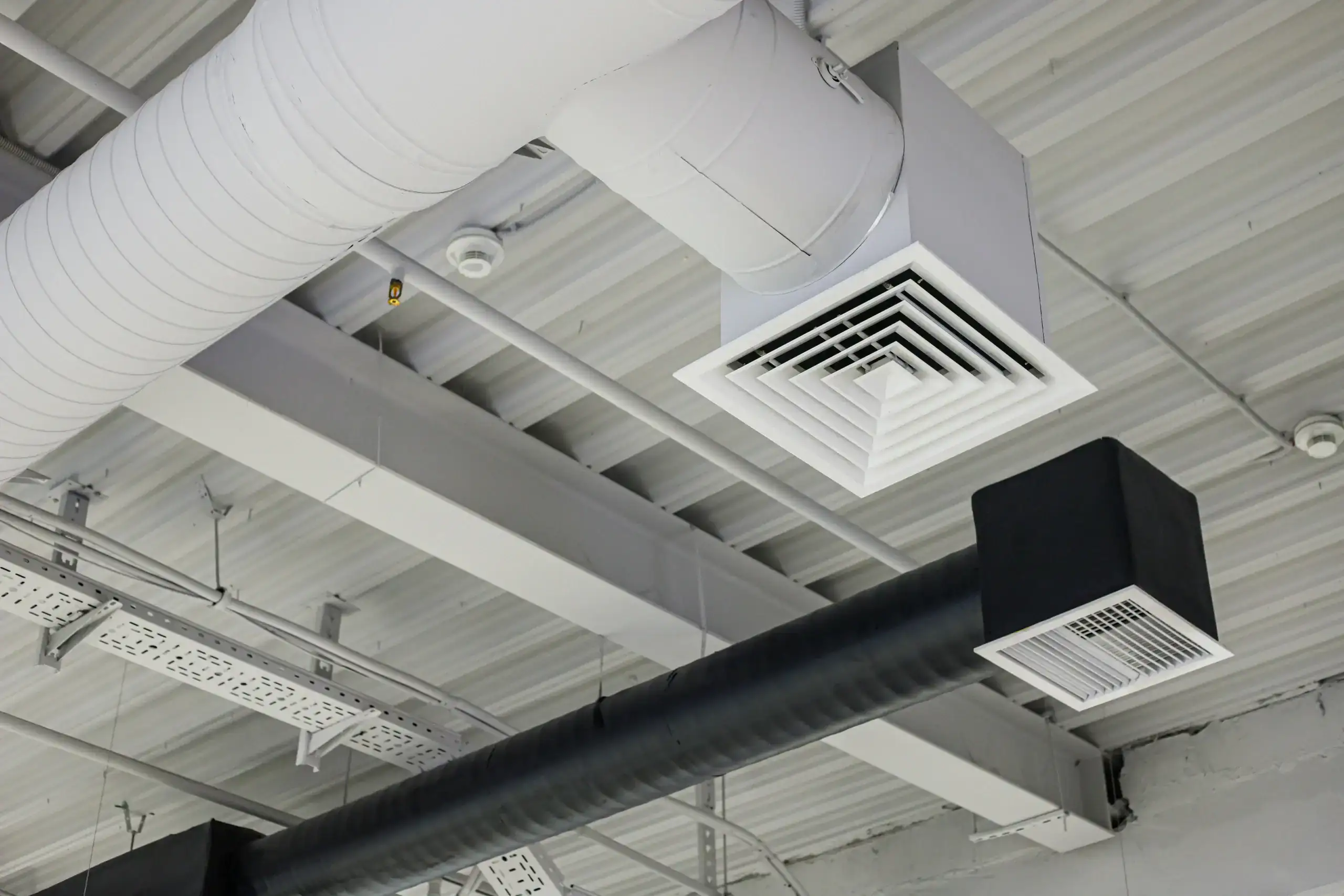
Most commercial buildings benefit from professional duct cleaning every 3 to 5 years, but that timeline shifts depending on your industry and environment. If you’re running a restaurant, medical facility, or manufacturing space, you’re dealing with grease, chemicals, or particulates that accelerate buildup—meaning you’ll want to clean more frequently, sometimes every 1 to 2 years.
Travis County’s limestone quarries and high pollen counts also play a role. Buildings near active quarries or with poor filtration systems will see faster accumulation of airborne particles, which means your ducts are working harder and getting dirtier faster than they would in other parts of Texas. If your energy bills are climbing without an obvious cause, or if employees are complaining about air quality, that’s a sign it’s time to schedule an inspection even if it hasn’t been three years yet.
The best approach is to have us assess your system and give you a realistic timeline based on your specific building, usage patterns, and local conditions. Guessing costs you more in the long run.
Commercial systems are larger, more complex, and require different equipment and expertise. Residential ductwork is usually straightforward—one or two HVAC units serving a single-family home with relatively simple duct layouts. Commercial buildings have multiple zones, larger trunk lines, more access points, and often rooftop units or complex ventilation systems that require specialized tools and certifications to clean properly.
The stakes are also higher. A poorly cleaned commercial system doesn’t just affect one family—it impacts employees, customers, patients, or tenants, which means liability concerns and potential regulatory issues if indoor air quality standards aren’t met. Texas Senate Bill 599 requires state agencies to review indoor air quality protocols annually, and while that doesn’t apply to every private business, it reflects the level of scrutiny that commercial buildings face when it comes to air quality and HVAC maintenance.
Industrial duct cleaning in Travis, TX also means dealing with contaminants that don’t exist in homes—cooking exhaust in restaurants, chemical vapors in manufacturing facilities, or biological contaminants in healthcare settings. You need a company that understands those environments and has the insurance, licensing, and experience to handle them safely.
Yes, but the savings depend on how contaminated your system is right now. Studies show that HVAC systems with clean ducts use 41% to 60% less fan and blower energy compared to systems with heavy debris buildup. The Department of Energy estimates that 25% to 40% of heating and cooling energy is wasted in systems with poor maintenance, and duct contamination is one of the biggest contributors to that inefficiency.
When your ducts are clogged, your system has to run longer cycles to push air through restricted pathways. That means your blower motor is working harder, your compressor is cycling more frequently, and your equipment is consuming more electricity to achieve the same temperature. Over time, that extra strain also shortens the lifespan of your HVAC components, which means you’re not just paying more in energy costs—you’re also facing more frequent repairs and earlier replacement.
We’ll give you a realistic assessment of what to expect based on your system’s current condition. If your ducts are moderately dirty, you’ll see noticeable savings. If they’re heavily contaminated, the improvement can be dramatic—sometimes cutting monthly energy costs by 20% to 30% once the system is restored to proper airflow.
There are a few clear indicators that it’s time to call us. If you’re seeing visible dust or debris coming out of your vents, that’s an obvious sign. Same goes for musty odors when the system kicks on, or if employees are complaining about stuffiness, headaches, or allergy symptoms that improve when they leave the building—that’s often a sign of poor indoor air quality caused by contaminated ductwork.
Another red flag is inconsistent temperatures across different areas of your building. If some rooms are always too hot or too cold, it could mean your ducts are blocked or leaking, which reduces airflow to certain zones. Rising energy bills without a corresponding increase in usage is another strong indicator that your system is working harder than it should be, often because debris is restricting airflow and forcing your equipment to run longer cycles.
In Travis, TX, you also want to consider environmental factors. If your building is near one of the Hill Country quarries, or if you’ve had recent construction or renovation work, your ducts are likely accumulating particles faster than normal. A professional inspection will tell you exactly what’s going on inside your system and whether cleaning will make a meaningful difference.
It depends on the size of your building and how we schedule the work. For most commercial spaces, we can complete the cleaning in one to two days, and we’re able to work around your business hours if needed. If you’re running a retail location, restaurant, or medical facility where downtime isn’t an option, we can schedule the work during evenings, weekends, or slower periods to minimize disruption.
The actual cleaning process involves some noise from the vacuum equipment and brushes, but it’s not louder than typical construction or maintenance work. We section off areas as we go, so you’re not losing access to your entire building at once. And because we use negative air pressure systems, we’re containing dust and debris as we remove it—meaning we’re not spreading contaminants into occupied spaces while we work.
If your building has specific requirements—like maintaining sterile environments in healthcare settings or avoiding disruption during peak customer hours—we’ll work with you to create a schedule that makes sense. The goal is to get your ducts clean without creating more problems than we’re solving. We’ve handled commercial projects across Travis, TX for over 20 years, so we know how to move efficiently and respect your operations.
Start with licensing and insurance. In Texas, HVAC contractors need to hold proper licensing from the Texas Department of Licensing and Regulation, and they should carry commercial general liability insurance that protects your property if something goes wrong during the job. Don’t assume every company has this—ask to see proof before you sign anything.
Experience matters more in commercial work than residential. You want a company that has handled buildings similar to yours—whether that’s office space, industrial facilities, healthcare, or hospitality. Commercial systems are more complex, and a company that mostly does homes won’t have the equipment or expertise to clean large-scale ductwork properly. Ask how long they’ve been doing commercial work and whether they’ve worked in Travis, TX specifically, since local environmental factors like limestone dust and pollen affect how ducts should be cleaned.
Finally, look for transparency in pricing and process. A reputable company will inspect your system before giving you a quote, and they’ll explain exactly what they’re going to do and why. If someone offers a flat rate without seeing your building, or if they’re pushing add-ons that don’t make sense for your situation, that’s a red flag. You want a company that’s focused on solving your problem, not maximizing their invoice.
Other Services we provide in Travis
 Call Now