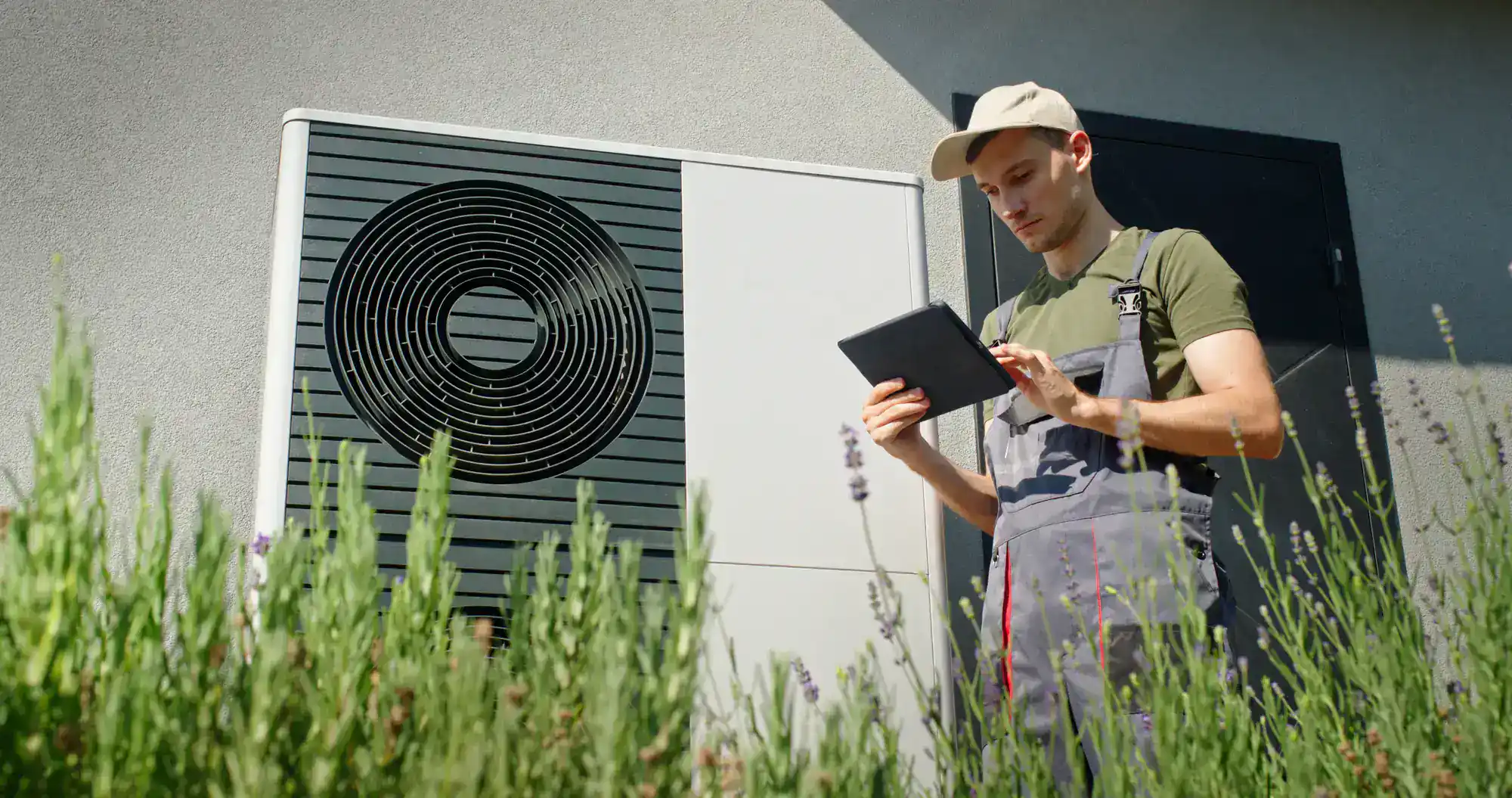
You’re tired of watching your energy bills spike every time the temperature drops or climbs past 95 degrees. Heat pumps work differently than what you’re used to—they move heat instead of generating it, which means you’re using less electricity to stay comfortable.
Most New Braunfels homeowners see their utility bills drop by $300 to $500 every year after switching. That’s real money back in your pocket, not marketing talk.
And you’re not juggling two separate systems anymore. One heat pump handles both heating and cooling, which means fewer service calls, less maintenance, and one less thing to worry about when Texas weather does what it does. When summer pushes past 95 and humidity makes everything feel worse, your system pulls double duty without overworking itself.
We’ve been installing and servicing HVAC systems across San Antonio, Austin, and Houston for more than two decades. We’re veteran-owned, which means we show up when we say we will and we don’t cut corners.
New Braunfels sits right in the middle of some of the most unpredictable weather in Central Texas. We’ve installed heat pumps in homes built before 1990 that needed ductwork upgrades, and we’ve worked on new construction where efficiency was the priority from day one. Every home is different, and we’ve seen enough of them to know what works and what doesn’t.
Our technicians are licensed, certified, and insured. We offer upfront pricing before we start any work, and if something goes wrong at 2 a.m., we’re available 24/7 for emergency service.
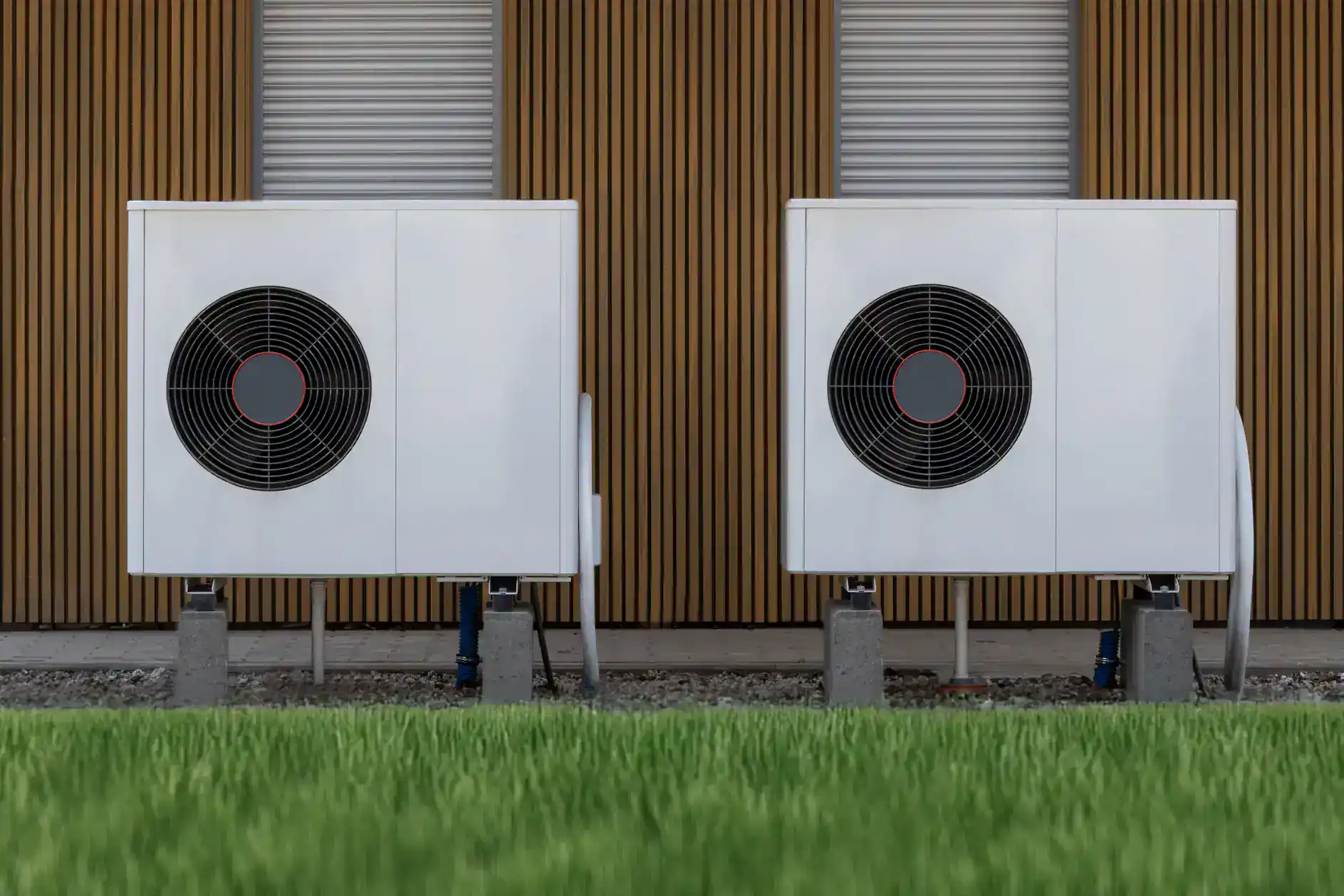
First, we come out to your home and assess what you actually need. That means looking at your current system, your ductwork, your electrical panel, and the size of your space. If your home was built before 1990, there’s a good chance you’ll need some ductwork modifications or an electrical upgrade—we’ll tell you that upfront, not after we’ve already started tearing things apart.
Once we know what your home needs, we’ll give you a clear quote that includes equipment, labor, and any additional work. No surprises, no hidden fees. If you qualify for federal tax credits or local rebates, we’ll walk you through that too.
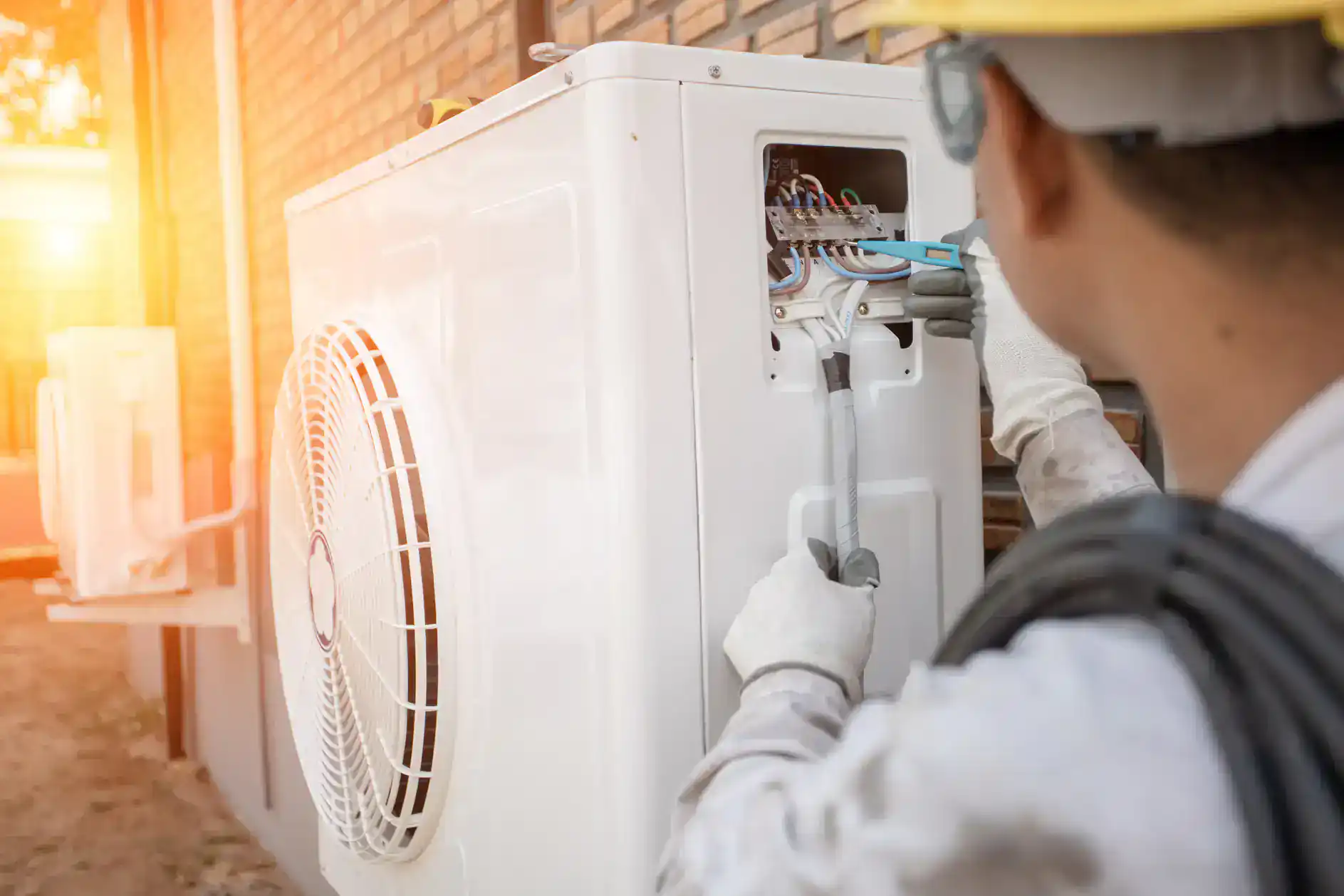
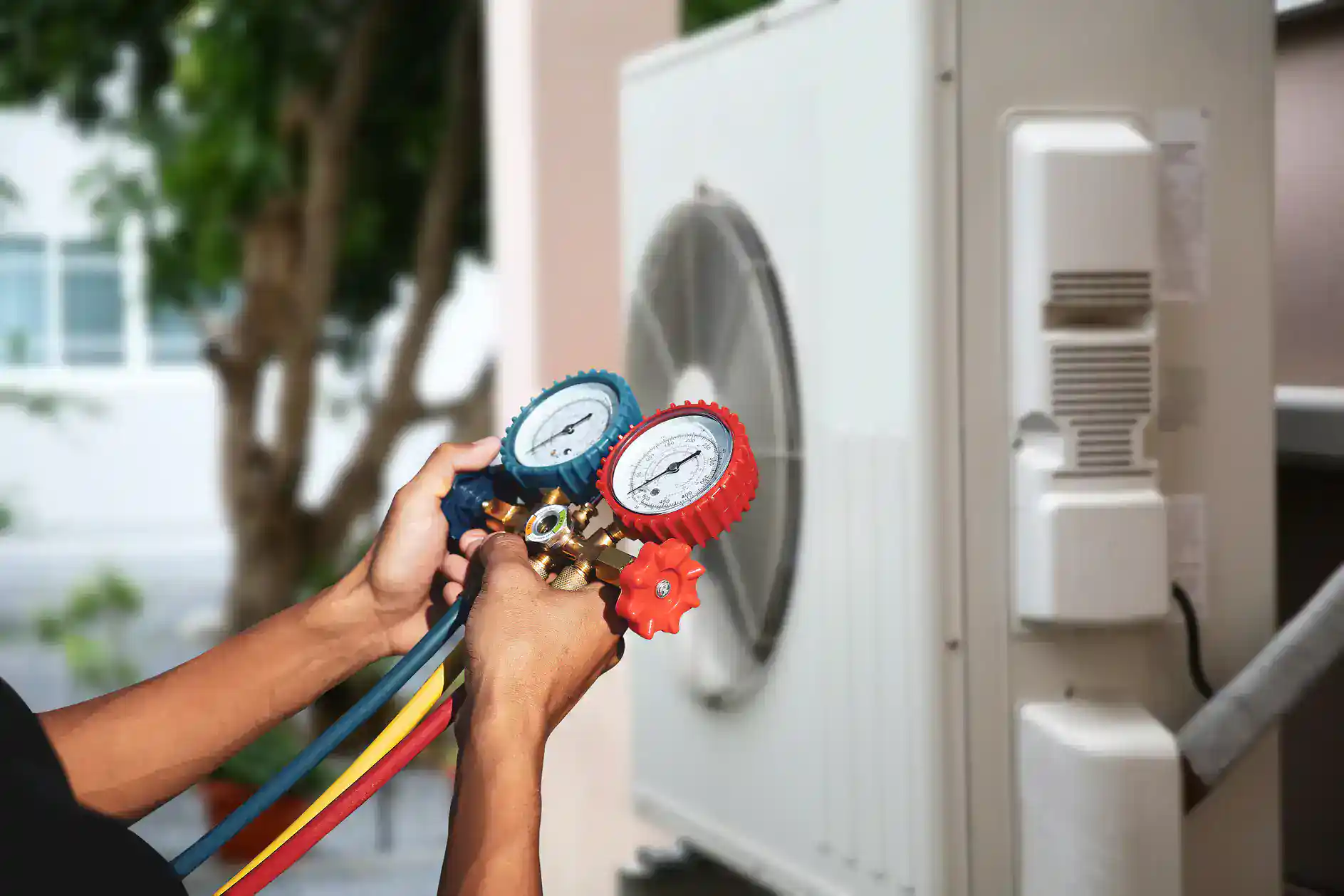
Installation usually takes one to two days depending on the complexity of the job. We pull permits, handle inspections, and make sure everything is up to code. After installation, we test the system to make sure it’s running efficiently and show you how to use it. Then we clean up and get out of your way.
Ready to get started?
When we install a heat pump in New Braunfels, you’re getting a system designed to handle the specific challenges of Central Texas weather. That means equipment rated for high-efficiency cooling when it’s 98 degrees and humid, and reliable heating when a cold front drops temperatures into the 30s overnight.
You’re also getting a system that qualifies for federal tax credits up to $2,000 through 2032. That’s 30% of your equipment and labor costs covered, which makes a real dent in the upfront investment. Some systems also qualify for additional local rebates, which can bring your total savings to $12,000 or more depending on the equipment you choose.
Heat pumps also improve indoor air quality by removing humidity as they cool. In New Braunfels, where pollen counts run high and dust is a constant issue, that makes a noticeable difference. And because heat pumps don’t burn fossil fuels, they produce zero direct carbon emissions—better for the environment and better for your home’s air quality.
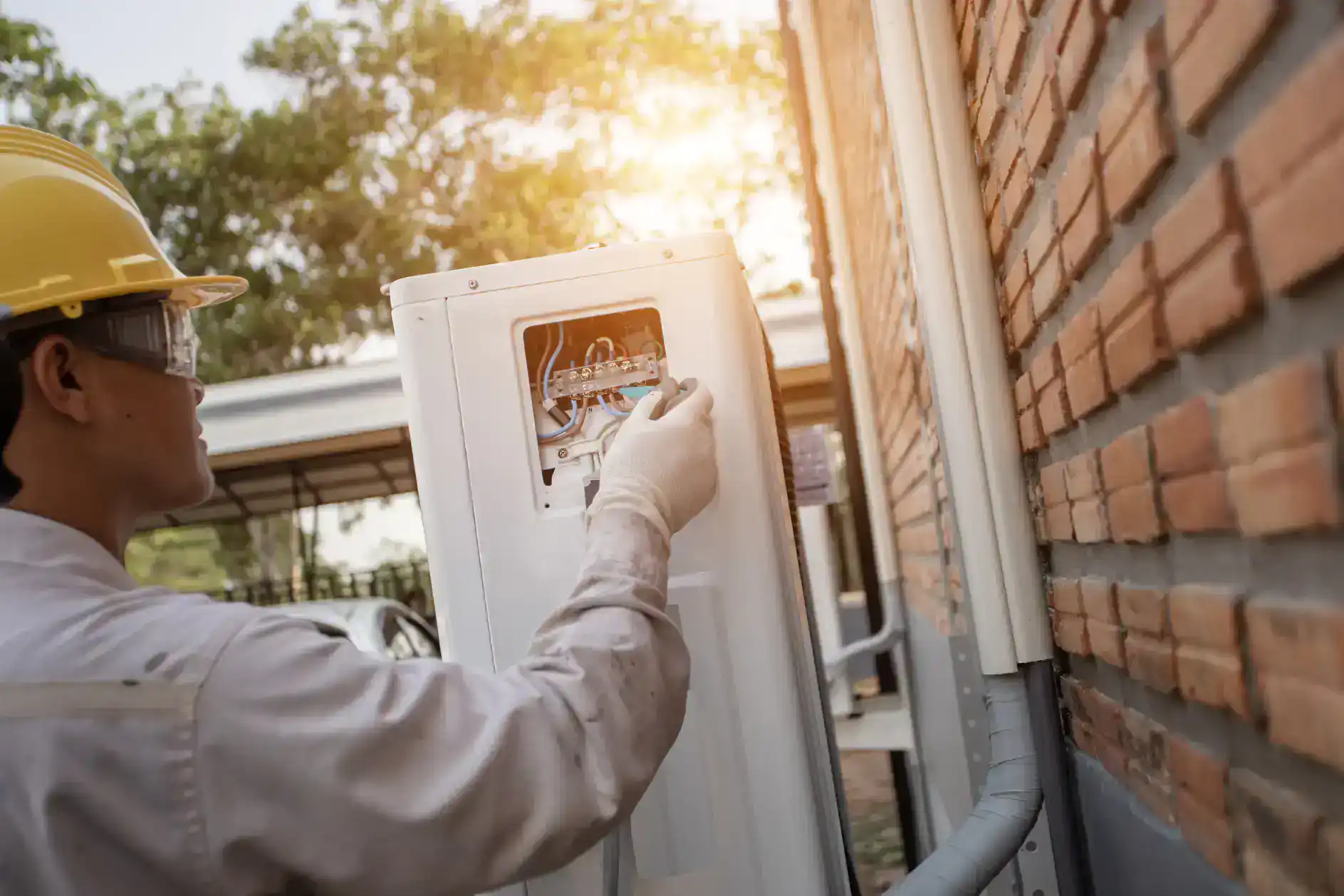
Most complete heat pump installations in New Braunfels run between $6,500 and $15,000 depending on the size of your home, the efficiency rating of the equipment, and whether you need any additional work like ductwork modifications or electrical upgrades.
Homes built before 1990 often need ductwork adjustments, which can add $2,000 to $4,000 to the total cost. If your electrical panel isn’t set up to handle the new system, you might need an upgrade there too. We’ll tell you exactly what your home needs during the initial assessment so there are no surprises later.
Federal tax credits can cover up to $2,000 of your installation costs, and depending on the system you choose, you might qualify for additional rebates. We’ll walk you through what’s available and help you figure out how to apply.
Yes. Modern heat pumps are built to handle Central Texas heat, even when temperatures push past 95 degrees. They deliver powerful cooling without overworking the system, which is exactly what you need when summer stretches from May through September.
Heat pumps also remove humidity as they cool, which makes a big difference in how comfortable your home feels. In New Braunfels, where humidity can make 90 degrees feel like 100, that’s not a small thing.
The key is choosing the right size and efficiency rating for your home. Undersized systems struggle in extreme heat, and oversized systems cycle on and off too frequently, which wastes energy and wears out components faster. We size every system based on your home’s square footage, insulation, and layout so it runs efficiently year-round.
Most heat pumps last 10 to 15 years in Texas with regular maintenance. Some systems make it to 20 years if they’re well-maintained and not overworked, but that’s less common in climates where you’re running your system almost year-round.
The biggest factor in how long your system lasts is maintenance. Changing filters regularly, keeping the outdoor unit clear of debris, and scheduling annual tune-ups all make a difference. Skipping maintenance means your system works harder, which shortens its lifespan and drives up your energy bills.
We offer maintenance plans that include annual inspections, filter changes, and priority service if something goes wrong. Most homeowners find that regular maintenance pays for itself in avoided repairs and lower energy costs.
A regular air conditioner only cools your home. A heat pump cools and heats, which means you’re getting two systems in one. In the summer, it works exactly like an AC—it pulls heat out of your home and moves it outside. In the winter, it reverses that process and pulls heat from the outside air into your home.
That might sound strange, but even when it’s 35 degrees outside, there’s still heat energy in the air that a heat pump can extract and use. It’s far more efficient than electric resistance heating, which is what most furnaces use.
For New Braunfels homeowners, that efficiency matters. Heating typically accounts for almost 40% of your energy bills, so switching to a heat pump can cut those costs significantly. You’re also reducing wear and tear on your system because you’re not running a separate furnace and AC unit.
Yes. The federal government offers tax credits up to $2,000 for qualifying high-efficiency heat pumps through 2032. That covers 30% of your equipment and labor costs, which can make a significant difference in your upfront investment.
Some systems also qualify for additional local rebates depending on their efficiency rating and whether they meet specific energy standards. Between federal credits and local programs, you could reduce your total installation cost by $2,000 to $12,000.
We’ll help you figure out what you qualify for and walk you through the application process. Most of our customers apply for the federal tax credit when they file their taxes, and we provide all the documentation you need to make that process straightforward.
It depends on your current setup. Most modern homes have electrical panels that can handle a heat pump without any issues. Older homes, especially those built before 1990, sometimes need an upgrade to support the additional load.
During our initial assessment, we’ll check your electrical panel and let you know if an upgrade is necessary. If it is, we’ll include that cost in your quote upfront so you know exactly what you’re looking at before we start any work.
Electrical panel upgrades typically add $1,500 to $3,000 to the total cost, but they’re not always required. It depends on the size of your current panel, how much capacity you have available, and what other electrical loads your home is running.
Other Services we provide in New Braunfels
 Call Now