Your current system is costing you more than it should. Every month, you’re paying for inefficiency—whether it’s an aging AC unit struggling through summer or separate heating equipment that barely keeps up when temperatures drop.
A properly installed heat pump changes that. You get both heating and cooling from one efficient system that uses up to 65% less electricity than traditional electric heating. That means lower utility bills starting with your very next statement, not years down the road.
Hill Country Village’s climate makes this even better. Our mild winters and hot summers are exactly where heat pumps perform best. You’re not dealing with the extreme cold that causes heat pumps to struggle in northern states. You’re in the ideal zone where this technology saves you the most money while delivering consistent comfort in every room.
Most homeowners here see their investment pay for itself within a few years through energy savings alone. After that, you’re just pocketing the difference every single month.
We’ve been keeping Hill Country Village homes comfortable since the early 1990s. We’re veteran-owned, family-operated, and we’ve spent over 30 years learning exactly what works in Texas homes and what doesn’t.
You’re not getting a sales pitch from someone who just moved here. Our technicians understand how Hill Country Village homes are built, what challenges your HVAC system faces in this climate, and how to size and install equipment that actually performs the way it should.
We handle everything from the initial assessment through final testing. No subcontractors. No surprises. Just certified technicians who show up prepared to complete your heat pump installation correctly the first time. And if something goes wrong at 2 a.m. on a Sunday, we’re available 24/7 because we know your comfort can’t wait until Monday morning.
We start with a free consultation at your Hill Country Village home. No pressure, no gimmicks. We assess your current system, measure your space, and calculate your exact heating and cooling needs based on your home’s size, insulation, and layout. This matters because undersized systems run constantly and oversized systems cycle on and off too frequently. Both waste energy and money.
Next, you get a detailed quote that breaks down everything—equipment costs, labor, and any additional work like ductwork modifications or electrical upgrades. You know exactly what you’re paying for before we start. No hidden fees show up later.
Installation typically takes one day for most homes. Our team removes your old equipment, installs your new heat pump system, connects everything properly, and tests it thoroughly to confirm it’s running at peak efficiency. We’re not rushing to the next job. We’re making sure your system is sized right, installed right, and performing right.
Before we leave, we walk you through your new system’s operation and answer any questions. You’ll know how to adjust settings, when to change filters, and what to watch for. Then we clean up completely—you shouldn’t even know we were there except for the new equipment running quietly in the background.
Ready to get started?
Your installation includes complete removal of your existing system, proper disposal of old equipment, and full installation of your new heat pump with all necessary connections. We handle the refrigerant lines, electrical work, thermostat setup, and ductwork assessment. If your ducts need sealing or modifications to work efficiently with your new system, we’ll tell you upfront—not after we’ve already started.
You also get a thorough system test before we leave. We’re checking airflow in every room, verifying refrigerant levels, confirming electrical connections, and making sure your thermostat communicates properly with your new equipment. This isn’t a quick flip-the-switch test. We’re running your system through multiple cycles to catch any issues before they become your problem.
Hill Country Village homes often benefit from additional indoor air quality improvements during installation. We can assess your ductwork for leaks that waste conditioned air, recommend air filtration upgrades if you’re dealing with allergies, and discuss humidity control options that make your home more comfortable without cranking the thermostat.
Many homeowners here also qualify for federal tax credits that cover up to 30% of installation costs, capped at $2,000. We’ll walk you through what documentation you need to claim these credits when you file your taxes. That’s money back in your pocket for making an energy-efficient upgrade that was already going to save you money on utilities.
Installation costs typically range from $5,000 to $12,000 depending on your home’s size, the system capacity you need, and whether any ductwork or electrical upgrades are required. That’s a wide range because every home is different.
A 1,500 square foot home with existing ductwork in good condition will cost significantly less than a 3,000 square foot home that needs duct modifications. The equipment itself varies in price based on efficiency ratings—higher SEER2 ratings cost more upfront but save more on monthly bills.
We provide detailed quotes after assessing your specific situation. You’ll see exactly what equipment we’re recommending, why we’re recommending it, and what the total investment looks like before you make any decisions. And remember, federal tax credits can return up to $2,000 of that cost, while your monthly energy savings start immediately.
Most heat pump installations in Hill Country Village homes are completed in one day. We typically arrive in the morning and finish by late afternoon, leaving you with a fully operational system before we leave.
Some installations take longer if we’re dealing with ductwork modifications, significant electrical upgrades, or complex multi-zone systems. We’ll tell you the realistic timeline during your consultation so you can plan accordingly.
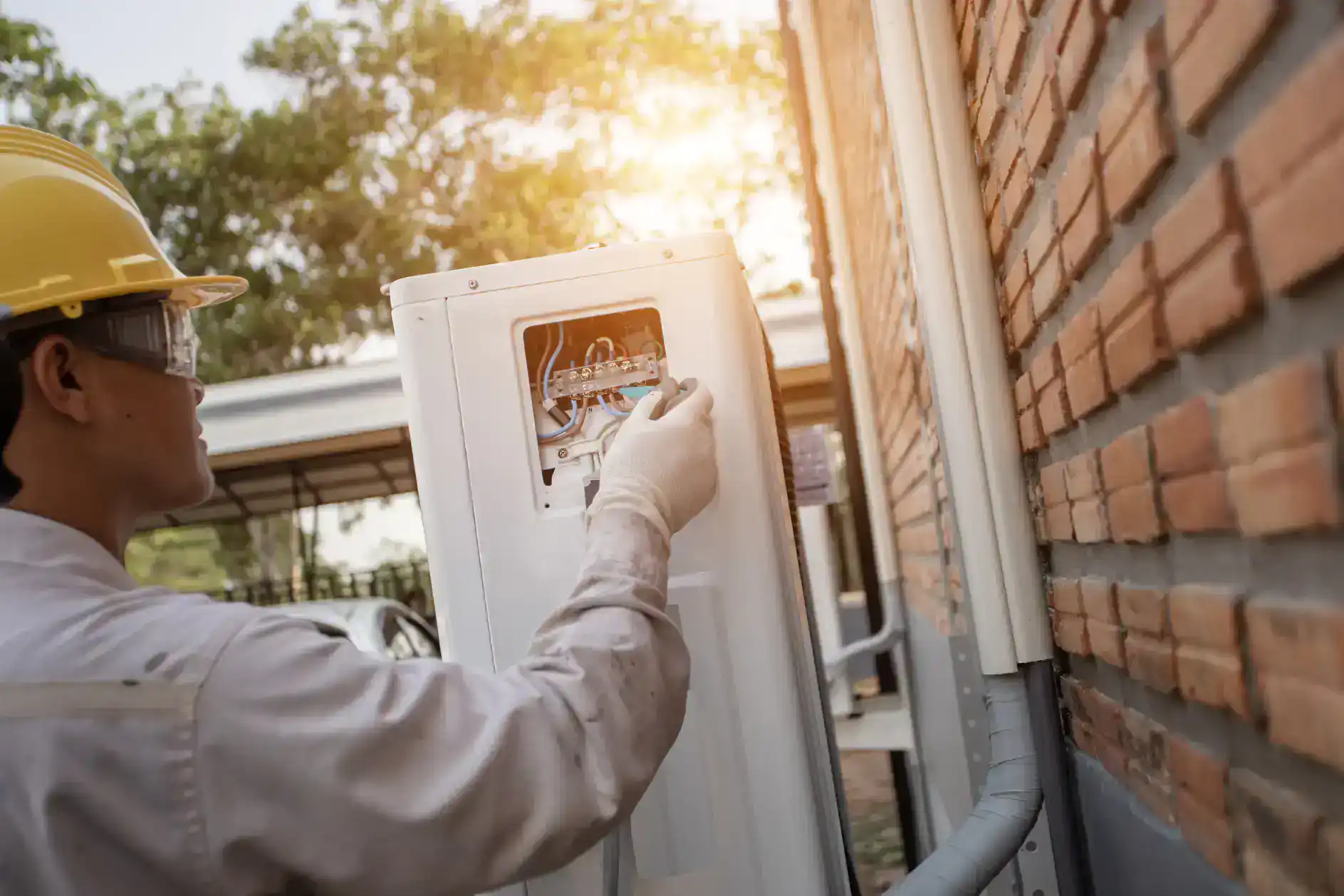
The actual installation process involves removing your old equipment, mounting the new outdoor unit, installing or connecting the indoor air handler, running refrigerant lines, completing electrical connections, and testing everything thoroughly. We’re not rushing through any of these steps because shortcuts during installation lead to problems later—reduced efficiency, premature equipment failure, and comfort issues that shouldn’t exist with a properly installed system.
Yes. Heat pumps cool your home just as effectively as traditional air conditioners during summer. In fact, many people don’t realize that air conditioners and heat pumps use identical technology for cooling—they’re essentially the same equipment when running in cooling mode.
The difference is that heat pumps can reverse the process to provide heating in winter. But during Hill Country Village’s hot summers, your heat pump is working exactly like a high-efficiency AC unit, moving heat from inside your home to the outside air.
Modern heat pumps are specifically designed to handle Texas heat. They maintain consistent temperatures even when it’s 100+ degrees outside. You’re not sacrificing cooling performance by choosing a heat pump. You’re gaining heating efficiency for those chilly winter nights without losing any cooling capacity during summer. That’s why heat pumps have become so popular in Texas—our climate is ideal for this technology.
Your heat pump should be professionally serviced twice a year—once before cooling season and once before heating season. This catches small issues before they become expensive repairs and keeps your system running at peak efficiency.
During a maintenance visit, we’re checking refrigerant levels, cleaning coils, inspecting electrical connections, testing thermostat accuracy, examining ductwork for leaks, and replacing filters. These aren’t optional tasks. Dirty coils alone can reduce your system’s efficiency by 20-30%, which means you’re paying significantly more on utility bills for no reason.
Between professional visits, you should change your air filter every 1-3 months depending on usage and whether you have pets or allergies. This is the simplest thing you can do to extend your equipment’s lifespan and maintain efficiency. A clogged filter forces your system to work harder, wastes energy, and can lead to frozen coils or compressor damage. We’ll show you exactly how to change your filter and recommend a replacement schedule based on your specific situation.
The right size depends on your home’s square footage, insulation quality, window types, ceiling height, and how much sun exposure your home gets. There’s no universal answer, which is why proper sizing calculations matter so much.
An undersized system will run constantly trying to keep up, especially during extreme temperatures. You’ll pay more on utility bills and wear out your equipment faster. An oversized system cycles on and off too frequently, which wastes energy, creates humidity problems, and also shortens equipment lifespan.
We calculate the correct size during your consultation using Manual J load calculations—the industry standard for proper HVAC sizing. This accounts for all the factors that affect how much heating and cooling your home actually needs. We’re not guessing based on square footage alone or automatically recommending the biggest system available. We’re determining the precise capacity that will keep your home comfortable efficiently without wasting your money on oversized equipment.
Yes. The federal 25C tax credit covers up to 30% of your heat pump installation costs, capped at $2,000, for qualifying systems installed by December 31, 2025. This applies to all households who pay federal income taxes, regardless of income level.
You’ll need to keep your receipt and manufacturer’s certification statement to claim this credit when you file your taxes. We provide all the documentation you need. This isn’t a rebate that gets applied at purchase—it’s a tax credit that reduces what you owe when you file, or increases your refund.
Some Texas homeowners may also qualify for additional state or utility company rebates depending on income level and the specific equipment installed. These programs change frequently, but roughly a third of Texas households qualify for additional rebates based on income thresholds. We stay current on available incentives and can point you toward programs you might qualify for. The federal credit alone can save you up to $2,000, which significantly reduces your upfront investment in equipment that’s already going to save you $300+ annually on utility bills.
Other Services we provide in Hill Country Village
 Call Now