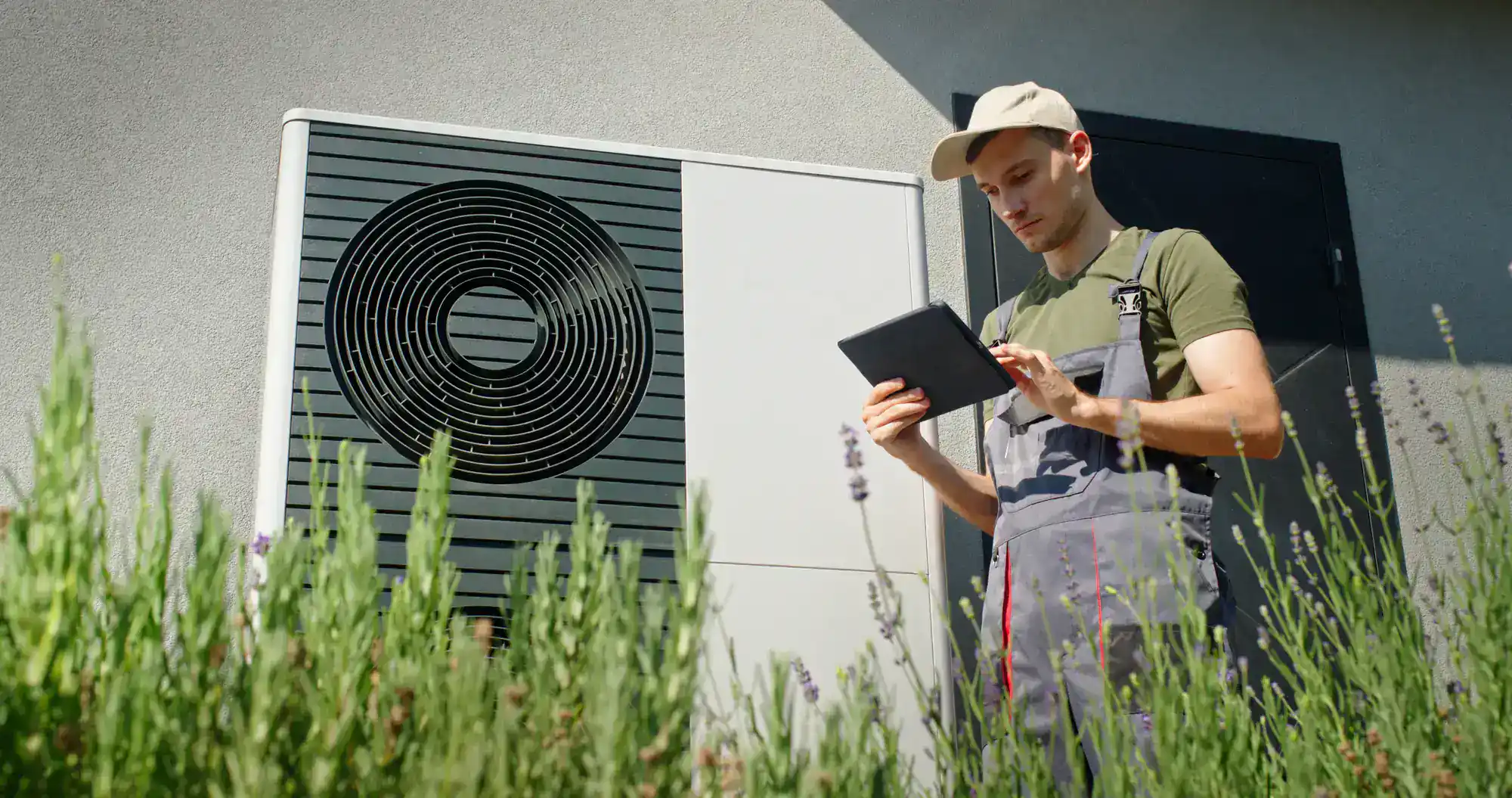
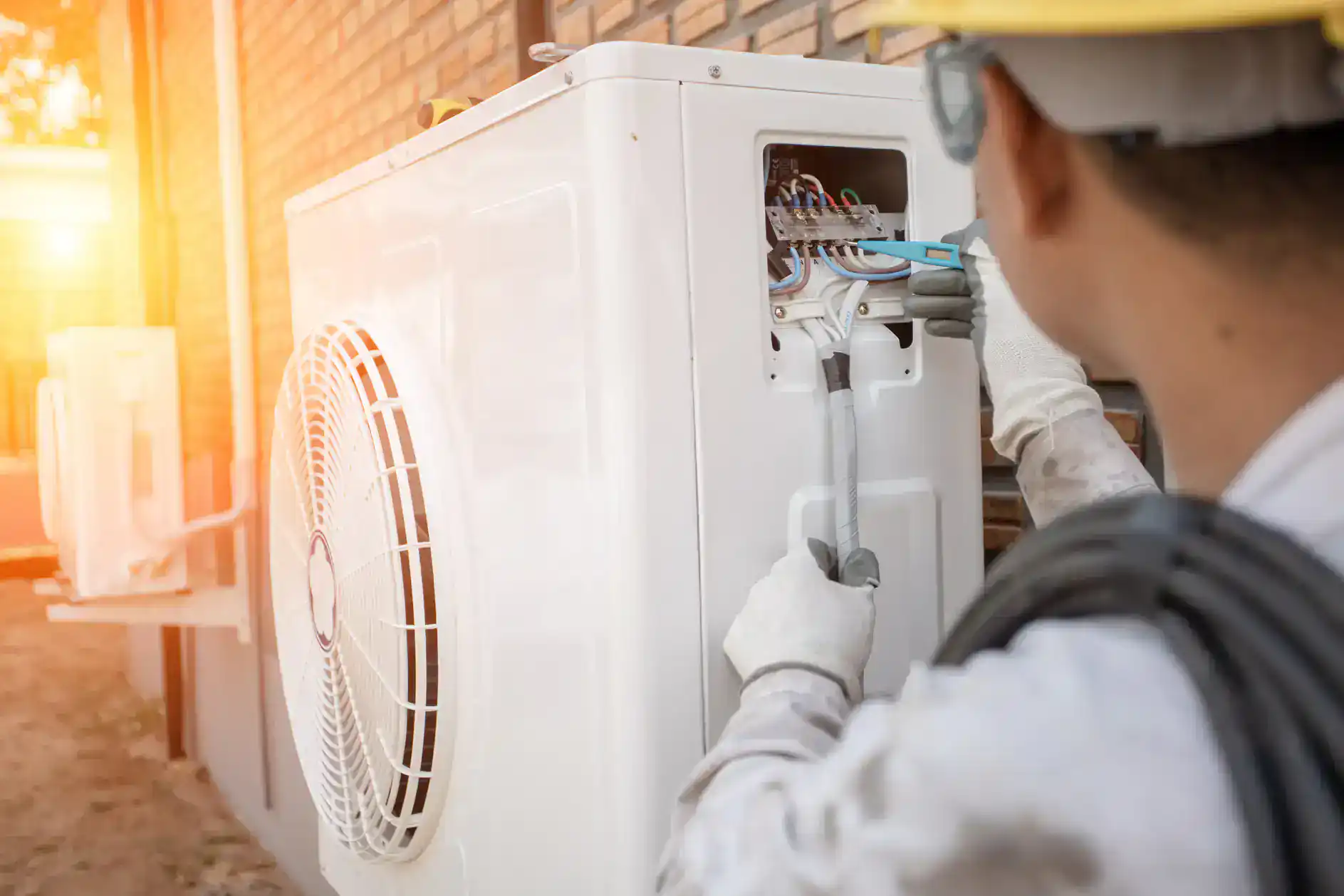
Your energy bills are higher than they should be. Running separate heating and cooling systems costs you money every month, and with Texas summers stretching longer each year, those costs add up fast.
A heat pump handles both jobs more efficiently because it moves heat instead of generating it. That difference cuts energy use by up to 70% compared to traditional systems. For most Castle Hills homeowners, that means saving $300 or more annually on utility bills.
You also get better humidity control during our muggy summer months. Heat pumps dehumidify more effectively than standard air conditioners, which means your home feels comfortable at higher thermostat settings. That comfort translates to even more savings without sacrificing how your home feels.
The system runs year-round, but that’s actually easier on the equipment than cycling between a furnace and AC unit. With proper maintenance, most heat pumps last 15 to 20 years. You’re looking at decades of reliable heating and cooling from a single installation.
We’ve been solving HVAC problems in Castle Hills and the greater San Antonio area for over two decades. We’re a veteran-owned company, and we’ve been installing heat pump systems long before they became the mainstream choice they are today.
Our technicians are certified, licensed, and insured. Every installation comes with a 12-year warranty on both parts and labor, which is longer than most companies offer. Most competitors give you 10 years on parts and maybe two years on labor. We cover both because we install systems correctly the first time.
Castle Hills has beautiful homes and quiet neighborhoods. We’ve worked in this area long enough to know what systems perform best in your climate and which installations hold up over time. You’re not getting a one-size-fits-all approach. You’re getting recommendations based on your home’s specific needs and our experience with hundreds of local installations.
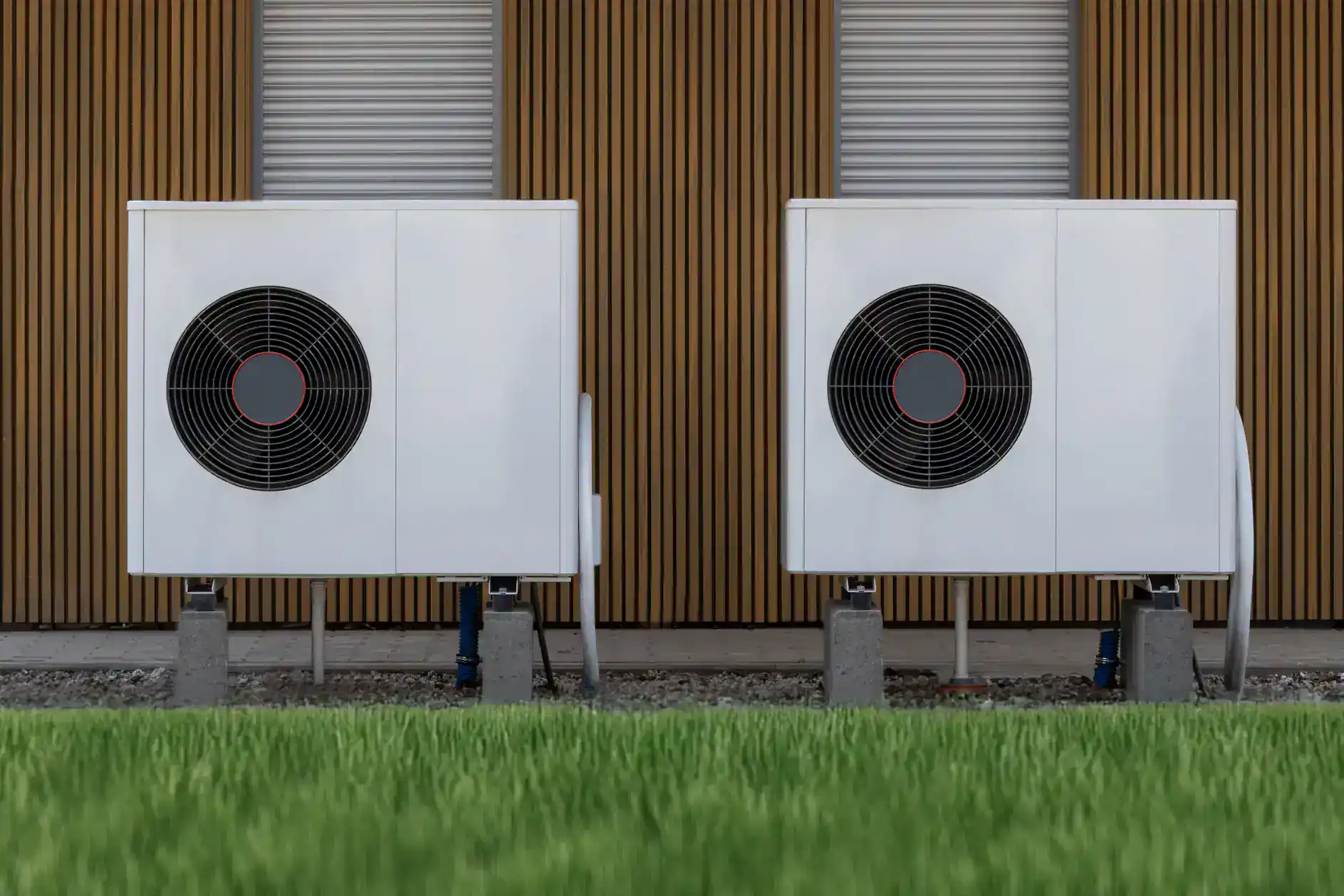
We start with an in-home assessment. Our technician evaluates your current system, measures your home’s square footage, checks insulation levels, and reviews your ductwork. This isn’t a sales pitch. It’s a technical evaluation to determine the right size and type of heat pump for your home.
Undersized units run constantly and wear out faster. Oversized units short-cycle, which reduces efficiency and increases your bills. Proper sizing matters, and it requires actual measurements and calculations, not guesswork.
Once we’ve sized the system correctly, we provide a clear quote that includes equipment, labor, and warranty coverage. No hidden fees. If you move forward, we schedule the installation at a time that works for you.
Installation typically takes one day for most homes. We remove your old system, install the new heat pump, connect it to your existing ductwork (or recommend modifications if needed), test all functions, and walk you through the new system’s operation. Before we leave, you’ll know how to adjust settings, change filters, and when to schedule maintenance.
We also help you apply for available rebates and federal tax credits. Right now, you can claim up to 30% of the equipment cost as a federal tax credit, up to $2,000. CPS Energy offers additional rebates between $350 and $650 depending on your system’s efficiency rating. Those savings reduce your upfront cost significantly.
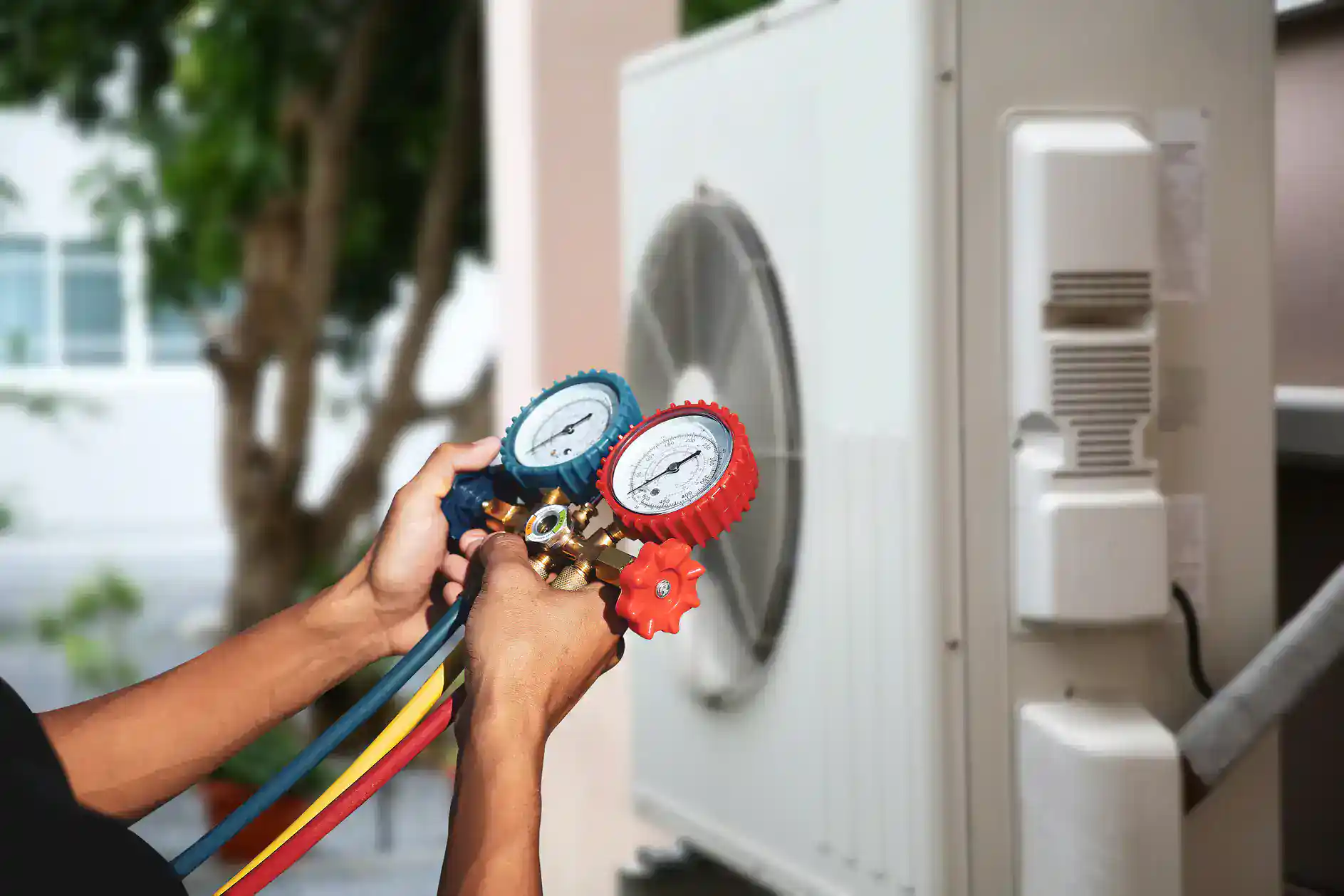
Ready to get started?
Every heat pump system installation from us includes complete removal of your old equipment, professional installation of your new heat pump, connection to existing ductwork, refrigerant line installation, electrical work, thermostat setup (or upgrade if needed), and full system testing.
We also include a 12-year warranty covering both parts and labor. That’s comprehensive protection for over a decade. Most repairs during that period cost you nothing.
Castle Hills homes vary widely in age and construction. Older homes sometimes need ductwork modifications to optimize airflow. Newer homes might benefit from a smart thermostat upgrade to maximize efficiency. We assess these factors during the initial evaluation and include recommendations in your quote.
Texas climate is ideal for heat pump operation. Our mild winters mean your system operates in its optimal temperature range most of the year. Heat pumps work best when outdoor temperatures stay above 25 degrees, and Castle Hills rarely drops below that threshold. You’re getting a system that’s perfectly matched to local conditions.
The installation also includes a walkthrough of your new system’s maintenance requirements. Heat pumps need filter changes every 1-3 months depending on usage, annual professional inspections, and occasional coil cleaning. We provide a maintenance schedule and offer service plans if you prefer to outsource that work.
Most heat pump installations in Castle Hills range from $9,000 to $17,000 for standard-efficiency systems. That price includes equipment, labor, and warranty coverage. Higher-efficiency models cost more upfront but qualify for larger rebates and tax credits.
Federal tax credits currently cover up to 30% of your equipment cost, capped at $2,000. CPS Energy offers rebates between $350 and $650 depending on efficiency ratings. Some manufacturers also run seasonal promotions that can reduce costs further.
The total out-of-pocket cost after rebates and credits typically falls between $6,500 and $13,000 for most homes. Your specific cost depends on your home’s size, existing ductwork condition, and the system’s efficiency rating. We provide detailed quotes after the in-home assessment so you know exactly what you’re paying before any work begins.
Yes. Heat pumps operate efficiently in Texas winters because our climate rarely drops below their optimal operating range. Most heat pumps work best when outdoor temperatures stay above 25 degrees, and Castle Hills averages well above that threshold throughout winter.
During the rare cold snap, modern heat pumps include backup heating elements that automatically engage when needed. You won’t lose heat even during unusual weather events.
Heat pumps are actually more reliable than running separate heating and cooling systems because they operate year-round. Constant use is easier on the machinery than cycling between a furnace and AC unit. With proper maintenance, you’re looking at 15 to 20 years of dependable service. We also offer 24/7 emergency service if issues arise, though properly installed and maintained heat pumps rarely fail during winter months.
Sizing depends on your home’s square footage, insulation quality, ceiling height, window count, and ductwork condition. There’s no universal answer because every home is different.
A typical 1,500-square-foot home in Castle Hills usually needs a 2 to 2.5-ton unit. A 2,000-square-foot home might need 3 to 3.5 tons. But those are rough estimates. Actual sizing requires professional calculations based on your specific home.
Undersized units run constantly trying to keep up, which increases wear and raises your energy bills. Oversized units short-cycle, turning on and off repeatedly, which also reduces efficiency and lifespan. Proper sizing is critical for getting the energy savings and longevity you’re paying for. We perform detailed load calculations during the in-home assessment to determine the exact size your home needs.
Most installations take one full day for standard residential homes. We typically start in the morning and finish by late afternoon. More complex installations involving ductwork modifications or electrical upgrades might extend into a second day.
The process includes removing your old system, installing the new heat pump unit outside, connecting refrigerant lines, completing electrical work, installing or connecting the indoor air handler, setting up your thermostat, and testing all functions. We don’t rush the work because proper installation directly affects your system’s efficiency and lifespan.
You’ll be without heating and cooling during the installation, so we schedule around weather forecasts when possible. We also work efficiently to minimize disruption. Before we leave, your new system will be fully operational, and you’ll understand how to use it. We clean up all debris and haul away your old equipment as part of the service.
Not always. If your existing ductwork is in good condition, properly sized, and well-sealed, we can usually connect the new heat pump without modifications. We inspect your ducts during the initial assessment to determine their condition.
Older homes sometimes have undersized ducts, leaks, or poor insulation that reduce efficiency. In those cases, we might recommend sealing leaks, adding insulation, or modifying sections to optimize airflow. These improvements help your new heat pump perform at its rated efficiency.
Ductwork problems waste energy regardless of how efficient your heat pump is. Leaky ducts can lose 20-30% of conditioned air before it reaches your rooms. Sealing those leaks often pays for itself within a few years through lower energy bills. We provide honest assessments about what’s necessary versus what’s optional, and we include all recommendations in your written quote so you can make informed decisions.
Heat pumps need regular filter changes, annual professional inspections, and occasional coil cleaning. Filter changes are the most important task you’ll handle yourself. Depending on usage and whether you have pets, filters need changing every one to three months.
Annual professional maintenance includes checking refrigerant levels, inspecting electrical connections, cleaning coils, testing thermostat accuracy, and verifying airflow. This service catches small issues before they become expensive repairs and keeps your system running at peak efficiency.
You should also keep the outdoor unit clear of debris, leaves, and vegetation. Trim back any bushes or plants within two feet of the unit to maintain proper airflow. Beyond that, heat pumps are relatively low-maintenance compared to other HVAC systems. We offer maintenance plans if you prefer scheduled service, or you can call us annually to book your inspection. Either way, consistent maintenance extends your system’s lifespan and protects your 12-year warranty coverage.
Other Services we provide in Castle Hills
 Call Now