Your energy bills drop. Most Windcrest homeowners who switch from electric resistance heating to a heat pump save over $300 annually, and that’s conservative. When summer hits and temperatures push past 95 degrees for weeks, your system isn’t working twice as hard to keep up.
You stop worrying about the next cold snap. Winter Storm Uri proved that Texas weather doesn’t play by the rules. Modern heat pumps work efficiently down to 10°F, which means you’re covered even when Windcrest sees those rare but brutal freezes.
Your home feels consistent. No more cold spots in the back bedrooms or that sticky feeling even when the AC is running. Heat pumps handle humidity better than older systems, pulling moisture out of the air during those muggy months while keeping every room at the temperature you actually set.
We’ve spent over 20 years installing HVAC systems across San Antonio, Houston, and Austin. We’re veteran-owned, which means we show up on time, do the work right, and don’t leave until it’s done correctly.
Windcrest has unique needs. With 31% of residents over 65, reliable heating and cooling isn’t just about comfort—it’s about safety. We size every system properly using detailed load calculations, not guesswork. That prevents short-cycling, humidity problems, and the kind of failures that happen at the worst possible time.
We’re local. We’ve seen what happens when systems aren’t built for Texas weather. We know Windcrest sits in that humid subtropical zone where you need a system that can handle both extremes without breaking down.
First, we come out and assess your home. We’re looking at your existing ductwork, insulation, square footage, window placement, and how your home actually sits on the lot. This isn’t a 10-minute walkthrough—we’re doing a proper load calculation to size your system correctly.
Once we know what you need, we walk you through options. Different SEER ratings, different brands, different price points. We explain what each one actually means for your energy bills and comfort level. No upselling, just information.
Installation typically takes one to two days. If your ductwork is in good shape and we’re replacing an existing system, we can often finish in a single day. We pull permits, handle inspections, and make sure everything meets local codes. You’re not left guessing whether it was done right.
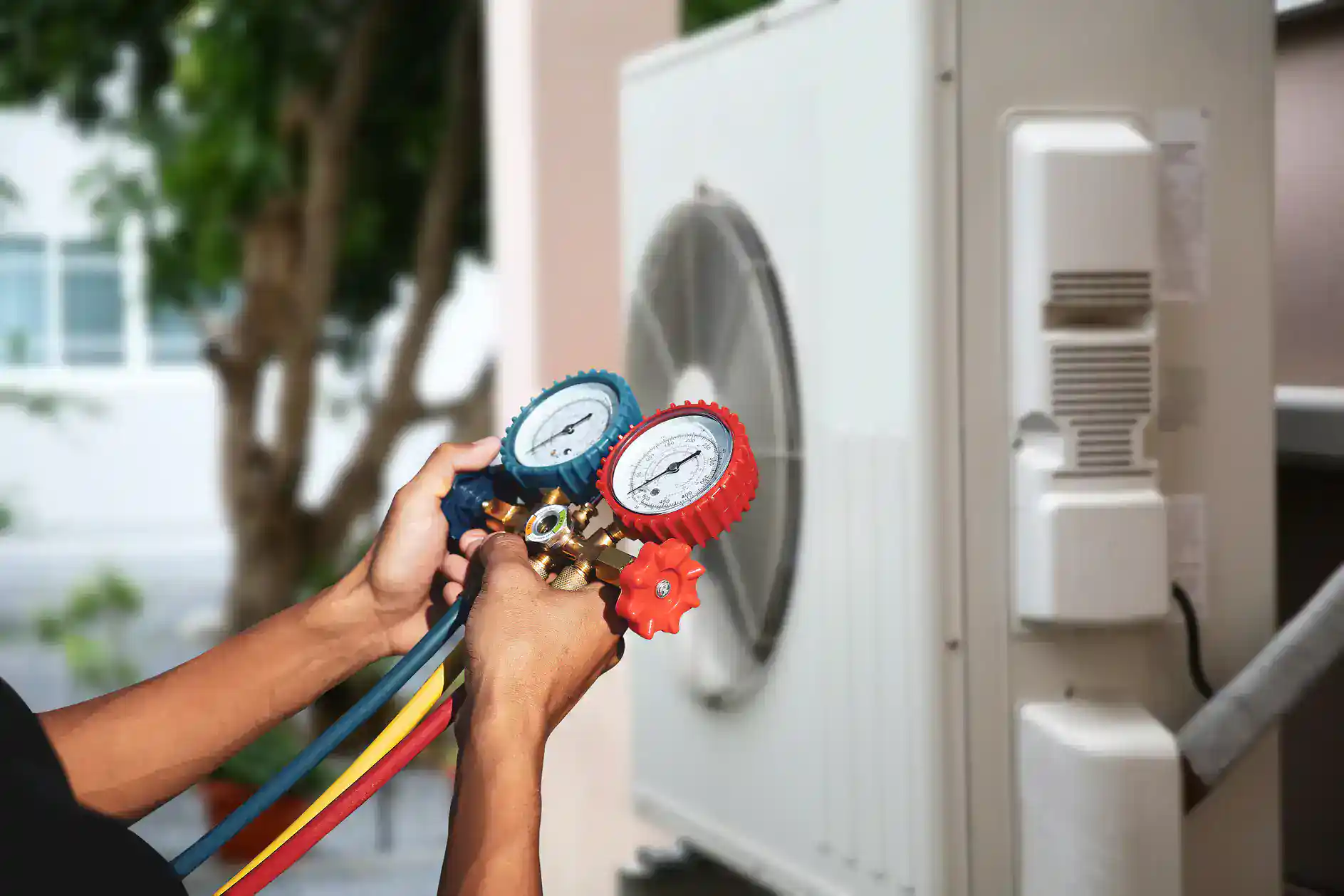
After installation, we test the system thoroughly. We check airflow, refrigerant levels, thermostat calibration, and run the system through a full cycle. Then we show you how everything works and answer any questions before we leave.
Ready to get started?
You’re getting a system sized specifically for your home. Not the same unit your neighbor got. We account for Windcrest’s climate, your home’s layout, and how you actually use your space. That matters more than most people realize.
You’re getting equipment rated for Texas conditions. Heat pumps that work efficiently when it’s 98 degrees outside and when it drops into the 30s. The technology has changed dramatically in the last decade—these aren’t the heat pumps from 2010 that struggled in cold weather.
You’re getting proper installation that prevents the common problems we see all the time. Refrigerant leaks from rushed line sets. Ductwork that wasn’t sealed properly. Thermostats installed in spots that give false readings. We handle those details because they’re the difference between a system that lasts 15 years and one that needs repairs every other year.
You’re also getting access to available rebates and incentives. CPS Energy offers Casa Verde rebates of $100–$275 per ton for qualifying systems. We help you navigate what’s available and what you actually qualify for based on your specific situation.
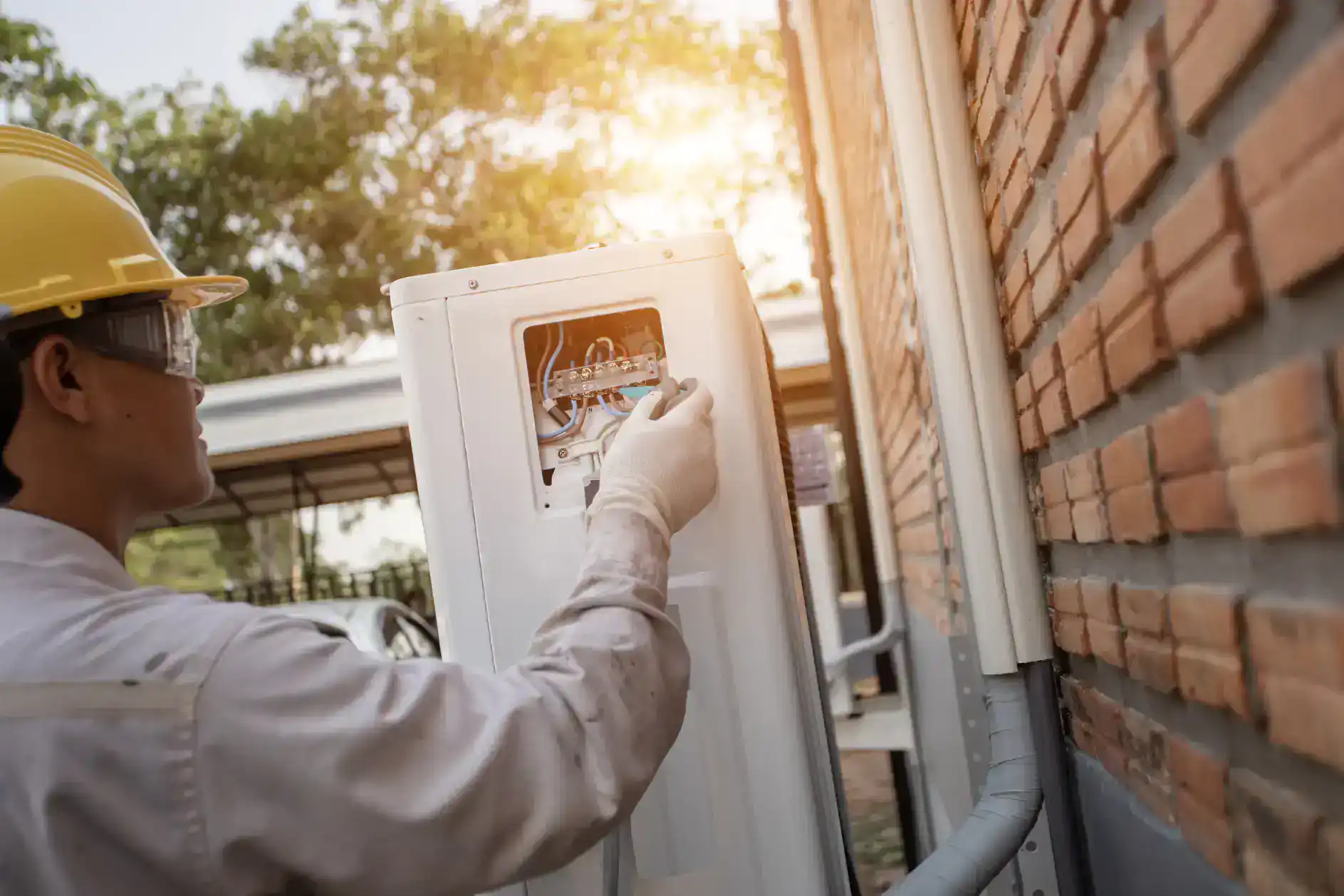
Most complete heat pump installations in Windcrest run between $6,500 and $15,000. That’s a wide range because it depends on your home’s size, the system’s efficiency rating, and whether your existing ductwork needs work.
Entry-level systems with 14 SEER ratings start around $4,200 to $6,500 for smaller homes. Mid-range systems with better efficiency and features typically land in the $8,000 to $10,000 range. High-efficiency systems with variable-speed technology and advanced humidity control can push toward $12,000 to $15,000.
The actual number for your home depends on factors we need to see in person. Homes with good existing ductwork cost less. Homes that need duct repairs, additional insulation, or electrical upgrades cost more. We give you an exact price after we assess your specific situation—not a ballpark guess over the phone.
Yes, and they’re actually more efficient than traditional systems in both situations. Modern heat pumps rated for Texas climates work efficiently even when temperatures hit the upper 90s, which Windcrest sees regularly from June through September.
For cooling, heat pumps move heat out of your home rather than generating cold air. They’re up to four times more efficient than older AC systems, which is why you see lower energy bills even during those brutal summer stretches.
For heating during cold snaps, today’s heat pumps operate effectively down to 10°F. Windcrest rarely sees temperatures that low, but when winter storms do hit, your system keeps working. The technology has improved significantly since Winter Storm Uri—newer models have cold-weather features that older systems lacked. You’re not left scrambling for space heaters when the temperature drops unexpectedly.
Most installations take one to two days from start to finish. If we’re replacing an existing system and your ductwork is in good condition, we can often complete everything in a single day.
Day one typically involves removing your old system, installing the new outdoor and indoor units, connecting refrigerant lines, and hooking everything up to your existing ductwork and electrical. If your ductwork needs repairs or modifications, that adds time.
Day two, when needed, covers final connections, system testing, calibration, and inspection. We don’t rush the testing phase because that’s where we catch potential issues before they become your problem. We run the system through complete heating and cooling cycles, check all connections for leaks, verify airflow in every room, and make sure your thermostat is reading accurately.
The timeline can extend if you need electrical upgrades, significant duct modifications, or if we’re waiting on inspection schedules. We give you a realistic timeframe upfront based on what your specific installation requires.
That depends on a proper load calculation, not square footage alone. We see a lot of systems that were sized wrong because someone just used a general rule of thumb. That causes problems.
The calculation accounts for your home’s square footage, insulation levels, window types and placement, ceiling height, ductwork condition, and how your home sits relative to sun exposure. A 1,800-square-foot home facing south with older windows needs different capacity than the same size home with newer windows and better insulation.
Windcrest’s climate factors in too. You need a system that can handle sustained temperatures in the upper 90s with high humidity, plus occasional winter lows in the 30s. Undersized systems run constantly and never quite keep up. Oversized systems short-cycle, which means they turn on and off too frequently. That wastes energy, wears out components faster, and doesn’t remove humidity properly.
We do the calculation at your home, with your specific conditions. Then we recommend the right size and explain why. No guessing.
Yes, though the federal tax credit expired December 31, 2025, so that’s no longer available for 2026 installations. You can still access local utility rebates depending on your provider.
CPS Energy offers Casa Verde rebates ranging from $100 to $275 per ton for qualifying heat pump systems. The exact amount depends on your system’s efficiency rating and whether you meet income qualifications for enhanced rebates. If you’re served by Oncor, their Take a Load Off Texas program offers up to $600 per unit for qualifying installations.
Austin Energy’s Power Saver program offers the largest rebates in the region—around $3,000 for whole-home installations—but that’s only available if you’re in their service area, which doesn’t typically include Windcrest.
Rebate programs change regularly. What’s available when you read this might be different six months from now. We stay current on what’s offered and help you navigate the application process for anything you qualify for. The paperwork can be confusing, and we’d rather you actually get the money you’re entitled to instead of missing out because a form wasn’t filled out correctly.
Twice a year—once before cooling season and once before heating season. Windcrest’s climate puts year-round demand on your system, so regular maintenance isn’t optional if you want it to last.
Spring maintenance prepares your system for summer. We clean coils, check refrigerant levels, test capacitors, inspect electrical connections, and make sure your condensate drain isn’t clogged. Dirty coils alone can reduce efficiency by 30%, which means higher bills and more wear on your compressor.
Fall maintenance prepares for heating season. We test the reversing valve that switches your system from cooling to heating mode, check the defrost cycle, inspect the backup heat strips if you have them, and verify that your system will actually heat when you need it to.
Between professional visits, you should change your filter every 30 to 90 days depending on whether you have pets, allergies, or above-average dust. A clogged filter restricts airflow, makes your system work harder, and leads to frozen coils or overheating. That’s the most common cause of preventable breakdowns we see.
Other Services we provide in Windcrest
 Call Now