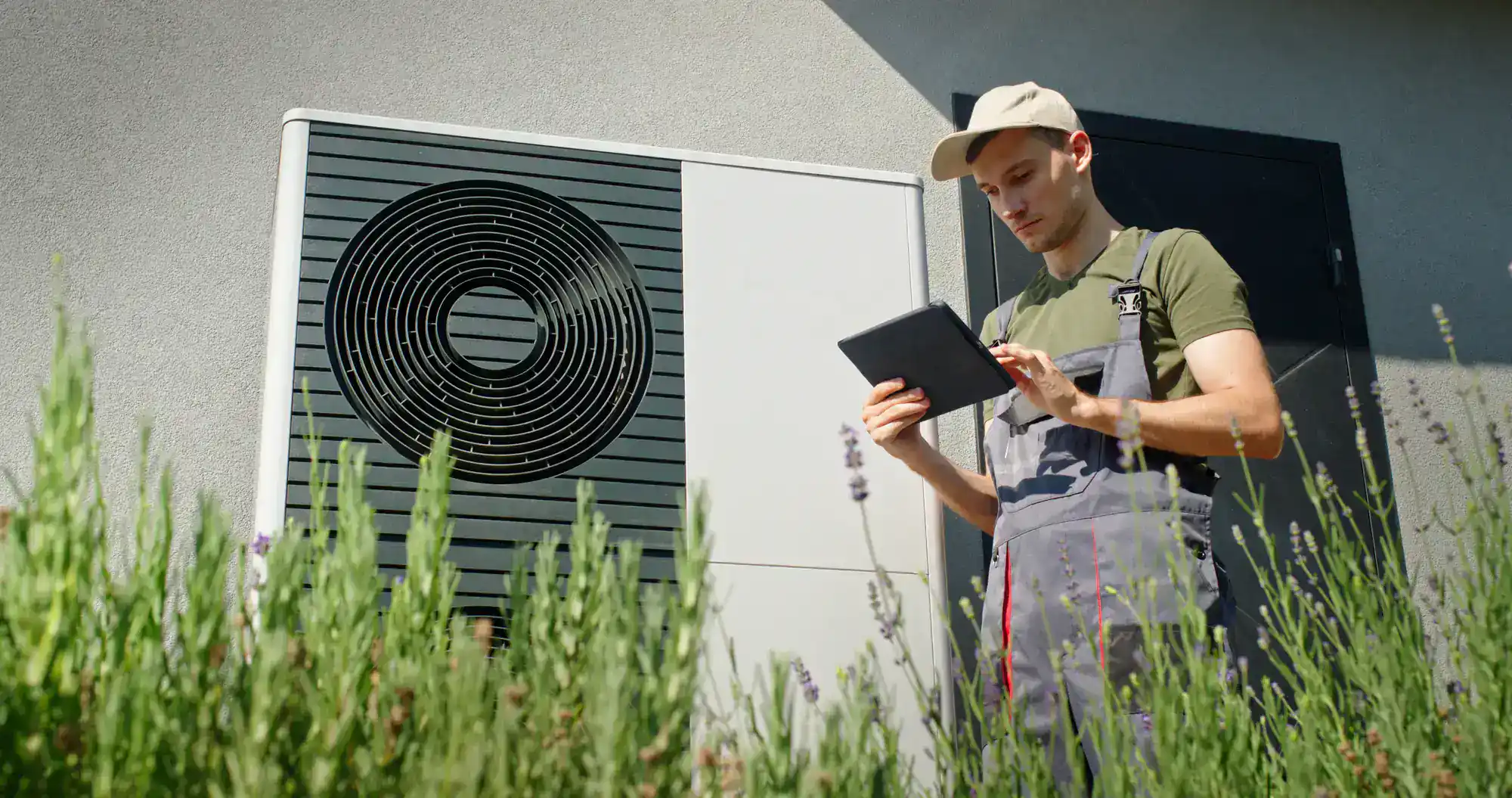
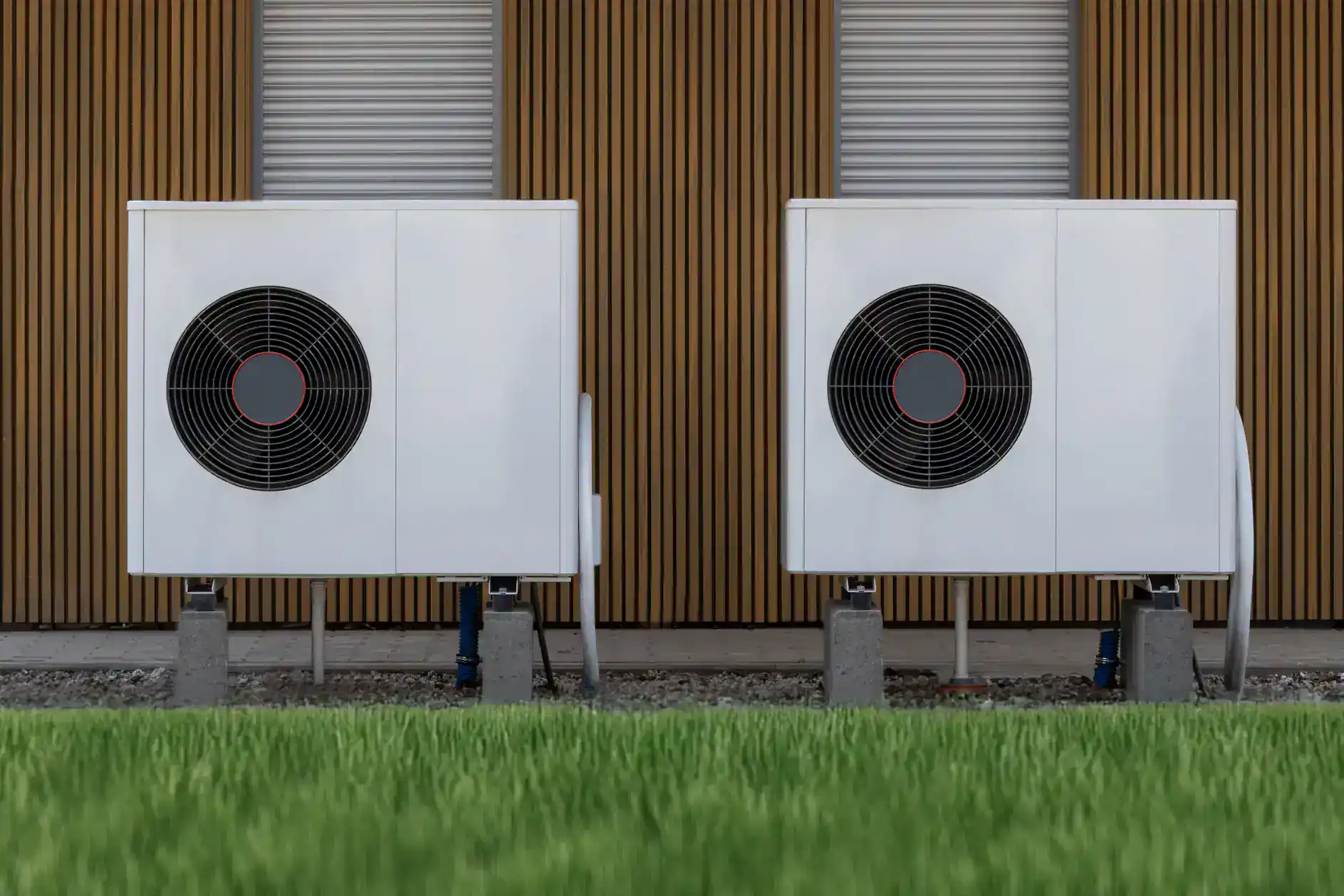
A heat pump doesn’t generate heat—it transfers it. That’s why it uses less energy than a furnace or electric heater, even during those unpredictable Texas winter chills. You’re not burning fuel or maxing out resistance coils. You’re moving heat where it needs to go.
In summer, it works like your AC. In winter, it pulls warmth from outside air and brings it in. Sounds backwards, but modern heat pumps work efficiently even when it’s cold—well below what Randolph AFB typically sees.
Most homes near the base get their heat pump system installation done in one working day. If your ductwork’s in decent shape and your electrical panel can handle the load, the process is straightforward. You’re not tearing apart your house. You’re upgrading to something that does more with less.
We’re Texas Air Repair, based in San Antonio and veteran-owned. We’ve been doing HVAC work across San Antonio, Austin, and Houston for more than two decades. That includes a lot of installs around Randolph AFB—homes where military families need systems that work when it matters.
We’re not the cheapest option, and that’s intentional. Cheap installs often mean undersized units, sloppy ductwork connections, or skipped electrical upgrades. Those shortcuts show up later as high bills, short equipment life, and service calls you shouldn’t need.
Our techs are certified, licensed, and insured. We size systems correctly, check airflow, upgrade panels when needed, and make sure your heat pump servicing starts on solid ground. You’re not getting a sales pitch. You’re getting a system that fits your home.
First, we look at your home. That means checking your existing ductwork, your electrical panel, and the layout. Heat pumps move air differently than older systems, so ducts sometimes need adjustments. Panels sometimes need upgrades because heat pumps pull different amperage than standard AC units.
Once we know what’s needed, we give you a clear quote. No surprises. If you need a sub-panel or duct sealing, we tell you upfront.
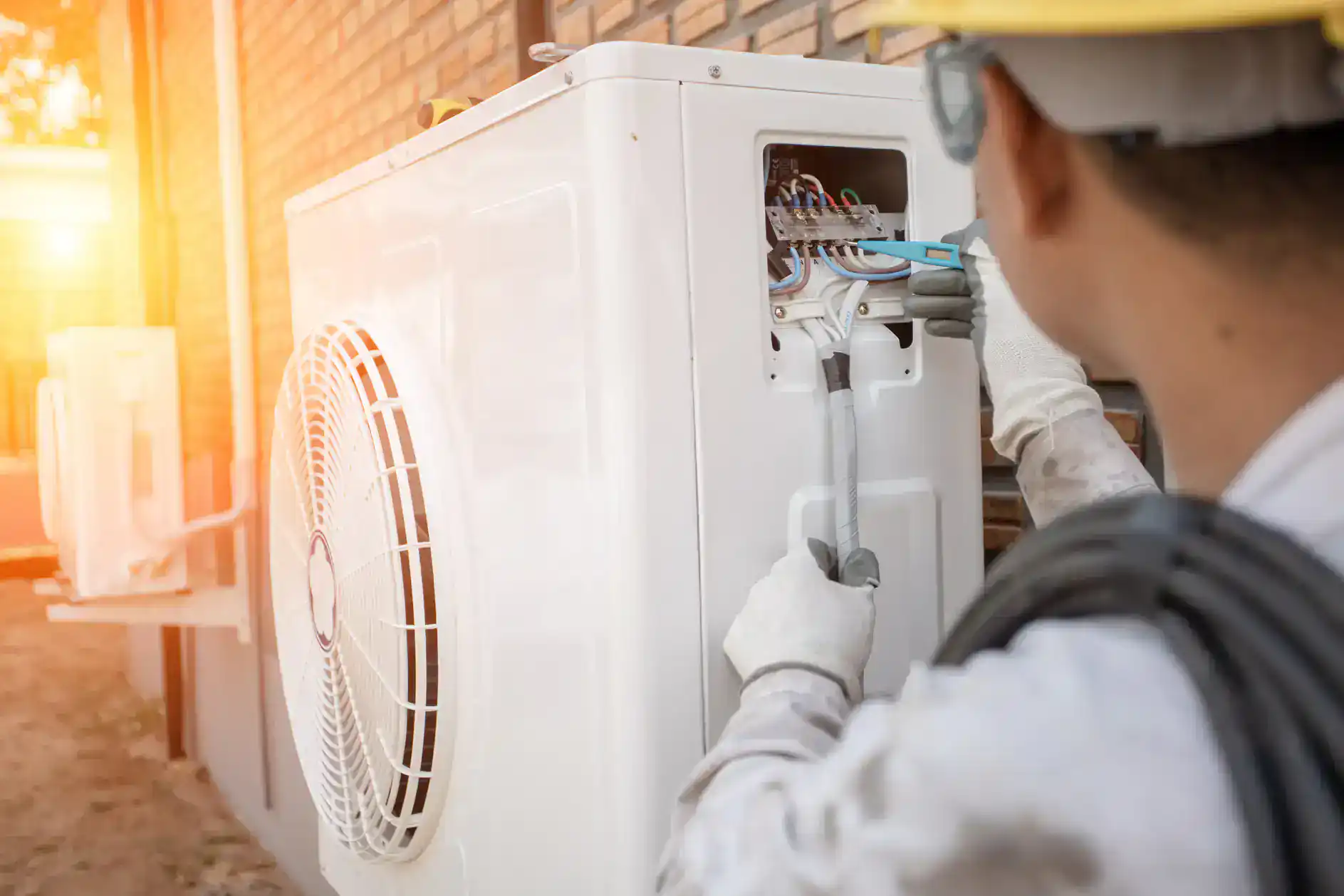
On install day, we pull the old system, set the new heat pump, connect refrigerant lines, wire everything to code, and test airflow. Most single-family homes near Randolph AFB are done in about one working day. Larger homes or homes with ductwork issues might take longer, but we’ll tell you that before we start.
After install, we walk you through the thermostat, explain how the system switches between heating and cooling, and answer any questions. Then we clean up and leave you with a system that’s ready to run.
Ready to get started?
Heat pump installation in Randolph AFB typically runs between $5,000 and $12,000 depending on your home size, the system you choose, and what else needs updating. That’s not a small number, but it’s also not just equipment. You’re paying for proper sizing, code-compliant electrical work, ductwork adjustments if needed, and a system that’ll last 15 to 20 years with basic maintenance.
Texas has more heat pumps installed than any other state—1.95 million homes. That’s because the climate here is ideal for them. Long, hot summers and mild winters mean heat pumps run efficiently most of the year. You’re not asking the system to do something it wasn’t built for.
Some utility companies in Texas offer rebates. CPS Energy offers $100 to $275 per ton depending on efficiency. Oncor offers $600 per unit. Those won’t cover the whole install, but they help. The federal tax credit for heat pumps expired at the end of 2025, so that’s no longer on the table for 2026 installs.
The bigger savings come monthly. Heat pumps use significantly less energy than furnaces or electric heat because they transfer heat instead of creating it. Over time, that adds up—especially if you’re replacing an older, inefficient system.
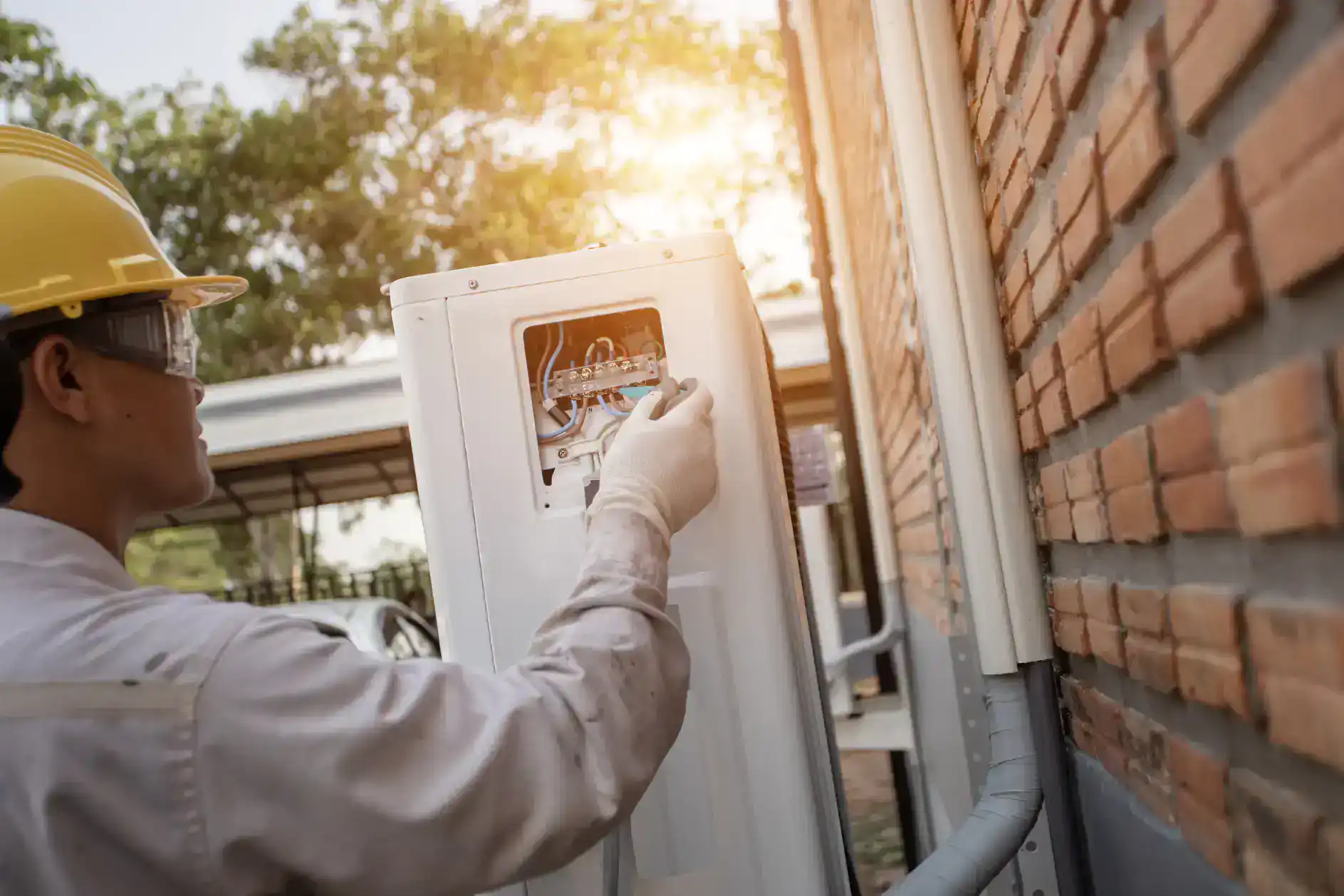
Most single-family homes near Randolph AFB get their heat pump installed in about one working day. That assumes your ductwork is in decent shape and your electrical panel can handle the new system without major upgrades.
If your ducts need sealing or modifications, or if we need to install a sub-panel to meet the heat pump’s electrical requirements, it might take an extra day. Older homes sometimes have ductwork designed for different airflow, and heat pumps are particular about that.
We’ll tell you the timeline upfront after we assess your home. No guessing. You’ll know what to expect before we start.
Yes. Modern heat pumps work efficiently in temperatures well below what Randolph AFB typically sees in winter. Even when it dips into the 30s or 40s, a properly sized heat pump pulls enough heat from the outside air to keep your home comfortable.
The concern people have usually comes from older heat pump models that struggled in cold weather. Today’s units are built differently. They use advanced refrigerants and variable-speed compressors that adjust to temperature changes.
That said, heat pumps do rely on electricity. If the power goes out during a winter storm, you’re without heat—same as you’d be with electric heating. A backup generator solves that, but it’s a separate investment.
Not always, but sometimes adjustments are needed. Heat pumps move air differently than traditional furnaces or AC units. They run longer cycles at lower speeds, which means airflow and duct sealing become more important.
If your ducts are leaking or undersized, you’ll lose efficiency. We check that during the assessment. Sometimes it’s a matter of sealing a few joints. Other times, sections need resizing or rerouting.
Homes built in the last 20 years usually have ductwork that works fine with a heat pump. Older homes are more of a mixed bag. We’ll let you know what’s needed after we take a look.
Heat pumps pull different amperage than older AC units, especially if you’re upgrading to a higher-efficiency model. If your panel doesn’t have the capacity, we install a sub-panel to handle the load safely.
This isn’t uncommon, especially in older homes around Randolph AFB. Electrical codes have changed over the years, and panels that worked fine for a 1990s AC unit might not cut it for a modern heat pump.
The sub-panel install adds to the upfront cost, but it’s not optional. Running a heat pump on an undersized panel creates safety risks and can trip breakers constantly. We handle the electrical work to code, pull permits if needed, and make sure everything’s wired correctly.
That depends on what you’re replacing. If you’re coming from an older furnace and a separate AC, you’ll likely see a noticeable drop in your monthly bills—sometimes 30% to 40% depending on how inefficient the old system was.
Heat pumps transfer heat instead of generating it, which takes less energy. They’re rated by SEER for cooling and HSPF for heating. The higher those numbers, the more efficient the system. A 16 SEER heat pump uses less electricity than a 13 SEER unit doing the same job.
Your actual savings also depend on how you use the system, how well your home is insulated, and how extreme the weather gets. But in general, heat pumps cost less to run than electric resistance heat or gas furnaces—especially in a climate like Randolph AFB where winters are mild and summers are long.
Less than you’d think. Heat pumps generally need less maintenance than separate furnace and AC systems because there are fewer moving parts and no combustion involved. But they’re not maintenance-free.
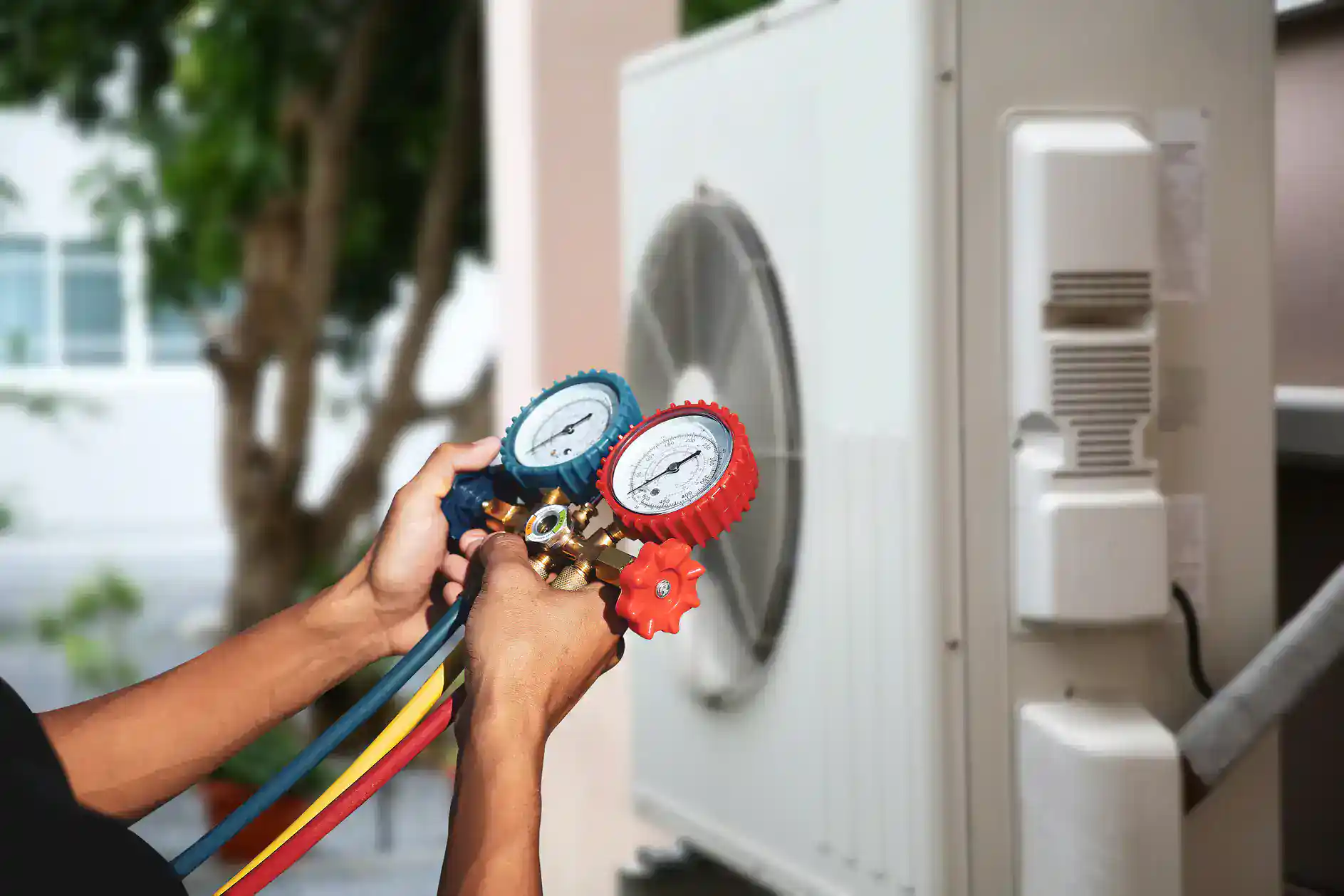
You should change the filter every one to three months depending on usage. Dirty filters restrict airflow, which makes the system work harder and use more energy. Once a year, have a tech check refrigerant levels, clean the coils, inspect electrical connections, and test the defrost cycle.
Heat pumps run year-round, so they accumulate wear differently than systems that only run part of the year. Catching small issues early—like a refrigerant leak or a failing capacitor—keeps the system running longer and prevents bigger repairs down the road. With proper care, a heat pump in Randolph AFB can last 15 to 20 years.
Other Services we provide in Randolph Afb
 Call Now