
You’ll notice the difference in your first utility bill. Properly installed ductwork can cut your cooling costs by 20-30% because air actually reaches the rooms it’s supposed to reach instead of leaking into your attic or walls.
Your home stays the same temperature in every room. No more cold bedrooms while your living room bakes, no more running the AC constantly just to feel comfortable in one part of the house.
The air you breathe gets cleaner. New ductwork eliminates years of accumulated dust, mold spores, and allergens that have been circulating through your home. In Schertz’s humid climate where moisture levels hit 70%+ during summer, that matters more than most people realize. Old ducts become breeding grounds for mold and bacteria, and your HVAC system just keeps pushing that through your house.
Your system stops working so hard. When ducts leak or restrict airflow, your AC runs longer cycles trying to hit the temperature you set. That wears out components faster and leads to breakdowns during the worst possible time—middle of a Texas summer.
We’ve spent over 20 years installing ductwork across San Antonio, and we’ve seen what happens when it’s done wrong. We’re -owned, which means we show up when we say we will and we don’t leave until the job’s done right.
Our team holds proper Texas Department of Licensing and Regulation credentials. That’s not just paperwork—it means every installer knows building codes, understands airflow dynamics, and can size your system correctly the first time.
We’ve worked in enough Schertz homes to know what this area needs. The humidity here isn’t the same as Austin or Houston. The way homes are built in this part of Guadalupe County affects how we approach installation. Those details matter when you’re trying to keep a home comfortable for the next 20-30 years.
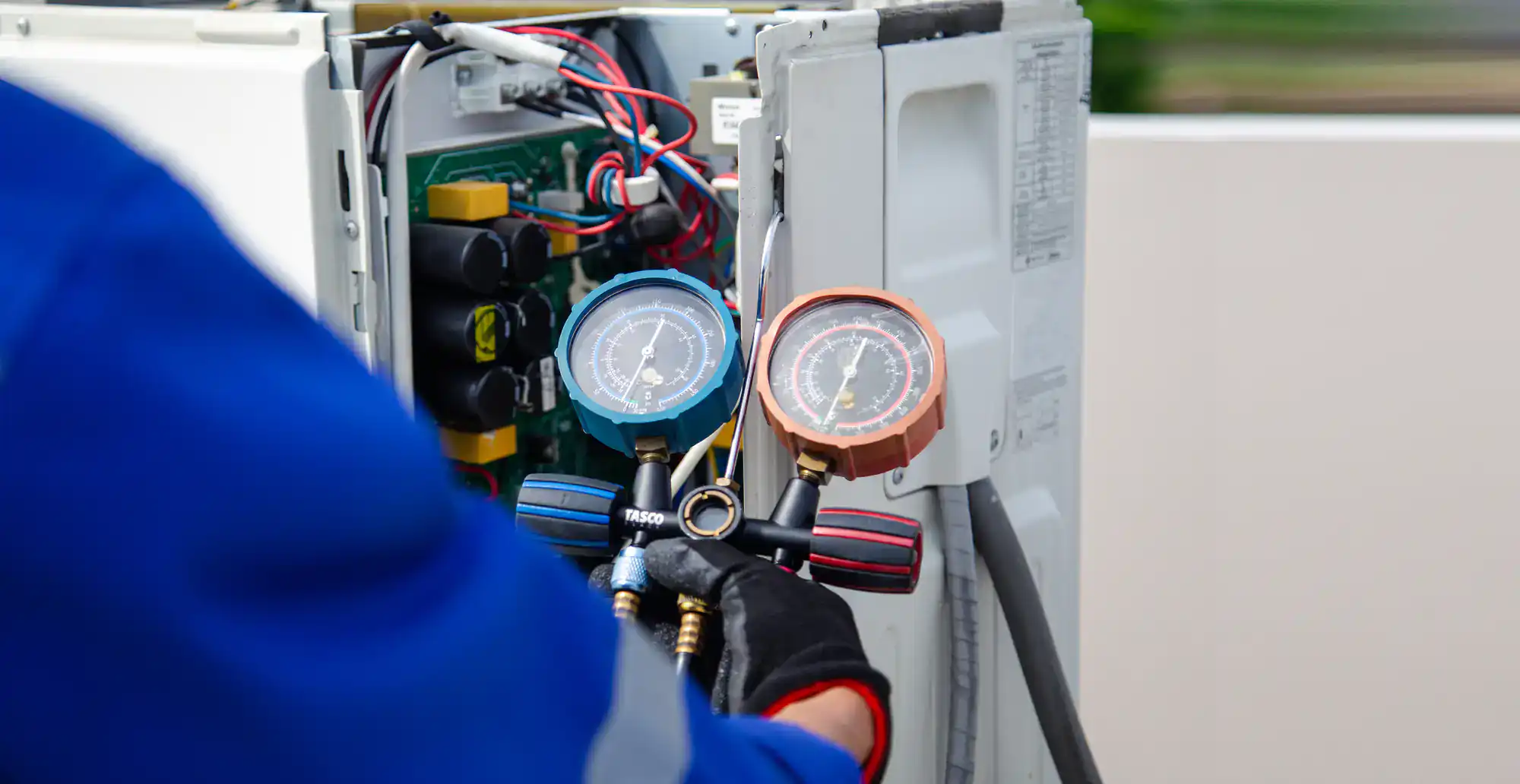
We start with an assessment of your current system. That means checking your existing ductwork for leaks, measuring airflow, and figuring out if your ducts are even the right size for your HVAC system. A lot of homes have undersized ducts that were never going to work properly.
Next comes the actual installation. We remove old ductwork carefully to avoid spreading decades of dust throughout your house. Then we install new ducts using proper sealing techniques and insulation rated for Texas heat. Every joint gets sealed, every connection gets tested.
We calculate the right duct size for each room based on square footage, ceiling height, and how many windows you have. A bedroom facing west needs different airflow than a north-facing room. We account for that.
After installation, we test the entire system. We measure airflow at every vent, check for pressure imbalances, and make sure your HVAC system is running at the efficiency it’s supposed to. Then we show you the numbers so you can see exactly what you’re getting.
Ready to get started?
You get a complete duct system designed for your specific home. That includes properly sized supply ducts that deliver conditioned air to each room and return ducts that pull air back to your system. Both matter equally.
We use sheet metal ductwork for main trunk lines because it lasts 30-50 years and doesn’t sag or develop holes like flex duct. Branch lines get insulated flex duct where appropriate, but we don’t cut corners by using flex everywhere just because it’s faster to install.
Every installation includes proper sealing with mastic or metal tape—not the cloth “duct tape” that actually fails on ducts. We insulate ducts that run through unconditioned spaces like attics, which in Schertz means most of them. Attic temperatures here hit 140-150°F in summer. Without insulation, you’re cooling your attic instead of your house.
You also get a system that qualifies for federal tax credits if you’re upgrading to energy-efficient equipment at the same time. Those credits offer up to $3,200 through the end of 2025, which covers a significant portion of installation costs.
We handle all the details that separate professional installation from amateur work. That means proper slope so condensation drains correctly, adequate clearances around equipment, and ductwork that doesn’t create noise when air moves through it.
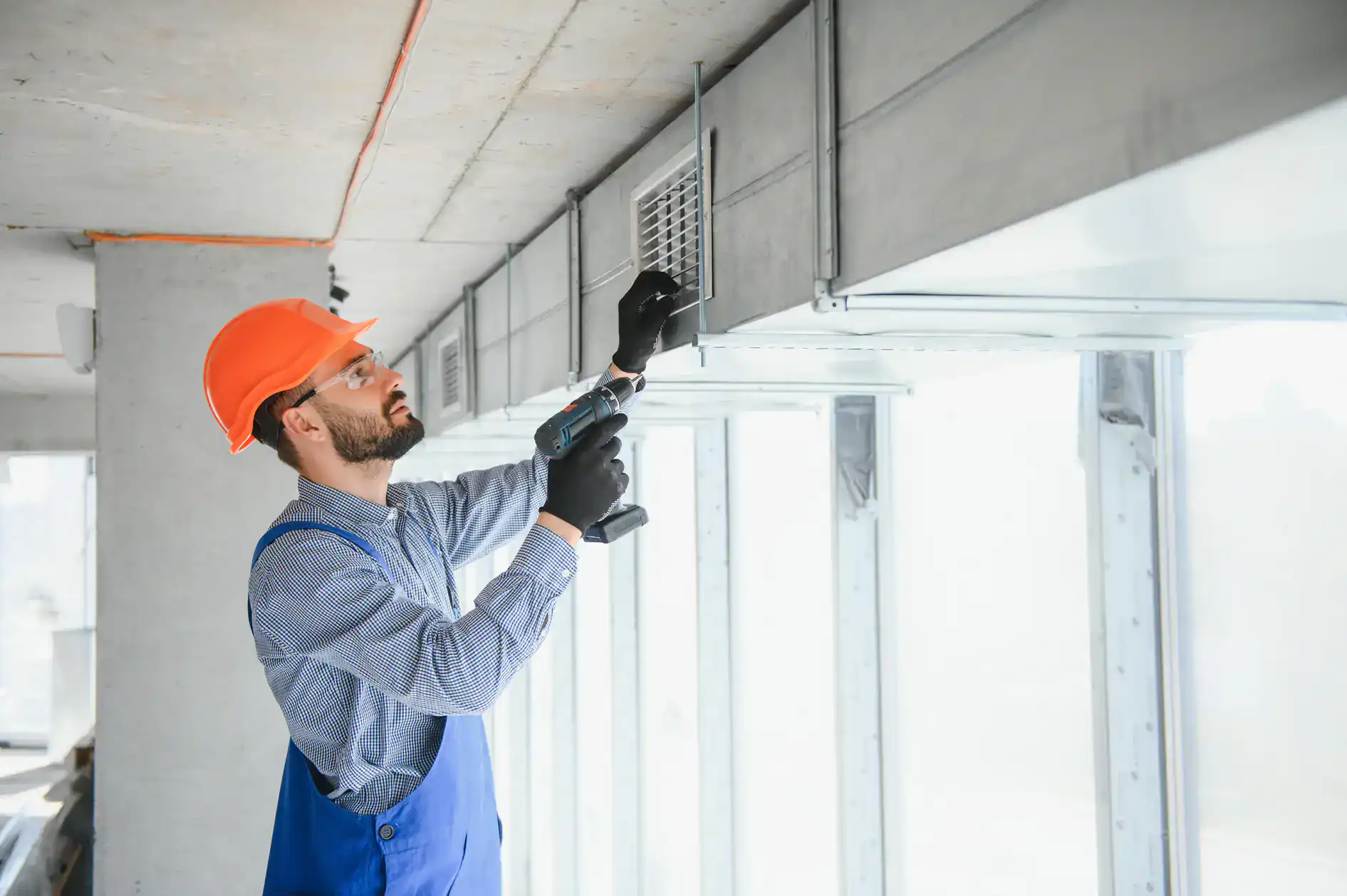
Most complete duct installations in Schertz run between $3,500 and $6,500 depending on your home’s size and layout. A 1,500 square foot home with a straightforward layout sits at the lower end. Larger homes or those with complex layouts, multiple stories, or difficult attic access cost more.
The price includes removing old ductwork, installing new supply and return ducts, proper sealing and insulation, and testing the complete system. Some companies quote lower by using cheaper materials or skipping steps like proper insulation. That costs you more long-term through higher energy bills and shorter duct lifespan.
If you’re replacing ductwork as part of a full HVAC system upgrade, you might qualify for federal tax credits that reduce your out-of-pocket cost by up to $3,200. We’ll help you figure out if your project qualifies and what documentation you need for your taxes.
Sheet metal ductwork lasts 30-50 years when installed correctly. Flex duct typically lasts 15-25 years. The difference comes down to material durability and how well the installation handles Texas temperature extremes.
Schertz attics reach 140-150°F during summer. That constant heat breaks down flex duct insulation and can cause connections to fail if they weren’t sealed properly. Sheet metal handles heat better but costs more upfront. Most professional installations use sheet metal for main trunk lines and quality flex duct for branch runs—that combination balances cost and longevity.
The bigger factor is installation quality. Properly sealed and insulated ducts last their full lifespan. Ducts installed by someone who doesn’t understand building codes or takes shortcuts might need replacement in 10-15 years. The upfront cost difference isn’t worth the headache of replacing everything again in a decade.
Yes, if your current ducts are leaking or poorly designed. Most homes with original ductwork lose 20-30% of conditioned air before it reaches living spaces. That’s air you paid to cool just disappearing into your attic or walls.
New ductwork eliminates those leaks and ensures proper airflow to every room. Most Schertz homeowners see their cooling costs drop by $150-300 per summer after installation. Over a 15-year period, that’s $2,250-4,500 in savings—enough to cover a significant portion of installation costs.
The savings come from efficiency. Your AC doesn’t run as long when air actually reaches its destination. Your system maintains set temperatures without constant cycling. And properly sized ducts mean your equipment operates at its designed efficiency instead of working against restrictions.
You’ll also see fewer repair bills because your HVAC system isn’t overworking to compensate for duct problems. Equipment lasts longer when it’s not constantly straining.
Technically possible, but not recommended. Air duct installation requires understanding airflow calculations, building codes, and proper sizing that most homeowners don’t have. Mistakes cost more to fix than hiring professionals upfront.
Undersized ducts restrict airflow and make your system work harder. Oversized ducts reduce air velocity and create temperature imbalances. Both problems require tearing out ductwork and starting over. We’ve replaced plenty of DIY installations where homeowners spent thousands on materials only to need professional help anyway.
Texas building codes have specific requirements for duct installation, especially regarding fire safety and energy efficiency. Work that doesn’t meet code can cause problems when you sell your home or file an insurance claim. Professional installers carry liability insurance that protects you if something goes wrong.
The specialized tools alone—duct sizing calculators, airflow meters, proper cutting and sealing equipment—cost more than most people want to invest for a one-time project. And installation mistakes can void your HVAC warranty if improper ductwork causes system damage.
Your energy bills tell part of the story. If cooling costs have climbed steadily over the past few years without explanation, your ducts are likely leaking. Sudden spikes of 20-30% compared to previous summers usually mean significant duct problems.
Temperature consistency is another indicator. If some rooms never get comfortable no matter how low you set the thermostat, your ductwork isn’t distributing air properly. That could be leaks, poor design, or ducts that have separated at connections.
Check your duct age. Most ductwork installed before 2000 doesn’t meet current efficiency standards and has probably developed leaks by now. If your ducts are 20+ years old and you’re experiencing comfort or cost issues, replacement makes more sense than patching problems.
Visible damage matters too. If you can see disconnected ducts, crushed flex duct, or obvious holes in your attic, those are clear signs. Mold growth around vents or musty smells when your AC runs means moisture is getting into your ductwork—common in Schertz’s humid climate and usually indicates replacement time.
We can assess your system and give you an honest answer about repair versus replacement. Sometimes targeted repairs work fine. Other times you’re just delaying the inevitable while wasting money on energy bills.
Sheet metal ducts are rigid, durable, and last 30-50 years. They handle high air pressure better and maintain consistent airflow because they don’t sag or compress. The downside is higher material cost and longer installation time.
Flex duct is lighter, faster to install, and costs less upfront. It works well for branch runs to individual rooms where you need to navigate around framing and obstacles. But it only lasts 15-25 years and can develop problems if it’s compressed, kinked, or not properly supported.
Most professional installations use both. Sheet metal for main trunk lines that carry high volumes of air, and quality flex duct for branches. That combination gives you durability where it matters most while keeping costs reasonable.
The installation quality matters more than material choice in many cases. Poorly installed sheet metal with unsealed joints performs worse than properly installed flex duct. But given equal installation quality, sheet metal wins for longevity and performance.
In Schertz attics where summer temperatures hit 150°F, we typically recommend sheet metal for any ductwork that runs long distances through unconditioned space. The heat breaks down flex duct insulation faster here than in milder climates.
Other Services we provide in Schertz
 Call Now