Your energy bill drops the month after we clean your ducts. Not by a little—by 10 to 20 percent in most commercial buildings. That happens because your HVAC system stops fighting through layers of dust just to push air through your facility.
Your employees notice the difference too. Fewer headaches, less sneezing, better focus. When people aren’t breathing recycled dust and allergens all day, they work better and call in sick less often.
Your equipment runs quieter and breaks down less. Commercial HVAC systems cost serious money to replace—we’re talking six figures for most buildings. When your system doesn’t have to strain against clogged ducts, it lasts three to five years longer. That’s real money staying in your budget instead of going to emergency repairs or early replacement.
We’ve been handling commercial HVAC work across Schertz, TX and the greater San Antonio area for more than two decades. We’re veteran-owned, which means we show up on time, do what we say we’ll do, and don’t waste your time with runaround.
We know what Texas buildings deal with. Dust storms that coat everything. Humidity that breeds mold in ductwork. Long cooling seasons that run your system into the ground if it’s not maintained right.
You’re not getting a national chain that sends different techs every time. You’re getting a local team that understands Schertz commercial properties and has the equipment to handle systems of any size—from small office buildings to large industrial facilities.
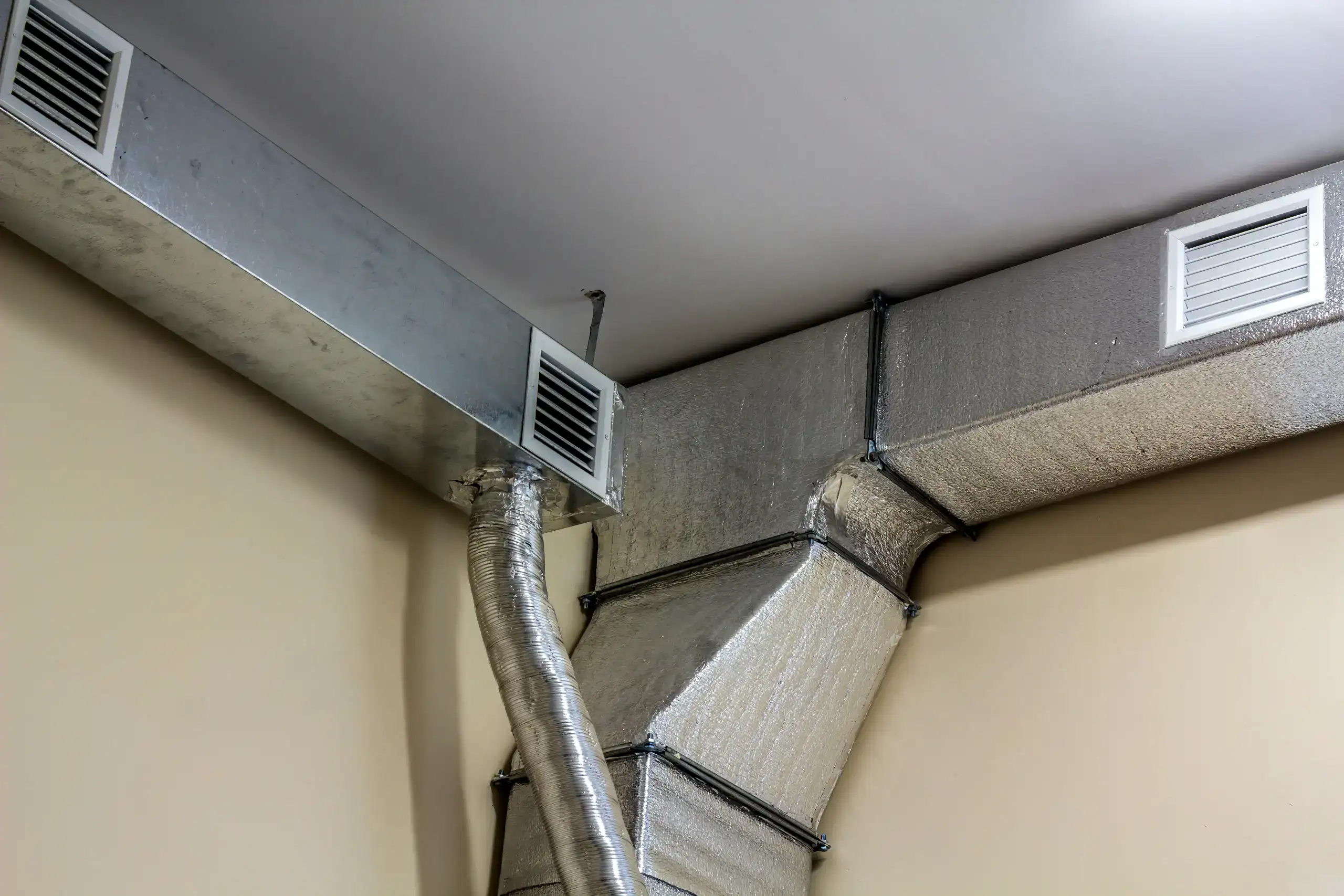
We start with a full system inspection using cameras to see what’s actually in your ductwork. You get to see it too—we’ll show you the footage so you know exactly what we’re dealing with. No surprises, no upselling based on problems that don’t exist.
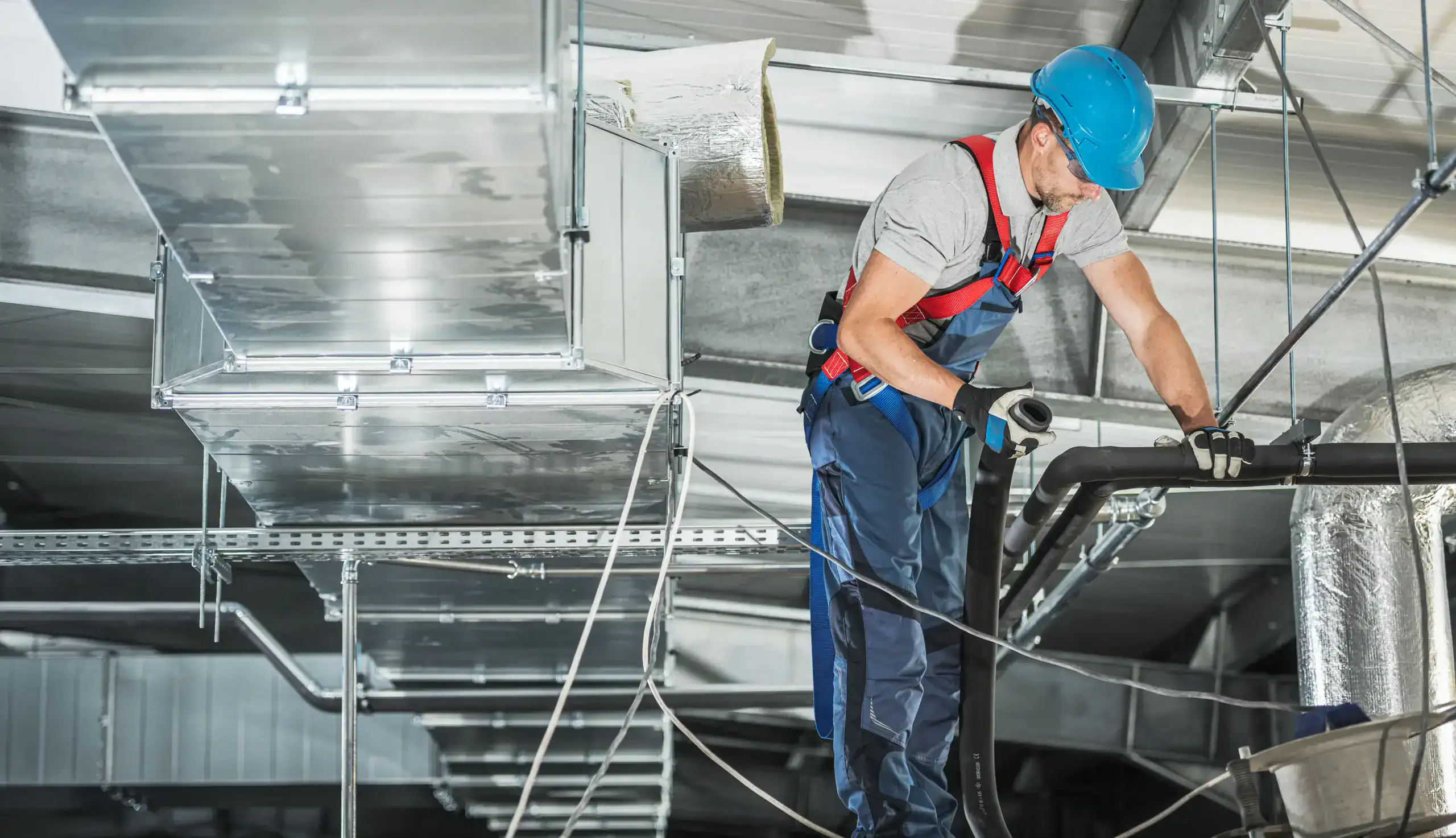
Next comes the actual cleaning. We use truck-mounted vacuums and specialized rotary brushes designed for commercial systems. These aren’t residential tools scaled up—they’re industrial equipment built to handle the volume and complexity of commercial ductwork. We create negative pressure in your system so contaminants get pulled out, not pushed deeper into your building.
We clean every accessible section of your duct system, including supply and return lines, registers, grilles, and diffusers. For hard-to-reach areas—and commercial buildings have plenty—we use compressed air tools and agitation devices that dislodge debris without damaging your ductwork. The whole process typically takes four to eight hours depending on your building size, and we work around your schedule so your business operations don’t stop.
Ready to get started?
You get a complete cleaning of your entire HVAC duct system—not just the easy-to-reach parts. That includes all supply and return ducts, main trunk lines, branch lines, registers, grilles, diffusers, and air handling unit components. We also inspect and clean your blower motor, evaporator coil, and drain pan because those areas collect the same contaminants that clog your ducts.
Schertz businesses deal with specific challenges. You’re close enough to San Antonio to get urban dust and pollution, but you also get the agricultural dust that blows in from surrounding areas. Your ductwork collects all of it. Add in Texas humidity, and you’ve got conditions that encourage mold growth inside your system. Our cleaning process addresses both the visible debris and the microbial contamination you can’t see.
We follow NADCA standards, which means we’re not just blowing air through your ducts and calling it clean. We’re using measured, methodical processes that actually remove contaminants instead of just stirring them up. After we finish, we can provide documentation of the work for your facility maintenance records or compliance requirements.
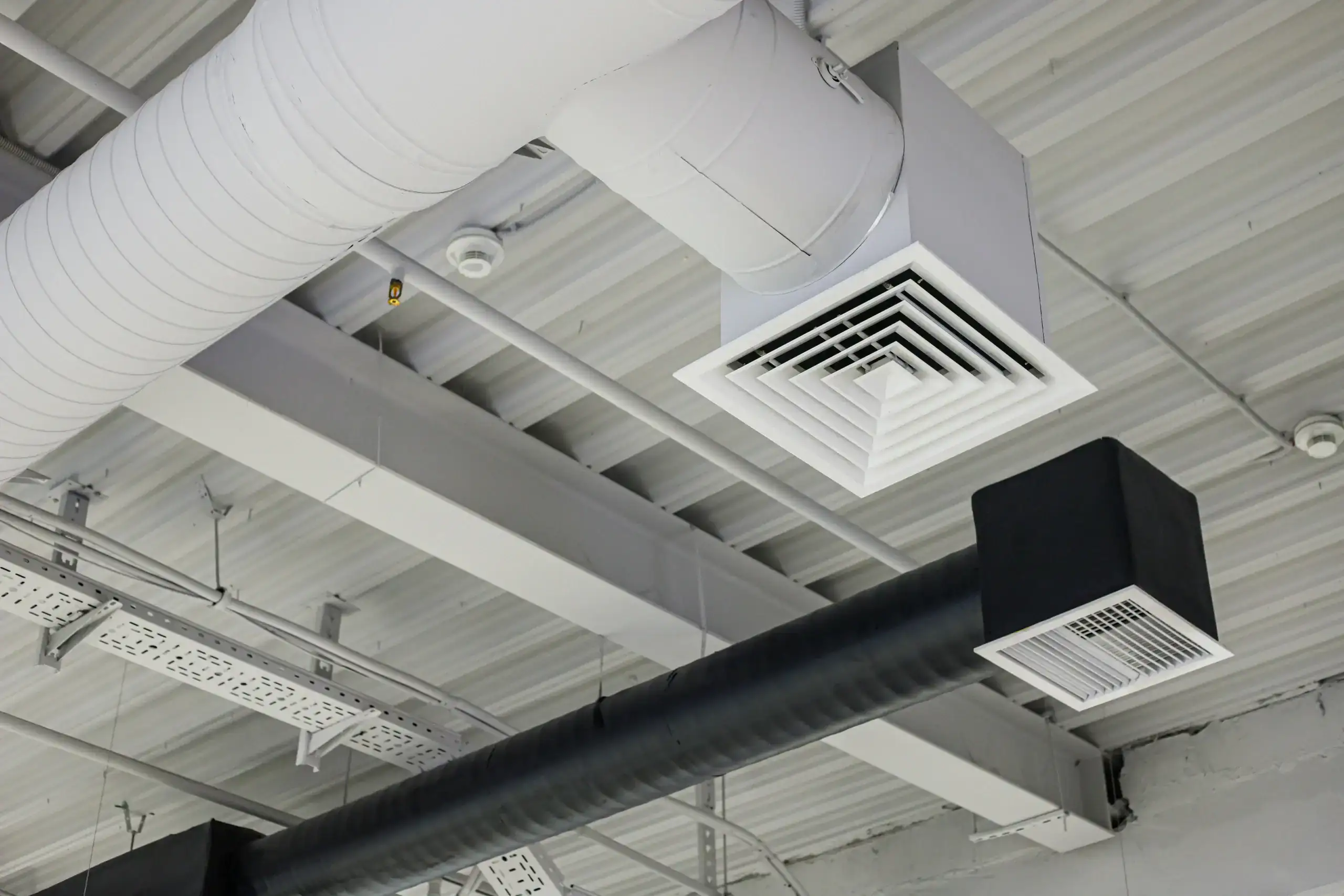
Most commercial buildings need duct cleaning every three to five years. That’s the general recommendation from NADCA and what we see working well for Schertz businesses. But your building might need it more often depending on a few factors.
If you’re in manufacturing or food service, you’re probably looking at every two to three years. Those environments generate more airborne particles that end up in your ductwork. Same goes if you’ve recently had construction or renovation work—drywall dust and construction debris get everywhere, including your HVAC system.
You’ll know you need cleaning sooner if you’re seeing dust buildup around vents, noticing musty odors when the system runs, or getting complaints about air quality from employees. Your energy bills climbing without explanation is another sign. When ducts get clogged enough to restrict airflow, your system has to work harder and your costs go up.
Yes, and you’ll see the difference in your first bill after service. Commercial buildings typically see energy cost reductions of 10 to 20 percent after a thorough duct cleaning. That happens because your HVAC system doesn’t have to work as hard to maintain temperature.
Here’s why it works. When your ducts are clogged with dust and debris, your system has to run longer and work harder to push the same amount of air through your building. Research shows that just a thin layer of dust can reduce HVAC efficiency by 21 percent. In a commercial building where heating and cooling account for nearly half your energy costs, that’s significant money.
The savings show up immediately because the problem gets fixed immediately. Your system can suddenly move air the way it was designed to. Airflow improves, temperature control gets more consistent, and your equipment doesn’t have to run at maximum capacity just to keep up. For most Schertz commercial properties, the service pays for itself within six to twelve months just from energy savings alone.
Look at your vents and registers. If you see dust buildup around the edges or on the grilles, that’s coming from inside your ductwork. Pull off a register cover and look inside with a flashlight—if you see visible debris or dust coating the interior surfaces, your ducts need attention.
Pay attention to what your employees are saying. If you’re hearing complaints about stuffiness, dust, or air quality, that’s not normal and it’s usually duct-related. Same with increased allergy symptoms or respiratory issues among staff. Your ductwork is supposed to distribute conditioned air, not recirculate contaminants.
Check your HVAC performance. Is your system running constantly but some areas of your building are still too hot or too cold? That’s often an airflow restriction problem caused by clogged ducts. Are your energy bills climbing even though your usage patterns haven’t changed? That’s your system working overtime to compensate for reduced efficiency. If you haven’t had your ducts cleaned in five years or more, or if you don’t know when they were last cleaned, it’s time to get them inspected.
The equipment, the scope, and the complexity are all different. Commercial systems are larger, more complex, and require industrial-grade equipment that most residential duct cleaners don’t have. You can’t clean a 10,000 square foot office building with the same tools you’d use on a house.
Commercial ductwork is more extensive and harder to access. You’ve got ducts running through drop ceilings, above inaccessible areas, and through spaces that require specialized tools to reach. Commercial systems also handle much higher air volumes, which means they need more powerful vacuum equipment and more thorough cleaning processes to actually remove contaminants instead of just moving them around.
The stakes are higher too. When a commercial system goes down, you’re affecting dozens or hundreds of people, not just one family. You might be dealing with regulatory compliance requirements that don’t apply to residential properties. And the cost of poor indoor air quality—in terms of employee productivity, sick days, and potential liability—is much more significant in a commercial setting. That’s why commercial duct cleaning needs to be done by technicians who understand commercial HVAC systems and have the right equipment for the job.
Yes. Both OSHA and EPA regulations require businesses to maintain their air-handling systems to control airborne contaminants. Regular duct cleaning is part of that maintenance requirement. If you’re ever inspected or audited, you’ll need documentation showing that you’re maintaining acceptable indoor air quality.
OSHA’s indoor air quality standards focus on protecting employee health. If your ductwork is distributing dust, mold, or other contaminants throughout your building, you’re potentially exposing employees to respiratory hazards. That’s a compliance issue. EPA guidelines are similar—they mandate routine HVAC maintenance to mitigate indoor air pollutants.
We provide documentation of all work performed, including before and after inspection reports. That gives you records for your facility maintenance files and proof of compliance if you need it. For Schertz businesses in regulated industries—healthcare, food service, manufacturing—this documentation isn’t optional. It’s part of maintaining your operating licenses and passing inspections. Clean ducts aren’t just about comfort and energy savings. They’re about meeting the legal requirements for maintaining a safe workplace.
Most commercial duct cleaning takes four to eight hours depending on your building size and system complexity. Larger facilities or buildings with multiple HVAC systems might take a full day or require multiple visits. We’ll give you an accurate time estimate after we see your system.
Your business doesn’t have to shut down. We work around your schedule and can perform the service during off-hours if that works better for your operations. The actual cleaning process is noisy—we’re using industrial vacuum equipment and power tools—but it’s contained to specific areas as we work through your system section by section.
You’ll want to let employees know we’re working because they’ll hear equipment noise and might see our team accessing ducts through ceiling panels or mechanical rooms. But your HVAC system stays operational throughout most of the process. We only need to shut it down for short periods while we’re working on specific components. For most Schertz businesses, the minor disruption is worth it when you see the immediate improvement in air quality and system performance.
Other Services we provide in Schertz
 Call Now