Your energy bills drop. The EPA documents that just .042 inches of dirt buildup reduces HVAC efficiency by 21%. When that layer gets cleaned off, your system stops working overtime to push air through clogged pathways.
Your employees stop complaining about headaches, stuffiness, and temperature swings. Poor indoor air quality costs American businesses $168 billion annually in lost productivity and sick days. Clean ducts mean cleaner air, which means people who can actually focus on their work.
Your HVAC system lasts longer. Seventy-five percent of system failures trace back to dirt and dust buildup. Regular professional cleaning in Cross Mountain, TX means fewer emergency repair calls, less downtime, and equipment that reaches its full lifespan instead of dying early from preventable strain.
We bring over 20 years of HVAC experience to commercial properties across Cross Mountain and the greater San Antonio area. We’re veteran-owned, which means we show up on time, work efficiently, and complete jobs without disrupting your operations.
Our technicians are NADCA-certified and trained in commercial-grade cleaning procedures. That matters because commercial duct cleaning is completely different from residential work. Your system spans thousands of square feet with ductwork that stretches throughout your entire building. It requires industrial equipment and specialized knowledge.
We’re available 24/7 for emergencies. When your HVAC system goes down during business hours, you lose money. We understand that, and we respond accordingly.
We start with a full system inspection using camera equipment that navigates your entire duct network. This isn’t a quick peek at the vents. We’re documenting the actual condition of your ductwork so you know what you’re dealing with before we start.
Next comes the cleaning itself. We use truck-mounted vacuums powerful enough to create negative pressure across massive commercial systems, combined with specialized brushes and tools designed for large-scale ductwork. We’re removing years of accumulated dust, debris, and contaminants that restrict airflow and harbor bacteria.
After cleaning, we can sanitize the system if needed and seal any leaks we discovered during inspection. Leaky ducts waste conditioned air before it ever reaches your spaces, which is why sealing often delivers immediate comfort improvements. You get a full report of what we found, what we did, and what (if anything) needs attention down the road.
Ready to get started?
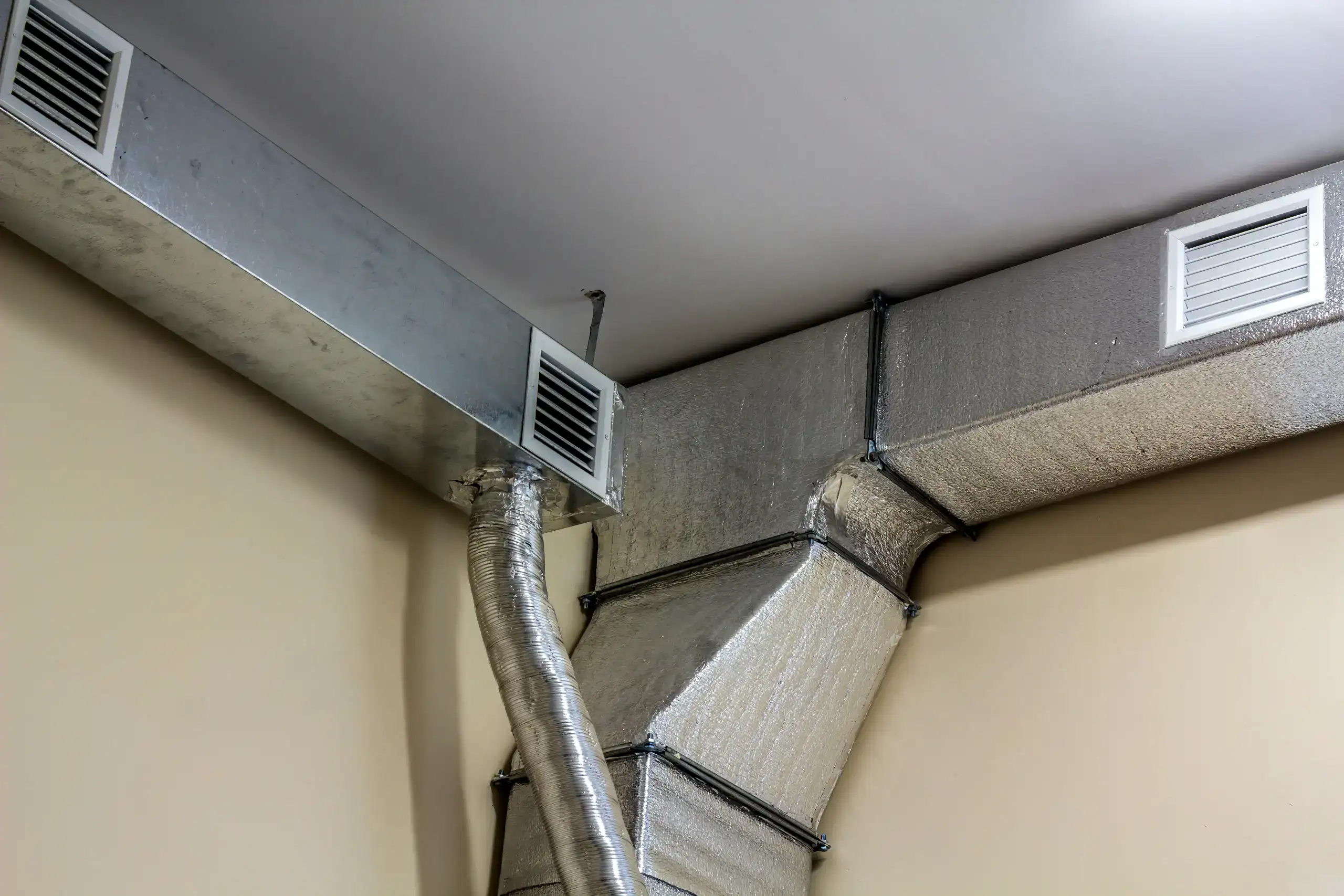
You get a complete inspection and cleaning of your entire HVAC system, not just the visible vents. That includes supply and return ducts, registers and grilles, diffusers, heating and cooling coils, drip pans, fan motors and housings, and the air handling unit itself.
For Cross Mountain commercial properties, this matters because your building likely houses multiple businesses or serves high-traffic customer areas. Restaurants need annual cleaning to handle grease and odor buildup. Retail spaces benefit from improved air quality that keeps customers comfortable. Office buildings see fewer employee complaints and better temperature consistency.
We’re honest about what you need and what you don’t. If your ducts are in decent shape and just need a light cleaning, we’ll tell you. If we find mold, excessive debris, or damaged ductwork that’s costing you money, we’ll show you exactly what’s happening and explain your options. No upselling, no pressure, just straight information so you can make the right call for your property.
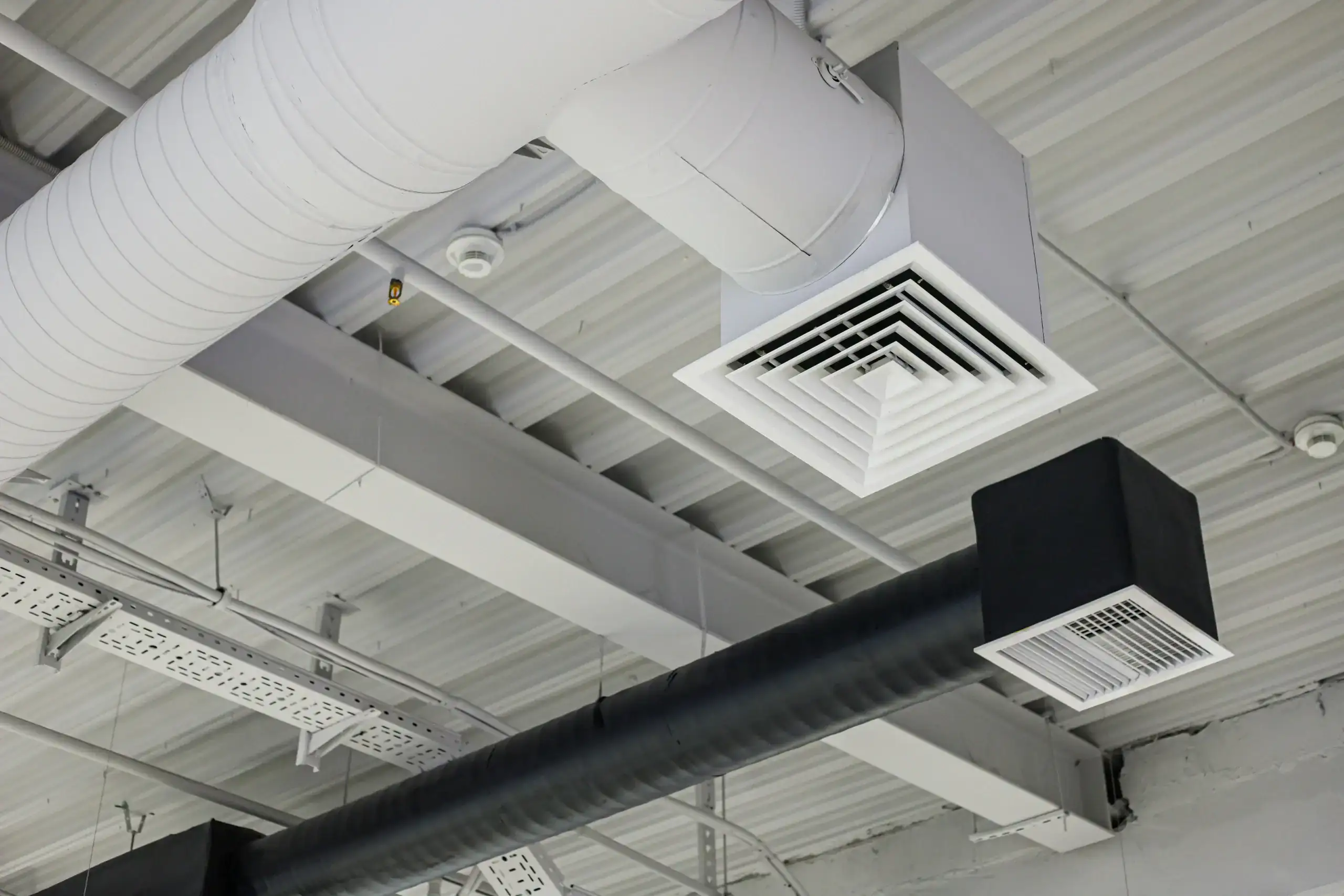
Most commercial properties benefit from professional duct cleaning every two to three years. That’s the baseline for standard office buildings with normal occupancy and usage patterns.
High-traffic businesses need it more often. Restaurants should schedule annual cleanings because cooking generates grease and odor particles that accumulate fast. Retail stores with constant foot traffic, healthcare facilities with strict air quality standards, and manufacturing spaces with dust or particulate exposure often need annual or even semi-annual service.
If you’re seeing visible dust around vents, noticing musty odors when the HVAC runs, getting temperature complaints from multiple zones, or watching your energy bills climb without explanation, don’t wait for the scheduled interval. Those are signs your system needs attention now, not later.
Energy savings alone typically deliver ROI within one to two years. Research from NADCA shows that even lightly contaminated systems achieve 11% energy savings after cleaning. Heavily fouled systems can see reductions of 15-30%, with some studies documenting fan and blower energy savings of 41-60%.
For a Cross Mountain commercial building spending $3,000 monthly on HVAC energy, a 15% reduction means $450 saved every month. That’s $5,400 annually. If the cleaning costs $2,000, you’re in the black before the end of year two, and you keep saving for years after.
Beyond energy, you’re avoiding emergency repairs that cost three to five times more than preventive maintenance. You’re reducing employee sick days and productivity losses. You’re extending the life of equipment that costs tens of thousands to replace. The financial case is strong even before you factor in regulatory compliance, liability protection, and customer experience improvements.
Look for NADCA certification first. The National Air Duct Cleaners Association sets the industry standards that commercial property managers and building codes reference. If a company’s technicians aren’t NADCA-certified, they’re not following the protocols that matter for commercial systems.
Ask about their equipment. Commercial cleaning requires truck-mounted vacuums with enough power to handle extensive ductwork, specialized brushes and tools designed for large commercial ducts, and inspection cameras that can navigate complex layouts. Residential equipment doesn’t cut it for commercial buildings.
Check their experience with commercial properties specifically. A company that mostly does houses might be great at residential work but completely unprepared for the scale and complexity of commercial systems. Ask how many commercial buildings they’ve serviced in Cross Mountain or the San Antonio area, what types of properties, and whether they can provide references from facility managers or property owners.
Not if it’s done right. Professional commercial duct cleaning in Cross Mountain happens in stages that minimize disruption. We can work around your schedule, including after-hours or weekend service if that works better for your business.
The actual cleaning process is noisy because of the industrial vacuums, but it’s contained. We’re not tearing apart your building or shutting down your entire HVAC system for days. Most commercial cleanings take one to three days depending on building size, and we can often work zone by zone so parts of your facility stay operational.
We communicate clearly about what’s happening and when. If we need to shut down HVAC to specific areas temporarily, you’ll know in advance so you can plan accordingly. The goal is to improve your building’s performance without creating problems in the process.
Scale and complexity. Commercial systems are exponentially larger, often spanning tens of thousands of square feet with ductwork that stretches for miles throughout a building. A typical house might have 150 feet of ductwork. A commercial building can have thousands.
Equipment requirements are completely different. Residential duct cleaning uses portable vacuums and hand tools. Commercial work demands truck-mounted systems powerful enough to create negative pressure across massive networks, plus specialized tools that can handle larger ducts and more complex configurations.
The stakes are higher. A residential system serves one family. A commercial system in Cross Mountain affects employees, customers, tenants, and your business reputation. Poor indoor air quality in a commercial building can trigger regulatory issues, liability claims, and significant financial losses. That’s why commercial cleaning follows stricter protocols and requires technicians who understand the difference between maintaining a home and maintaining a business facility.
Yes. The EPA names indoor air pollution as one of the five biggest environmental risks to public health. When ducts accumulate dust, mold, bacteria, and other contaminants, your HVAC system circulates those particles throughout your building every time it runs.
Sick building syndrome is real and measurable. Symptoms include headaches, dizziness, fatigue, eye and throat irritation, and respiratory issues. Up to 30% of new or remodeled buildings experience excessive complaints related to indoor air quality. When most people report relief soon after leaving the building, the building itself is the problem.
For Cross Mountain commercial properties, this translates to increased absenteeism, workers’ compensation claims, decreased productivity, and potential liability if employees or customers develop health issues traced to poor air quality. Professional duct cleaning removes the contaminant sources that cause these problems. It’s not a cure-all, but it’s a critical component of maintaining healthy indoor air in commercial spaces.
Other Services we provide in Cross Mountain
 Call Now