Your energy bills drop. Not by a little—by enough that you’ll notice it in the first month after we clean them. Research shows that even a thin layer of dust reduces HVAC efficiency by 21%, and in commercial buildings where heating and cooling account for nearly half your energy costs, that’s real money staying in your account instead of disappearing into the air.
Your employees stop complaining about being too hot, too cold, or feeling stuffy. Airflow improves by 10% to 46% compared to uncleaned systems, which means consistent temperatures throughout your building and fewer distractions from discomfort.
Your HVAC equipment lasts longer. What should be a 15-20 year system becomes a 10-year system without proper maintenance, and replacement costs for commercial equipment easily hit six figures. Clean ducts mean your system doesn’t strain to push air through clogged pathways, reducing wear on expensive components.
You meet regulatory requirements without scrambling. Both OSHA and EPA mandate routine maintenance of air-handling systems to mitigate airborne contaminants. Clean ducts mean you’re compliant, documented, and protected from fines or shutdowns.
We’ve been handling commercial HVAC systems across the San Antonio area for over 20 years. We’re veteran-owned, locally operated, and we’ve seen just about every type of commercial ductwork configuration that exists in Macdona and surrounding communities.
We know what Central Texas does to commercial buildings. Pollen and dust build up faster here than in most places, making HVAC systems work harder, consume more electricity, and wear out faster. We’ve cleaned ductwork in office buildings, warehouses, medical facilities, restaurants, and retail spaces throughout the region.
Our trucks are fully stocked, our technicians are certified, and we’re available 24/7 for emergencies. We don’t push unnecessary services or try to sell premature replacements. We tell you what your system actually needs, give you a clear estimate before we start, and complete most jobs on the first visit.
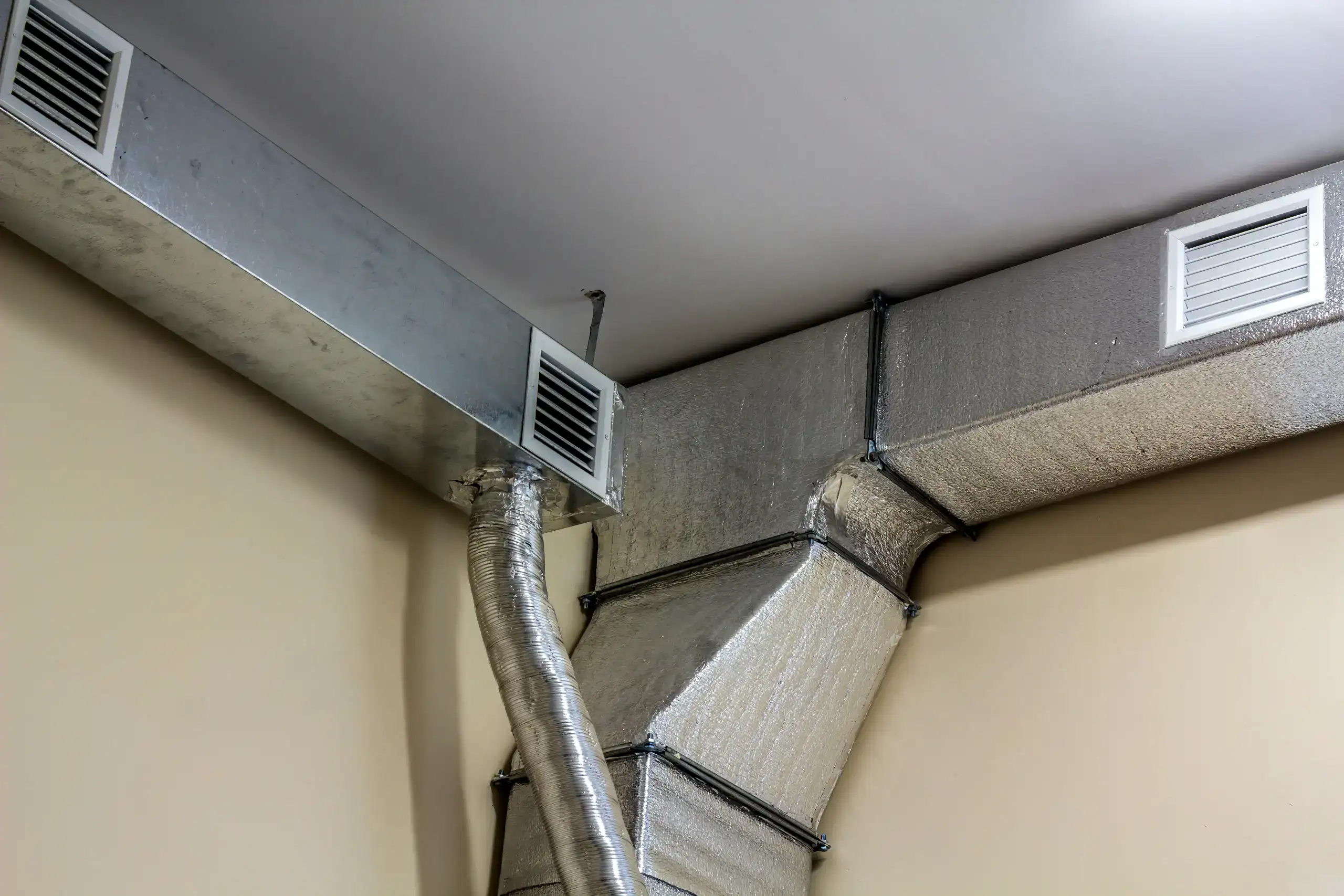
We start with an inspection of your entire HVAC system—not just the ducts you can see, but the full network including supply and return vents, registers, grilles, coils, and the air handling unit. We’re looking for buildup, blockages, damage, and anything that’s restricting airflow or contaminating your air supply.
Then we seal off sections of your ductwork and use high-powered vacuum equipment to create negative pressure. This contains the debris we’re about to dislodge and prevents it from spreading throughout your building. We use rotating brushes, compressed air tools, and specialized equipment to break loose years of accumulated dust, dirt, pollen, and debris from every surface inside your ducts.
Everything gets extracted through HEPA-filtered vacuums that capture particles down to 0.3 microns. We clean the cooling coils, re-heat coils, blower components, and air handling unit—not just the ductwork. Cleaning coils alone can increase airflow by as much as 75%.
After cleaning, we inspect again to verify everything’s clear, check for any damage that needs attention, and test airflow to confirm improvement. You get documentation of the work we completed, before-and-after comparisons, and recommendations for maintaining the results.
Ready to get started?
Complete system cleaning covers every component that touches your building’s air supply. That means all supply and return ducts, registers, grilles, diffusers, heat exchangers, cooling coils, condensate drain pans, fan motor and housing, and the air handling unit housing.
In Macdona’s commercial buildings, we typically find significant accumulation in return air ducts because that’s where dust, debris, and contaminants get pulled back into the system. We pay special attention to these areas because they have the biggest impact on indoor air quality and system efficiency.
Most commercial spaces should have ductwork cleaned every 12 to 24 months, especially high-traffic environments like retail stores, restaurants, or medical offices. Office buildings and warehouses can often go three to five years between cleanings, depending on usage and environmental factors.
We also check for and seal any leaks in your ductwork during the cleaning process. Leaky ducts waste conditioned air and force your system to work harder, which costs you money. Sealing leaks while we’re already in there makes sense and maximizes your return on investment.
The EPA reports that indoor air pollution levels can be two to five times higher than outdoor levels, with dirty ductwork being a major contributor. After we clean your system, you’ll notice the difference immediately—less dust on surfaces, fewer odors, and better overall air quality throughout your facility.
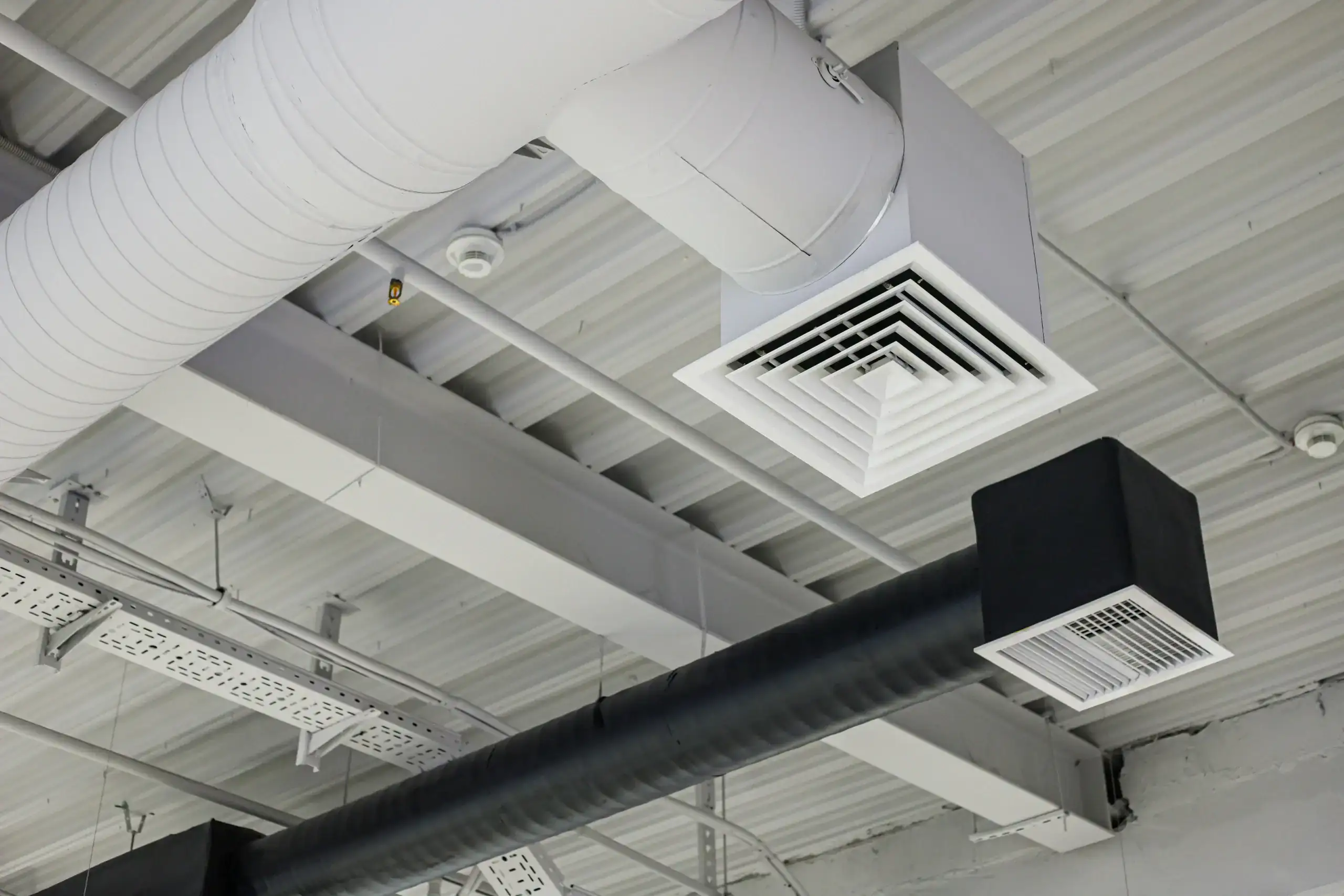
Commercial duct cleaning costs vary based on your building size, system complexity, and how long it’s been since the last cleaning. A small office building with a straightforward system might run a few hundred dollars, while a large facility with multiple rooftop units and extensive ductwork can cost several thousand.
The real question isn’t what it costs—it’s what you’re losing by not doing it. If your energy bills are running 21% higher than they should be because of dirty ducts, and you’re spending $5,000 a month on heating and cooling, that’s over $1,000 a month in waste. The cleaning pays for itself in a few months through energy savings alone.
We provide clear estimates before starting any work. We’ll inspect your system, tell you exactly what needs to be done, and give you a firm price. No surprises, no upselling, no pressure.
Most commercial duct cleaning jobs take anywhere from four hours to a full day, depending on the size of your building and the complexity of your HVAC system. A small office with one or two units might be done in half a day. A large warehouse or multi-story building with multiple systems could take a full day or more.
We work around your schedule. If you need us to come in after hours or on weekends to avoid disrupting your business operations, we can do that. Many of our commercial clients prefer evening or weekend service so their employees and customers aren’t affected.
We’ll give you a time estimate during the initial inspection so you know exactly what to expect. We show up when we say we will, work efficiently, and clean up completely when we’re done.
We minimize disruption as much as possible. The actual cleaning process does require access to vents, registers, and your HVAC equipment, but we work section by section so most of your building remains operational.
You’ll hear equipment running—our vacuum systems and cleaning tools aren’t silent—but we contain the work area and keep debris from spreading. Your employees can keep working in most areas of the building while we’re cleaning other sections.
For businesses that can’t afford any disruption during operating hours, we offer after-hours and weekend service. We’ve cleaned restaurants overnight, medical facilities on weekends, and office buildings during holidays. We adapt to your needs because we understand that downtime costs you money.
High-traffic commercial spaces—restaurants, retail stores, medical facilities, gyms—should have ductwork cleaned every 12 to 24 months. These environments generate more dust, debris, and contaminants that get pulled into the HVAC system.
Standard office buildings and warehouses can typically go three to five years between cleanings, assuming normal usage and no special circumstances. If you’ve had construction or renovation work done, you should clean ducts immediately after because construction dust is particularly damaging to HVAC systems.
You’ll know it’s time for cleaning if you notice dust accumulating faster than usual on surfaces, musty odors when the system runs, visible debris around vents, or employees complaining about allergies or respiratory issues. Rising energy bills without explanation are another red flag.
Central Texas conditions—high pollen counts, dust, humidity—mean commercial buildings here often need more frequent cleaning than the national average. We’ve seen systems in Macdona that looked fine on the outside but had years of buildup restricting airflow by 30% or more.
Rising energy costs are usually the first sign. If your heating and cooling bills have been creeping up without a corresponding increase in usage or rate changes, dirty ducts are often the culprit.
Visible dust and debris around vents and registers means there’s much more buildup inside the ductwork. If you’re dusting surfaces more frequently or noticing a film on desks and equipment, your HVAC system is circulating contaminated air.
Uneven temperatures throughout the building indicate restricted airflow. When some areas are too hot while others are too cold, it’s often because ducts are clogged and air isn’t distributing properly.
Employee complaints about stuffiness, odors, or worsening allergies point to poor indoor air quality. The American College of Allergists reports that 50% of illnesses are either caused or aggravated by polluted indoor air, and dirty ductwork is a major contributor.
Yes. We offer 24/7 emergency service and typically respond to commercial HVAC emergencies in Macdona within a few hours.
Emergency situations include sudden system failures where contamination is suspected, water damage that’s affected ductwork, fire or smoke damage, or discovery of mold or pest infestations in ducts. We’ve also handled emergency cleanings for businesses facing regulatory inspections or health department visits.
Commercial HVAC problems don’t wait for convenient times. If your system goes down or you discover a serious contamination issue, every hour of delay costs you money in lost business, uncomfortable conditions for employees and customers, or potential regulatory penalties.
We keep trucks fully stocked and crews ready to respond. When you call with an emergency, you get a real person who can dispatch a team immediately—not an answering service or a callback the next business day.
Other Services we provide in Macdona
 Call Now