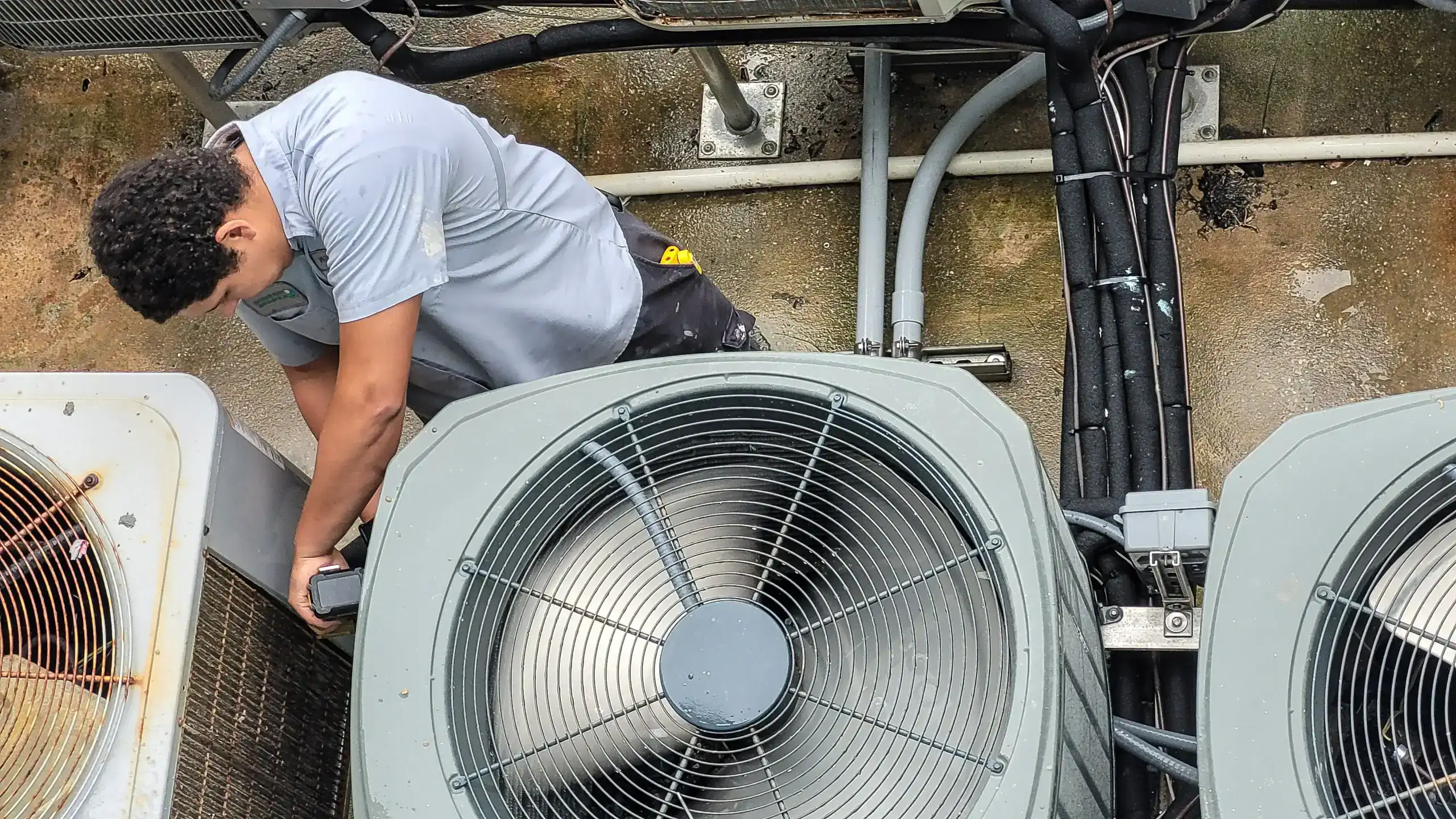
Your system runs all day during Texas summers. That’s months of nonstop work, and when something fails, you’re looking at uncomfortable customers, distracted employees, and lost revenue while you wait for emergency repairs.
Regular commercial HVAC maintenance in Sandy Oaks, TX changes that equation. You get 15 to 25 percent better energy efficiency compared to skipping service. You avoid 40 to 60 percent of emergency repairs that hit businesses without a maintenance plan. Your equipment lasts five-plus years longer when it’s cleaned, adjusted, and monitored before small issues become expensive failures.
Here’s what that looks like in real terms: lower monthly utility bills, fewer surprise repair costs, and the confidence that your system won’t quit during your busiest week. A single day of downtime can cost more than an entire year of scheduled maintenance, especially if you’re in retail, food service, or any business where temperature control affects your product or customer experience.
We’ve been handling commercial HVAC repair and maintenance in Sandy Oaks, TX and across the San Antonio area since day one. We’re veteran-owned, EPA certified since 1995, and we’ve spent over two decades learning exactly how Texas weather beats up commercial systems.
We know what Sandy Oaks businesses deal with. The humidity that rolls in from San Antonio. The dust that settles on coils during dry spells. The way rooftop units work overtime for months at a stretch. That’s why our maintenance approach accounts for how hard your equipment actually works in this climate, not just what the manual says.
Every technician we send is certified, licensed, and insured. We’re available 24/7 for emergencies, but our real goal is making sure you never need to call us at midnight because something failed that we should have caught during a scheduled visit.
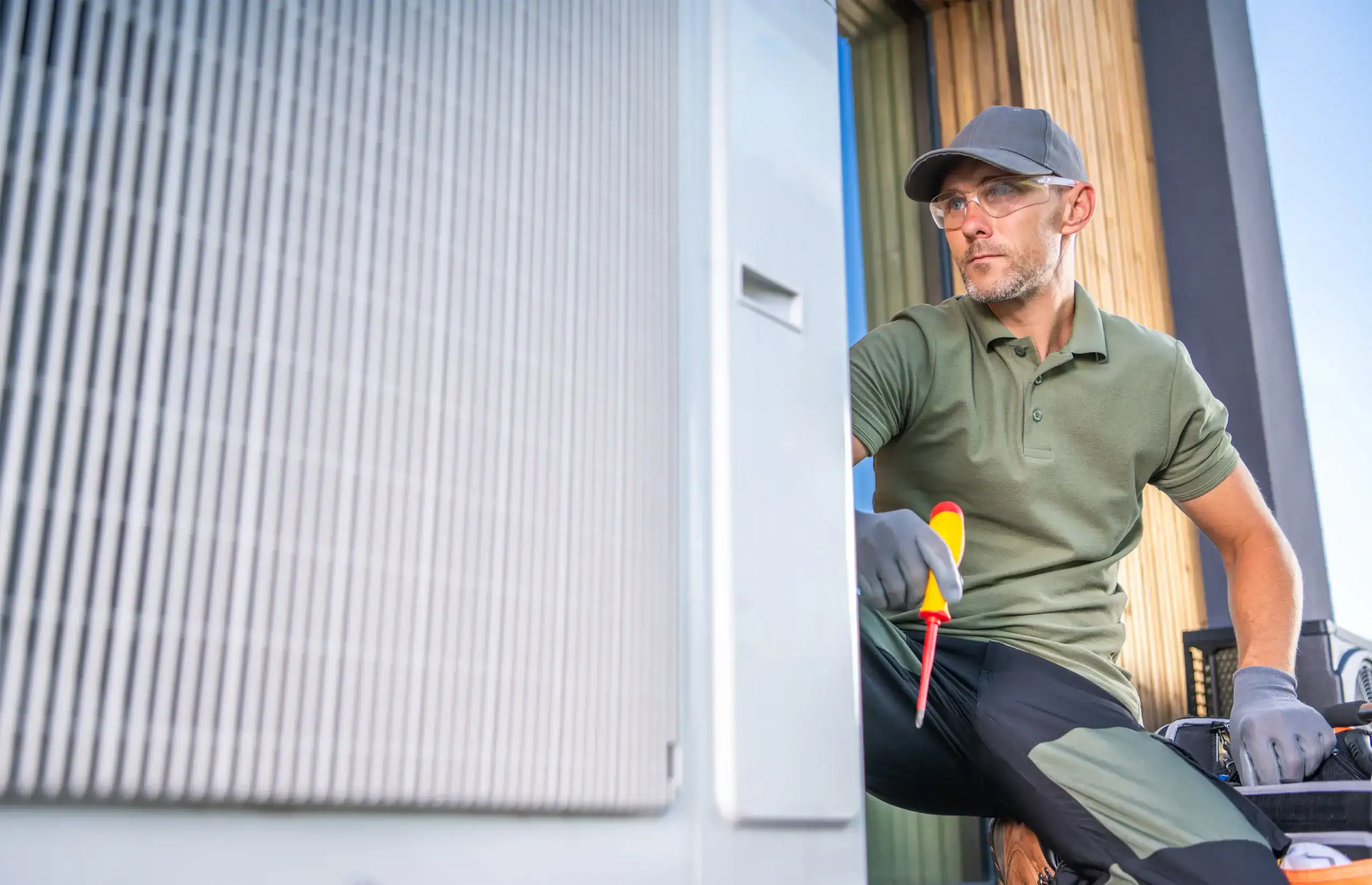
We start by inspecting components that residential systems don’t even have. Multiple thermostats, zone controls, larger coils, more complex ductwork, and commercial-grade parts that need different attention than home units.
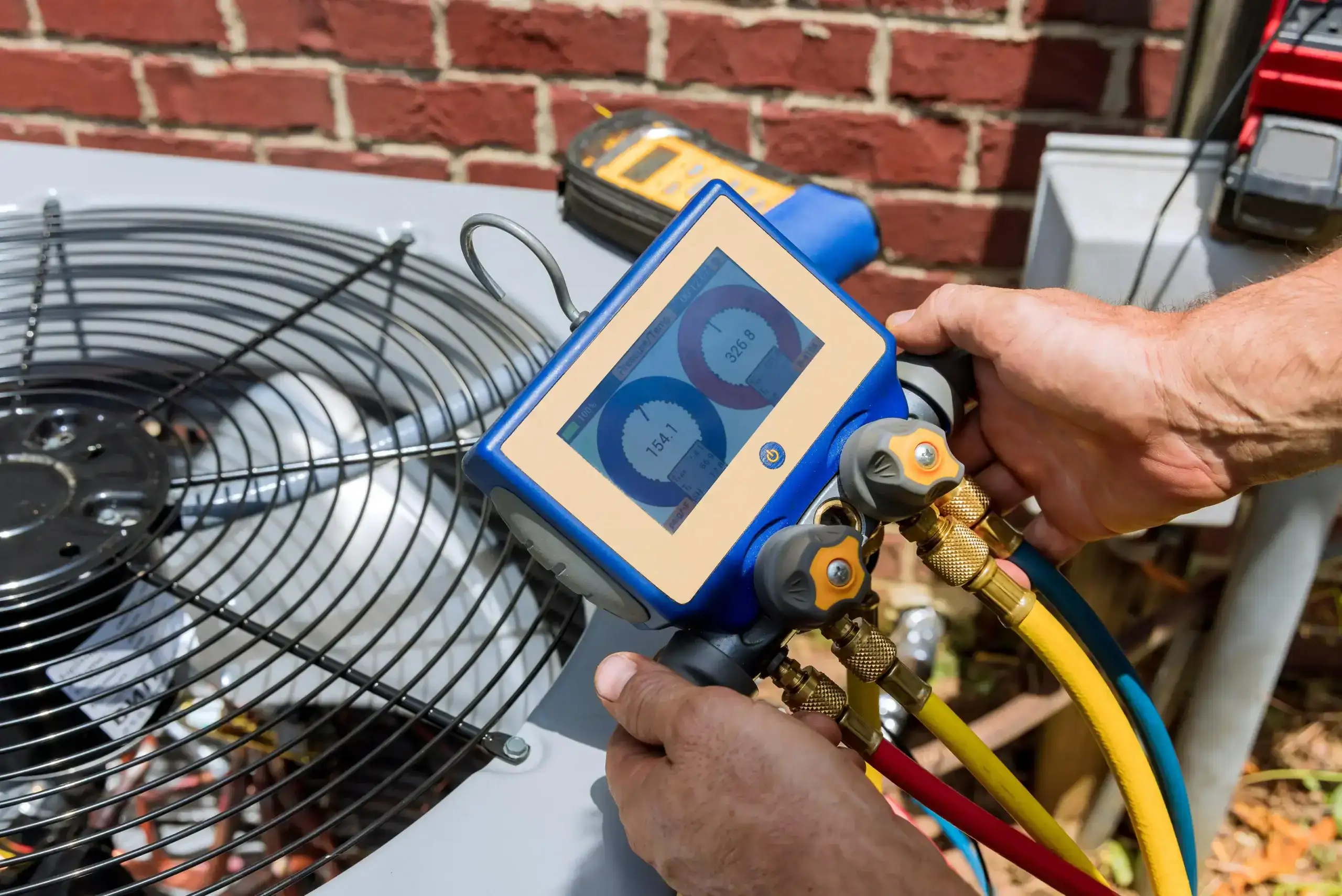
Your technician checks refrigerant levels, tests electrical connections, cleans or replaces filters, inspects belts and motors, and measures airflow across every zone. We’re looking for anything that’s wearing out, running inefficient, or about to cause a problem. Most commercial systems in Bexar County need quarterly visits to handle the constant workload Texas weather demands.
After each visit, you get a detailed report showing exactly what was checked, what was found, and what to watch for. No surprises. No emergency repairs for problems that could have been caught early. You schedule service at convenient times, get priority response when repairs are needed, and pay predictable costs instead of dealing with budget-busting failures during your peak season.

Ready to get started?
You get scheduled service visits based on your equipment and how hard it works. For most businesses in Sandy Oaks, TX, that means quarterly maintenance to check heating before winter and cooling before the long Texas summer.
Each visit includes filter replacement or cleaning, coil inspection and cleaning, refrigerant level checks, electrical connection testing, thermostat calibration, belt and motor inspection, condensate drain clearing, and airflow measurement across all zones. We also check your rooftop units for weather damage, debris buildup, and any signs of accelerated wear from constant operation.
Between visits, you get priority scheduling if something does need repair. Most of our maintenance customers get same-day service when they call, and we complete most repairs on the first visit. You’re not waiting days for a technician while your business suffers. The agreement also locks in predictable pricing, so you can budget for HVAC costs instead of scrambling when something breaks. And because we’re catching issues early, the repairs you do need cost less than they would if you waited until something failed completely.
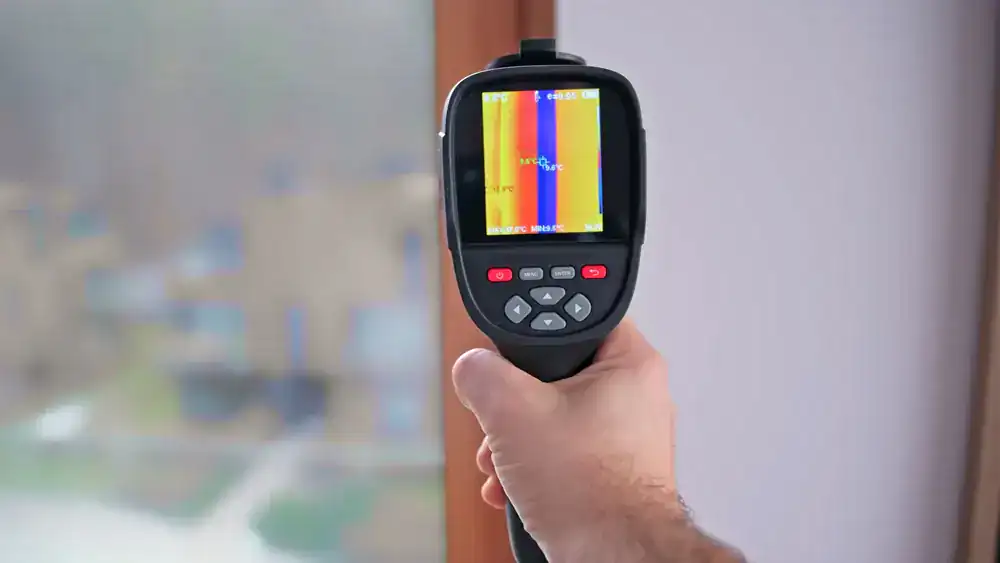
Most commercial systems need quarterly maintenance to handle Texas weather. That’s four visits per year, timed so we’re checking your heating system before winter and your cooling system before the long stretch from April through October when it’s working hardest.
Rooftop units and package systems in this area run almost constantly during summer. Motors, contactors, and compressors wear faster under that load. Dust settles on coils and filters, choking airflow and forcing your system to work even harder. Quarterly visits catch these issues before they turn into failures.
Some businesses need more frequent service. If you run a restaurant with kitchen exhaust affecting your HVAC, or a warehouse with high dust levels, or a retail space where temperature control directly affects sales, you might benefit from monthly or bi-monthly visits. We’ll assess your specific equipment and environment and recommend a schedule that actually matches how hard your system works.
Your energy bills go up first. A dirty coil or clogged filter makes your system work harder to move the same amount of air. You’re paying more every month for worse performance, and you might not even notice until you compare bills year over year.
Then parts start failing faster. A problem that might have cost a few hundred dollars to fix during a maintenance visit turns into a few thousand dollars when it’s allowed to fester. Bearings wear out. Motors overheat. Compressors fail. And because you’re not catching these issues early, they often break during your busiest times when you can least afford downtime.
The real cost shows up in equipment life. A well-maintained commercial system can run 15 to 20 years. A neglected system might make it 10 years before you’re looking at replacement. When you’re talking about equipment that costs tens of thousands of dollars, that shortened lifespan adds up fast. Regular maintenance isn’t an expense, it’s insurance against much bigger costs down the road.
A typical maintenance agreement for a small to medium commercial system in Sandy Oaks, TX runs a few hundred dollars per visit, depending on your equipment size and complexity. Four quarterly visits might total $1,500 to $3,000 per year for most businesses.
Compare that to emergency repair costs. After-hours service calls start at higher rates. Parts cost more when you need them immediately instead of ordering them during regular maintenance. And the real expense is downtime. If you run a retail store and lose a day of sales because your AC failed during a heat wave, that could easily exceed your entire annual maintenance cost.
Businesses with maintenance agreements also see 30 percent energy savings on average compared to those who skip service. For a business spending $500 per month on cooling, that’s $150 saved every month during summer, or $900+ per year just in lower utility bills. The maintenance pays for itself before you even factor in avoided repairs and extended equipment life.
Commercial systems are bigger, more complex, and work harder than residential units. You’re cooling or heating larger spaces, often with multiple zones that need individual control. Your equipment runs longer hours, sometimes 24/7 depending on your business. And the stakes are higher when something fails.
The maintenance process reflects those differences. We’re inspecting components that home systems don’t have. Checking multiple thermostats and zone controls. Servicing larger coils and more extensive ductwork. Testing commercial-grade parts that are built differently than residential equipment. A thorough commercial maintenance visit takes longer and requires different expertise than a home AC tune-up.
The scheduling matters more too. You can’t just shut down during business hours for maintenance. We work around your schedule, often coming early morning, evenings, or weekends to minimize disruption. And because downtime costs you money, we focus heavily on predictive maintenance, catching problems before they cause failures, not just cleaning and checking boxes.
Predictive maintenance reduces unexpected failures by 70 percent according to industry data. That’s not delaying breakdowns, that’s preventing them by catching wear before it causes failure.
Here’s how it works in practice. During a maintenance visit, we might notice a bearing that’s starting to wear, a capacitor that’s testing weak, or a contactor that’s showing signs of pitting. None of these have failed yet. Your system is still running. But we know from experience that these components are on borrowed time. We can replace them during a scheduled visit, at regular rates, with minimal disruption to your business.
Without maintenance, those same components fail without warning. Usually during a heat wave when your system is under maximum load. Now you’re looking at emergency service rates, rush-ordered parts, and hours or days of downtime while you wait for repairs. The breakdown didn’t happen because the part reached its natural end of life, it happened because nobody was monitoring wear and catching it early. That’s the difference between reactive and proactive maintenance.
Experience with commercial systems specifically, not just residential service. Commercial equipment is different enough that you want technicians who work on it regularly and understand the components, controls, and demands that businesses place on their HVAC systems.
Licensing, certification, and insurance are non-negotiable. You’re letting someone work on expensive equipment that’s critical to your business. They should be EPA certified, properly licensed in Texas, and carry insurance that protects you if something goes wrong during service.
Look for detailed reporting and transparent communication. You should get a clear report after every visit showing what was inspected, what was found, and what needs attention. No vague “everything looks good” summaries. You need specifics so you can make informed decisions about repairs and budget for upcoming needs. And when something does need fixing, you want a provider who explains the problem clearly, gives you options, and respects that you’re making business decisions, not just approving whatever they recommend.
Other Services we provide in Sandy Oaks
 Call Now