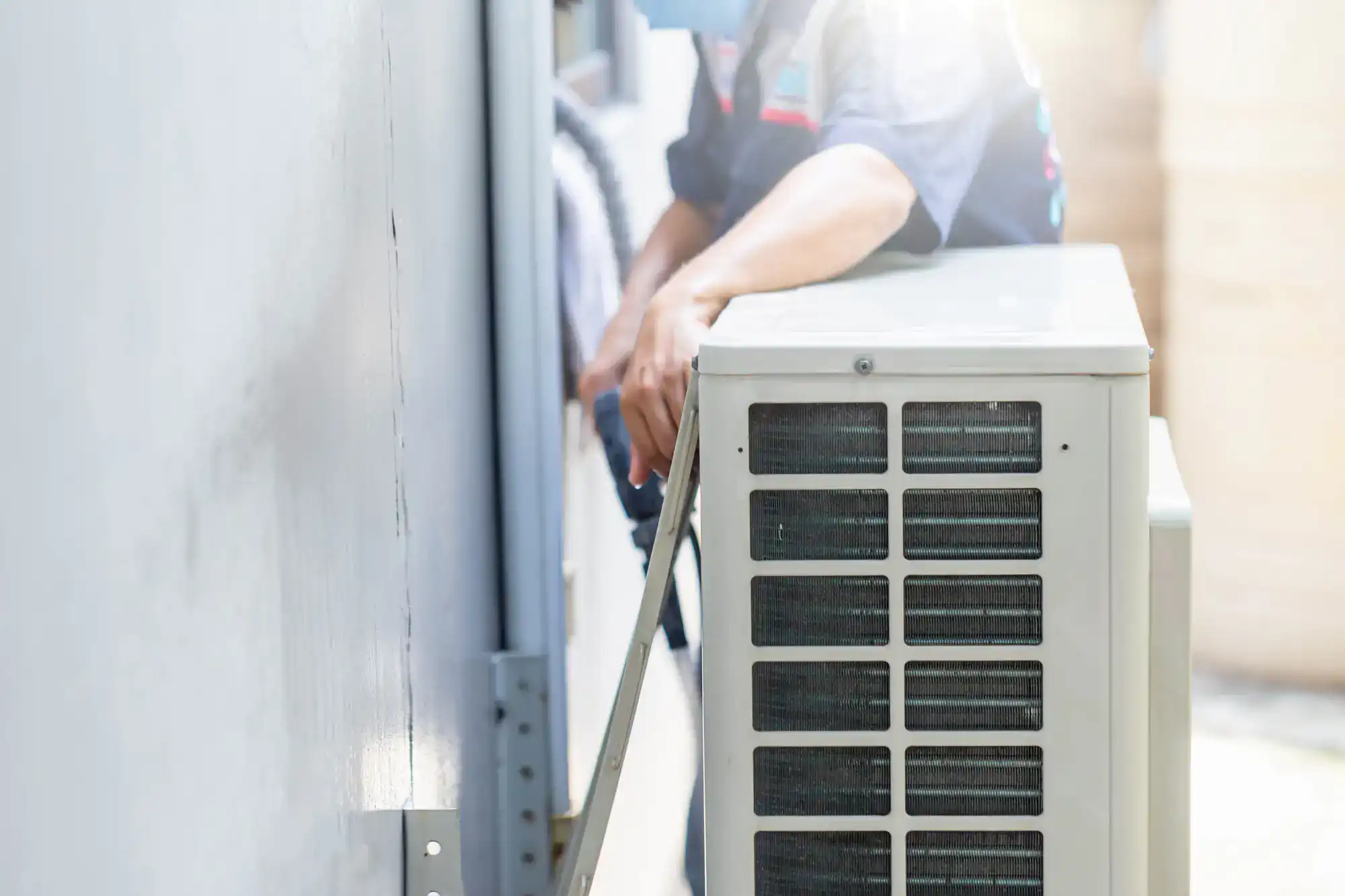
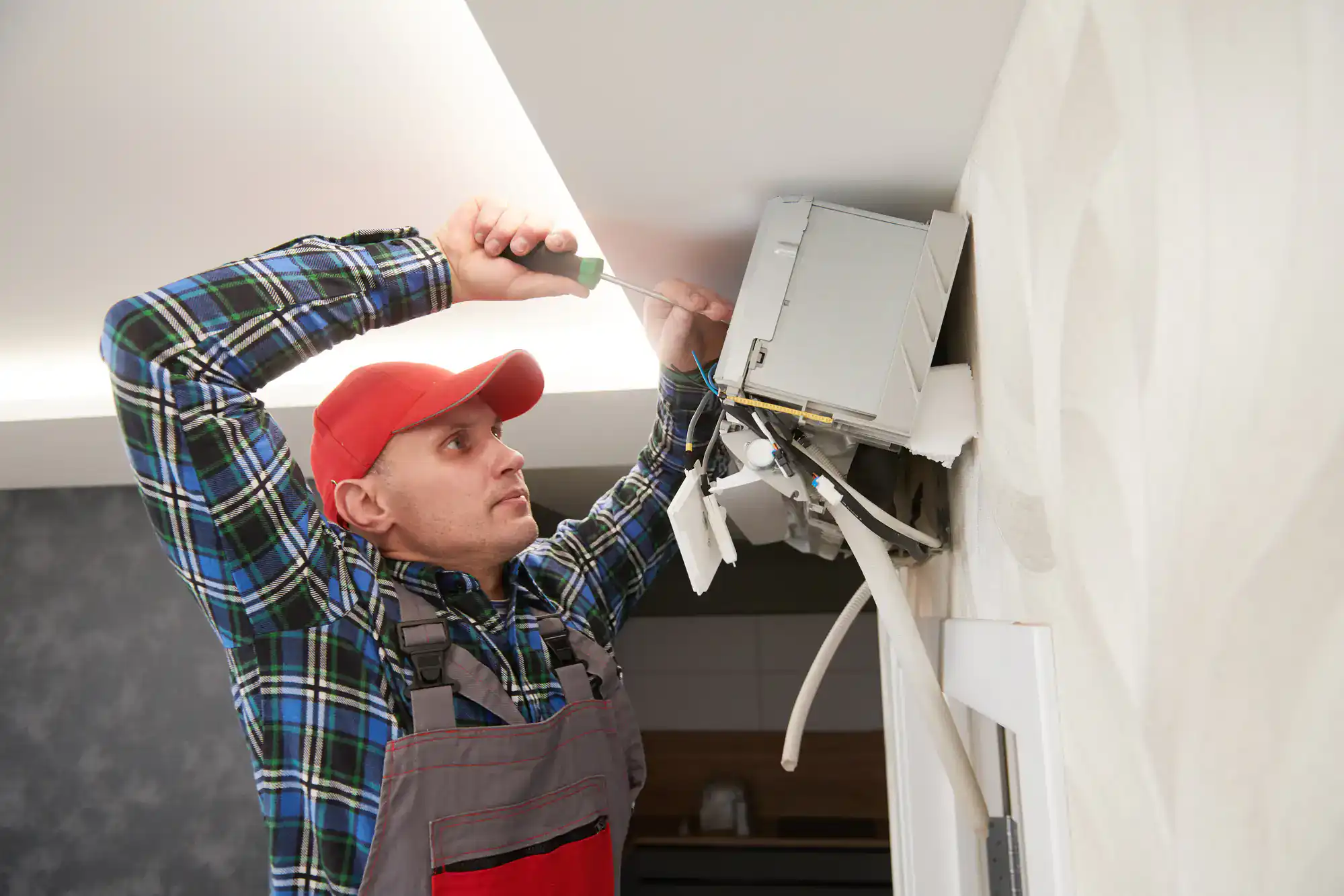
Your energy bills drop the month after installation. Modern AC systems use significantly less electricity than units from even ten years ago, especially when they’re properly sized for Leon Valley’s brutal summers.
You stop worrying about breakdowns during heat waves. A new AC unit replacement means reliable cooling when temperatures push past 108 degrees, which Leon Valley will see more of in the coming years.
Your home cools evenly. No more hot bedrooms or living rooms that never quite get comfortable. Professional HVAC replacement includes load calculations that account for your home’s layout, insulation, and the reality of six-month cooling seasons in Bexar County.
We’ve been handling AC system replacement across San Antonio and Leon Valley since before the housing boom. We’re veteran-owned, which means we show up when we say we will and we don’t cut corners.
Our technicians have seen what happens when systems are undersized for this climate. They’ve replaced units that were installed wrong the first time. That experience matters when you’re spending thousands on a new system.
We’re local. When your AC fails on the hottest day in July, you’re calling someone who lives twenty minutes away, not a call center in another state.

First, we calculate your actual cooling load. That means measuring your space, checking insulation levels, noting window placement, and factoring in Leon Valley’s climate data. This determines what size system you actually need, not what fits the budget or what’s on the truck.
Next, we remove your old unit and prep the installation. If your electrical panel needs upgrading to handle a modern high-efficiency system, we handle that. If ductwork needs modification for better airflow, we do it now, not after you’re already frustrated with uneven cooling.
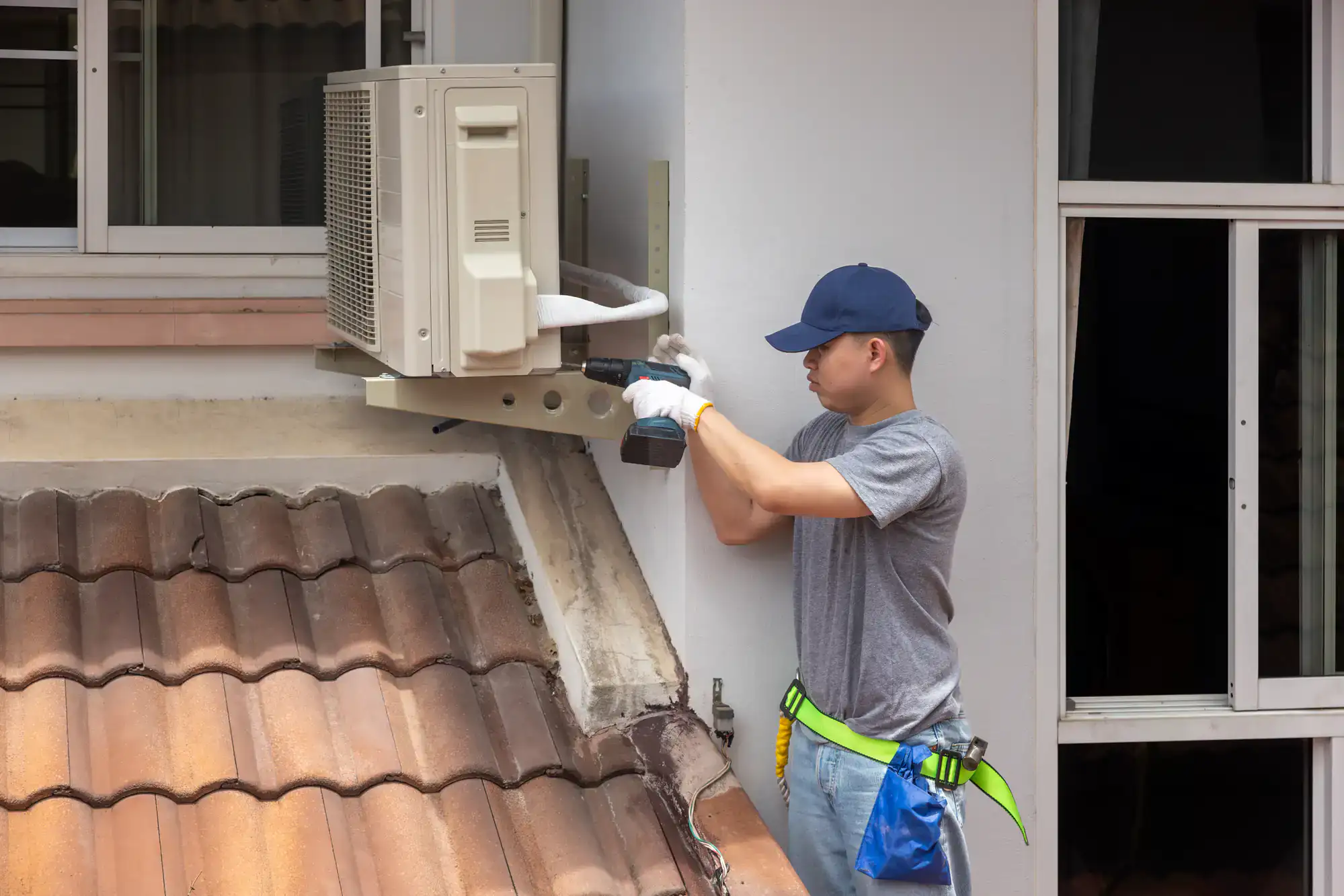
Then we install your new AC unit, connect refrigerant lines, test the system under load, and walk you through operation. You get manufacturer warranty information, maintenance recommendations specific to your system, and our number for anything that comes up.
Ready to get started?
Professional load calculation comes standard. Most companies skip this step and just match the tonnage of your old system. That’s a problem if your original system was sized wrong, which happens more often than you’d think in Leon Valley’s older housing stock where the median home was built in 1978.
You get options for indoor air quality upgrades. Post-2020, this matters more to Texas homeowners than almost anything else. UV lights, air scrubbers, better filtration—we’ll explain what actually works and what’s just expensive.
Energy efficiency matters here because your AC runs April through October. A higher SEER rating means lower electric bills every single month. In Leon Valley, where systems work overtime, that difference adds up faster than in milder climates.
We include thorough testing and a complete walkthrough. You’ll know how to use your new thermostat, when to change filters, and what sounds are normal versus what means you should call us.
If your system is over ten years old and repair costs exceed $2,500, replacement usually makes more financial sense. Here’s the industry rule: multiply your system’s age by the repair cost. If that number exceeds $5,000, replace it.
Leon Valley’s climate accelerates wear. A ten-year-old AC here has done the work of a fifteen-year-old system in milder climates. If you’re calling for service twice a year or more, your system is telling you it’s done.
Watch your energy bills too. If they’ve crept up significantly even though your usage hasn’t changed, your AC is working harder than it should. That inefficiency only gets worse, and you’re paying for it every month while waiting for the inevitable breakdown.
It depends on your home’s square footage, insulation quality, window placement, ceiling height, and how many people live there. There’s no one-size-fits-all answer, which is why proper load calculation matters.
Most Leon Valley homes need between 2.5 and 5 tons of cooling capacity, but guessing based on square footage alone leads to problems. An oversized system cycles on and off too frequently, which wastes energy and doesn’t dehumidify properly. An undersized system runs constantly during summer and never quite catches up.
We measure everything and factor in Leon Valley’s climate data. You want a system sized for those extended periods above 100 degrees, not for average conditions. That’s the difference between comfortable summers and constantly adjusting the thermostat.
Expect to pay between $5,000 and $12,000 for a complete residential air conditioning replacement, depending on system size, efficiency rating, and any necessary electrical or ductwork upgrades. Higher SEER ratings cost more upfront but save money monthly.
Leon Valley’s older housing stock sometimes needs electrical panel upgrades to handle modern high-efficiency systems. If your home still has an older 100-amp panel, that’s an additional cost but also a safety upgrade you need anyway.
The cheapest option isn’t always the smartest. A bottom-tier system might save you $2,000 today but cost you $100 extra per month in electricity. Over ten years, you’ve lost money. We’ll show you the math so you can decide what makes sense for your situation.
Most residential AC system replacement jobs take one full day, sometimes two if we’re upgrading electrical service or making significant ductwork modifications. We’re not rushing through your installation to get to the next job.
Straightforward replacements where we’re swapping similar equipment and everything else is in good shape usually finish in six to eight hours. That includes removing the old system, installing the new one, testing everything thoroughly, and cleaning up.
More complex jobs take longer. If we’re upgrading from a lower-efficiency system to a high-SEER variable-speed unit, or if your ductwork needs attention, plan on two days. We’d rather take the time to do it right than leave you with a new system that doesn’t perform the way it should.
Yes, if your current system is over ten years old. Modern AC units are dramatically more efficient, especially in Leon Valley where your system runs hard for six months straight. The energy savings alone often justify the replacement cost.
A 15-year-old system probably has a SEER rating around 10. New systems start at 14 SEER and go up to 20 or higher. That’s a 40% to 100% improvement in efficiency, which translates directly to lower electric bills every single month.
The savings show up immediately. Most Leon Valley homeowners see a noticeable difference in their first summer with a new system, even accounting for rate increases. Over the system’s lifespan, you’re looking at thousands of dollars in savings compared to limping along with an old, inefficient unit.
We offer 24/7 emergency service, and yes, we can fast-track AC replacement when your system fails during a heat wave. Nobody should go days without cooling when it’s 108 degrees outside.
Emergency replacement costs more because we’re prioritizing your job and potentially working outside normal hours. But if you’re facing a weekend without AC in July, that premium is worth it. We keep common equipment in stock specifically for these situations.
If your system dies during peak summer, we’ll also discuss temporary solutions while we schedule a proper installation. Sometimes that means a short-term repair to get you through a few days. We’re not going to leave you sweating while we wait for the perfect installation window.
Other Services we provide in Leon Valley
 Call Now