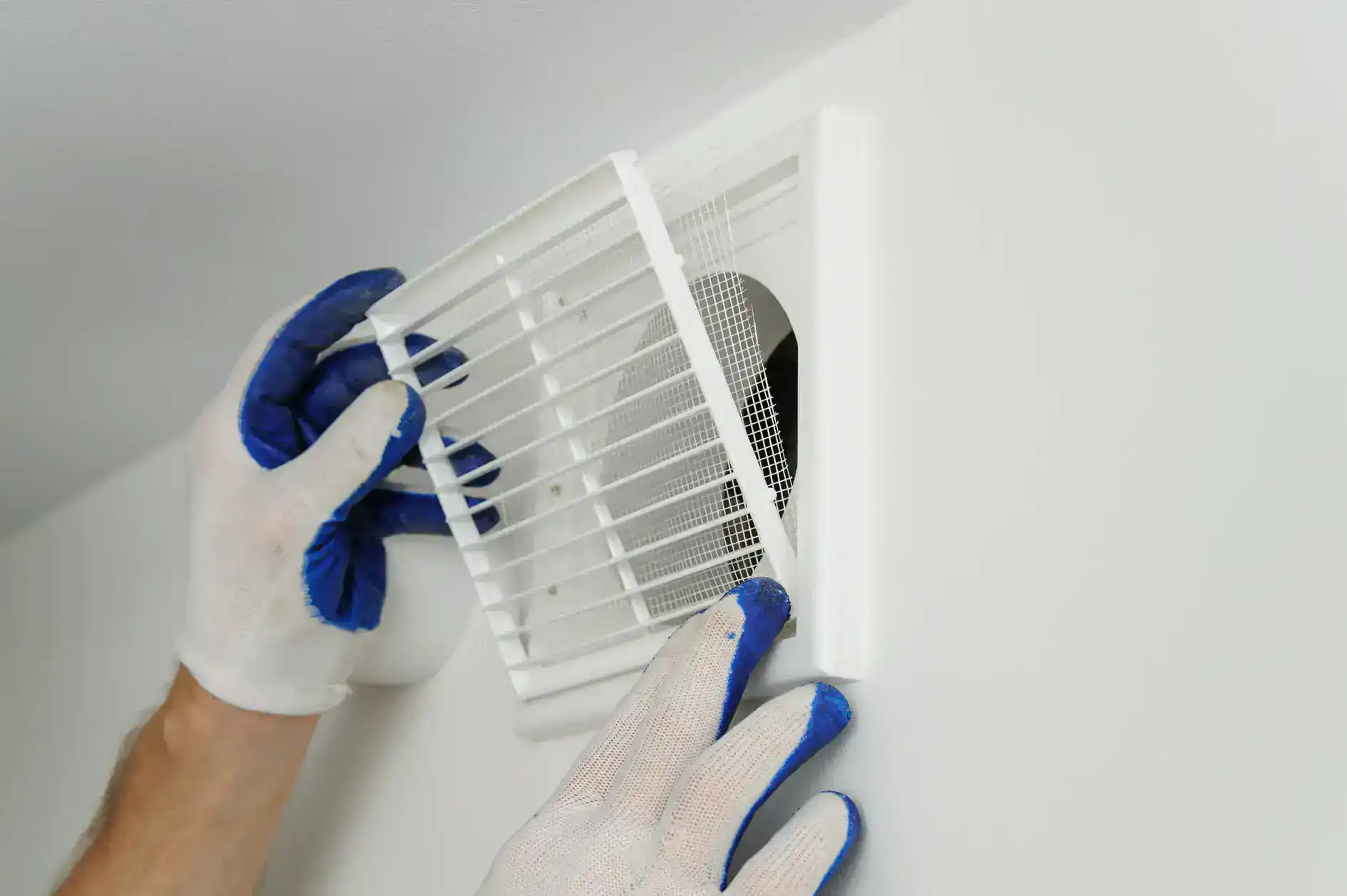

When your ductwork is installed correctly, you stop paying to cool your attic. You stop dealing with that bedroom that’s always too hot or that office that never gets enough air.
Proper air duct installation in Kirby, TX means your system moves air where it’s supposed to go. No more leaks pushing 30% of your conditioned air into spaces you’re not even using. No more dust getting pulled in through cracks and circulated through every room.
You’ll notice the difference in your energy bills first. Then you’ll notice how much easier it is to keep your home at the temperature you actually set. And if anyone in your house deals with allergies or respiratory issues, they’ll notice cleaner air almost immediately.
That’s what happens when ductwork does its job instead of working against you.
We’ve been handling HVAC work across the San Antonio area for over 20 years. We’re veteran-owned, which means we approach every job with the same discipline and attention to detail that kept equipment running in far less forgiving conditions.
Kirby homeowners deal with the same issues we see across Bexar County: aging ductwork that’s been patched too many times, attic ducts that weren’t insulated properly from the start, and systems that were never sized correctly for the home. We’ve seen it all, and we know how to fix it.
We’re licensed, insured, and available 24/7 when you need us. But most of the time, you’re calling because you’re tired of high bills or uneven temperatures—not because something broke at 2 a.m. Either way, we’ll show up and handle it.
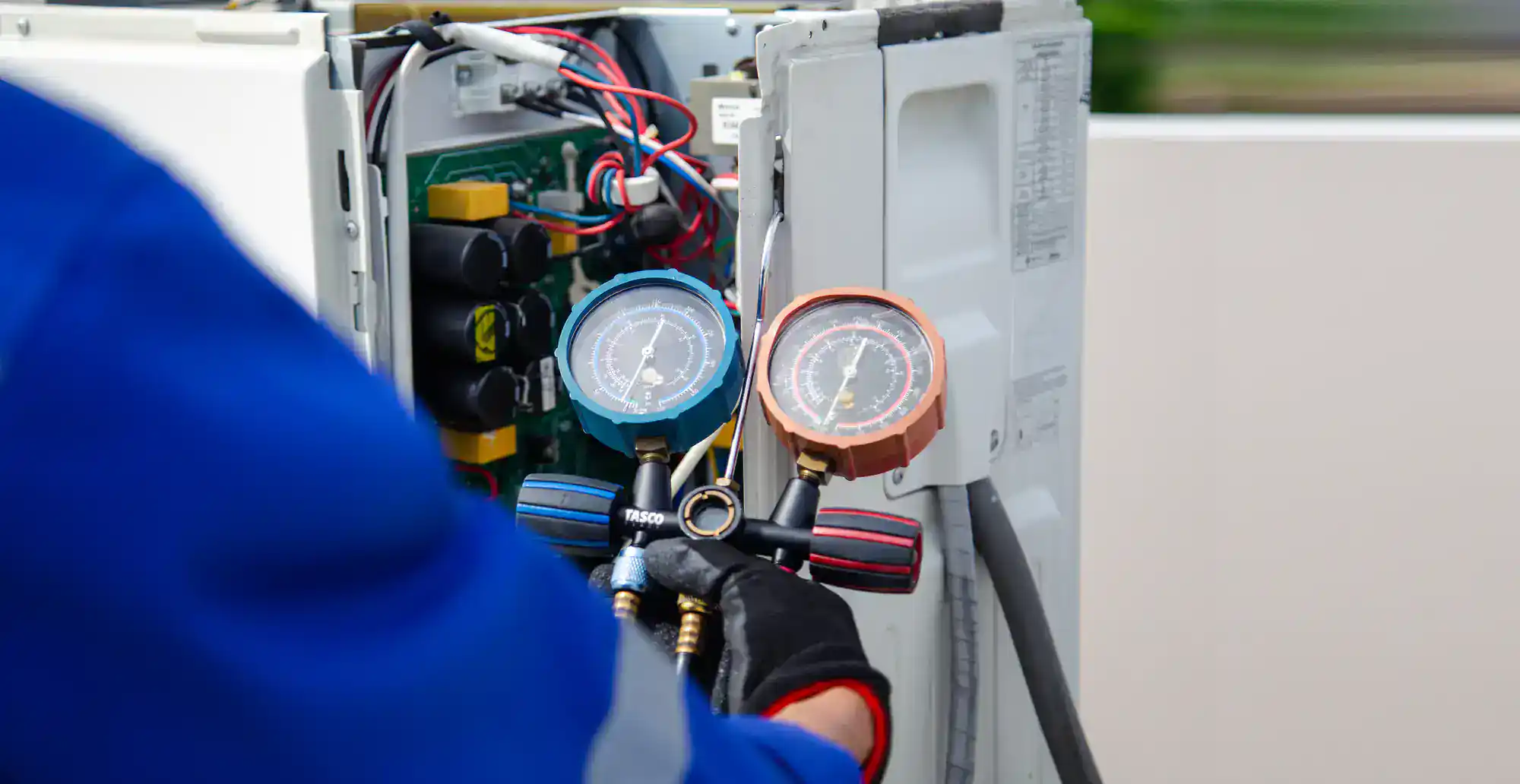
We start with an assessment of your current system and your home’s layout. That means measuring your space, checking airflow requirements, and identifying any issues with your existing setup. If you’re replacing ducts in your attic, we’ll also check insulation levels and look for signs of moisture or pest damage.
Once we know what you need, we’ll walk you through material options. Most homes in Kirby do well with galvanized sheet metal for the main trunk lines—it’s durable, handles our heat, and doesn’t sag over time. For branch lines, we might recommend flexible ductwork depending on your attic layout and access points.
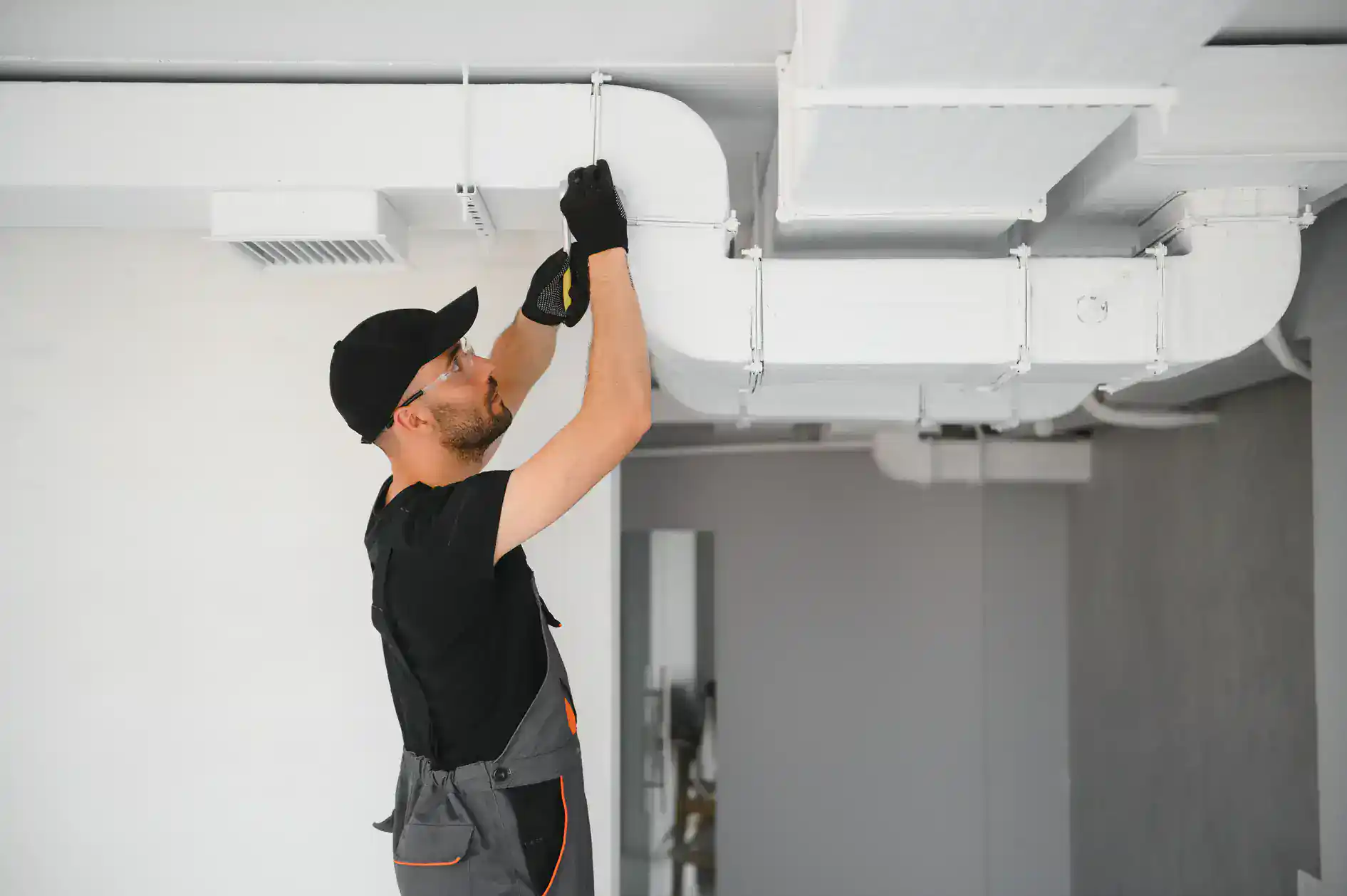
Installation itself involves removing old ductwork if needed, sealing all connections properly, insulating runs that pass through unconditioned spaces, and making sure every register gets the airflow it’s designed for. We test the system before we leave to confirm there are no leaks and that temperatures are consistent throughout your home.
The whole process usually takes one to three days depending on the size of your home and whether we’re replacing AC ducts entirely or adding to an existing system.
Ready to get started?
When we install or replace ductwork in Kirby, you’re getting a complete system designed for your home’s specific needs. That includes properly sized supply and return ducts, sealed connections at every joint, insulation where code requires it, and balancing dampers so each room gets appropriate airflow.
We also handle the details most homeowners don’t think about: supporting ducts so they don’t sag, keeping runs as short and straight as possible to reduce resistance, and making sure your return air pathways aren’t choking your system. A lot of homes in this area were built in the 70s and 80s with undersized return ducts—that’s something we correct during replacement.
If you’re replacing ducts in your attic, we’ll also check for any roof leaks or ventilation issues that could damage your new ductwork down the line. Kirby’s summer heat is brutal on attic spaces, so proper insulation around your ducts isn’t optional—it’s the difference between a system that works efficiently and one that costs you an extra $50-100 every month.
You’ll also get a system that’s easier to maintain. Accessible filter locations, service panels where they make sense, and ductwork that’s actually reachable if repairs are ever needed.
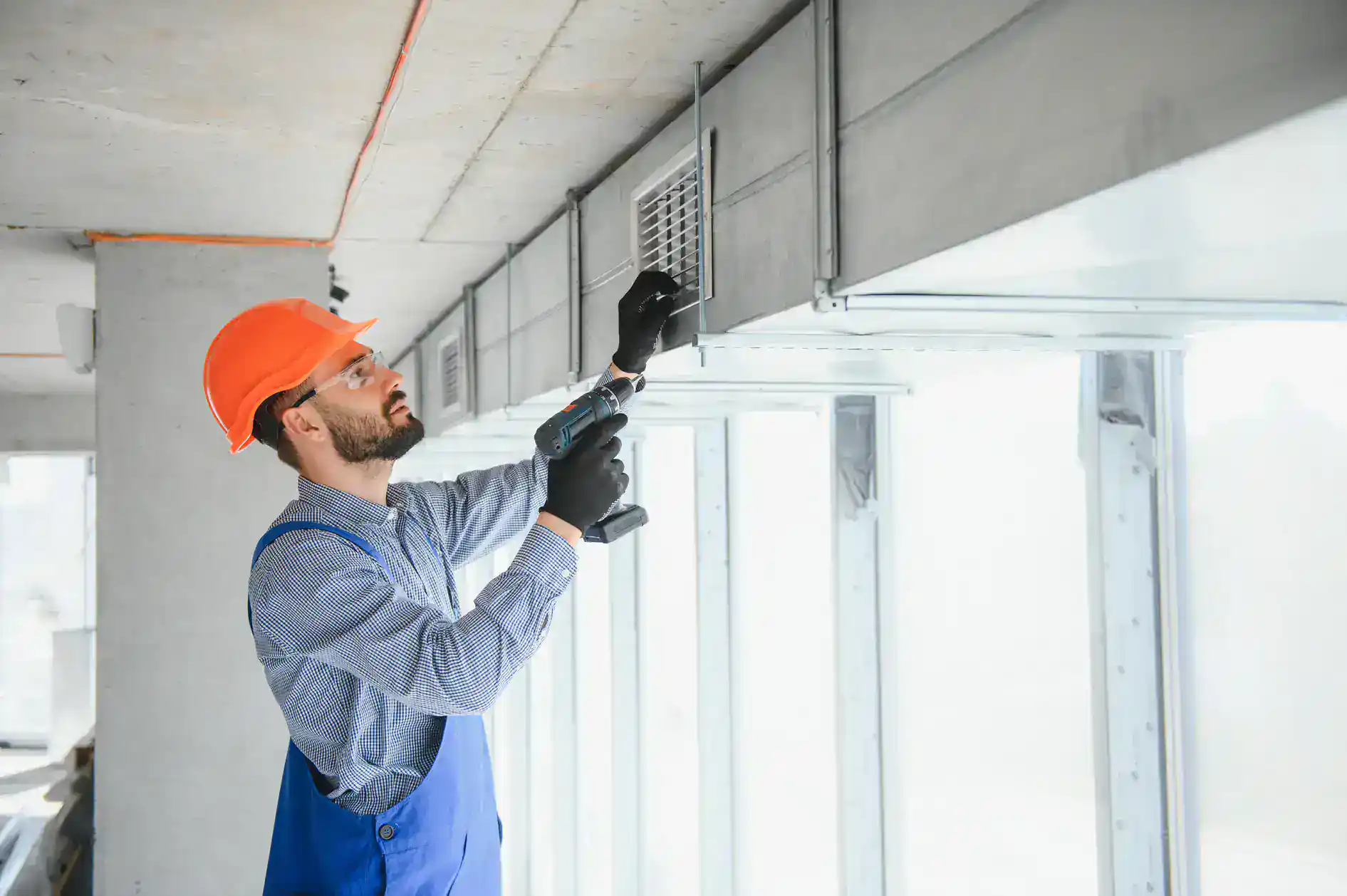
Most complete duct replacements for average-sized homes in Kirby run between $3,500 and $8,000. That range depends on your home’s square footage, how accessible your attic or crawlspace is, and what materials make sense for your setup.
If you’re only replacing ducts in your attic or handling a partial replacement, costs come in lower—usually $2,000 to $4,500. Repairs or sealing existing ductwork costs even less, typically $500 to $1,500 depending on what needs attention.
The biggest cost factors are labor and materials. Homes with difficult attic access or multiple stories take longer to work on. Upgrading to better insulation or adding zones to your system increases material costs but often pays for itself in energy savings within a few years.
We’ll give you an exact quote after seeing your home and understanding what you’re dealing with. No surprises, no upselling—just a clear number based on what actually needs to happen.
Most residential ductwork lasts 15 to 25 years, but that assumes it was installed correctly and maintained reasonably well. In Kirby’s climate, attic ducts take a beating from summer heat that regularly hits 140+ degrees up there.
Flexible ductwork tends to fail faster—usually around 15 years—especially if it wasn’t supported properly or if insulation has degraded. Metal ducts last longer, often 20 to 30 years, but connections can separate and seals can crack over time.
You’ll know it’s time to replace your ducts when energy bills climb without explanation, some rooms never get comfortable no matter what you set the thermostat to, or you’re seeing visible damage like sagging sections or disconnected joints. If your system is constantly running but not keeping up, that’s often a ductwork issue rather than a problem with your AC unit itself.
Age alone isn’t always the deciding factor. We’ve seen 20-year-old ductwork that’s still doing fine and 10-year-old systems that need replacement because they were poorly installed from the start.
In most Kirby homes, yes. If your ductwork runs through the attic—which is the case for the majority of single-story homes in this area—we can access everything from above. No drywall damage, no patching ceilings, no repainting.
For two-story homes or homes with ducts in walls or between floors, it depends on the layout. Sometimes we need to cut small access panels in closets or other low-impact areas, but we keep it minimal and we’ll talk through those access points before we start work.
The main exception is homes with concrete slab foundations where ducts were run under the slab. Those are rare in Kirby, but when they exist, replacement usually means rerouting ductwork through the attic instead—which actually gives you better long-term performance since you’re not dealing with ducts buried in concrete where you can’t maintain them.
We’ll assess your specific situation during the estimate and let you know exactly what access we’ll need. Most of the time, your ceilings stay intact.
If your current ducts are leaking, undersized, or poorly insulated, yes—new ductwork typically cuts cooling and heating costs by 20% to 40%. That’s not marketing talk; that’s what happens when you stop losing conditioned air to your attic or through disconnected joints.
The Department of Energy estimates that typical duct systems lose 25% to 40% of the energy put into them. In a Kirby home where you’re running AC seven months a year, that’s real money. A household spending $200 a month on cooling could save $40 to $80 monthly just by fixing ductwork issues.
You’ll see the biggest savings if your current system has visible problems: disconnected sections, damaged insulation, or ducts that were never sealed properly. Even ductwork that looks okay from the outside can have leaks at connection points that you’d never notice without testing equipment.
The payback period on duct replacement usually runs three to seven years depending on how bad your current system is and how much you’re spending on energy now. After that, the savings keep coming for the life of the ductwork.
Not necessarily. If your AC unit is working fine and isn’t near the end of its lifespan, you can replace ductwork independently. They’re separate systems that work together, but one doesn’t require replacing the other.
That said, if your AC is 12+ years old and you’re already investing in new ductwork, it’s worth considering whether you want to replace both at once. You’ll save on labor costs since we’re already there doing the work, and you’ll avoid a situation where your AC fails two years later and we’re back in your attic.
New ductwork can actually improve your AC’s performance and extend its life. When ducts leak or restrict airflow, your AC works harder than it should. Fix the ductwork, and suddenly your existing unit isn’t straining to keep up anymore.
We’ll give you an honest assessment of your AC’s condition when we’re evaluating your ductwork. If it makes sense to replace both, we’ll explain why. If your AC has good years left, we’ll tell you that too. The goal is making sure you’re not paying for work you don’t need while also not missing an opportunity to handle everything at once if that’s the smarter move.
Metal ductwork—usually galvanized steel—is more durable, maintains its shape over time, and handles airflow more efficiently because the interior surface is smooth. It’s the better choice for main trunk lines and any long runs where you want maximum airflow and longevity. Metal ducts typically last 25+ years in Texas attics if installed correctly.
Flexible ductwork is lighter, easier to install in tight spaces, and costs less. It works well for shorter branch runs to individual registers where you need to navigate around obstacles or make turns that would be difficult with rigid metal. The downside is it doesn’t last as long—usually 15 years or so—and the ribbed interior creates more air resistance than smooth metal.
Most installations use both. Metal for the main distribution system where durability and efficiency matter most, flex duct for the final connections to registers where installation ease makes sense. That gives you the best balance of performance, cost, and longevity.
Some contractors use flex duct for everything because it’s faster to install. That’s not what we do. You’re better served by a system designed around what works best for each part of your home, not what’s fastest for us to put in.
Other Services we provide in Kirby
 Call Now