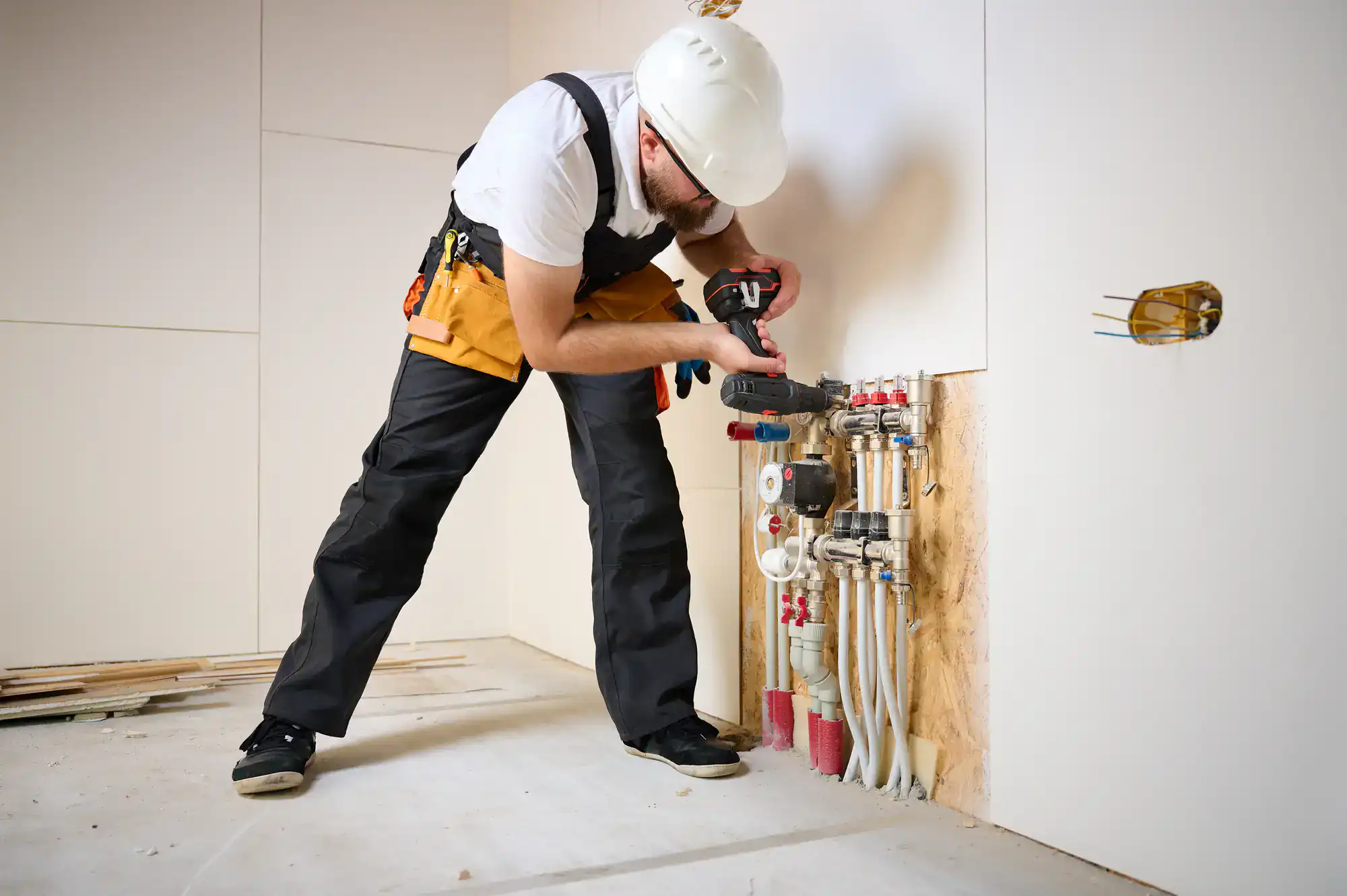
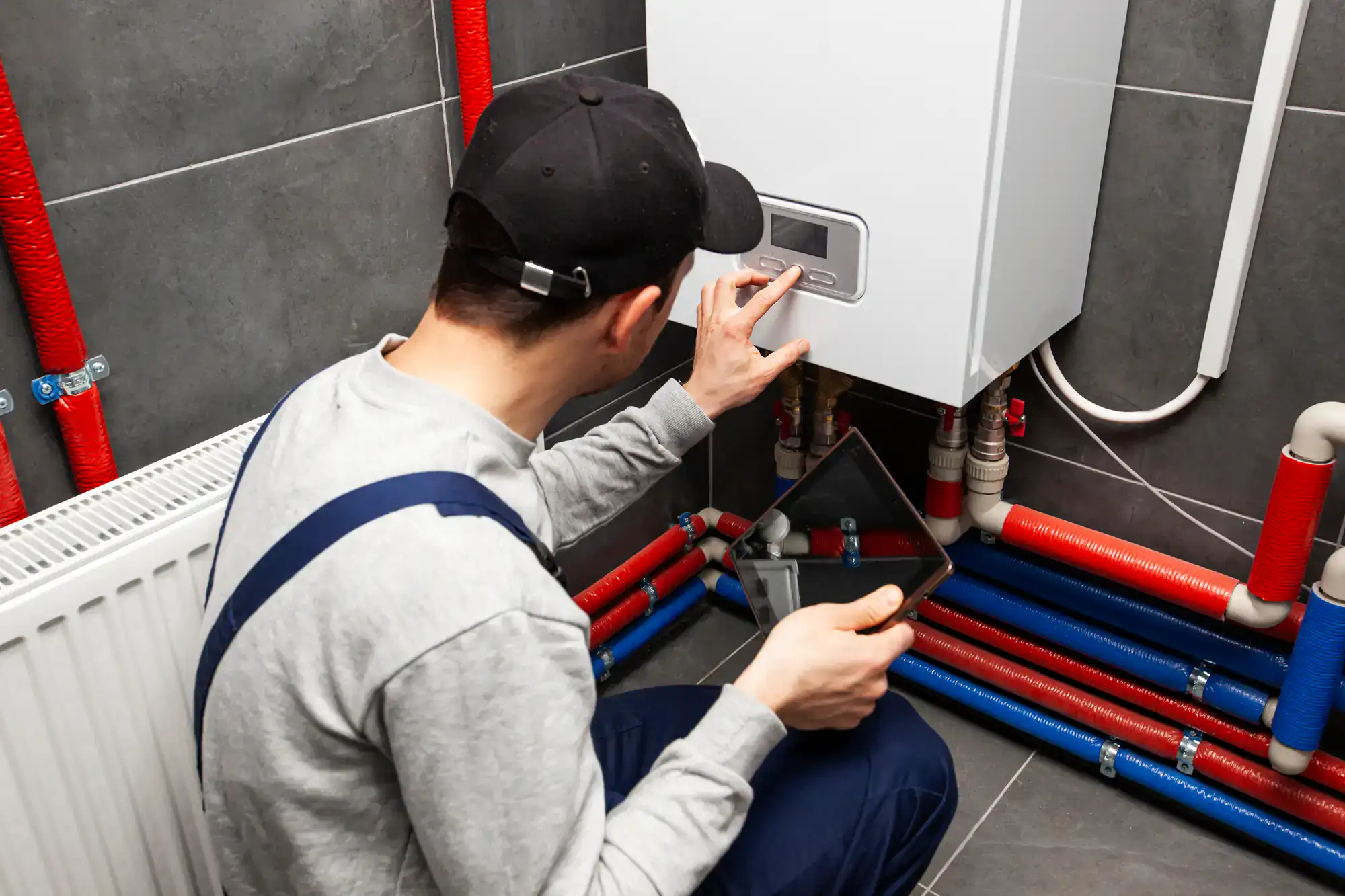
You know how Texas weather works. Sunny afternoons turn into freezing nights without warning. One week you’re at 65°F, the next you’re dealing with 15°F and wondering if your heating system can keep up.
When you invest in professional heating installation services in Cross Mountain, TX, you’re not just buying equipment. You’re buying the ability to sleep through cold snaps without worrying whether your family will wake up shivering. You’re getting a system sized correctly for your home, installed by technicians who understand what Texas winters demand.
Modern heat pumps can cut your heating costs by up to 75% compared to older resistance heating. That’s real money back in your pocket every month. And with 2026 federal incentives offering over $4,000 in potential rebates and tax credits, there’s never been a better time to upgrade to a high-efficiency system that works as hard as you do.
We’ve spent over two decades serving San Antonio, Houston, and Austin with honest HVAC solutions. We’re veteran-owned, which means we approach every job with the same discipline and integrity that defined our military service.
Cross Mountain homeowners need contractors who understand the investment you’ve made in your property. Most homes here were built after 1999, with modern systems that require proper expertise to install and maintain. We’ve worked in neighborhoods like yours long enough to know what works and what doesn’t when temperatures drop fast.
Our certified technicians show up on time, explain what needs to happen, and complete residential heating system installation in Cross Mountain, TX without cutting corners. You get 24/7 emergency service because heating systems don’t wait for business hours to fail.
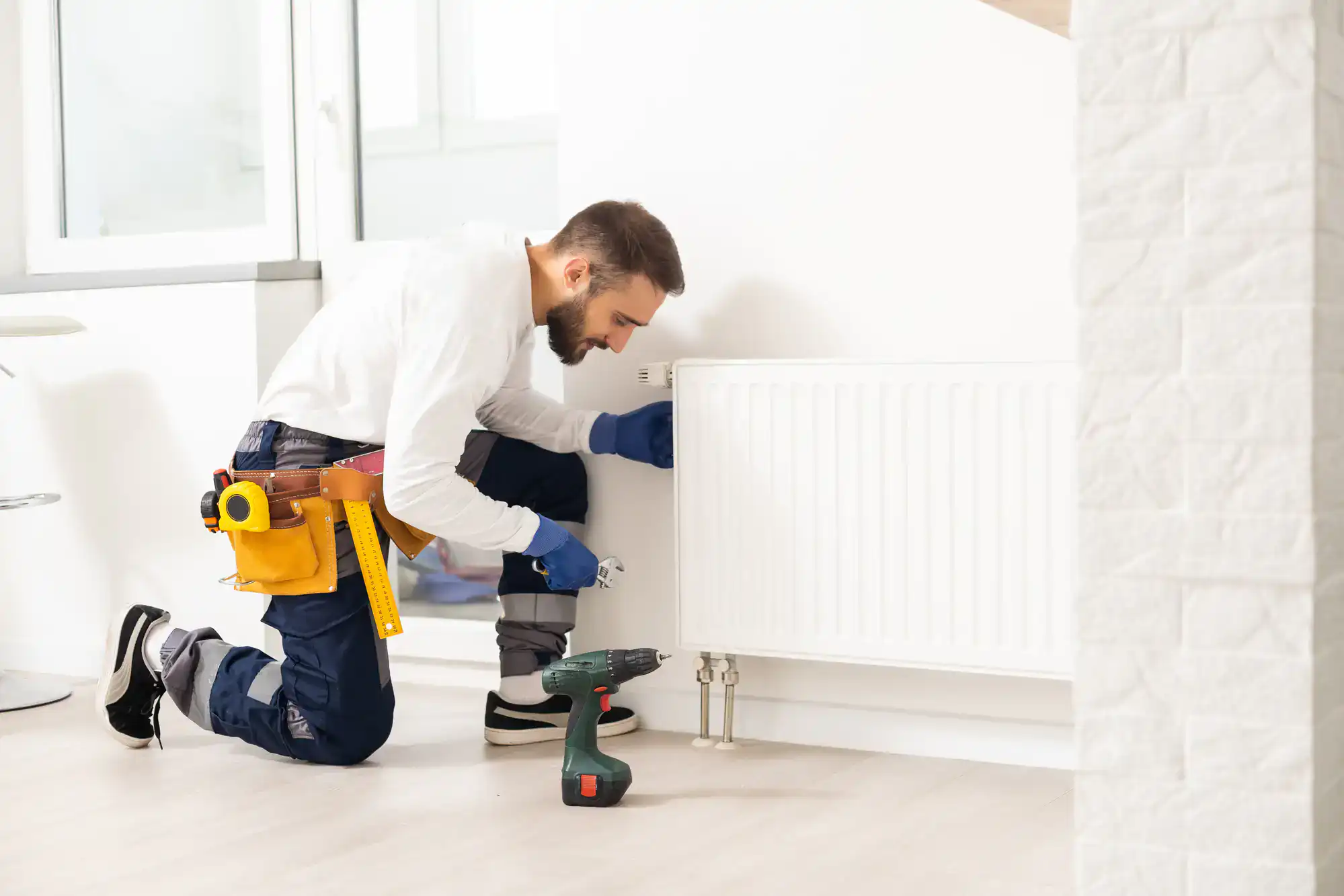
First, we assess your home’s specific heating needs. Square footage matters, but so does insulation, window quality, and how your home is oriented. We calculate the right system size because oversized units cycle on and off too frequently, and undersized units run constantly without keeping you comfortable.
Next, we walk you through equipment options. Heat pumps make sense for most Cross Mountain homes because they handle both heating and cooling efficiently. We explain the difference between SEER2 ratings, what warranties actually cover, and which rebates you qualify for. No pressure, just information you need to decide.
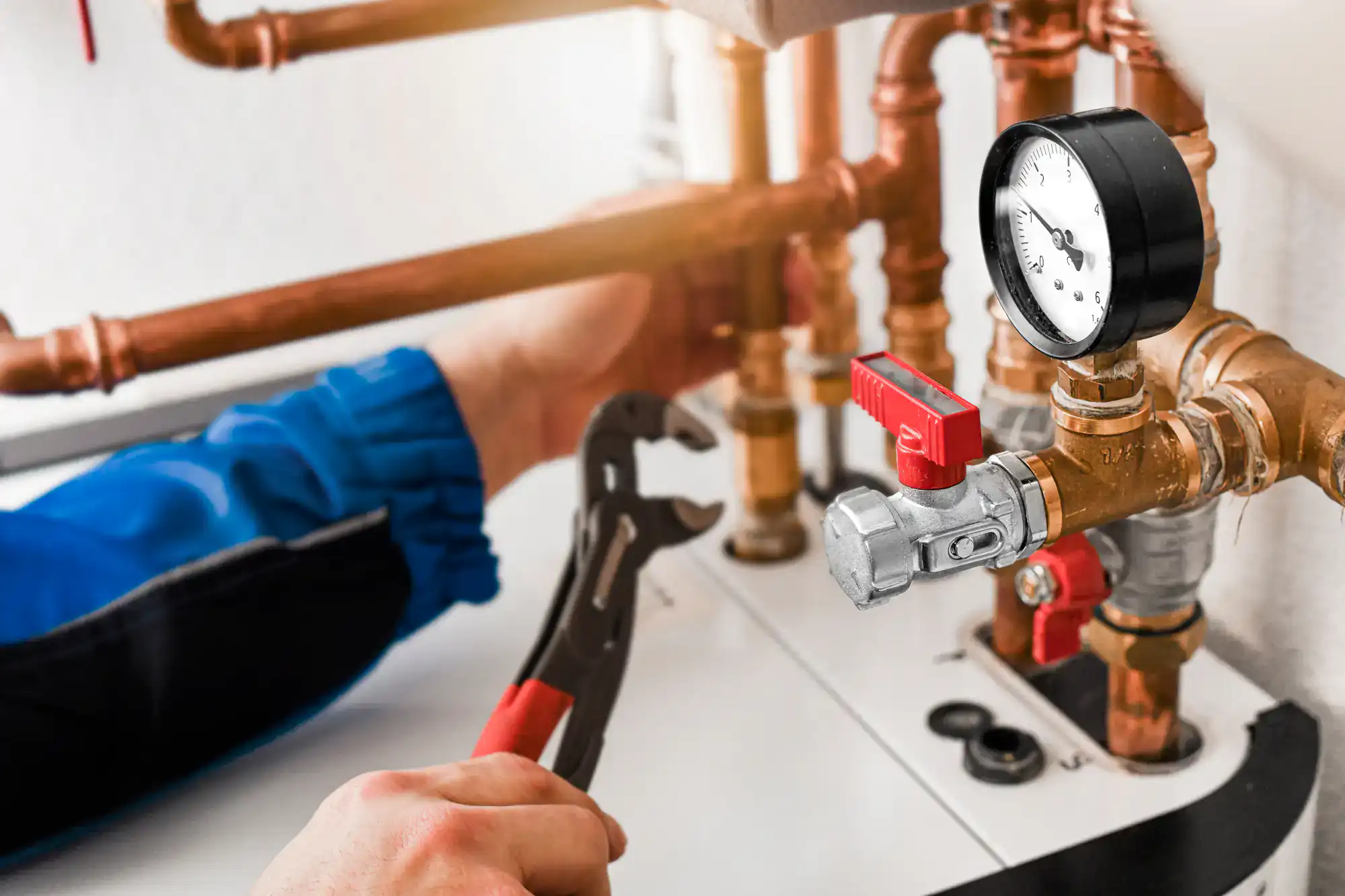
Installation day, our team removes your old system and installs the new one according to manufacturer specifications. We test airflow, check refrigerant levels, and make sure your thermostat communicates properly with the equipment. Before we leave, you’ll know how to operate everything and what to expect from your new system.
Ready to get started?
Every heating system installation in Cross Mountain, TX includes proper load calculations, not guesswork. You get equipment that matches your home’s actual requirements, installed by HVAC contractors who hold current Texas licensing.
We handle all permit requirements and ensure your installation meets local codes. Your new system comes with manufacturer warranties on parts, plus our labor warranty that protects you if something goes wrong after installation. We also help you navigate available rebates through Oncor and federal tax credit programs, maximizing your savings.
Cross Mountain’s newer construction means your home likely has modern ductwork, but we inspect everything to make sure it’s sealed properly. Leaky ducts waste up to 30% of heated air before it reaches your living spaces. We fix those issues as part of the installation process.
You also get a walkthrough of your new system’s features and maintenance requirements. Most heat pumps need filter changes every 1-3 months and annual professional maintenance to keep warranties valid and efficiency high. We schedule that first maintenance visit before we leave, so you’re never wondering when it’s due.
Modern heat pumps work efficiently down to about 25°F, and many newer models perform well even below that threshold. Texas winters occasionally dip into the teens, but those extreme cold snaps typically last only a few days.
Most heat pump systems we install in Cross Mountain include auxiliary electric heat that kicks in when outdoor temperatures drop very low. This backup heating ensures your home stays comfortable even during the coldest nights. The system automatically switches between heat pump operation and auxiliary heat based on outdoor temperature and your thermostat settings.
If you’re concerned about efficiency during cold weather, look for heat pumps with higher HSPF2 ratings. These units extract heat from outdoor air more effectively at lower temperatures. We calculate your home’s heating load and recommend equipment rated for Texas climate conditions, not just average temperatures.
The price difference usually comes down to efficiency ratings, features, and equipment lifespan. A basic 14 SEER2 heat pump costs less upfront but runs longer to heat your home, increasing monthly utility bills. A 20+ SEER2 system costs more initially but can cut your heating and cooling costs by 40% or more over its lifetime.
Higher-end systems also include features like variable-speed compressors that adjust output based on your home’s needs, rather than cycling on and off repeatedly. This means more consistent temperatures, better humidity control, and quieter operation. Premium equipment typically carries longer warranties and uses components that last 15-20 years instead of 10-12.
For Cross Mountain homes in the $400,000+ range, the higher-efficiency option usually makes financial sense. You recoup the additional investment through lower utility bills, and you’re protecting a significant property investment with equipment that won’t need replacement as soon. Factor in available rebates and tax credits, and the price gap narrows considerably.
Most residential heating system installations in Cross Mountain take one to two days, depending on whether you’re replacing an existing system or installing something completely new. Straight replacements where the new equipment matches the old setup usually finish in 6-8 hours.
If your installation requires modifications to ductwork, electrical panels, or thermostat wiring, expect the job to take longer. Adding a heat pump when you previously had a furnace-only system means running new refrigerant lines and possibly upgrading your electrical service. These projects typically need two full days.
We give you a specific timeline after assessing your home. Weather can affect outdoor work, and occasionally we discover issues like damaged ductwork or outdated wiring that needs attention before completing installation. We build buffer time into our schedules rather than rushing through jobs to meet unrealistic deadlines.
Federal tax credits for 2026 offer up to $2,000 for qualifying heat pump installations. The system must meet minimum efficiency standards (typically 16 SEER2 or higher), and you claim the credit when filing your taxes. This applies to both primary residences and second homes.
Oncor, which serves the Cross Mountain area, offers tiered rebates for high-efficiency systems. SEER2 17+ systems qualify for $150 more than SEER2 16 systems. These rebates apply at the time of purchase, reducing your upfront cost immediately. We know current rebate levels and help you complete the paperwork.
Some homeowners qualify for additional state or local incentives depending on income level and home age. The total potential savings can exceed $4,000 when you stack available programs correctly. Requirements change periodically, so verify current offerings before making equipment decisions. We include rebate assistance as part of our service.
Yes, and here’s why that matters financially. When your heating system fails during a cold snap, you’re making decisions under pressure. You need heat immediately, which means you might accept the first available appointment and whatever equipment the contractor has in stock, rather than comparing options and prices.
Planned replacement lets you research equipment, get multiple quotes, and schedule installation during slower seasons when contractors offer better pricing. You can also time the purchase to maximize available rebates and take advantage of manufacturer promotions that don’t exist during peak winter demand.
Most heating systems show warning signs before complete failure. If your system is over 12 years old, requires frequent repairs, or struggles to maintain comfortable temperatures, start planning replacement. You’ll make better decisions with time on your side, and you won’t risk your family going without heat while waiting for emergency service during the coldest week of the year.
Start by verifying licensing. Texas requires HVAC contractors to hold a TACL license issued by TDLR. You can check license status at tdlr.texas.gov. Licensed contractors carry proper insurance and follow state regulations for installation and safety.
Look for contractors with specific experience in your area. Cross Mountain homes have different requirements than older San Antonio neighborhoods. An HVAC installer familiar with newer construction understands the systems and ductwork typically found in homes built after 1999.
Ask about warranties on both equipment and labor. Manufacturer warranties cover parts, but labor warranties protect you if installation issues cause problems later. Get everything in writing, including equipment specifications, total cost, timeline, and what’s included in the installation. Contractors who provide detailed estimates and answer questions thoroughly usually deliver better results than those pushing for quick decisions.
Other Services we provide in Cross Mountain
 Call Now