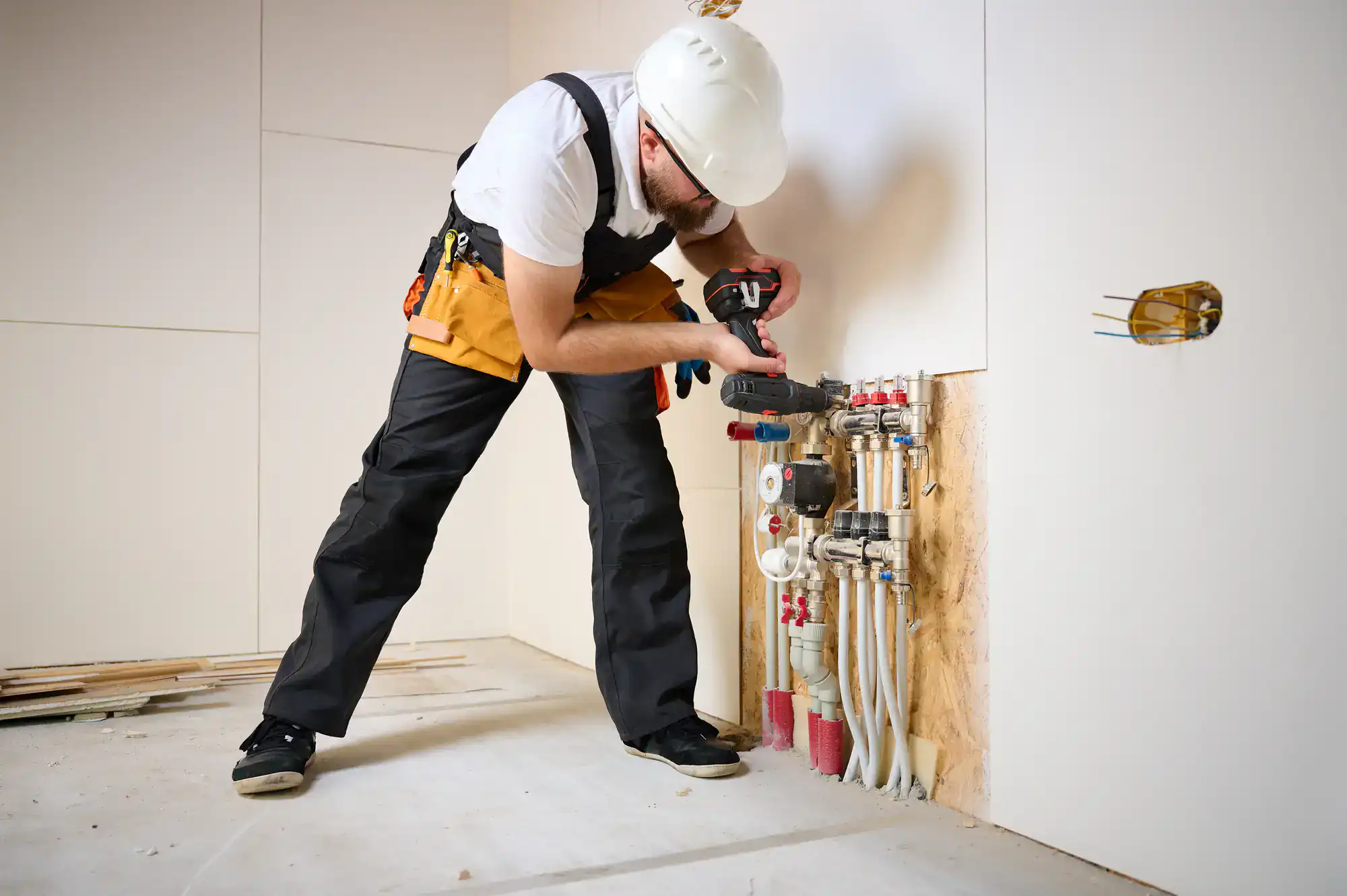
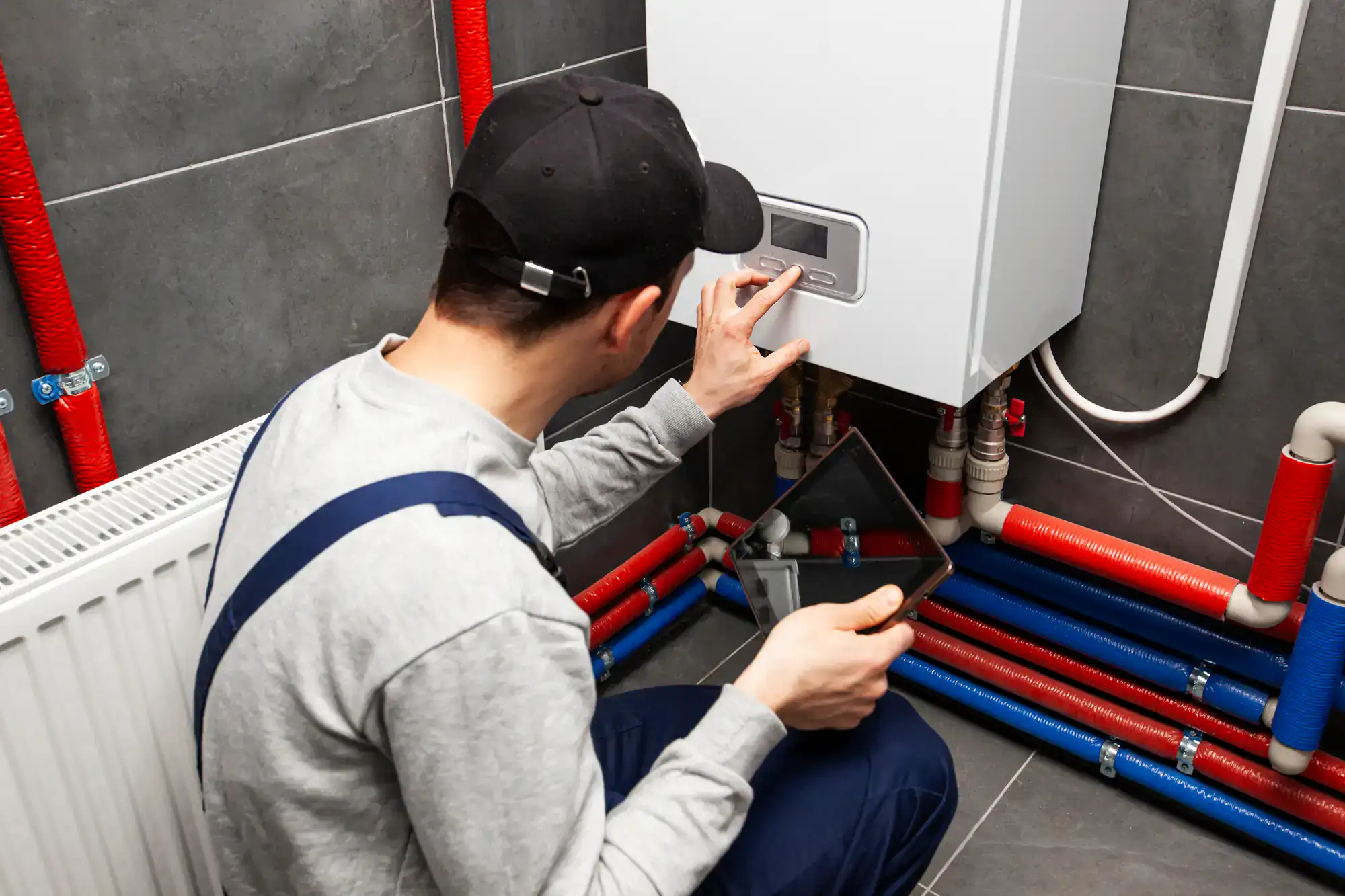
You’re not just getting a new heating system. You’re getting a system that’s sized for San Antonio’s climate—not oversized to hit a sales quota. That means it runs efficiently during our mild winters without cycling on and off constantly, which is what drives up your electric bill and wears out components early.
Heat pumps make the most sense here. San Antonio sits in Climate Zone 10, where you’ll use cooling far more than heating. A properly installed heat pump handles both, and because it transfers heat instead of generating it, you’ll see the difference on your energy bills. With Texas electricity rates up 23% since 2021, efficiency isn’t optional anymore.
The installation matters as much as the equipment. Ductwork that leaks, refrigerant that’s undercharged, or airflow that’s restricted—those mistakes cost you money every month for the next 15 to 20 years. Our technicians are licensed, trained on current code, and focused on getting your residential heating system installation right the first time so you’re not calling someone else to fix it later.
Texas Air Repair has been serving San Antonio homeowners for over 20 years. We’re veteran-owned, which means we show up when we say we will and we don’t cut corners to close a job faster. You’ll work with the same team from your estimate through your final walkthrough.
We’re not the cheapest option in San Antonio, and that’s intentional. You’re paying for proper load calculations, quality installation, and technicians who’ve seen what happens when systems are installed wrong. We also offer 24/7 emergency service, because heating failures don’t wait for business hours.
San Antonio’s mix of mild winters and brutal summers means your HVAC contractor needs to understand how to balance heating and cooling loads. We size systems based on your home’s actual needs, your ductwork condition, and how you use your space—not just square footage pulled from a chart.
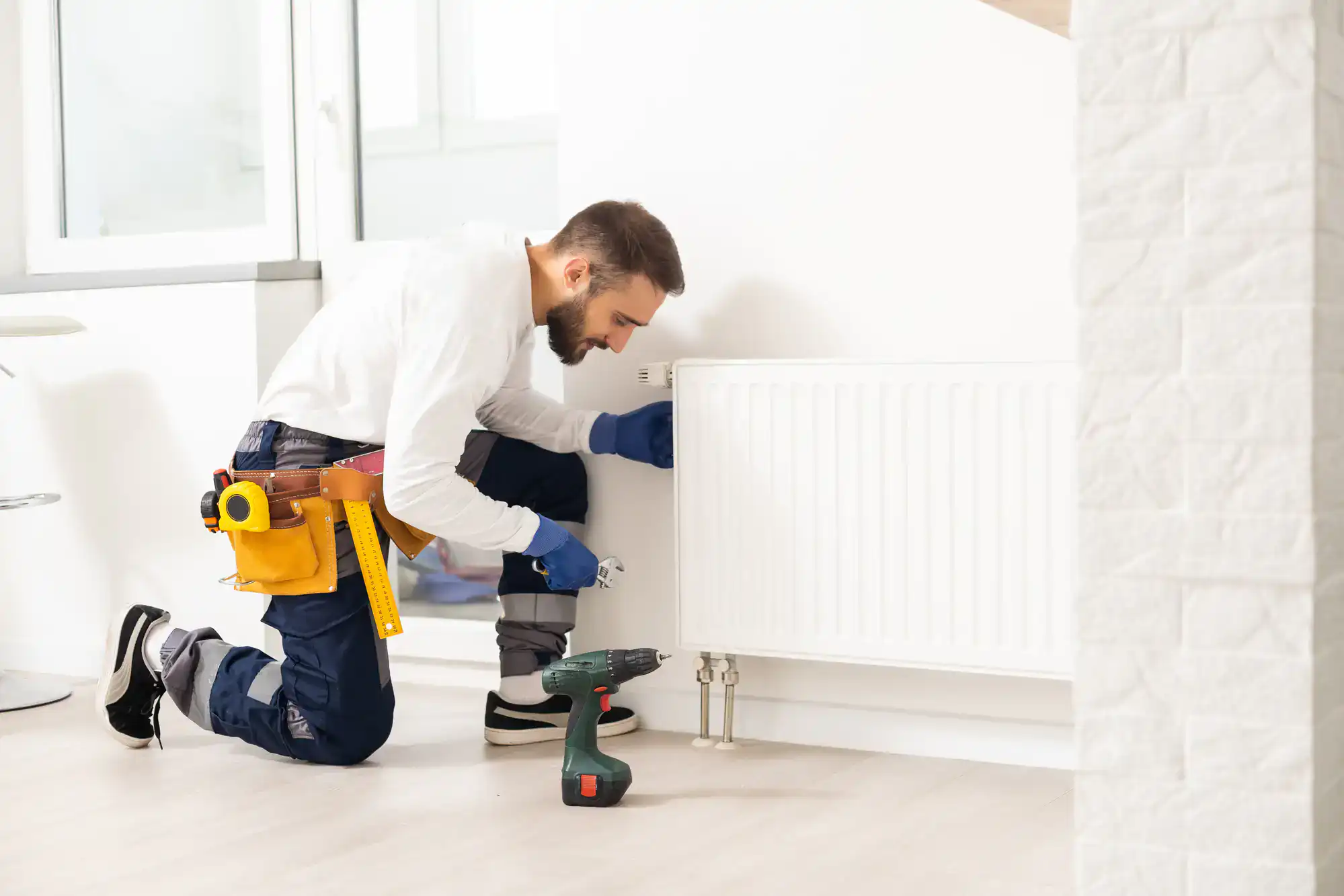
We start with an in-home assessment. That means measuring your space, checking your existing ductwork, reviewing insulation, and running a load calculation to determine what size system you actually need. Oversized systems waste energy. Undersized systems run constantly and never keep up. We size it right.
Once you approve the estimate, we schedule your installation. Most residential heating system installations take one to two days depending on whether we’re replacing an existing system or installing new ductwork. We pull permits, handle inspections, and make sure everything meets current code.
During installation, we remove your old equipment, install the new system, charge refrigerant to manufacturer specs, test airflow, and calibrate your thermostat. Before we leave, we walk you through how your new system works, what to expect during the first few days of operation, and what maintenance looks like going forward. You’ll also get warranty information and our direct line if anything comes up.
Ready to get started?
Every heating system installation in San Antonio includes a full load calculation, permit processing, old equipment removal, and new system startup. We install heat pumps, furnaces, and dual-fuel systems depending on what makes sense for your home and budget.
San Antonio homeowners installing qualifying high-efficiency heat pumps can access CPS Energy rebates ranging from $100 to $275 per ton through January 2027. You may also qualify for federal tax credits up to $2,000 under the Inflation Reduction Act, which runs through 2032. We’ll walk you through what qualifies and provide the documentation you need to claim those savings.
Your installation also includes ductwork inspection and sealing if needed. Leaky ducts can waste 20-30% of your system’s output, which means you’re heating your attic instead of your living room. We test for leaks, seal problem areas, and make sure airflow is balanced across all rooms. If your ductwork is beyond repair, we’ll let you know upfront and give you options—not surprise you halfway through the job.
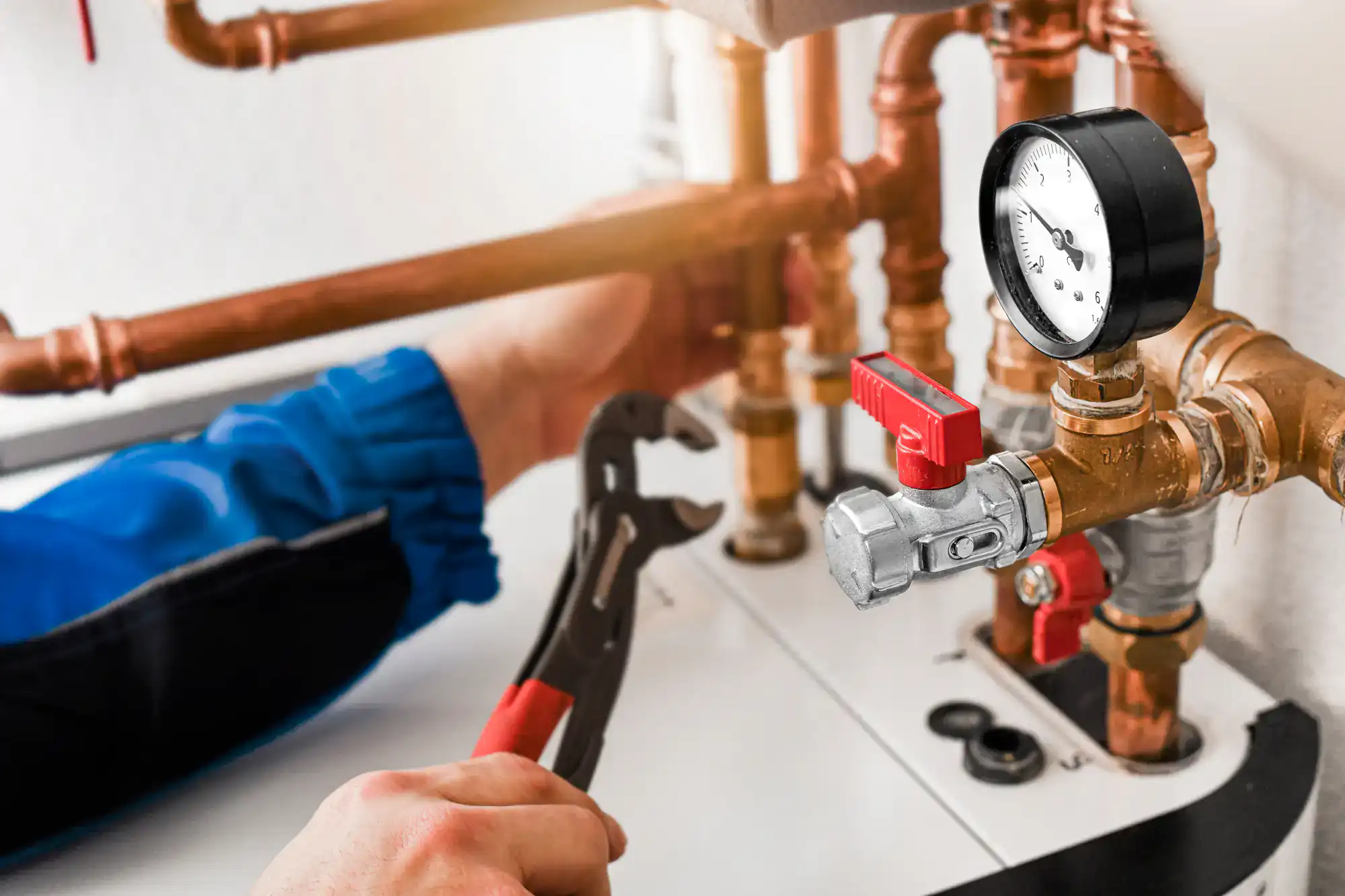
Most residential heating system installations in San Antonio range from $4,500 to $12,000 depending on system type, size, and whether you need ductwork modifications. Heat pumps typically cost more upfront than furnaces, but they handle both heating and cooling, which eliminates the need for a separate AC unit.
The size of your home matters, but it’s not the only factor. A 2,000-square-foot home with poor insulation and leaky ducts will need a larger system than a well-sealed 2,500-square-foot home. That’s why we run a load calculation instead of guessing based on square footage. Oversizing costs you more upfront and more every month in wasted energy.
Rebates and tax credits can offset a significant portion of your cost. CPS Energy offers rebates up to $275 per ton for qualifying systems, and federal tax credits cover up to $2,000 for heat pump installations. Low-income households may qualify for up to $14,000 in federal rebates covering 100% of installation costs. We’ll help you understand what applies to your situation and provide the documentation you need.
System size depends on your home’s square footage, insulation quality, ductwork condition, ceiling height, window efficiency, and how many people live there. A proper load calculation accounts for all of those factors. Rules of thumb like “one ton per 500 square feet” don’t work in real-world applications.
San Antonio’s climate also affects sizing. Because you’ll use cooling far more than heating, your heat pump should be sized primarily for cooling load at our 95°F summer design temperature. Heating capacity at our 33°F winter design temperature is secondary. An HVAC contractor who sizes based only on heating needs will leave you with a system that can’t keep up during July and August.
Oversized systems are a common problem. They cool or heat your home quickly, then shut off before removing enough humidity. That leaves your home feeling clammy in summer and dry in winter. Oversized systems also cycle on and off more frequently, which wears out components faster and drives up repair costs. We size systems to run longer cycles at lower capacity, which improves comfort and efficiency.
Heat pumps make more sense for most San Antonio homeowners. They provide both heating and cooling in one system, and because San Antonio’s winters are mild, heat pumps operate efficiently even during our coldest days. Modern heat pumps are built to handle the heat—older concerns about performance in warm climates don’t apply to today’s high-efficiency models.
Heat pumps transfer heat instead of generating it, which uses less energy than electric furnaces or gas heating. With Texas electricity rates climbing 23% since 2021, that efficiency translates to real savings. You’ll also avoid the cost and maintenance of running separate heating and cooling systems.
Gas furnaces are an option if you already have natural gas service and prefer forced-air heat, but you’ll still need a separate AC unit for cooling. Dual-fuel systems—heat pumps with gas furnace backup—are another option for homeowners who want maximum efficiency in mild weather and gas heat during rare cold snaps. We’ll walk you through the costs and savings for each option based on how you use your home.
Most residential heating system installations take one to two days. Straightforward replacements where we’re swapping an old system for a new one in the same location usually take one full day. Installations that require ductwork modifications, electrical upgrades, or new thermostat wiring may take two days.
We schedule installations to minimize disruption. You’ll know the timeline before we start, and we’ll let you know if we run into anything unexpected like damaged ductwork or outdated electrical panels. We don’t leave jobs half-finished overnight—if we can’t complete the installation in one day, we’ll make sure your old system is operational until we return.
Permit inspections can add a day or two to the overall timeline, but that happens after your system is installed and running. San Antonio requires permits for HVAC installations, and inspections ensure your system meets current building code. We handle the permit process and coordinate with inspectors so you don’t have to.
CPS Energy offers rebates ranging from $100 to $275 per ton for high-efficiency heat pump installations completed by January 2027. The exact rebate depends on your system’s efficiency rating—higher SEER2 ratings qualify for larger rebates. We’ll help you choose a system that maximizes your rebate without oversizing your equipment.
Federal tax credits under the Inflation Reduction Act provide up to $2,000 for qualifying heat pump installations through 2032. The credit covers 30% of your equipment and installation costs up to the $2,000 cap. You’ll claim the credit when you file your taxes, and we’ll provide the manufacturer documentation and installation receipts you need.
Low- and moderate-income households may qualify for additional federal rebates through the High-Efficiency Electric Home Rebate Program. Low-income households can claim up to $14,000 covering 100% of heat pump installation costs. Moderate-income households can claim up to $14,000 covering 50% of costs. Income limits and program availability vary, but we’ll point you toward resources to check your eligibility.
Texas requires HVAC contractors to hold a license issued by the Texas Department of Licensing and Regulation. You can verify a contractor’s license status on TDLR’s website by searching their business name or license number. Licensed contractors have met state requirements for training, insurance, and bonding.
Unlicensed contractors are a real problem in San Antonio. They undercut licensed companies on price, but they don’t pull permits, don’t carry insurance, and disappear when something goes wrong. If your system is installed incorrectly and causes damage to your home, you have no recourse. Manufacturer warranties also require professional installation by a licensed contractor—unlicensed work voids your warranty.
Ask to see a contractor’s license before you sign anything. Licensed contractors will provide their license number without hesitation. You should also verify they carry liability insurance and workers’ compensation coverage. If a technician is injured on your property and the contractor doesn’t carry workers’ comp, you could be held liable.
Other Services we provide in San Antonio
 Call Now