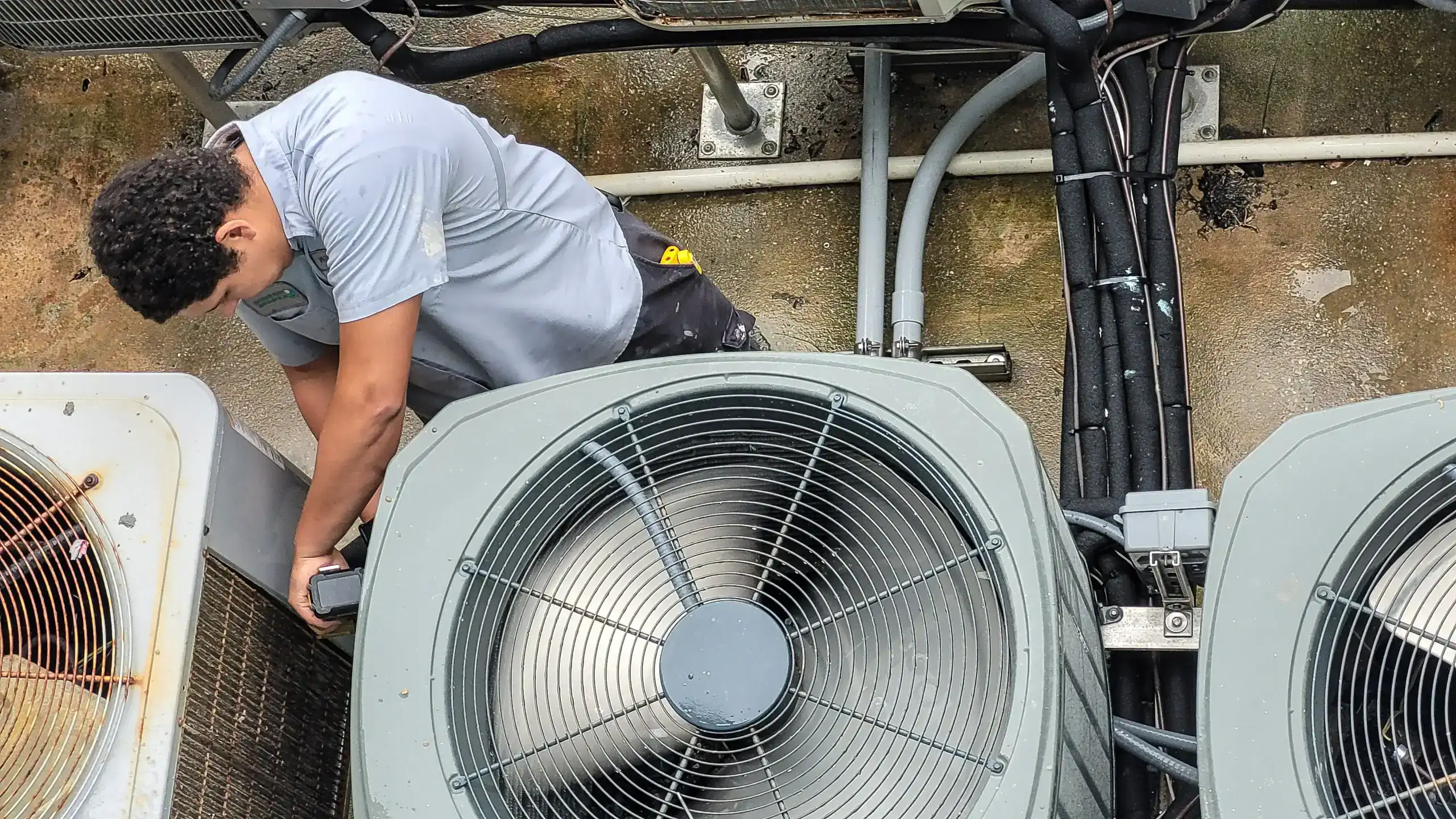
You know what happens when your HVAC fails during a 105-degree San Antonio afternoon. Employees can’t focus. Customers leave. And you’re staring down an emergency repair bill that could’ve been avoided.
Regular commercial HVAC maintenance services aren’t about checking boxes. They’re about catching the small stuff before it becomes expensive. A worn belt, a clogged filter, refrigerant running low—these don’t announce themselves until your system quits in the middle of your busiest day.
Maintained systems use up to 40% less energy. That’s real money back in your operating budget every month. Equipment that gets consistent attention lasts 5 to 10 years longer than systems that only see a technician when something breaks. And when you’re not scrambling for emergency repairs, you’re not paying emergency rates or dealing with downtime that costs you customers.
You get predictable costs, reliable performance, and the peace of mind that comes from knowing your HVAC won’t be the reason your business has a bad day.
We’ve been handling commercial HVAC maintenance in San Antonio, TX since day one. We’re veteran-owned, which means we show up when we say we will, we do the work right, and we don’t waste your time with runarounds or upsells you don’t need.
Our technicians are licensed, certified, and trained on the commercial systems that keep San Antonio businesses running. We’ve worked on everything from small retail spaces to large industrial facilities, and we understand what’s at stake when your HVAC system is responsible for keeping your operation comfortable and compliant.
San Antonio’s climate is tough on commercial systems. Summers regularly hit triple digits, humidity swings are unpredictable, and your equipment works harder here than it would almost anywhere else. We know what fails first, what needs attention most, and how to keep your system running efficiently through conditions that would flatten a poorly maintained unit.
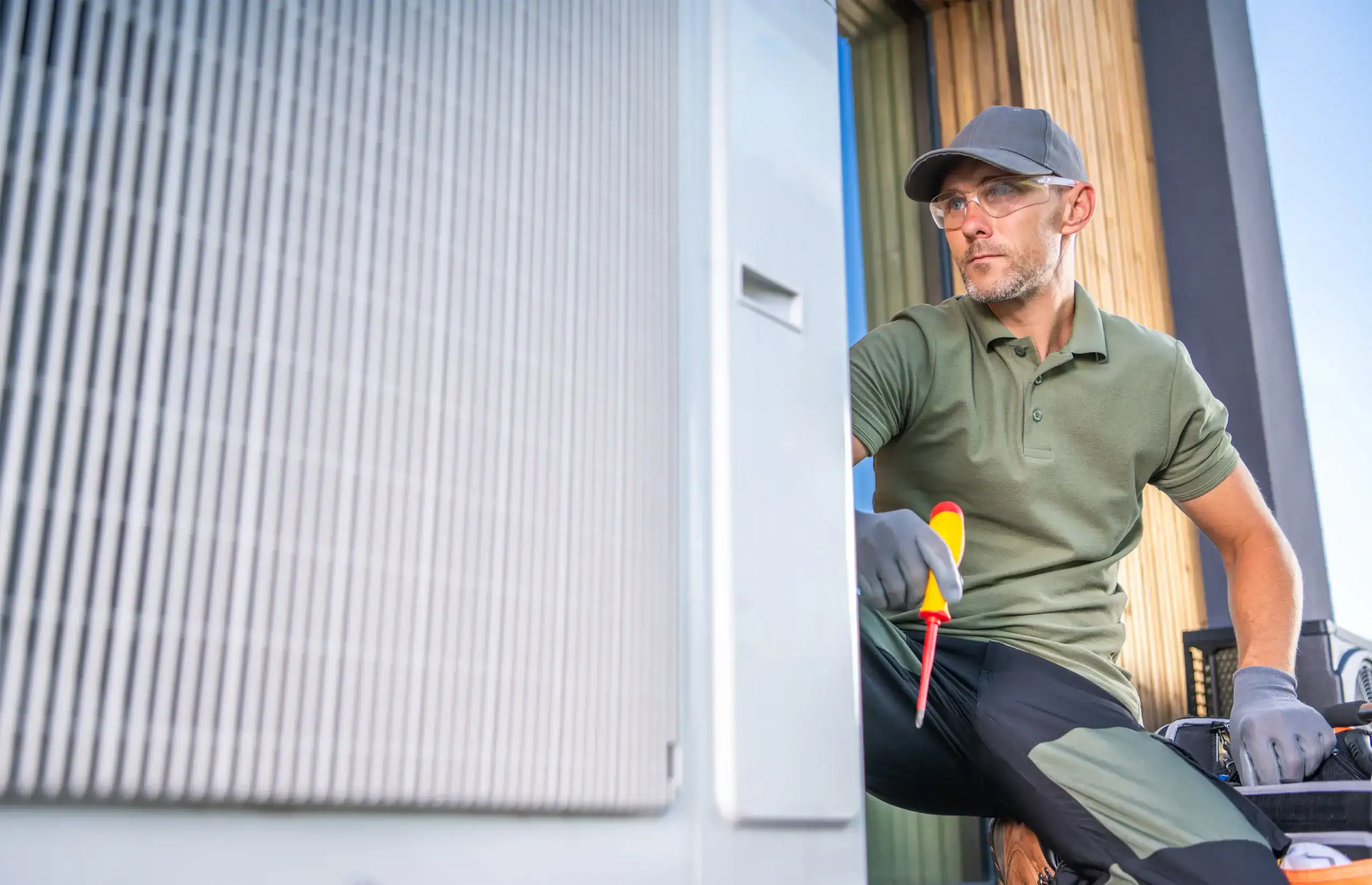
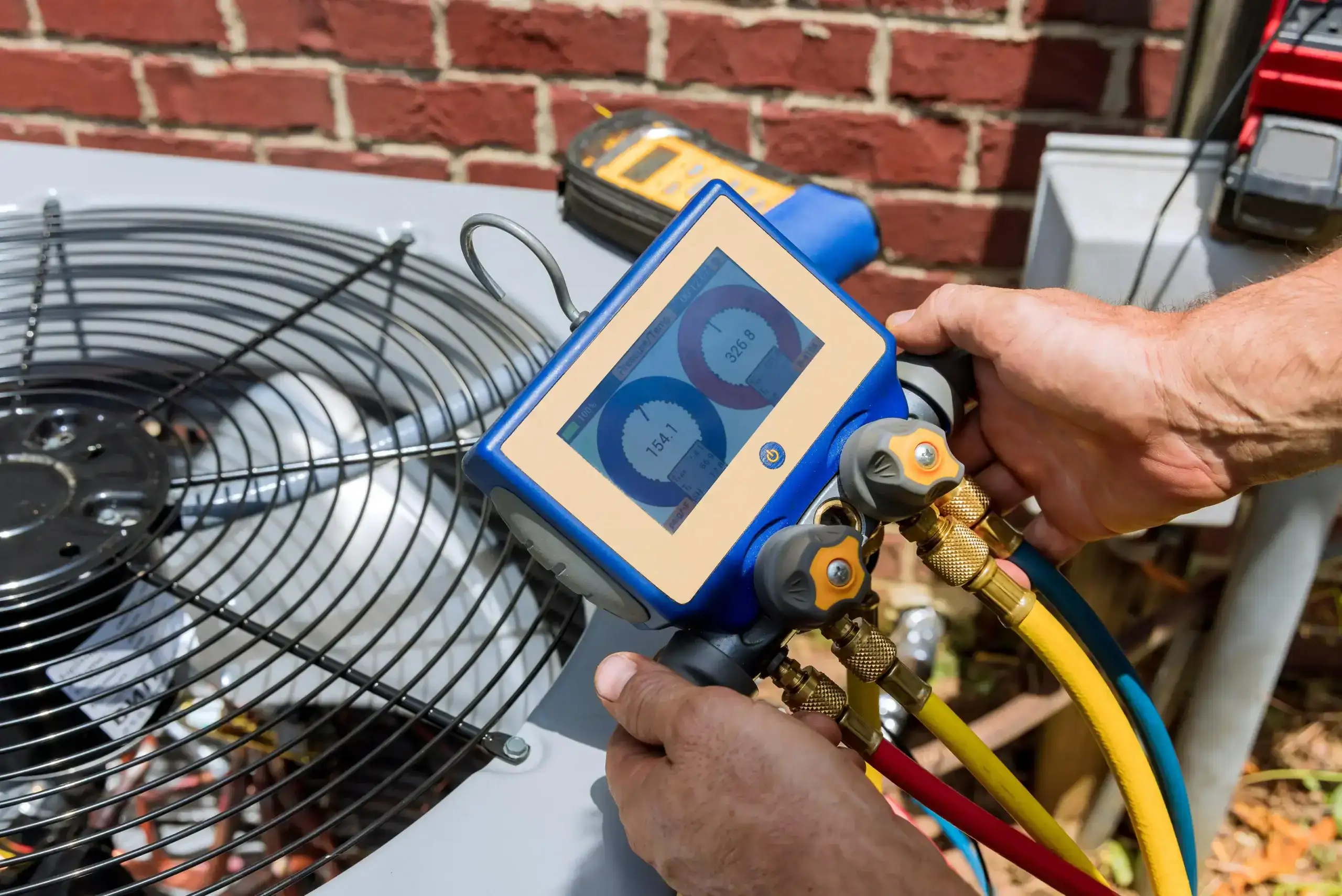
We start with a full system inspection. That means checking refrigerant levels, testing electrical connections, inspecting belts and motors, cleaning coils, and replacing filters. We’re looking for anything that’s wearing down, running inefficiently, or about to cause a problem.
Next, we test your system under load. We want to see how it’s performing when it’s actually working, not just when it’s sitting idle. We measure airflow, check temperatures, and monitor how your system responds to demand. If something’s off, we catch it here.
Then we give you a clear report. No jargon, no scare tactics. Just honest information about what’s working, what needs attention now, and what you should plan for down the road. If repairs are needed, we explain what they are, why they matter, and what they’ll cost before we do anything.
You also get documentation of the work we’ve done, which is useful for warranty compliance, building inspections, and your own records. And if you’re on a maintenance plan, we schedule your next visit before we leave so you’re never guessing when your system needs attention again.

Ready to get started?
A commercial HVAC maintenance plan with us covers the routine care your system needs to stay efficient and reliable. You get scheduled visits—typically quarterly or semi-annually depending on your system size and usage—so maintenance happens on your timeline, not when something breaks.
Each visit includes filter replacement, coil cleaning, refrigerant checks, electrical testing, and a full performance evaluation. We also inspect ductwork for leaks, check thermostats and controls, and lubricate moving parts. These aren’t quick walk-throughs. We’re thorough because we know what happens when something gets missed.
In San Antonio, where your system runs hard for months at a time, this kind of attention makes a difference. You’re not just avoiding breakdowns—you’re keeping energy costs down, extending equipment life, and staying compliant with local codes and manufacturer warranties.
You also get priority scheduling if something does go wrong. Maintenance plan customers move to the front of the line, and you get discounted rates on any repairs that fall outside routine service. We’re available 24/7 for emergencies, so if your system fails after hours or on a weekend, you’re not stuck waiting until Monday.

Most commercial systems in San Antonio should be serviced at least twice a year—once before cooling season and once before heating season. If your system runs constantly, serves a high-traffic space, or operates in a dusty or humid environment, quarterly maintenance is a better fit.
San Antonio’s climate is hard on HVAC equipment. Your system doesn’t get much of a break between seasons, and when it’s running 8 to 12 hours a day through summer heat that regularly tops 100 degrees, components wear faster. Filters clog quicker. Coils collect more debris. Refrigerant levels need monitoring.
Skipping maintenance doesn’t just increase the chance of a breakdown. It also drives up your energy bills because your system has to work harder to deliver the same results. Regular service keeps everything running efficiently, which saves you money and extends the life of your equipment.
Commercial systems are larger, more complex, and work harder than residential units. They’re designed to heat and cool bigger spaces, handle higher occupancy loads, and run longer hours. That means more components, more potential failure points, and more specialized knowledge required to service them properly.
Commercial HVAC maintenance involves checking multi-zone controls, larger ductwork systems, rooftop units, and sometimes multiple systems working together. The stakes are higher too—when a residential system fails, it’s inconvenient. When a commercial system fails, it can shut down your business, cost you customers, and rack up emergency repair bills that hit hard.
You also need a licensed technician who understands commercial building codes, warranty requirements, and the performance standards your system needs to meet. Residential HVAC experience doesn’t automatically translate to commercial work, which is why it matters who you hire.
Maintenance costs depend on your system size, how many units you have, and how often you need service. For smaller commercial buildings under 10,000 square feet, annual maintenance contracts typically run between $3,500 and $8,500. Larger facilities over 50,000 square feet can expect $12,000 to $25,000 or more annually.
Per-visit pricing for small rooftop units averages $350 to $650 in the San Antonio area. Some companies charge by square footage, usually between $0.15 and $0.25 per square foot per year. The more frequently your system is serviced, the lower your per-visit cost tends to be.
What matters more than the upfront cost is what you’re getting. A cheap maintenance visit that misses problems or skips important steps isn’t saving you money—it’s setting you up for expensive repairs later. You want thorough service from licensed technicians who know what to look for and how to keep your system running efficiently.
Yes, but not all of them. Most commercial HVAC failures happen because something wore out, got dirty, or wasn’t adjusted properly—all things that routine maintenance catches before they become emergencies. Belts wear, filters clog, refrigerant leaks, electrical connections loosen. These don’t happen overnight, and they’re all preventable with regular attention.
That said, some failures are unpredictable. A compressor can fail without warning. A control board can short out. Weather events or power surges can damage components no matter how well-maintained your system is. But those scenarios are the exception, not the rule.
The majority of emergency service calls we get are for issues that would’ve been caught during a routine maintenance visit. A system that’s inspected and serviced regularly is far less likely to leave you scrambling for a repair technician in the middle of a San Antonio summer.
If you’re on a maintenance plan with us, you get priority scheduling and discounted repair rates. We’re available 24/7 for emergencies, so if your system fails after hours, on a weekend, or during a holiday, you’re not stuck waiting until business hours to get help.
When you call, we’ll ask a few questions to understand what’s happening, and then we’ll get a licensed technician to your location as quickly as possible. We carry common parts on our trucks, so many repairs can be completed the same day without waiting on special orders or return visits.
Emergency repairs cost more than scheduled maintenance, which is why preventing breakdowns in the first place saves you money. But when something does go wrong, you want a company that responds fast, diagnoses the problem accurately, and gets your system back online without dragging things out or inflating the bill.
Yes. Commercial HVAC work in Texas requires proper licensing, and for good reason. These systems are more complex than residential units, they’re subject to stricter building codes, and mistakes can be expensive—or dangerous.
A licensed contractor has the training and certification to work on commercial equipment safely and correctly. They understand refrigerant handling regulations, electrical codes, and the specific requirements for maintaining warranty coverage on your equipment. If something goes wrong and your system was serviced by an unlicensed technician, your warranty may not cover the damage.
You’re also protecting yourself legally. If an unlicensed contractor causes damage to your property or someone gets hurt because of faulty work, you could be held liable. Licensed contractors carry insurance that covers their work, which means you’re not on the hook if something goes wrong. It’s not worth the risk to save a few dollars upfront.
Other Services we provide in San Antonio
 Call Now