Your heating system either works when you need it, or it doesn’t. When it fails during a cold snap, you’re not thinking about efficiency ratings or brand names. You’re thinking about your family’s comfort and how fast someone can fix it.
That’s where proper installation matters. A heat pump installer who actually sizes your system correctly—using Manual J load calculations, not guesswork—can cut your heating costs by up to 40%. That’s real money back in your pocket every month, not just a sales pitch.
In Olmos Park, TX, where historic homes meet modern comfort expectations, you need an HVAC contractor who understands both. Your 1920s estate has unique challenges: aging ductwork, outdated electrical, and architectural details that matter. A residential heating system installation done right respects your home’s character while delivering the efficiency you’re paying for.
Heat pumps are particularly smart for Texas. They handle our mild winters and brutal summers in one system, using 50% less electricity than separate heating and cooling units. You get year-round comfort without the complexity or the inflated utility bills.
We’ve been handling heating system installation in Olmos Park, TX and throughout San Antonio for over 20 years. We’re veteran-owned, which means we show up when we say we will and we don’t waste your time with upselling or scare tactics.
Your neighborhood has some of the most valuable real estate in Texas. Median home values here are among the highest in the state, and most of these homes were built before World War II. That means you need an HVAC contractor who understands historic construction, not just someone who installs cookie-cutter systems in new subdivisions.
We’re EPA-certified, fully licensed, and insured. Our technicians have seen every configuration of ductwork, every quirk of older electrical systems, and every challenge that comes with maintaining comfort in homes that have stood for nearly a century. When we quote a job, that’s the price. No surprises, no hidden fees, no games.
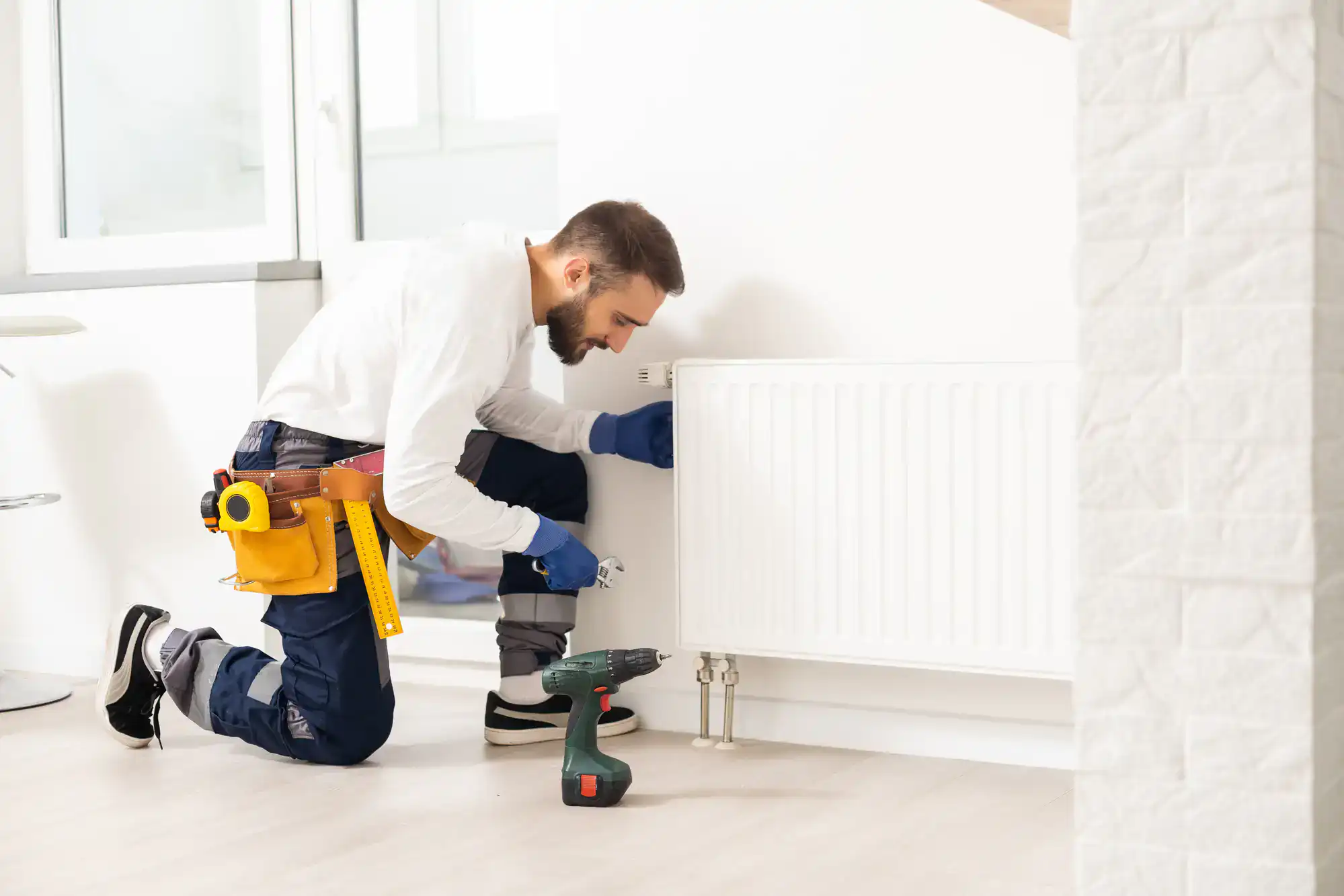
First, we come to your home and do a proper assessment. Not a five-minute walkthrough—an actual Manual J load calculation that factors in your home’s square footage, insulation, window placement, and ductwork condition. This determines the right size system for your specific home. Oversized systems waste energy and money. Undersized systems run constantly and fail early.
Next, we walk you through your options. Heat pumps make sense for most Olmos Park, TX homes because they handle both heating and cooling efficiently. We’ll explain what federal tax credits and local rebates you qualify for—up to $2,000 in federal credits and potentially $8,000 in state rebates for qualifying systems. We help you capture every dollar available.
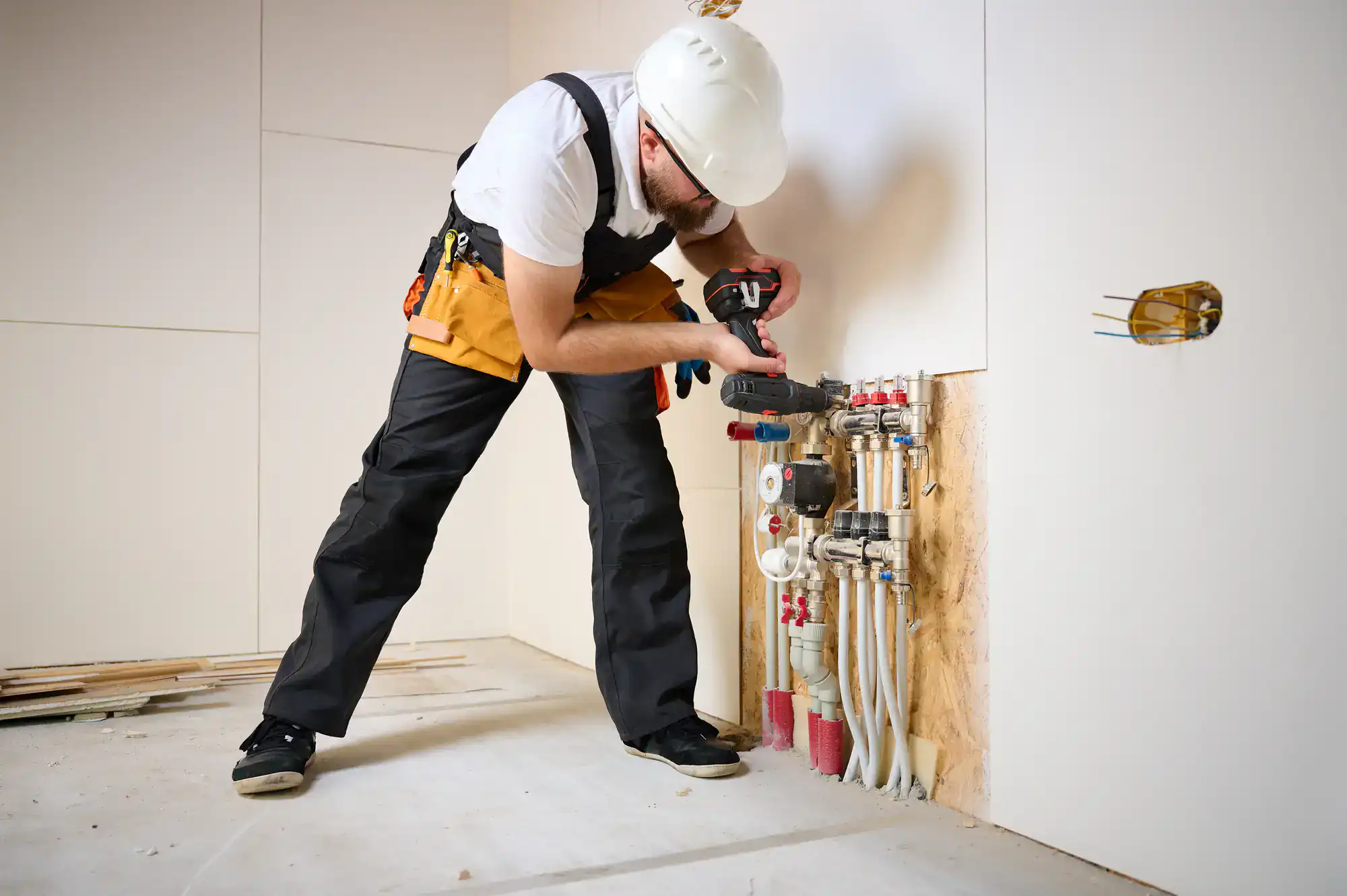
Installation day, we protect your home like it’s our own. Drop cloths, floor protection, careful handling of your belongings. Most residential heating system installation projects take one to two days depending on complexity. We remove your old system, install the new one, test everything thoroughly, and show you how to operate it before we leave.
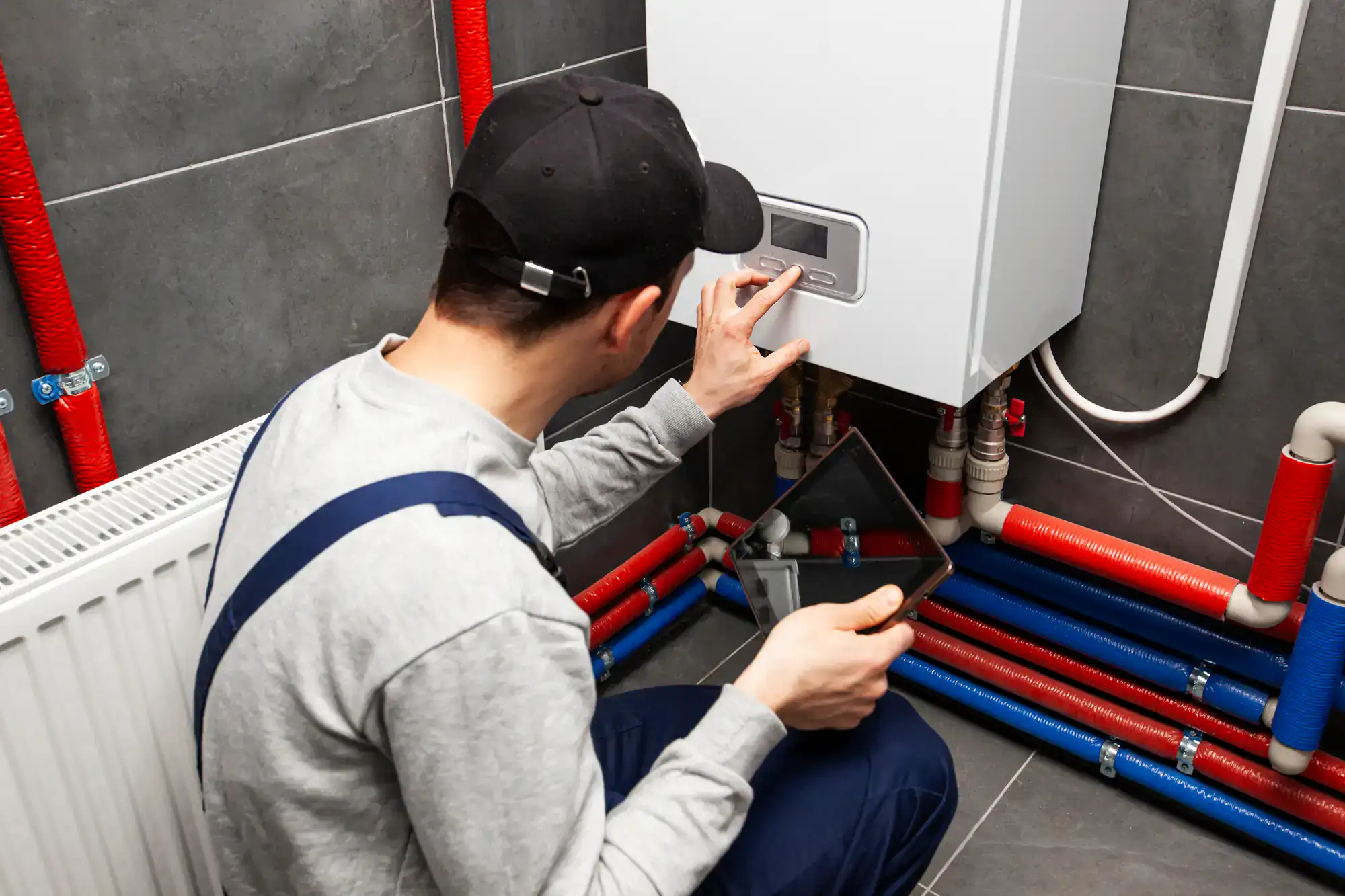
After installation, we’re still here. You get comprehensive warranty coverage on parts and labor, plus 24/7 emergency service if something goes wrong. We’re not a company that installs and disappears. We’re local, and we’re staying local.
Ready to get started?
Every heating system installation in Olmos Park, TX includes a complete system evaluation, not just a replacement of your old unit. We inspect your ductwork for leaks, check your electrical capacity, verify your thermostat compatibility, and confirm your insulation is adequate. If something needs attention, we tell you upfront—not six months later when you’re calling about high bills.
You get equipment that’s properly matched to your home. Heat pumps in Texas need to handle 100-degree summers and occasional freezing winters. We install systems rated for our climate, not whatever’s on sale. Modern heat pumps operate quietly, integrate with smart thermostats, and require minimal maintenance when installed correctly.
The typical investment for professional heating installation services in a 2,500-square-foot Olmos Park home ranges from $8,000 to $18,000 depending on system type and complexity. That includes removal of your old system, installation of the new one, all necessary permits, and thorough testing. With federal and state incentives, your out-of-pocket cost drops significantly—and most homeowners see payback through lower energy bills within three to five years.
Texas leads the nation with over 2 million heat pumps installed. The technology works here. The savings are real. You just need an HVAC contractor who installs it right the first time.
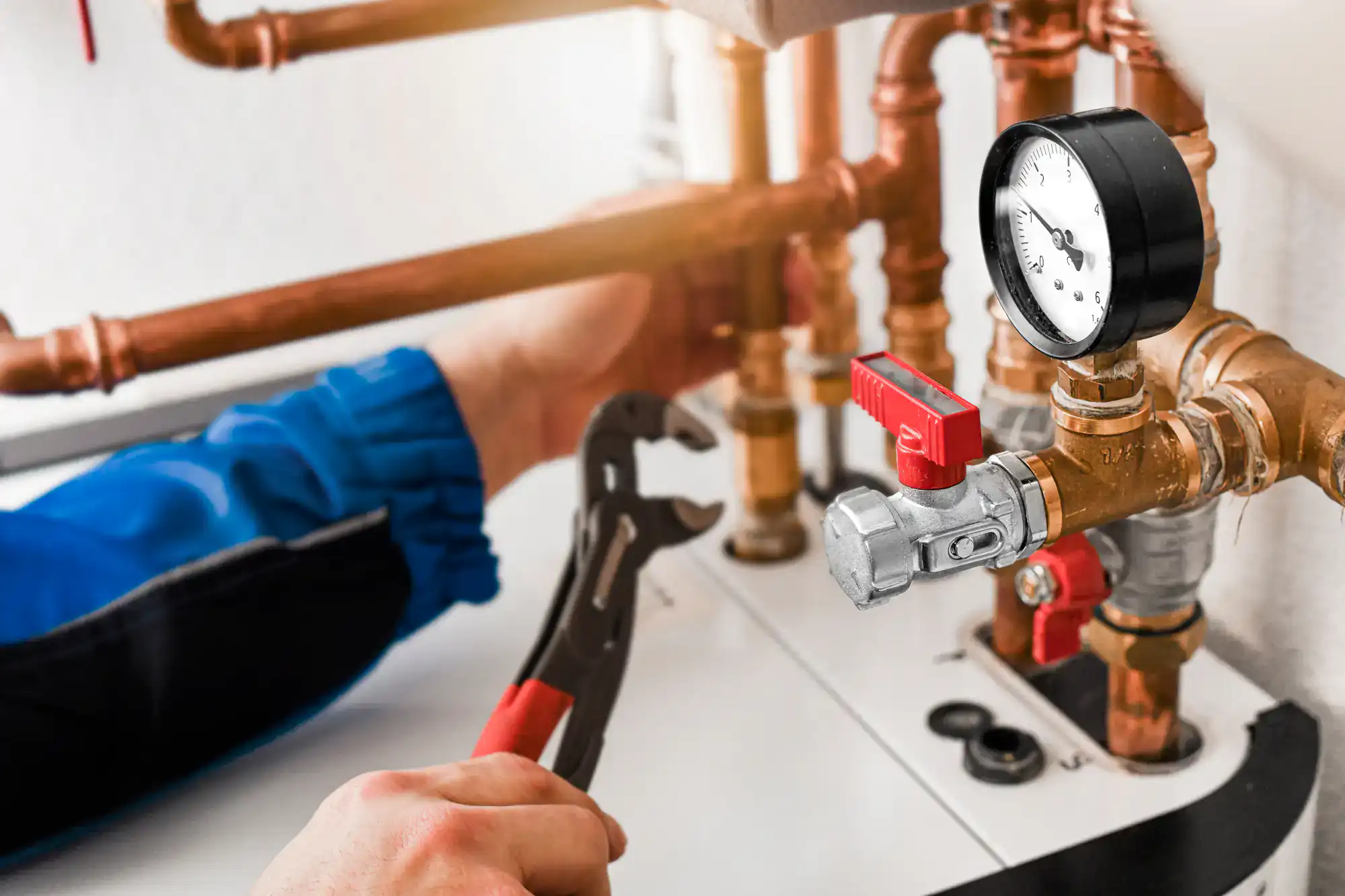
Most residential heating system installation projects in Olmos Park, TX take one to two days from start to finish. Day one typically involves removing your old system and beginning the new installation. Day two covers completion, testing, and walkthrough.
Historic homes sometimes take longer. If your ductwork needs modification or your electrical panel requires upgrading to handle a new heat pump, add another day or two. We’ll know this after the initial assessment and we’ll tell you upfront—no surprises mid-project.
Weather can affect timing, but we work year-round. If we schedule your installation and something comes up on our end, we’ll call you immediately. If a cold front’s coming and you need emergency service, we’re available 24/7. We’ve been doing this in San Antonio for over 20 years. We know how to manage timelines and we respect yours.
For a typical Olmos Park home around 2,500 square feet, expect to invest between $8,000 and $18,000 for a complete heat pump installation. That covers equipment, labor, permits, removal of your old system, and testing. Smaller homes cost less. Larger estates or homes requiring ductwork modifications cost more.
Here’s what changes the price: system efficiency rating, whether you need ductwork repairs, electrical upgrades, and the complexity of your home’s layout. A straightforward replacement in a home with good existing infrastructure costs less than a full system upgrade in a 1920s estate with outdated ductwork.
Federal tax credits can return up to $2,000 or 30% of project cost. Texas offers rebates up to $8,000 for qualifying heat pump installations. We help you navigate these programs so you capture every dollar available. After incentives, many homeowners see their actual cost drop by 20-40%. Then factor in 40% lower heating and cooling bills, and most systems pay for themselves within three to five years.
Modern heat pumps handle Texas winters without issue. They’re designed to operate efficiently in temperatures well below our typical winter lows. Even during events like the 2021 winter storm, properly installed heat pumps with backup heat strips kept homes comfortable when the power stayed on.
The key is proper sizing and installation. An undersized system or one installed without adequate backup heating struggles during extreme cold. That’s why we do Manual J load calculations—to ensure your system has the capacity to handle both our 100-degree summers and those occasional 20-degree winter nights.
Heat pumps work by moving heat rather than generating it, which is why they’re so efficient. In Texas’s mild winters, they use about 50% less electricity than traditional heating systems. When temperatures drop below freezing, supplemental heat strips kick in automatically. You don’t do anything—the system handles it. And unlike furnaces that can fail catastrophically, heat pumps degrade gradually, giving you warning before complete failure.
Usually, yes—but it depends on the condition of your existing ductwork. Most Olmos Park homes built in the 1920s through 1940s have ductwork that can accommodate modern heat pumps, but we need to inspect it first. Leaky or undersized ducts waste energy and reduce comfort, regardless of how efficient your new system is.
During our initial assessment, we check your ductwork for leaks, proper sizing, and adequate insulation. If we find issues, we’ll explain what needs repair and why. Sometimes it’s a simple seal job. Sometimes sections need replacement. We’ve worked in enough historic homes to know how to upgrade systems without damaging original architectural details.
Ductless mini-split systems are another option if your ductwork is beyond practical repair. These systems don’t use ducts at all—they deliver heating and cooling directly to each room through small wall-mounted units. They’re incredibly efficient, they preserve your home’s historic character, and installation is less invasive than replacing an entire duct system. We’ll walk through all options and let you decide what makes sense for your home and budget.
Most Olmos Park homeowners see heating and cooling costs drop by 30-40% after upgrading to a properly sized heat pump. For a typical 2,500-square-foot home, that’s $300 to $600 in annual savings. Larger homes or those replacing very old, inefficient systems save even more.
Heat pumps use about 50% less electricity than separate heating and cooling systems because they move heat instead of generating it. They’re also more efficient at cooling than traditional air conditioners. Over a 15-year lifespan—the typical life of a well-maintained heat pump—you’re looking at $4,500 to $9,000 in total energy savings, often more than the system’s cost after factoring in federal and state incentives.
Your actual savings depend on your current system’s efficiency, your home’s insulation, and your usage patterns. During your assessment, we can estimate your specific savings based on your current energy bills and home characteristics. We don’t inflate numbers to make a sale. We give you realistic projections so you can make an informed decision. If a new system doesn’t make financial sense for your situation, we’ll tell you that too.
You call us, and we respond. We offer 24/7 emergency service throughout Olmos Park, TX and San Antonio. During heating emergencies, we typically arrive within hours, not days. We stock common parts and our technicians drive fully equipped trucks, so most repairs happen on the first visit.
Your new installation includes comprehensive warranty coverage on both parts and labor. If something fails due to manufacturing defect or installation error, we fix it at no cost to you. Most heat pump manufacturers offer 5-10 year parts warranties, and we back our installation work completely.
Heating emergencies are stressful. You shouldn’t have to wait days for a callback or deal with an answering service that doesn’t care. When you call our emergency line, you reach someone who can actually help you—not a script-reader in another state. We’ve been serving this community for over 20 years. Our reputation depends on showing up when you need us, especially during the times that matter most.
Other Services we provide in Olmos Park
 Call Now