Summary:
How Regular HVAC Maintenance Saves You Money
The financial benefits of routine HVAC maintenance are both immediate and long-term. When your system runs efficiently, you see lower monthly energy bills. When components are properly maintained, you avoid expensive emergency repairs.
According to the U.S. Department of Energy, regular HVAC maintenance can reduce energy consumption by 5-15%. For a typical household, this translates to hundreds of dollars in annual savings. Industry studies show that every dollar spent on planned maintenance saves $3-$5 in repair costs over time.
The numbers tell a compelling story: emergency repairs cost 50-100% more than standard service calls, and 85% of HVAC repairs stem from lack of proper maintenance.
Energy Efficiency Improvements Through Maintenance
Clean systems operate dramatically more efficiently than neglected ones. When air filters are clogged, coils are dirty, or components haven’t been properly lubricated, your system works harder to achieve the same results.
Research from the National Air Duct Cleaners Association shows that clean HVAC systems demonstrate 41-60% reduction in fan and blower energy consumption. Simply replacing or cleaning air filters can improve efficiency by up to 15%. For businesses, comprehensive maintenance programs can save up to 35% on utility expenses.
In San Antonio’s climate, where your AC runs for months on end, these efficiency gains compound quickly. A well-maintained system that uses 10% less energy can save hundreds of dollars annually on electricity bills. Over the 15-20 year lifespan of your equipment, these savings often exceed the total cost of all maintenance performed.
The Department of Energy estimates that organizations achieve 5-20% annual energy savings through proper operations and maintenance practices. For homeowners, this means your maintenance investment pays for itself through reduced utility bills, often within the first year.
Avoiding Costly Emergency Repairs
Nothing disrupts your comfort—or your budget—like an HVAC emergency during peak summer heat. Emergency service calls cost significantly more than scheduled maintenance, and the inconvenience factor is enormous when temperatures are soaring above 100°F.
Preventive maintenance catches small problems before they become expensive disasters. During routine inspections, technicians identify worn components, detect refrigerant leaks, and spot potential electrical issues. Addressing these minor problems during scheduled service prevents major breakdowns that could leave you without air conditioning when you need it most.
Consider the cost comparison: annual maintenance typically runs $150-$450, while major repairs can cost $1,500-$3,000 or more. A compressor failure—often preventable through regular maintenance—can cost over $2,000 to repair. System replacement in Texas ranges from $5,000-$12,000 depending on size and efficiency.
The statistics are clear: comprehensive planned maintenance programs result in 50% reduction in total maintenance costs compared to reactive approaches. When you factor in the avoided emergency service fees, lost productivity from system downtime, and the stress of dealing with equipment failures during extreme weather, preventive maintenance becomes an obvious choice.
Extending Your HVAC System's Lifespan
In Texas’s demanding climate, HVAC systems face unique challenges. The combination of extreme heat, high humidity, and nearly year-round operation puts tremendous stress on equipment. Regular maintenance is your best defense against premature system failure.
Well-maintained HVAC systems typically last 15-20 years, while neglected systems often fail after just 10-12 years. In a climate like ours, where systems work overtime, this difference becomes even more pronounced. The key is consistent care that keeps all components operating within their designed parameters.
Most manufacturer warranties require proof of annual maintenance to remain valid. Skipping maintenance doesn’t just risk equipment failure—it can void your warranty coverage, leaving you responsible for the full cost of repairs or replacement.
What Happens During Professional HVAC Maintenance
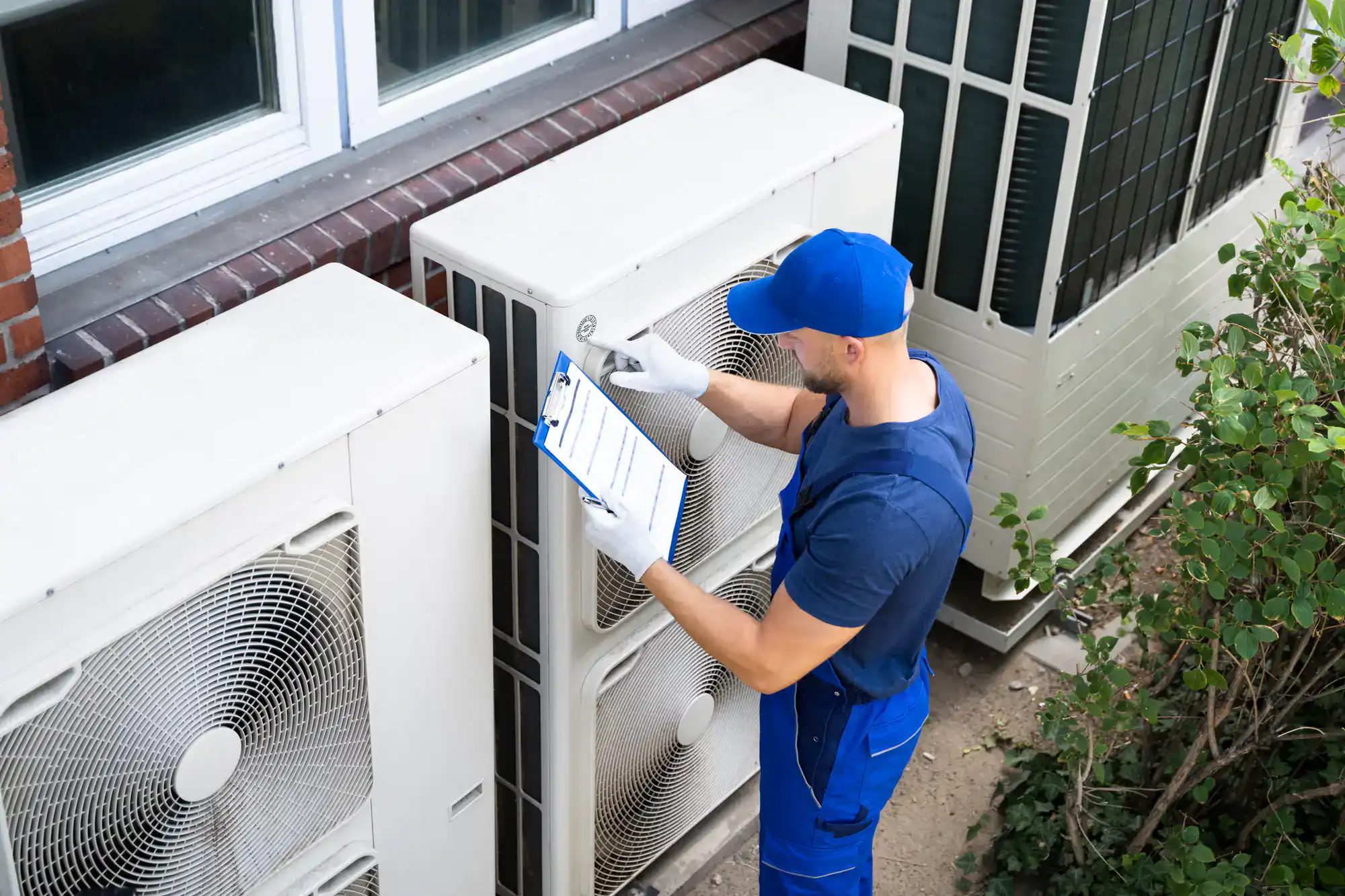
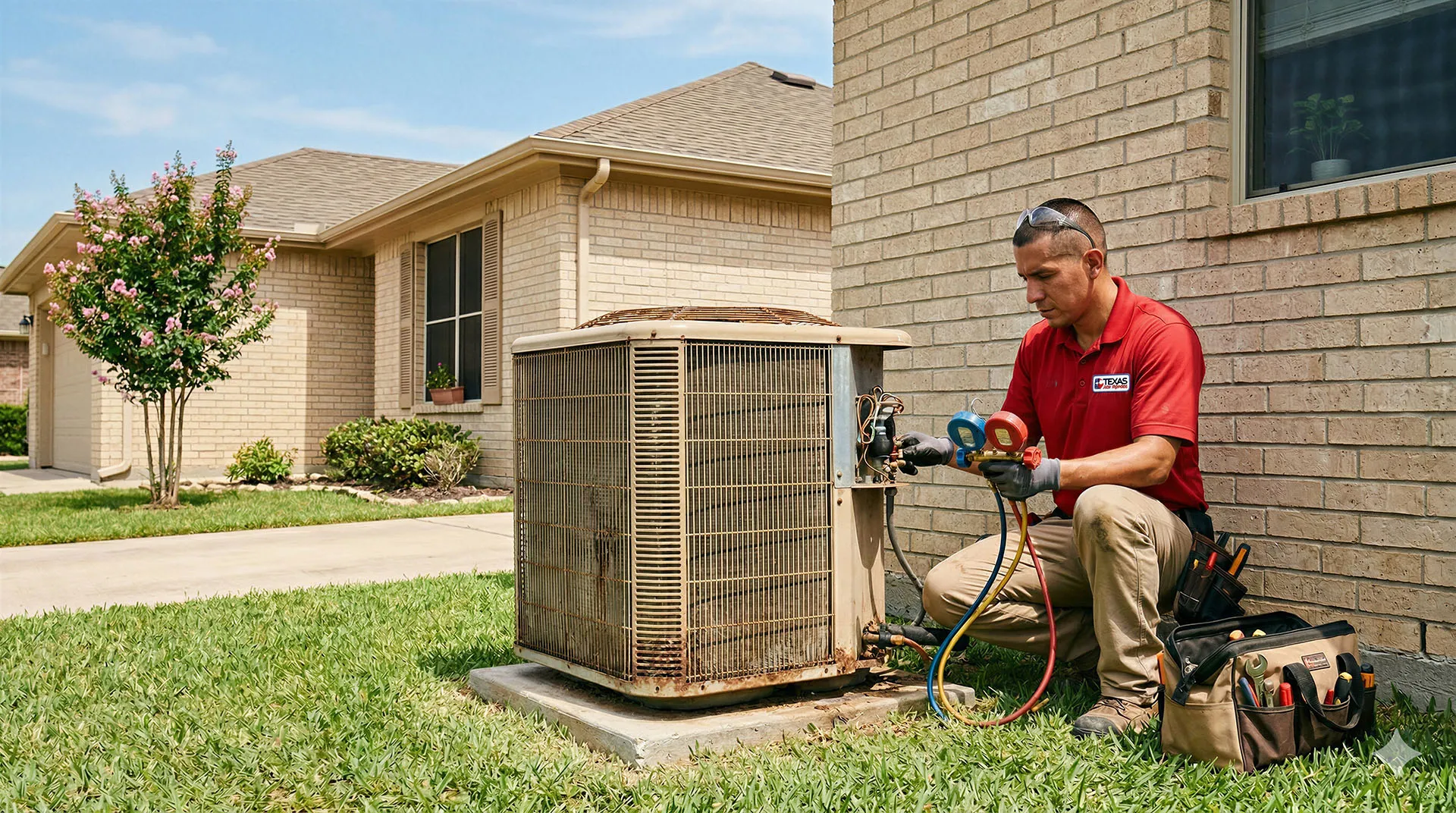
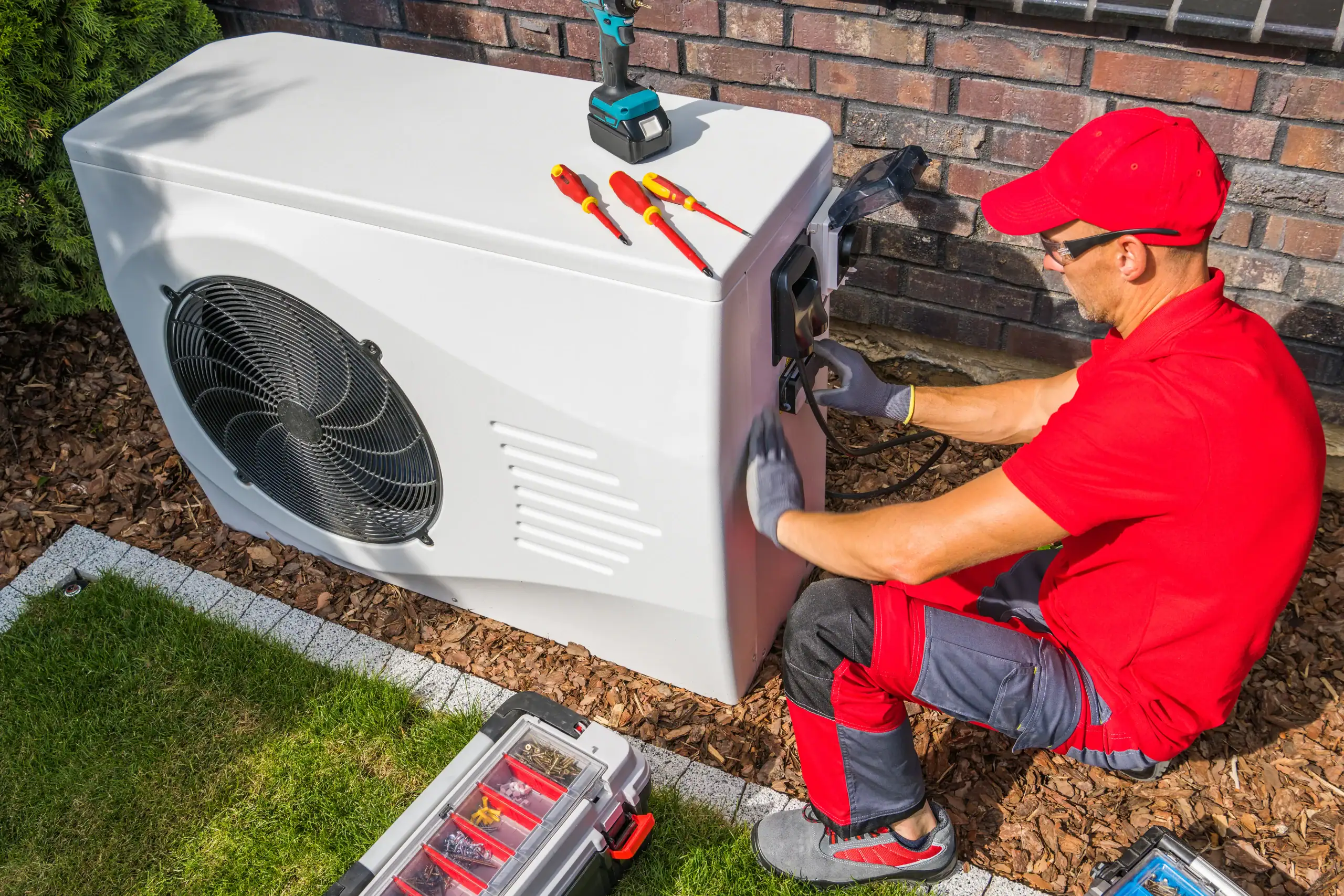
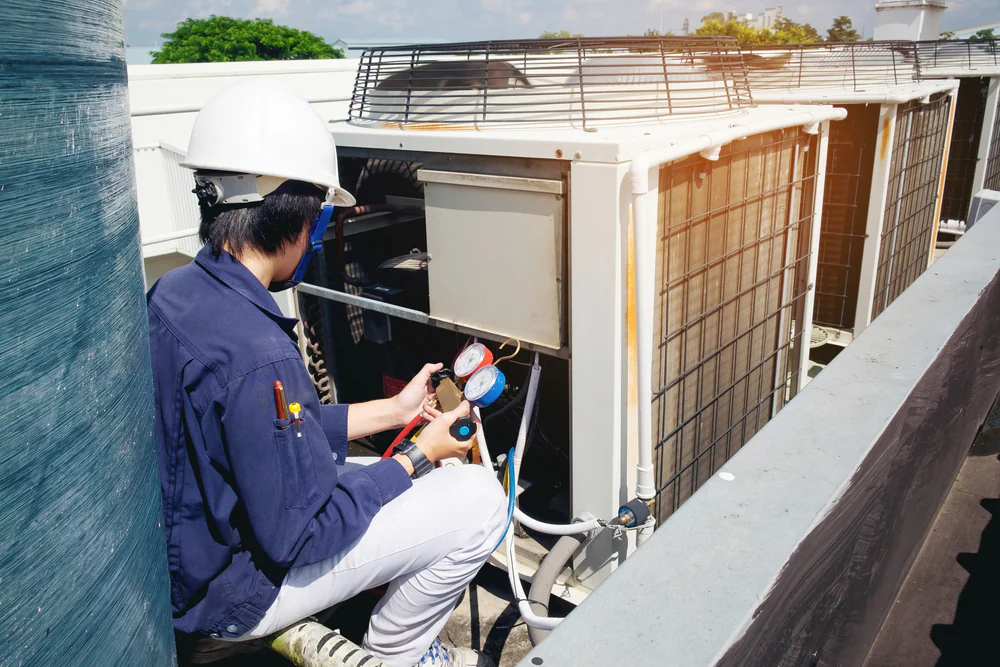
Professional HVAC maintenance goes far beyond changing air filters. Comprehensive service includes inspecting and cleaning coils, checking refrigerant levels, lubricating moving parts, testing electrical connections, and calibrating thermostats for optimal performance.
Technicians examine your system’s major components—compressor, condenser, evaporator coils, and ductwork—looking for signs of wear or potential problems. They clean debris from outdoor units, ensure proper airflow throughout your home, and verify that safety controls function correctly.
In San Antonio’s climate, specific attention goes to issues common in our area: dust buildup from dry conditions, clogged drain lines from high humidity, and strain on compressors from constant operation during summer months. Professional technicians understand these local challenges and address them proactively.
The inspection process also includes checking your home’s overall system performance. Technicians measure temperature differences, test airflow rates, and ensure your system maintains consistent comfort throughout your home. They’ll identify ductwork issues, insulation problems, or other factors that force your HVAC system to work harder than necessary.
Regular maintenance creates a detailed service history for your equipment, helping technicians track performance trends and anticipate future needs. This proactive approach prevents surprises and helps you budget for eventual system upgrades or replacements.
The Texas Climate Factor: Why Maintenance Matters More Here
Texas presents unique challenges for HVAC systems that make regular maintenance even more critical than in milder climates. Our combination of extreme heat, high humidity, and extended cooling seasons creates the perfect storm for equipment stress.
Summer temperatures regularly exceed 100°F, forcing air conditioning systems to run continuously for months. This constant operation accelerates wear on all components—compressors, fans, electrical connections, and refrigerant systems. Without proper maintenance, this stress leads to premature failures and reduced efficiency.
High humidity adds another layer of complexity. Your system must remove moisture from the air while cooling, placing additional demand on evaporator coils and drainage systems. Clogged drain lines—a common problem in humid climates—can cause water damage and system shutdowns.
San Antonio’s environment also means more dust and debris entering your system. Outdoor units collect dirt, leaves, and other materials that restrict airflow and reduce efficiency. Indoor components face increased particle loads that clog filters and coat coils, forcing your system to work harder.
These factors combine to create an environment where neglected HVAC systems fail faster and cost more to operate. Regular maintenance addresses each of these challenges, keeping your system running efficiently despite our demanding climate. The investment in professional care pays dividends in reliability, efficiency, and longevity.
Making Smart Decisions About HVAC Maintenance
The evidence is overwhelming: regular HVAC maintenance saves money, prevents problems, and extends equipment life. In Texas’s challenging climate, these benefits become even more pronounced. The question isn’t whether you can afford maintenance—it’s whether you can afford to skip it.
Smart homeowners view HVAC maintenance as insurance for their comfort and their wallet. The modest annual investment in professional service prevents expensive emergencies, reduces energy costs, and protects one of your home’s most important systems.
When you’re ready to protect your HVAC investment with professional maintenance, trust our experienced team at Texas Air Repair. We’re a -owned company that has served San Antonio homeowners for over 30 years, providing the expertise and reliability you need to keep your system running at peak performance.