
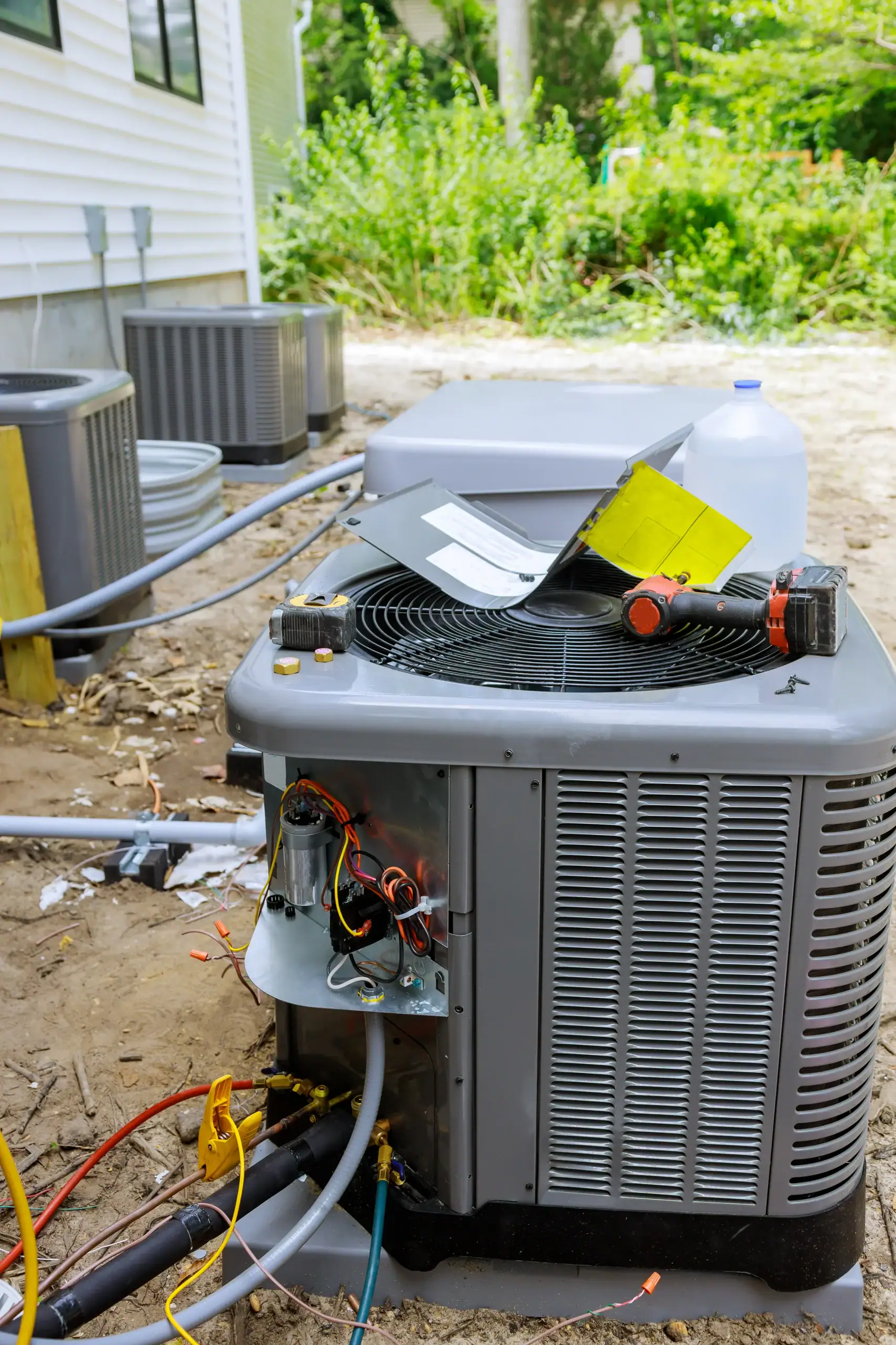
You’re running a business in one of the hottest climates in the country. Your HVAC system shouldn’t be adding to your overhead.
Commercial heat pumps give you both heating and cooling in one efficient system. That means you’re not paying to run two separate units. You’re not dealing with the headaches of coordinating multiple service calls or juggling different maintenance schedules.
In Terrell Hills, where summer temperatures regularly hit triple digits, your cooling system works overtime. A properly installed heat pump can cut your energy consumption by 40-60% compared to traditional electric heating and cooling. That’s real money back in your budget every single month. And when those occasional cold snaps roll through in winter, the same system reverses course and keeps your space warm without the fuel costs of a traditional furnace.
We’ve been handling commercial HVAC needs across the San Antonio area for over 20 years. As a -owned company, we approach every job with discipline, integrity, and a commitment to getting it right the first time.
Terrell Hills businesses face unique challenges. Properties here tend to be well-maintained, and owners expect the same level of quality from their service providers. Our certified technicians understand commercial heat pump systems inside and out, from air-source units to rooftop packaged systems.
We offer 24/7 emergency service because HVAC problems don’t wait for business hours. When your system goes down during a heat wave or a cold front, you need someone who answers the phone and shows up ready to work.
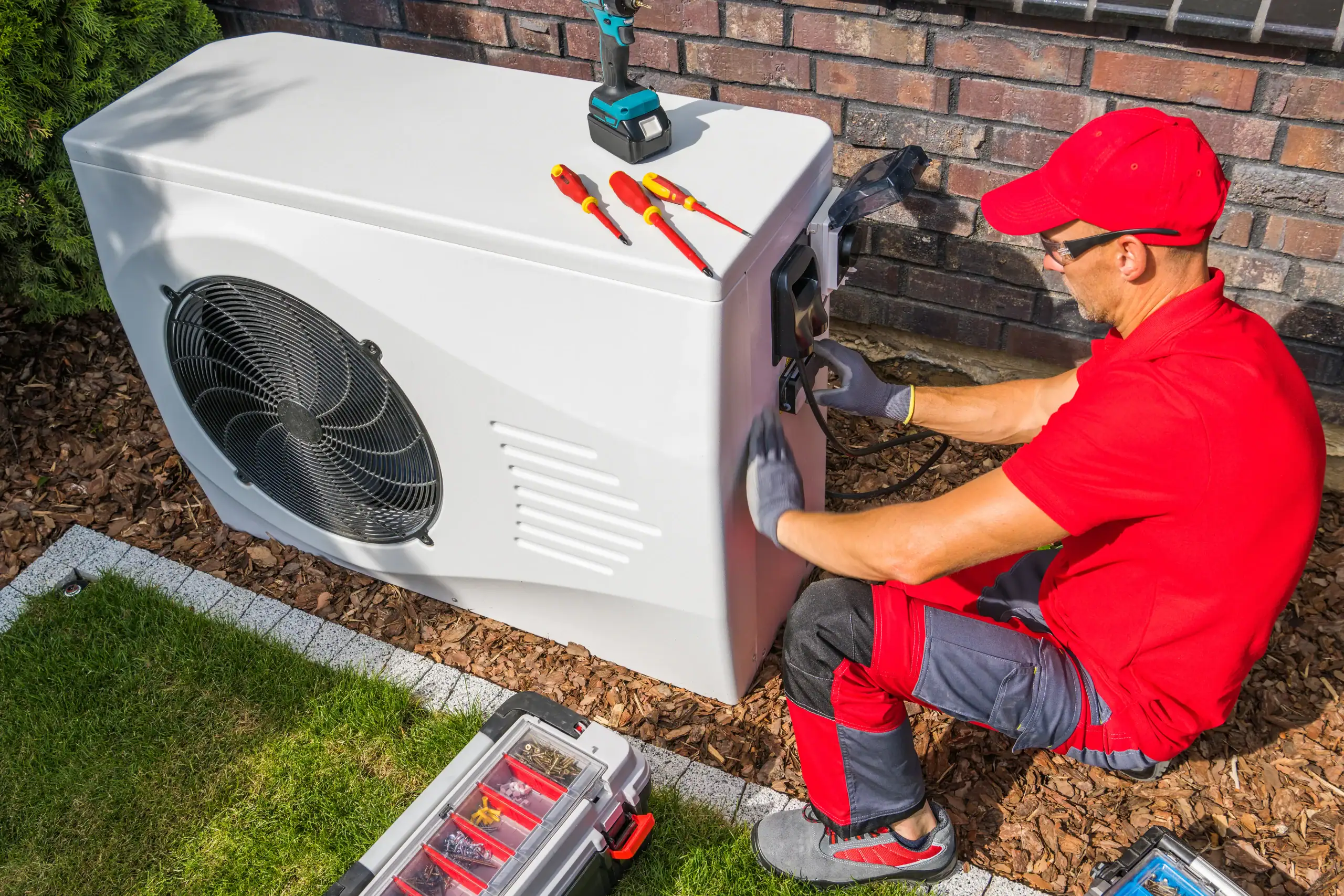
Getting a commercial heat pump installed isn’t complicated when you’re working with experienced technicians.
First, one of our technicians visits your property to assess your heating and cooling needs. We’ll look at square footage, insulation, ceiling height, occupancy patterns, and your current system. This isn’t a sales pitch—it’s a technical evaluation to determine the right size and type of heat pump for your building. Undersized systems struggle to keep up, and oversized systems waste energy and cycle too frequently.
Once the assessment is complete, you’ll get a clear quote that includes equipment, installation, and any necessary electrical work or modifications. No surprises, no hidden fees.
Installation typically happens during off-hours or slower business periods to minimize disruption. We remove old equipment if needed, install the new heat pump system, connect it to your existing ductwork or install new distribution as required, and test everything to ensure it’s running at peak efficiency. You’ll get a walkthrough of the new system and guidance on optimal settings for your space.
After installation, regular maintenance keeps your system running efficiently. Most manufacturers recommend annual service, and we offer maintenance plans that fit your schedule and budget.
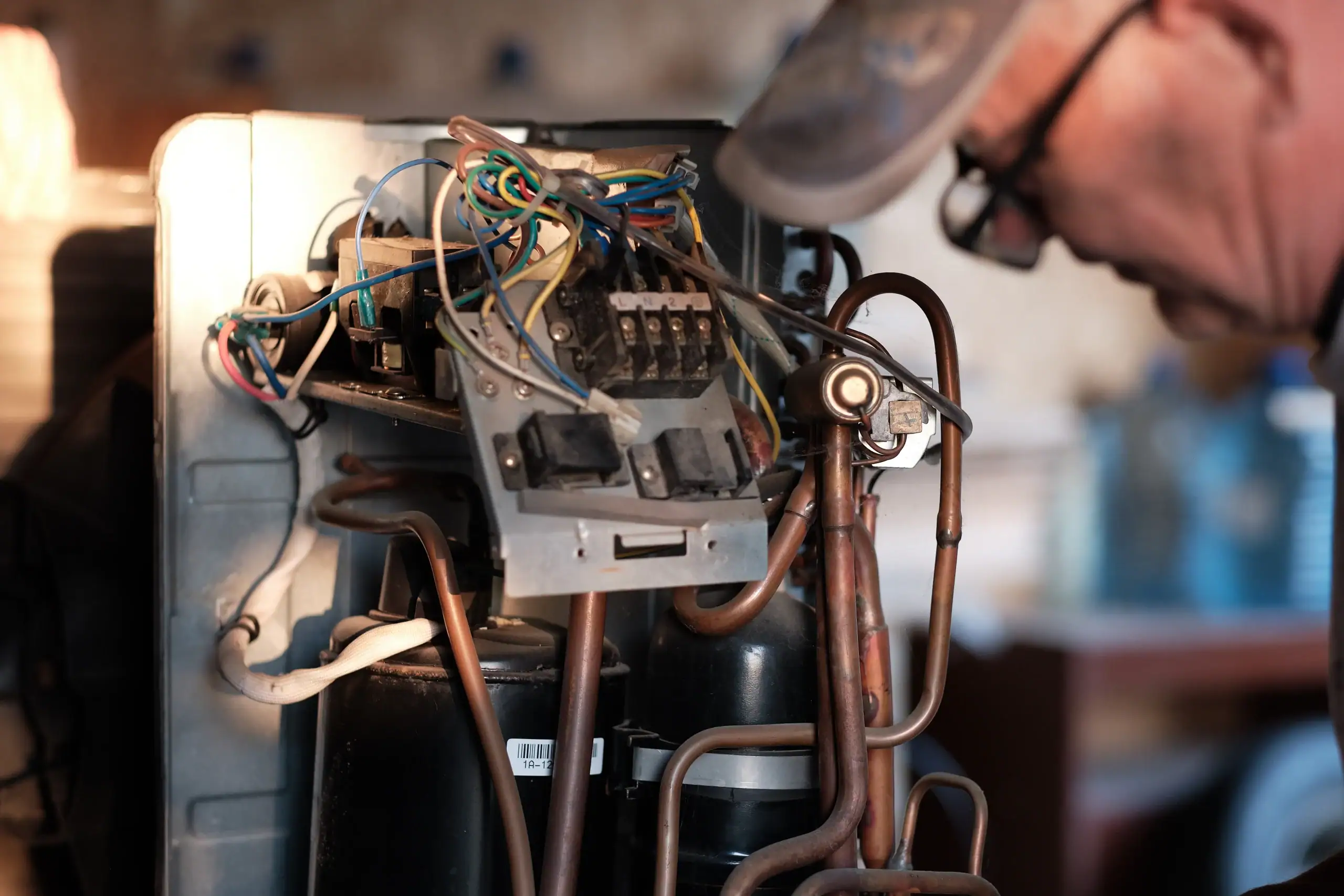
Ready to get started?
A commercial heat pump installation from Texas Air Repair includes the full system—outdoor unit, indoor components, refrigerant lines, electrical connections, and thermostat integration. You’re not buying just a piece of equipment; you’re getting a complete climate control solution designed for your specific building.
In Terrell Hills and the greater San Antonio area, businesses deal with some of the most demanding weather in Texas. Summer heat doesn’t let up from June through September, and your cooling system is essential for keeping employees productive and customers comfortable. Heat pumps excel in this climate because they transfer heat rather than generate it, making them far more efficient than traditional air conditioning during those long, brutal summer months.
The same system handles the mild Texas winter. When temperatures drop into the 40s or occasional freezes hit, your heat pump reverses its operation to pull warmth from outside air and move it indoors. It’s efficient, reliable, and doesn’t require burning fossil fuels or dealing with the maintenance headaches of a separate furnace.
Modern commercial heat pump systems also offer zoning capabilities. If different areas of your building have different temperature needs—a server room that needs constant cooling, a lobby that sees heavy foot traffic, offices with varying occupancy—you can control each zone independently. That level of control reduces energy waste and keeps everyone comfortable.
Texas businesses can also take advantage of federal tax credits and local utility rebates when installing energy-efficient heat pump systems. These incentives can offset a significant portion of your upfront investment, and the monthly energy savings continue for the life of the system.
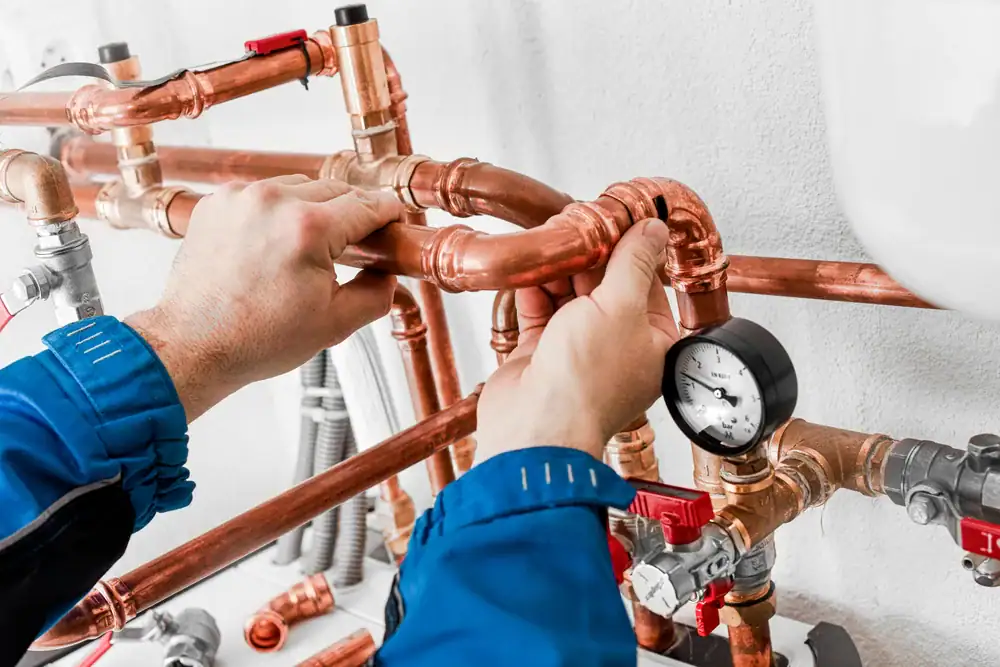
Commercial heat pumps typically last 15 to 20 years when properly maintained, even in demanding Texas conditions. The lifespan depends heavily on usage patterns, maintenance frequency, and installation quality.
In Terrell Hills, your system works hard during summer months, which puts more wear on components. Regular professional maintenance—at least once annually—keeps everything running efficiently and catches small issues before they become expensive problems. This includes cleaning coils, checking refrigerant levels, inspecting electrical connections, and ensuring proper airflow.
Lack of maintenance can reduce your system’s efficiency by up to 25% and significantly shorten its lifespan. Businesses that invest in routine service typically see their heat pumps perform reliably for two decades or more, making the maintenance cost a fraction of what you’d spend on premature replacement.
Sizing a commercial heat pump correctly is critical, and it’s not something you can determine with a simple square footage calculation. Your building’s specific characteristics determine the right capacity.
A qualified HVAC technician will evaluate your space based on total square footage, ceiling height, insulation quality, window size and placement, occupancy levels, equipment that generates heat, and existing ductwork capacity. In Terrell Hills, factors like sun exposure and building orientation also matter because of the intense Texas heat.
An undersized heat pump will run constantly, struggle to maintain comfortable temperatures, and wear out faster. An oversized system will short-cycle—turning on and off too frequently—which wastes energy, fails to properly dehumidify the air, and puts unnecessary stress on components. Professional assessment ensures you get a system that matches your actual needs, not a one-size-fits-all solution.
Yes, and they’re actually ideal for the Texas climate. Commercial heat pumps can be significantly more efficient than traditional air conditioning systems, especially during the extended cooling season businesses face in Terrell Hills.
Heat pumps work by transferring heat rather than generating cooling, which means they can deliver three to five times more heating or cooling energy than the electrical energy they consume. During summer, when your system is removing heat from your building and releasing it outside, this efficiency translates directly into lower utility bills.
Modern commercial heat pump systems also include variable-speed compressors that adjust output based on demand. Instead of running at full blast all the time, they ramp up during peak heat and dial back during milder conditions. This variable operation keeps your space comfortable while using less energy than older single-speed systems.
The key is proper installation and maintenance. A correctly sized system installed by experienced technicians will handle Texas heat without issue. Regular filter changes, clean coils, and proper refrigerant levels ensure your heat pump maintains peak efficiency even when outdoor temperatures hit 100+ degrees.
Air-source and ground-source heat pumps both provide heating and cooling, but they extract heat from different sources, which affects cost, efficiency, and installation requirements.
Air-source heat pumps are the most common for commercial applications in Terrell Hills. They pull heat from outdoor air and are relatively straightforward to install. They’re cost-effective, reliable, and work exceptionally well in the mild Texas climate. Installation involves mounting an outdoor unit and connecting it to your indoor distribution system.
Ground-source heat pumps, also called geothermal systems, use the stable temperature of the earth several feet underground. They’re extremely efficient because underground temperatures remain consistent year-round, unlike outdoor air that fluctuates. However, installation requires excavation to bury ground loops, which significantly increases upfront costs. For most Terrell Hills businesses, the added expense doesn’t justify the efficiency gains, especially given how well air-source systems perform in this climate.
Your specific building, budget, and long-term plans determine which makes sense. We can assess your property and recommend the most practical option based on your actual needs and ROI timeline.
Commercial heat pump installation costs vary widely based on system size, type, installation complexity, and your building’s specific requirements. Most businesses can expect to invest more for a complete system.
Several factors influence the final cost. Larger buildings require higher-capacity systems, which cost more. If your existing ductwork needs modification or replacement, that adds to the project. Electrical upgrades to handle the new system’s requirements also factor in. The type of heat pump matters too—basic single-stage units cost less than advanced variable-speed systems, though the latter offer better efficiency and lower operating costs.
Don’t focus solely on upfront cost. A properly sized, professionally installed heat pump will save you money every month through reduced energy bills. Many businesses see 40-60% reductions in heating and cooling costs compared to older systems. Federal tax credits and local utility rebates can offset a significant portion of your initial investment. When you factor in energy savings, lower maintenance costs, and available incentives, the return on investment typically makes sense within a few years.
Commercial heat pumps actually require less maintenance than traditional systems because they have fewer moving parts and don’t rely on fuel combustion. However, the maintenance they do need is critical for maintaining efficiency and preventing breakdowns.
At minimum, you should schedule professional service once a year. During a maintenance visit, our technicians inspect and clean coils, check refrigerant levels and test for leaks, verify proper airflow, inspect and tighten electrical connections, lubricate moving parts, test thermostat operation, and ensure the system switches correctly between heating and cooling modes.
Between professional visits, your team should handle basic upkeep. Change or clean air filters every one to three months depending on usage and air quality. Keep the outdoor unit clear of debris, vegetation, and obstructions. Check that vents and registers throughout your building remain unblocked.
Businesses that stay on top of maintenance see better performance, lower energy bills, and longer equipment life. Neglecting maintenance can reduce efficiency by up to 25% and lead to premature component failure. The cost of annual service is minimal compared to the expense of emergency repairs or early replacement.
Other Services we provide in Terrell Hills
 Call Now