Your HVAC system stops working overtime. That’s the first thing you’ll notice—lower energy bills, sometimes dramatically lower. The National Air Duct Cleaners Association reports savings up to 36% on heating and cooling costs after professional commercial air duct cleaning, and we’ve seen it happen in office buildings, medical facilities, and restaurants across Terrell Hills, TX.
The second thing? Your employees stop complaining. When dust isn’t blowing onto desks every time the system kicks on, when the air doesn’t smell stale by noon, when people with allergies aren’t miserable at work—that’s when you know the investment paid off.
Clean ducts also mean your HVAC system lasts longer. NADCA says you can add up to 10 years to your system’s lifespan with regular cleaning. That’s a decade before you’re writing a check for a full replacement. And if you’re in an industry with air quality regulations—healthcare, food service, childcare—you’re protecting yourself from compliance issues that could cost far more than the cleaning itself.
We’ve been handling commercial HVAC work across San Antonio and Terrell Hills, TX for over 20 years. We’re veteran-owned, which means we show up when we say we will and we don’t cut corners. Our technicians are certified, licensed, and insured—not because it looks good on a website, but because your building and your business deserve that level of accountability.
When your system goes down at 9 PM on a Saturday, you’re not getting an answering service. You’re getting a real person who can dispatch a real technician. We’ve built our reputation in this market by being available when it matters and doing the work right the first time.
Terrell Hills businesses deal with Texas heat, humidity, and the dust that comes with it. We understand what that does to commercial ductwork, and we know how to fix it.
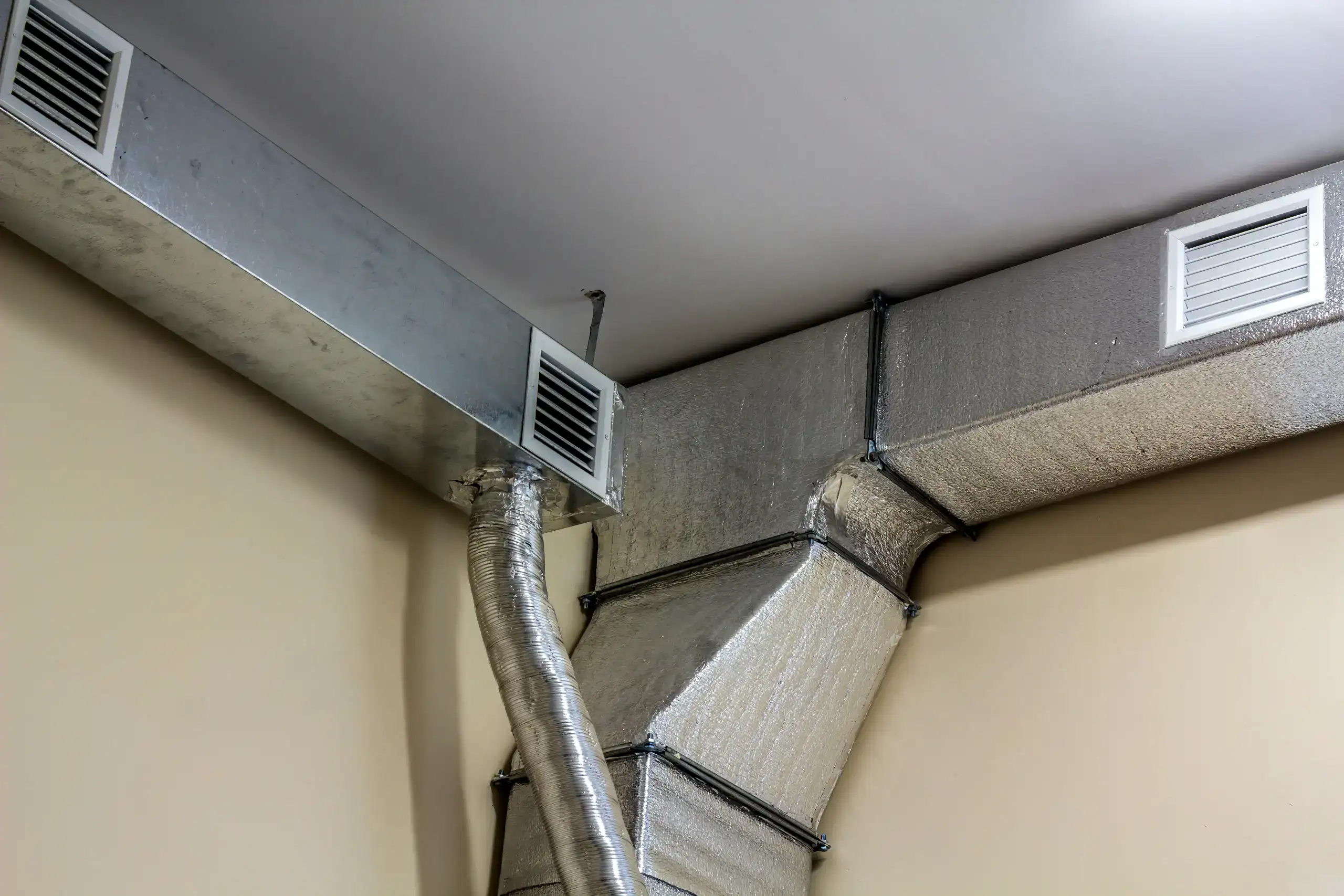
We start with a full system inspection. That means looking at your ductwork, your HVAC equipment, and identifying where the buildup is worst. We’re checking for dust, debris, mold, and anything else that shouldn’t be circulating through your building. You’ll know what we find before we start any work.
The actual cleaning follows NADCA source removal standards. We use specialized equipment—high-powered vacuums, rotary brushes, and compressed air tools—to pull contaminants out of your ducts, not just stir them around. Every vent, every return, every section of ductwork gets addressed. If there’s grease buildup in a kitchen exhaust system or biological growth in a return plenum, we handle that too.
After cleaning, we can sanitize the system if needed and seal any leaks that are costing you conditioned air. You’ll get a walkthrough of what we did, and we’ll answer any questions about maintenance or how often your specific building should be cleaned. Most office buildings need service every 3-5 years. Restaurants and medical facilities usually need it more often.
Ready to get started?
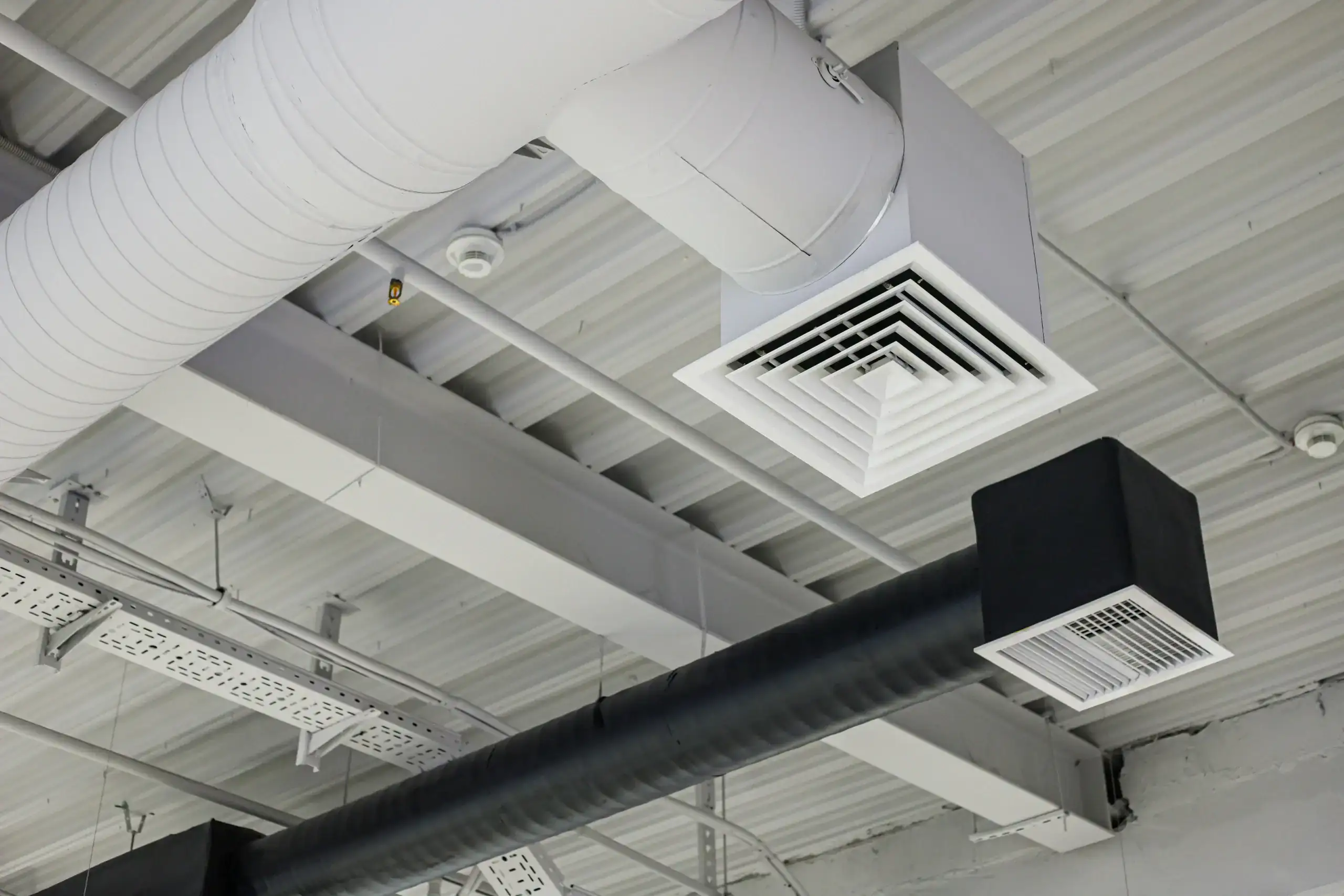
You’re getting a complete system cleaning—supply ducts, return ducts, registers, grilles, diffusers, heating and cooling coils, drip pans, fan motors, and the air handling unit housing. We don’t skip components because they’re hard to reach. If it’s part of your HVAC system, it gets cleaned.
For Terrell Hills businesses, that matters more than you might think. The EPA reports that indoor air pollution can be two to five times higher than outdoor levels, and in a place where buildings are sealed tight for air conditioning nine months a year, that contamination builds up fast. Restaurants dealing with grease-laden air, medical offices with strict air quality standards, and schools with hundreds of kids breathing recirculated air—they all face specific challenges that generic cleaning doesn’t address.
We also handle the stuff most companies ignore. If your system has biological growth, we treat it. If there are gaps or disconnections in your ductwork, we’ll point them out and fix them if you want. And if your building has never had the ducts cleaned, we’ll make sure you understand what’s involved before we start, because the first cleaning is usually the most intensive.
It depends entirely on what your building is used for. An office building with standard use typically needs cleaning every three to five years. That’s enough to keep dust and allergen levels manageable without over-servicing the system.
Restaurants are different. If you’re running a commercial kitchen, you’re dealing with grease, smoke, and airborne particles that accumulate fast. Kitchen exhaust systems often need annual cleaning, and the dining area HVAC should be checked every two to three years depending on volume.
Medical facilities, dental offices, and anywhere with strict air quality requirements should be on an annual schedule. The same goes for buildings with known mold issues, heavy foot traffic, or ongoing construction nearby. If your employees are complaining about air quality or you’re seeing visible dust around vents, don’t wait for the schedule—get it checked.
Yes, and the savings can be significant. The U.S. Department of Energy says that 25% to 40% of the energy used for heating or cooling is wasted, and contaminants in the system are a major reason why. Even a small amount of debris makes your HVAC work harder, which means higher energy consumption.
NADCA reports that businesses save up to 36% on energy costs after professional duct cleaning. In real terms, if your monthly HVAC costs are $1,200, you could be saving over $400 a month. That pays for the cleaning in a few billing cycles, and every month after that is money back in your budget.
The other benefit is airflow. Clean systems can deliver 10% to 46% more conditioned air compared to dirty ones, which means your building heats and cools more evenly. You’re not cranking the thermostat to compensate for weak airflow, and your equipment isn’t running constantly trying to hit target temperatures.
Commercial systems are bigger, more complex, and they run longer hours. You’re dealing with multiple zones, larger ductwork, more powerful HVAC equipment, and often specialized filtration or ventilation requirements. The equipment and expertise needed to clean a 15,000-square-foot office building are completely different from what you’d use in a house.
Commercial cleaning also has to account for business operations. We schedule around your hours, work in sections if needed, and minimize disruption. If you can’t shut down during the day, we’ll work nights or weekends. Residential companies aren’t set up for that.
The stakes are higher too. A dirty duct system in a home is uncomfortable. A dirty system in a commercial building affects employee health, regulatory compliance, customer experience, and operating costs. That’s why commercial duct cleaning follows stricter standards and requires certified technicians who understand commercial HVAC systems.
Start with the vents. If you’re seeing dust buildup around registers or debris blowing out when the system starts, that’s a clear sign. Pull off a vent cover and look inside with a flashlight—if there’s visible dust, debris, or anything that looks like mold, your ducts need attention.
Pay attention to what your employees or tenants are saying. If people are complaining about allergies, respiratory issues, or stuffiness that goes away when they leave the building, poor air quality is usually the culprit. Strange smells when the HVAC kicks on—musty, stale, or just off—also point to contamination in the ductwork.
You should also consider your building’s history. If the ducts have never been cleaned, if you’ve had water damage or a roof leak, if there’s been recent construction or renovation, or if you’ve had pest problems, those are all reasons to schedule an inspection. The only way to know for sure is to have someone look, and we’ll tell you honestly whether cleaning is necessary or if you can wait.
It can be, if you’re working with the wrong company. Some outfits use duct cleaning as a foot in the door to sell you a new system, UV lights, expensive filtration upgrades, or repairs you don’t actually need. That’s not how we operate.
Duct cleaning is a legitimate maintenance service with measurable benefits—lower energy costs, better air quality, longer equipment life. But it’s not a cure-all, and it’s not always necessary. If your ducts are relatively clean and your system is running fine, we’ll tell you that. If there’s a problem that cleaning won’t fix—like a failing blower motor or undersized ductwork—we’ll explain what’s actually going on.
What you should expect from us is transparency. We’ll show you what we find during the inspection, explain what needs to be done, and give you a clear price before we start. If additional issues come up, we’ll walk you through your options. You’re paying for a service that improves your building’s performance, not a sales pitch.
Yes. NADCA standards are built around source removal, which means actually extracting contaminants from the system instead of just moving them around or covering them up with a spray. That’s the only method that works for commercial ductwork, and it’s what we use on every job.
Source removal involves high-powered vacuum equipment, mechanical agitation tools like rotary brushes, and compressed air to dislodge debris. We clean the entire system—not just the easy-to-reach sections. That includes the air handler, coils, drain pans, plenums, and every branch of ductwork. If something is part of your HVAC system, it gets addressed.
Following NADCA standards also means our technicians are trained and certified. We’re not sending someone with a shop vac and good intentions. You’re getting professionals who understand commercial HVAC systems, know how to work safely in occupied buildings, and can identify issues that go beyond just dirty ducts. That’s the level of service your building deserves.
Other Services we provide in Terrell Hills
 Call Now