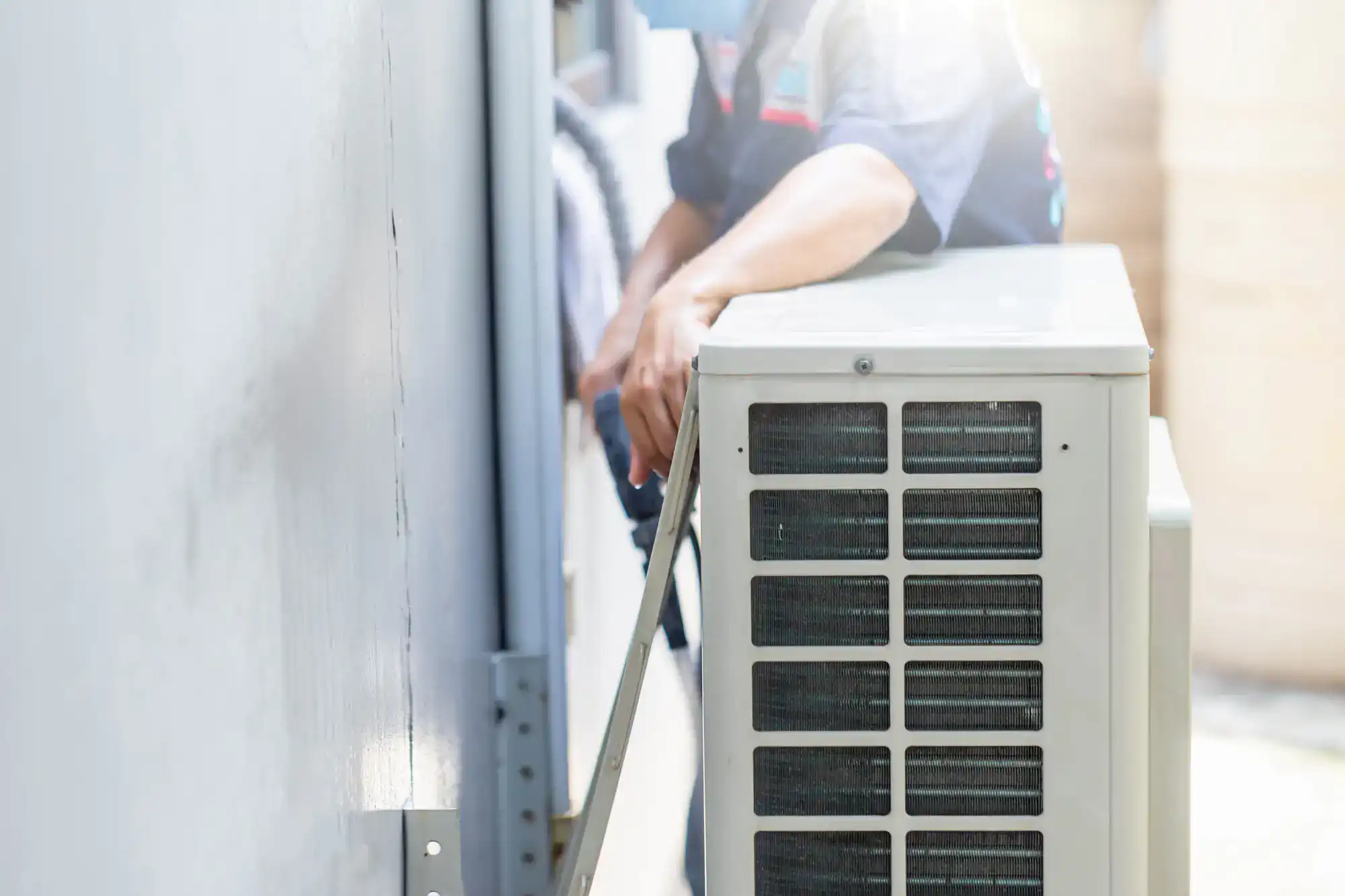
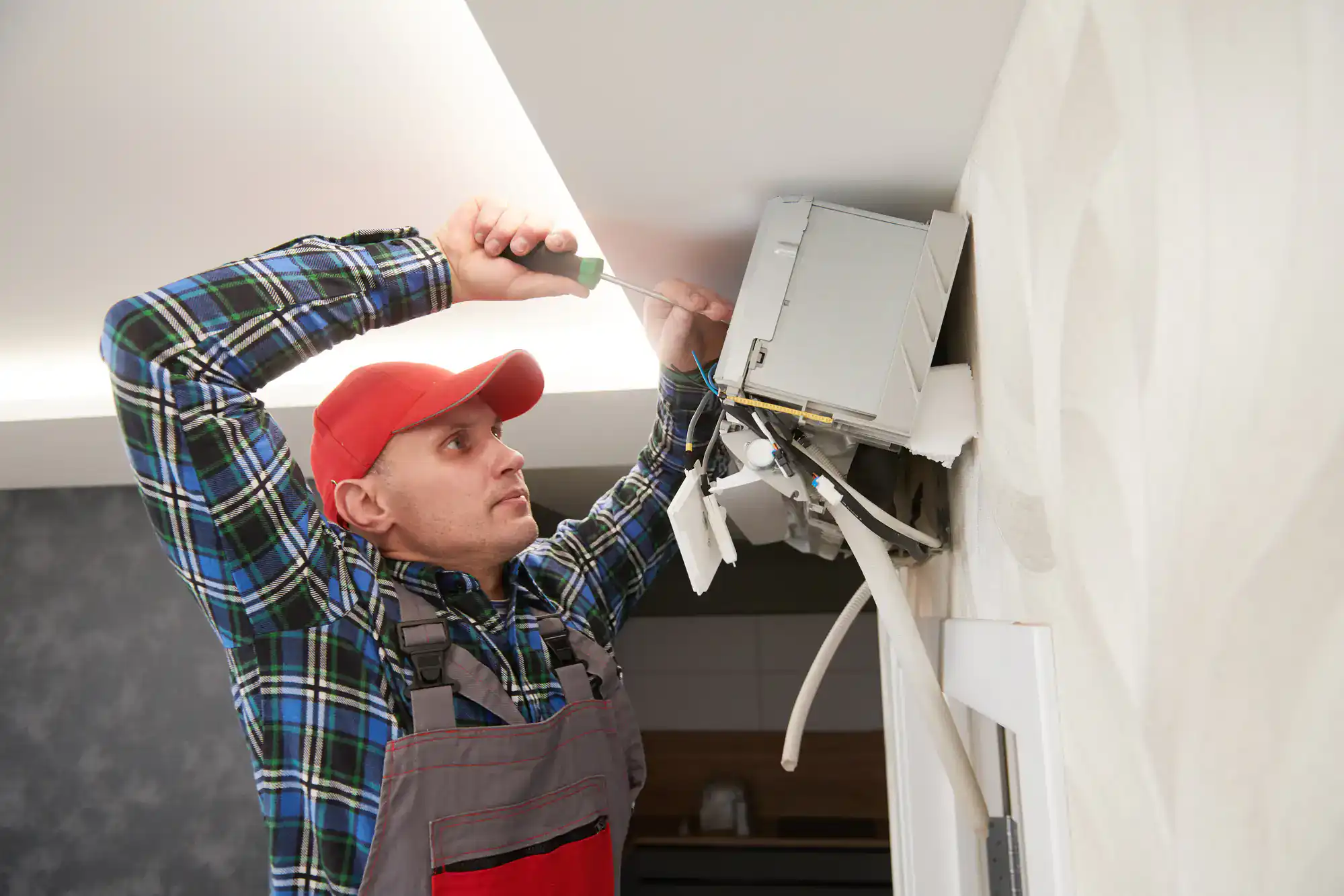
Most homeowners in Terrell Hills don’t realize how much their aging AC system is costing them until they replace it. Your monthly energy bill drops because modern systems use 30-40% less electricity than units from even ten years ago. You stop waking up to hot rooms because newer equipment distributes air more evenly across your home’s layout.
The difference shows up fast. No more thermostat battles between rooms. No more emergency calls on weekends. No more wondering if this repair will be the last one or just another Band-Aid on a dying system.
Homes built in the 1950s and 60s—common throughout Terrell Hills—weren’t designed for today’s cooling demands or efficiency standards. Replacing your AC unit means you’re finally matching your home’s needs with equipment that can actually handle them. That’s not an upgrade. That’s just making your house work the way it should.
We’ve been handling AC system replacement across San Antonio for over 20 years. We’re not a franchise. We’re not a call center routing your request to whoever’s available. We’re a veteran-owned company that shows up when we say we will and does the work right the first time.
Terrell Hills homes come with their own quirks—original construction mixed with renovations, larger lots, older ductwork, high ceilings. We’ve seen it all. Our techs are licensed, certified, and trained to handle the specific challenges that come with replacing HVAC systems in established neighborhoods where one-size-fits-all doesn’t cut it.
We’re available 24/7 because AC emergencies don’t wait for business hours. But more than that, we’re the team you call when you want straight answers about whether to repair or replace—and what that replacement actually involves.

First, we come out and assess your current system and your home. That means looking at your existing unit, your ductwork, your insulation, your square footage, and how your home is laid out. We’re not just swapping one box for another—we’re making sure the new system is properly sized and matched to what your house actually needs.
Once we’ve walked through everything, we’ll give you options. Different efficiency levels, different brands, different price points. We’ll explain what each one gets you and what it doesn’t. No upselling. No pressure. Just information so you can make the call that makes sense for your budget and your timeline.
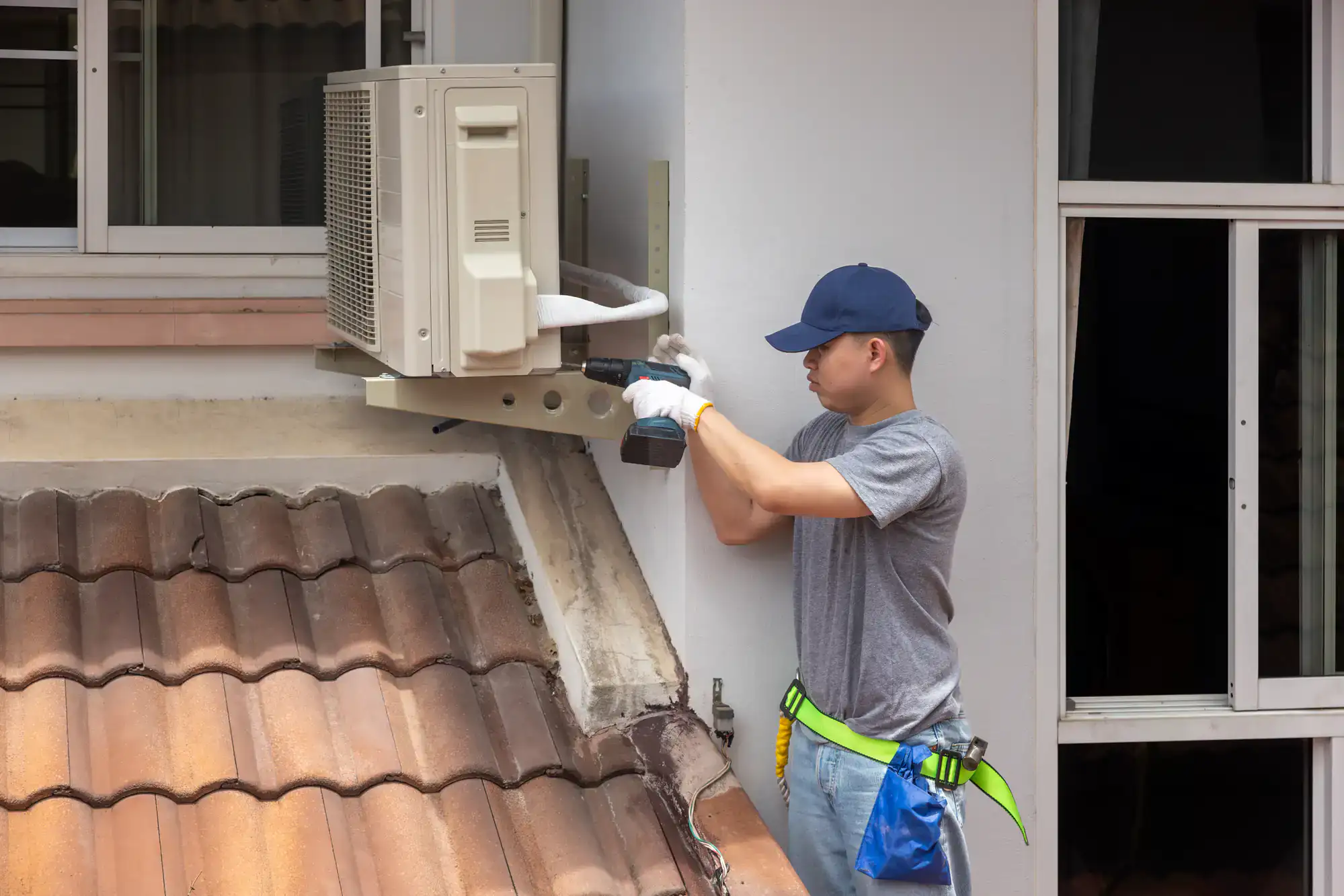
Installation day, we pull the old system, install the new one, test everything, and walk you through how it works. We handle the permits. We haul away the old equipment. We make sure your new AC is running correctly before we leave. Then we back it up with a warranty on parts and labor so you’re covered if anything goes sideways.
Ready to get started?
A full AC replacement in Terrell Hills includes removing your old system, installing a new condenser and air handler or furnace, connecting it to your existing or updated ductwork, and making sure everything is sealed, charged, and running at the manufacturer’s specs. You’re also getting a system that uses R-410A refrigerant instead of the old R-22, which is being phased out and costs a fortune to refill.
Modern systems come with better filtration, quieter operation, and smart thermostat compatibility. That means better indoor air quality improvement, less noise when the system kicks on, and the ability to control your temperature from your phone. These aren’t gimmicks—they’re standard features that make your home more comfortable and easier to manage.
Terrell Hills homeowners also benefit from federal tax credits on qualifying heat pump systems—up to $2,000 or 30% of the install cost. Texas is rolling out additional rebate programs in 2025 that could add thousands more back into your pocket. We’ll walk you through what qualifies and how to claim it. That’s part of the service, not an extra.
Most full AC replacements in Terrell Hills run between $5,000 and $14,000 depending on the size of your home, the efficiency level you choose, and whether your ductwork needs updates. A 2,000-square-foot home with standard ductwork and a mid-tier system usually lands in the $7,000 to $10,000 range.
Higher-efficiency systems cost more upfront but drop your monthly energy bills enough that they pay for themselves over time. Heat pumps, which qualify for federal tax credits, add to the initial cost but give you heating and cooling in one unit plus potential rebates that bring the net cost way down.
If your ductwork is leaking or undersized, that’s an additional cost—but it’s also the difference between a system that works and one that struggles. We’ll tell you upfront if that’s something you need to address. No surprises after we’ve already started the job.
Most air conditioning replacement jobs take one full day, sometimes stretching into a second day if we’re dealing with ductwork modifications, electrical upgrades, or tricky access to the install location. We’re not rushing. We’re making sure it’s done right.
The timeline depends on your home’s setup. If your old system is on a concrete slab in the backyard with easy attic access for the air handler, we’re in and out faster. If we’re working with tight crawl spaces, older wiring, or a unit that’s been jury-rigged over the years, it takes longer to undo the mess and install it correctly.
We’ll give you a realistic timeline before we start. And if something comes up during the install that changes the schedule, we’ll let you know immediately—not at the end of the day when you’re expecting us to be finished.
If your system is over 10 years old and the repair costs more than half the price of a replacement, you’re better off replacing it. That’s the industry standard, and it’s based on the reality that older systems fail more often and cost more to keep running.
Even if the repair is cheap, you’re still dealing with an aging system that’s losing efficiency every year. Your energy bills are higher than they should be. Your home isn’t cooling evenly. And you’re one breakdown away from another service call. At some point, you’re just paying to delay the inevitable.
We’ll give you the honest answer when we come out. If a repair makes sense, we’ll tell you. If you’re throwing money at a system that’s going to fail again in six months, we’ll tell you that too. You’re not getting a sales pitch—you’re getting the same advice we’d give our own family.
Size depends on your home’s square footage, insulation, window placement, ceiling height, and how much sun exposure you get. A 2,000-square-foot home in Terrell Hills typically needs a 3-ton to 4-ton unit, but that’s not a guarantee—it’s a starting point.
Oversized units cycle on and off too quickly, which means they don’t dehumidify properly and wear out faster. Undersized units run constantly and never quite get your home cool enough. Both scenarios waste money and leave you uncomfortable. That’s why we do a load calculation before recommending a system size.
Terrell Hills homes—especially older ones—often have quirks that affect sizing. High ceilings, large windows, additions that weren’t part of the original build. We account for all of it so the system we install actually matches what your home needs, not just what a chart says.
Yes, and the difference is noticeable. A system that’s 10 to 15 years old is working harder and using more electricity to produce the same amount of cooling as a new high-efficiency unit. Homeowners typically see a 20-40% drop in cooling costs after replacing an older system with a modern one.
Terrell Hills summers are brutal, and your AC runs for months straight. That means every percentage point of efficiency adds up. A 16 SEER system uses significantly less power than a 10 SEER system, and the monthly savings show up on your utility bill immediately—not years down the road.
Factor in better insulation, sealed ductwork, and a properly sized unit, and you’re looking at even bigger savings. It’s not marketing talk. It’s math. Less energy to cool your home means lower bills, and that gap widens every year as your old system would have continued losing efficiency.
Federal tax credits cover up to $2,000 or 30% of the total cost for qualifying heat pump systems. That includes equipment and installation, not just the unit itself. It’s a legit credit, not a deduction, so it comes directly off what you owe when you file your taxes.
Texas is launching the HOMES and HEAR rebate programs in summer 2025, which could add another $8,000 to $14,000 depending on your household income and the efficiency improvements you make. These are stackable with federal credits, meaning you could potentially offset a huge chunk of your replacement cost if you qualify.
Some local utility companies also offer rebates ranging from $1,800 to $3,300 based on system size and efficiency. We’ll help you figure out what applies to your situation and what paperwork you need to file. It’s part of making sure you get the full value of your investment, not just the install itself.
Other Services we provide in Terrell Hills
 Call Now