
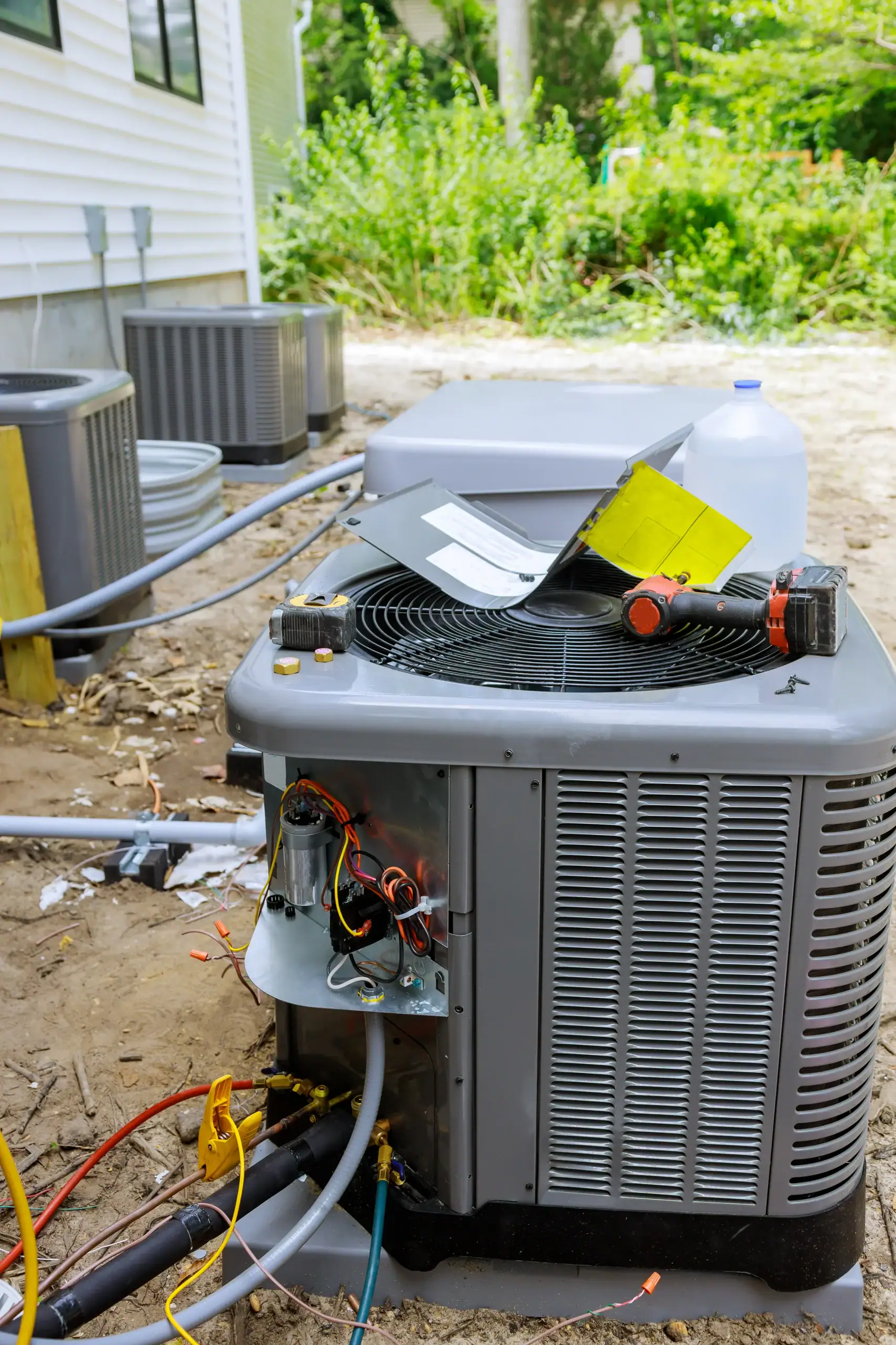
Your energy costs are eating into profits. Every month, you’re paying for outdated equipment that works twice as hard to do half the job. Commercial heat pumps change that equation entirely.
These systems can cut your energy usage by up to 50% compared to traditional heating and cooling setups. That’s not a small difference—that’s real money back in your budget every single month. You get heating in winter, cooling in summer, and consistent performance year-round without juggling multiple systems or maintenance schedules.
The right heat pump keeps your space comfortable without the constant repairs, surprise breakdowns, or sky-high utility bills that come with aging HVAC equipment. Your employees stay productive. Your customers stay comfortable. Your operations stay running.
We’ve spent over 20 years solving HVAC problems for commercial properties across Universal City and the greater San Antonio area. As a -owned company, the same discipline and commitment that defined our expert service shows up in every installation, repair, and service call.
We know what Texas weather does to HVAC systems. We’ve seen how the combination of brutal summer heat and unpredictable winter cold puts stress on equipment. That’s why our certified technicians focus on solutions that actually hold up in this climate, not just quick fixes that fail when you need them most.
Universal City businesses count on reliable climate control. Whether it’s a retail space near Randolph Air Force Base, an office building on Pat Booker Road, or a restaurant serving the local community, we deliver honest service and systems built to last. We’re available 24/7 because HVAC emergencies don’t wait for business hours.
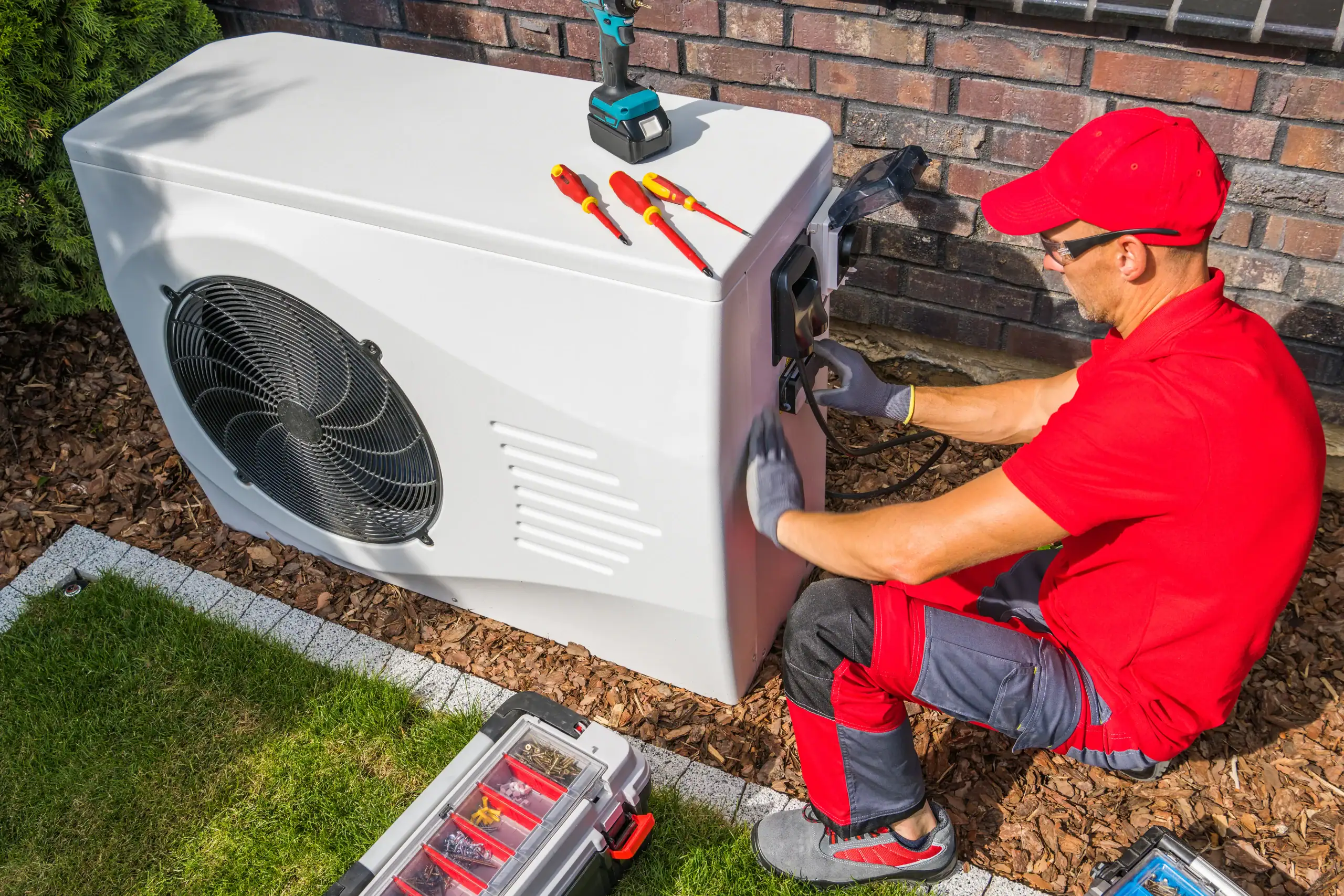
Getting a commercial heat pump installed isn’t complicated when you work with people who know what they’re doing. It starts with understanding your property—square footage, insulation, usage patterns, and what you actually need from your HVAC system. Not every business needs the same setup, and oversizing or undersizing equipment costs you money either way.
Once we know your requirements, we’ll recommend a heat pump system that matches your building and budget. Installation happens on your schedule with minimal disruption to your operations. The outdoor unit goes where it makes sense for your property layout. The indoor components connect to your existing ductwork or get set up as a ductless system if that’s the better fit.
After installation, the system gets tested to verify airflow, refrigerant levels, electrical connections, and thermostat operation. You’re not left guessing whether everything works correctly. Then comes the part most companies skip—explaining how to maintain your investment and when to schedule service. Regular maintenance keeps your heat pump running efficiently for 15 years or more, which is exactly what you want from a major equipment investment.
Ready to get started?
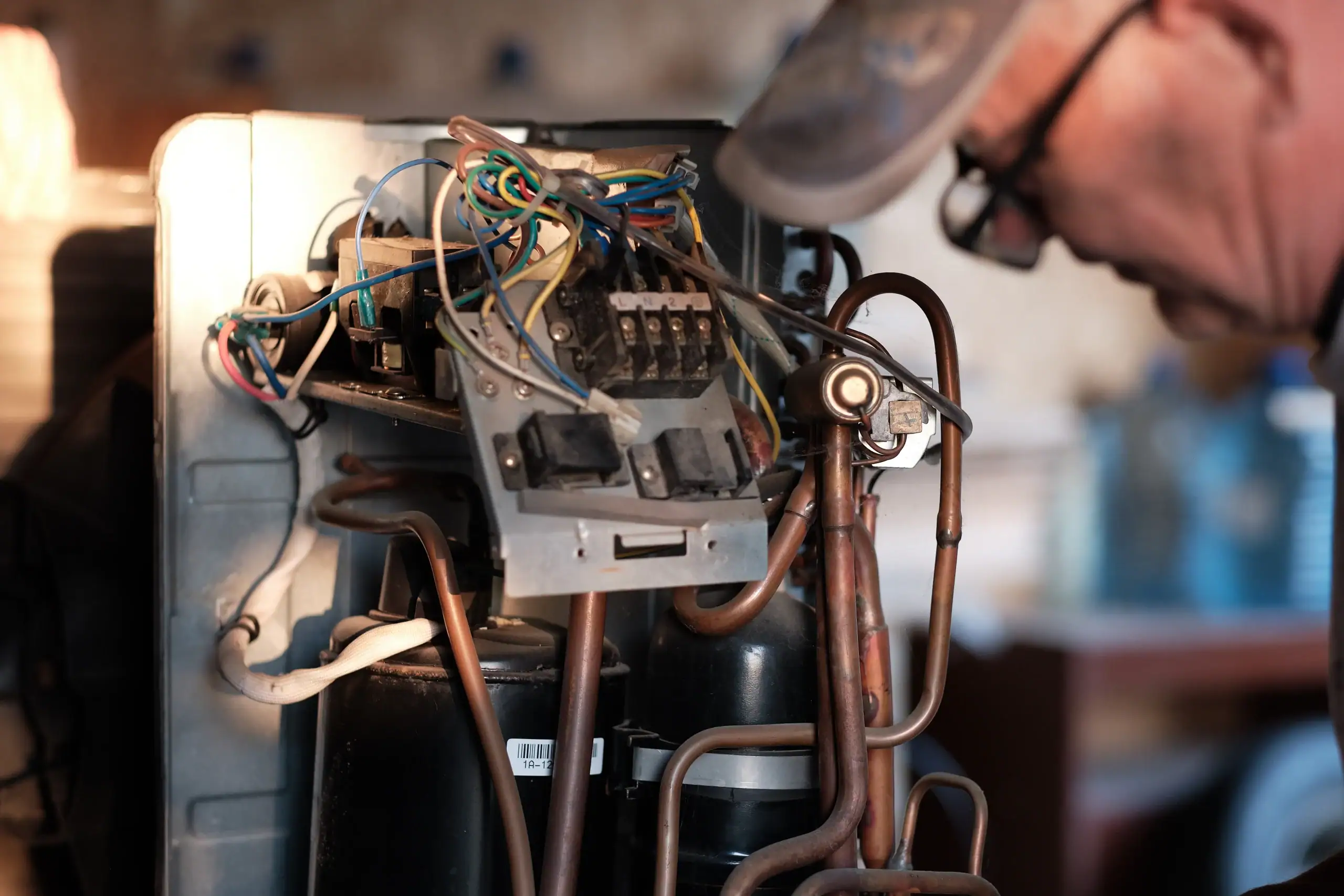
Commercial heat pump service covers everything your system needs to perform reliably in Universal City’s climate. That includes installation when you’re upgrading or replacing equipment, repairs when something stops working right, and maintenance to prevent problems before they shut down your business.
Maintenance matters more than most people realize. Skipping it can drop your system’s efficiency by 25% or more, which means you’re paying significantly more to heat and cool your space. Regular service catches refrigerant leaks, cleans coils that restrict airflow, tightens electrical connections, and replaces filters that your team might not get to consistently. It’s the difference between a system that lasts 10 years and one that makes it past 20.
Universal City sits in an area where summer temperatures regularly push past 95 degrees and humidity makes it feel even hotter. Your heat pump works hard in these conditions. Winter brings its own challenges when temperatures drop and businesses still need reliable heating. Professional service keeps your system ready for both extremes without the emergency repair calls that always seem to happen at the worst possible time.
Commercial heat pumps can reduce your energy usage by up to 50% compared to traditional heating and cooling systems. The exact savings depend on your current equipment, building size, insulation quality, and how well your system is maintained.
Here’s why the savings are real: heat pumps move heat rather than generate it, which takes far less energy. In cooling mode, they work like an air conditioner. In heating mode, they extract warmth from outdoor air and transfer it inside, even when it feels cold outside. That process uses a fraction of the energy a furnace burns to create heat.
For a typical commercial property in Universal City, that efficiency translates to noticeably lower monthly utility bills. Over a year, the savings often cover a significant portion of the system’s cost. Over the 15-plus-year lifespan of a well-maintained heat pump, you’re looking at substantial cost avoidance compared to running separate heating and cooling equipment.
Most commercial heat pumps last between 15 and 19 years, depending on the type of system and how well it’s maintained. Air-source heat pumps typically hit the 15-year mark, while water-source systems can reach 19 years or beyond.
Maintenance is the deciding factor. A heat pump that gets professional service at least once a year will outlast one that only gets attention when something breaks. Regular maintenance prevents the small issues that turn into expensive failures—refrigerant leaks, dirty coils, worn electrical connections, and clogged filters that force the system to work harder than necessary.
Texas weather puts extra stress on HVAC equipment. The combination of extreme heat, high humidity, and occasional cold snaps means your system runs more often than it would in milder climates. That’s why sticking to a maintenance schedule matters even more here. With proper care, you can push a commercial heat pump past 20 years, which is excellent value for a major equipment investment.
Yes. Texas actually has more heat pumps installed than any other state in the country, which tells you everything you need to know about how well they perform here. Heat pumps are proven technology in this climate.
The concern some people have is whether heat pumps can handle extreme heat, but modern commercial systems are specifically designed for high-temperature performance. They cool just as effectively as traditional air conditioning while also providing efficient heating when temperatures drop. That dual functionality is why they make sense for Texas businesses.
The humidity is more about comfort than system capability. A properly sized and installed heat pump manages humidity while cooling your space, preventing that clammy feeling that makes hot days even more miserable. The key is working with technicians who understand how to size equipment correctly for your building and local climate conditions. Undersized systems struggle in extreme heat. Oversized systems cycle on and off too frequently and don’t dehumidify effectively. Getting it right from the start makes all the difference.
At minimum, once a year by a professional technician—ideally in spring before cooling season hits hard. Many commercial properties benefit from twice-yearly service, especially if the system runs constantly or serves a business where temperature control is critical.
Annual maintenance includes inspecting and cleaning coils, checking refrigerant levels, testing electrical connections, verifying airflow, examining the blower and fan, and making sure the thermostat operates correctly. Technicians also look for early warning signs of problems that haven’t caused failures yet but will if left alone.
Between professional visits, your team should change or clean filters every one to three months depending on usage and air quality. Keeping debris away from the outdoor unit helps too. These simple steps prevent the most common causes of reduced efficiency and unexpected breakdowns. Skipping maintenance doesn’t just risk equipment failure—it can cut your system’s efficiency by 25% or more, which means you’re paying significantly more to heat and cool your building without realizing why.
The most obvious sign is when your system stops heating or cooling effectively. If your business feels too warm in summer or too cold in winter despite the thermostat settings, something’s not working right. Uneven temperatures across different areas of your building also indicate a problem.
Unusual noises are another red flag. Commercial heat pumps make some operational sounds, but whistling, rumbling, screeching, or grinding noises mean something needs attention. Frequent cycling—where the system turns on and off repeatedly without maintaining temperature—points to thermostat issues, refrigerant problems, or electrical malfunctions.
Higher-than-normal energy bills without a clear explanation often signal declining efficiency from dirty coils, low refrigerant, or failing components. If you notice ice forming on the outdoor unit during cooling season, that’s a refrigerant or airflow issue. The sooner you address these signs, the less likely you are to face a complete system failure during the hottest or coldest days of the year when you can least afford downtime.
Yes, that’s exactly what commercial heat pumps are designed to do. One system handles both heating and cooling, which simplifies your HVAC setup, reduces maintenance requirements, and typically lowers your overall operating costs.
Heat pumps work by moving heat rather than generating it. In summer, they extract heat from your indoor air and release it outside, just like an air conditioner. In winter, they reverse the process, pulling heat from outdoor air and moving it inside to warm your building. Even when outdoor temperatures feel cold, there’s still heat energy available that the system can extract and use.
The main consideration is whether your current ductwork can handle the new system or if you need modifications. Some commercial properties benefit from ductless heat pump systems, which don’t require existing ductwork at all. A proper assessment looks at your building layout, insulation, heating and cooling loads, and usage patterns to determine the right setup. When sized and installed correctly, a heat pump delivers reliable year-round climate control without needing separate heating and cooling equipment.
Other Services we provide in Universal City
 Call Now